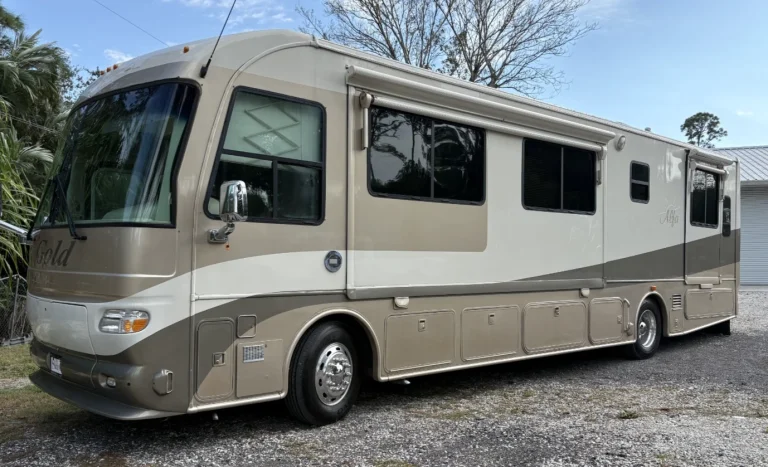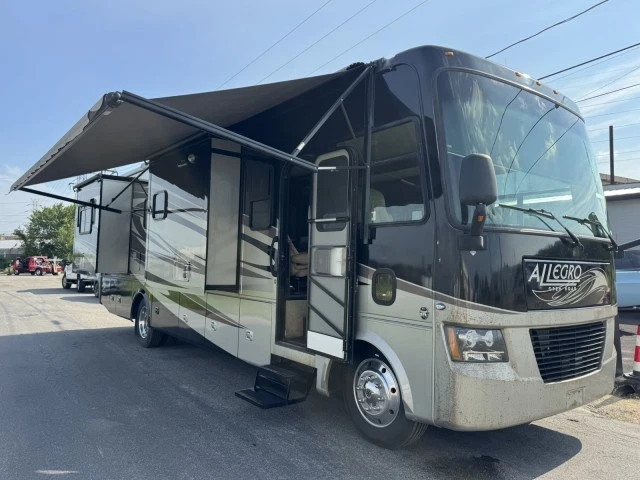
Buy a Camper: The Complete Guide to Finding the Right Camper for Your Next Adventure
Buying a camper can change the way you travel.
Instead of booking a hotel every time you want to get away, you have a comfortable place that travels with you.
You can pack your favorite food, clothes, camping equipment, and everyday essentials and simply head out when the mood strikes.
But choosing the right camper takes more than finding a model that looks good in photographs.
Before you buy a camper, you need to think about how you travel, where you want to go, how many people will come with you, and how much you are comfortable spending.
That is where smart shopping makes a difference.
There are compact campers designed for simple weekend trips.
There are larger travel trailers built for families.
There are fifth wheels with surprisingly spacious interiors.
There are camper vans that make getting around easy.
There are also luxury models designed for people who want nearly every comfort of home while traveling.
With so many choices, it is easy to get overwhelmed.
The good news is that you do not need to know everything on day one.
You simply need a sensible process.
This guide walks you through the important things to consider before you buy a camper, from choosing a style and setting a budget to inspecting a used unit and preparing for your first trip.
Why More People Choose to Buy a Camper
The appeal is simple: freedom.
A camper gives you the ability to travel without leaving every comfort behind.
You can wake up near a lake, spend an afternoon exploring a new town, and return to your own bed at night.
For families, camping can also become a more affordable way to take road trips.
For couples, a camper can make spontaneous weekends much easier.
For solo travelers, it can provide a comfortable base while exploring.
And for people who simply enjoy being outdoors, owning a camper means the next adventure is always within reach.
Still, before you purchase a camper, think about whether ownership fits your actual lifestyle.
A camper that sits unused for most of the year may not provide the value you expect.
On the other hand, someone who travels regularly may quickly discover that having their own camper is incredibly convenient.
Start With Your Travel Plans
The best place to begin is not a dealership.
It is your own travel calendar.
Before you buy a camper, think about the trips you realistically expect to take.
Will you mainly travel on weekends?
Will you take week-long vacations?
Do you plan to spend several months traveling?
Will you stay at established campgrounds?
Do you want to explore places with limited facilities?
Will you travel with children?
Will pets come along?
Every answer can influence the kind of camper you should choose.
A couple taking short trips may have no reason to purchase a huge trailer.
A family spending several weeks on the road may quickly outgrow a compact camper.
The right choice is the one that fits your real life.
Choose the Right Type of Camper
There are several camper styles worth considering.
Understanding the differences makes it much easier to get a camper with confidence.
Travel Trailers
Travel trailers are among the most popular towable options.
They come in many sizes and layouts.
Some are small enough for simple camping trips.
Others include separate bedrooms, full bathrooms, large kitchens, bunk rooms, and multiple slide-outs.
One major advantage is flexibility.
You can disconnect the trailer at a campsite and use the tow vehicle for everyday driving.
Fifth Wheels
Fifth wheels attach to a compatible pickup using a special hitch.
They often provide large interiors and residential-style floor plans.
Some include spacious kitchens, private bedrooms, large bathrooms, and excellent storage.
Their size does mean that you need a suitable tow vehicle.
Camper Vans
Camper vans are compact and easy to maneuver.
They can be appealing to solo travelers and couples who want mobility.
Parking is generally easier than with a large trailer or motorhome.
Pop-Up Campers
Pop-up campers provide a relatively simple way to get into camping.
They are usually compact when being transported and expand when set up.
They can be attractive to buyers who want something straightforward.
Truck Campers
Truck campers sit in the bed of a pickup truck.
They are compact and can provide a useful combination of mobility and camping capability.
However, the truck must be properly matched to the camper.
Decide How Much Space You Really Need
More space sounds better.
But more space also means more weight, more maintenance, more storage requirements, and potentially higher operating costs.
Before you buy a camper, think carefully about your actual needs.
How many people will sleep inside?
Do you need a separate bedroom?
Would bunk beds help?
Do you need a large bathroom?
Will you cook full meals?
Do you need an indoor workspace?
Will you spend most of your time outside?
These questions can help you avoid paying for space you rarely use.
Build a Realistic Camper Budget
The purchase price is only part of the financial picture.
Before you purchase a camper, create a complete ownership budget.
Include:
- Purchase price
- Taxes
- Registration
- Insurance
- Fuel
- Maintenance
- Repairs
- Storage
- Campground fees
- Tires
- Batteries
- Towing equipment
- Camping accessories
A camper can be affordable to purchase but expensive to maintain.
That does not mean you should avoid ownership.
It simply means you should understand the complete cost before making your decision.
Do Not Spend Every Dollar on the Purchase
This is one of the easiest mistakes for first-time buyers.
You find the perfect camper.
You stretch the budget.
You make the purchase.
Then you realize you still need a hitch, brake controller, hoses, leveling equipment, cookware, outdoor furniture, and other essentials.
When you buy a camper, leave some money available for getting it ready for actual camping.
You will probably discover a few things you want after your first trip, too.
New or Used Camper?
Both options have advantages.
A new camper offers the latest layouts, materials, technology, appliances, and potentially warranty coverage.
A used camper can offer excellent value.
Someone else may have already taken the biggest depreciation hit.
A used camper may also come with useful accessories or upgrades already installed.
When you get a camper, do not automatically assume new is the better option.
Condition, maintenance history, floor plan, and price all matter.
Why Used Campers Can Be Excellent Value
A well-maintained used camper can be a smart purchase.
The previous owner may have already installed:
- Solar panels
- Additional batteries
- A better mattress
- Exterior storage equipment
- Camping accessories
- Upgraded appliances
- Improved lighting
Those additions can save you money.
But used does not mean automatically good.
You still need to inspect the camper carefully before you buy a camper.
Study the Floor Plan
A camper can look beautiful online and still have a frustrating layout.
That is why the floor plan deserves serious attention.
Before you buy a camper, imagine using it on a normal day.
Where will everyone sit?
Where will you cook?
Where will children sleep?
Where will you store food?
Can you move around easily?
Can two people use the kitchen simultaneously?
Does the bathroom have enough room?
A practical floor plan can make a modest camper feel surprisingly comfortable.
Think About Sleeping Arrangements
Advertised sleeping capacity can sometimes be optimistic.
A camper may technically sleep six people.
That does not mean six adults will be comfortable.
When you purchase a camper, consider who will actually sleep inside.
Families may prefer bunk beds.
Couples may want a permanent queen or king bed.
Friends traveling together may want separate sleeping areas.
Choose based on real comfort rather than a number printed in a brochure.
Consider Kitchen Space
Some campers have surprisingly capable kitchens.
Others are designed for simple meals.
Before you buy a camper, think about your eating habits.
Do you cook every day?
Do you mostly grill outdoors?
Do you need a large refrigerator?
Would extra countertop space matter?
Is there enough pantry storage?
Open the cabinets and drawers.
Imagine preparing a normal meal.
A kitchen does not need to be enormous.
It simply needs to work for you.
Do Not Underestimate Storage
Storage becomes important very quickly.
Before you get a camper, think about everything you will bring.
Clothing.
Shoes.
Food.
Toiletries.
Camping chairs.
Tools.
Outdoor equipment.
Cleaning supplies.
Cooking equipment.
Pet supplies.
Where will all of it go?
Open every cabinet.
Check under the bed.
Look inside exterior compartments.
Good storage can make a smaller camper much easier to live with.
Pay Attention to Bathroom Design
Bathroom size can matter more than expected.
When you buy a camper, step inside the bathroom if you can.
Check the shower.
Check headroom.
Open the cabinets.
Look at ventilation.
Consider the toilet position.
A compact bathroom can work perfectly when the layout is intelligent.
But if you plan long trips, bathroom comfort becomes increasingly important.
Check Your Tow Vehicle
If you are purchasing a towable camper, this is critical.
Before you purchase a camper, make sure your vehicle can safely tow it.
Do not rely only on the camper’s advertised dry weight.
Consider passengers, cargo, water, equipment, and other items that add weight.
Check your vehicle manufacturer’s specifications.
Pay attention to towing capacity and payload.
If you are uncertain, ask a qualified professional.
A beautiful camper is not a good deal if your tow vehicle is not suitable for it.
Think About Towing Comfort
Weight is not the only consideration.
Length matters.
Width matters.
Trailer design matters.
Your experience matters.
Before you buy a camper, think about where you will tow it.
Will you drive through cities?
Will you travel on mountain roads?
Will you use narrow campground entrances?
Will you need to reverse into tight spaces?
The camper that is easiest to tow is often the one you will enjoy using most.
Inspect the Exterior
If you are buying used, never judge the camper from the interior alone.
Before you buy a camper, walk around the entire exterior.
Look at:
- Siding
- Windows
- Doors
- Roof edges
- Awning
- Storage doors
- Tires
- Wheels
- Lights
- Seals
- Underbody
Look for cracks, dents, gaps, stains, or signs of previous repairs.
Some cosmetic damage is minor.
Other damage may indicate a larger problem.
Inspect the Roof Carefully
The roof deserves special attention.
Water intrusion can create expensive damage inside a camper.
When you get a camper, inspect the roof for damaged sealant, cracks, openings, and signs of previous repairs.
Pay particular attention around:
- Vents
- Air conditioners
- Skylights
- Antennas
- Roof seams
If you are not comfortable evaluating the roof, hire an experienced RV inspector.
Look for Water Damage
Water damage is one of the most important things to investigate in a used camper.
Before you buy a camper, check ceilings, walls, floors, windows, cabinets, and corners.
Look for:
- Discoloration
- Soft spots
- Staining
- Bubbling
- Warped materials
- Musty smells
Do not assume a small stain is harmless.
Ask the seller about it.
Inspect the Floor
Walk slowly through the entire camper.
When you purchase a camper, pay attention to how the floor feels beneath your feet.
Soft or spongy areas can be warning signs.
Look around bathrooms, kitchens, doors, and other areas where moisture may have entered.
Check the Tires
Tires can be easy to overlook.
Before you buy a camper, ask about tire age and condition.
Inspect the tread.
Look at the sidewalls.
Ask when the tires were installed.
Tires may need replacement based on age even when they appear to have plenty of tread.
Test the Electrical System
A camper relies on several electrical systems.
When you get a camper, test as many as possible.
Check:
- Interior lights
- Exterior lights
- Electrical outlets
- Battery system
- Converter
- Inverter
- Generator
- Solar equipment
If something does not work, find out why before completing the purchase.
Test the Plumbing
Run the water.
Turn on the shower.
Flush the toilet.
Test the water heater.
Check underneath sinks.
Look for leaks.
When you buy a camper, plumbing problems can become frustrating and expensive if ignored.
Test the Appliances
Do not assume appliances work simply because they are installed.
Before you buy a camper, test:
- Refrigerator
- Freezer
- Stove
- Oven
- Microwave
- Air conditioner
- Furnace
- Television
- Washer and dryer, if equipped
Ask about the maintenance history of major appliances.
Check the Awning
Awnings are useful during camping but can be expensive to replace.
When you purchase a camper, extend the awning if possible.
Check the fabric.
Inspect the arms.
Make sure the mechanism works properly.
Look for tears, excessive wear, or damage.
Examine the Slide-Outs
If the camper has slide-outs, operate them.
Before you buy a camper, check that they extend and retract smoothly.
Look for unusual noises.
Inspect seals.
Check the floor around the slide-out.
A slide-out problem can become a significant repair.
Review Maintenance Records
Records are extremely useful when purchasing a used camper.
When you get a camper, ask for documentation covering:
- Roof maintenance
- Tire replacement
- Appliance repairs
- Battery replacement
- Plumbing work
- Electrical repairs
- Wheel bearings
- Brakes
- Generator servicing
Good records do not guarantee a perfect camper.
But they provide valuable insight into how the camper was cared for.
Consider an Independent Inspection
If you are buying a used camper, an independent inspection can be one of the smartest expenses you make.
When you buy a camper, you want to know what you are actually purchasing.
An experienced inspector may identify problems that are easy for an inexperienced buyer to miss.
This can be particularly important when buying remotely.
Buying a Camper Online
Online shopping makes camper research much easier.
You can compare listings from different locations.
You can look for specific layouts.
You can research different model years.
You can compare prices.
However, when you purchase a camper online, do not treat an internet listing as a complete inspection.
Photos and descriptions are useful starting points.
They are not substitutes for verification.
Ask for additional photos.
Request videos.
Ask questions.
Verify documentation.
Arrange an inspection when possible.
How to Evaluate an Online Listing
A good listing should provide useful information.
Look for:
- Clear photographs
- Accurate specifications
- Detailed description
- Price information
- Seller contact details
- Model year
- Condition
- Mileage, if applicable
- Maintenance information
When you buy a camper, be cautious about listings that provide very little detail.
Ask the Seller Direct Questions
A serious seller should be able to answer reasonable questions.
Before you buy a camper, ask:
Has the camper ever leaked?
Has it had water damage?
How old are the tires?
Do all appliances work?
Does the air conditioning work?
Does the furnace work?
Are maintenance records available?
Has anything been repaired recently?
Are there modifications?
What is included in the sale?
Clear answers can help you make a better decision.
Watch for Unrealistic Bargains
A price that seems too good to be true deserves investigation.
When you get a camper, compare the listing against similar campers.
If one camper is dramatically cheaper, find out why.
Perhaps it needs repairs.
Perhaps it is an older model.
Perhaps it has cosmetic damage.
Perhaps the seller simply wants a quick sale.
The important thing is understanding the difference.
Understand the Purchase Agreement
Before completing the transaction, read everything.
When you buy a camper, make sure the agreement clearly explains:
- Purchase price
- Deposit
- Taxes
- Fees
- Delivery
- Warranty
- Included equipment
- Return conditions
- Financing
- Ownership transfer
If something matters to you, get it in writing.
Think About Delivery
If you purchase a camper from another location, determine how it will get to you.
Before you purchase a camper, calculate delivery or transportation costs.
You might collect it yourself.
The seller may offer delivery.
You may hire a professional transportation company.
Whatever option you choose, include the cost in your overall budget.
Consider Insurance
Insurance is part of camper ownership.
Before you buy a camper, find out what coverage is available and what it will cost.
Coverage requirements can vary according to the camper type and how you use it.
If you finance the purchase, the lender may have specific insurance requirements.
Think About Storage
Where will the camper live when you are not traveling?
Before you get a camper, measure your available storage area.
Consider:
- Length
- Width
- Height
- Driveway access
- Turning space
If you need commercial storage, research those costs beforehand.
Consider the Accessories You Will Need
A camper does not necessarily arrive ready for every camping situation.
Depending on the model, you may need:
- Hoses
- Electrical cords
- Leveling equipment
- Wheel chocks
- Sewer equipment
- Water filters
- Outdoor chairs
- Cooking equipment
- Cleaning supplies
- Tools
When you buy a camper, keep some money available for these basics.
Think About Solar Power
Solar can be useful for people who enjoy camping without electrical hookups.
If you buy a camper with solar equipment, understand the entire system.
Ask about:
- Solar panel capacity
- Battery capacity
- Inverter
- Solar controller
- Monitoring system
A camper having solar panels does not automatically mean it can power everything you need.
Consider Generator Capacity
A generator can provide additional flexibility.
When you purchase a camper, find out what the generator can actually operate.
Ask how often it has been serviced.
If buying used, ask how many hours it has been operated.
A generator that has been properly maintained can be extremely useful.
Think About Long-Term Maintenance
Every camper requires maintenance.
When you buy a camper, expect to spend time caring for it.
Regular maintenance may include:
- Roof inspection
- Seal inspection
- Tire checks
- Battery maintenance
- Wheel service
- Appliance maintenance
- Plumbing checks
- Cleaning
Preventive care can help catch small issues before they become expensive ones.
Common Camper Buying Mistakes
Buying Based Only on Appearance
A beautiful interior does not guarantee a good camper.
Buying the Largest Camper
More space is not always better.
Ignoring Tow Ratings
A tow vehicle must be properly matched.
Forgetting Ownership Costs
The purchase price is only the beginning.
Skipping an Inspection
Especially when buying used.
Ignoring the Roof
Water damage can be expensive.
Not Testing Appliances
Make sure major systems actually work.
Rushing the Purchase
Take time to compare your options.
How to Negotiate a Better Camper Deal
Research gives you leverage.
When you get a camper, compare similar listings before negotiating.
Look at:
- Model year
- Condition
- Features
- Maintenance
- Tires
- Repairs needed
- Comparable prices
If the camper needs work, use those facts during negotiations.
Be reasonable.
The goal is to reach a fair deal, not simply to get the seller to accept the lowest possible number.
New Camper Buying Checklist
If you are buying new, ask about:
Warranty
Understand what is covered and for how long.
Delivery
Confirm when and how the camper will arrive.
Walkthrough
Have the seller demonstrate major systems.
Appliances
Verify that everything works.
Documentation
Keep manuals, service records, and purchase paperwork.
Final Inspection
Walk through the camper carefully before accepting it.
Used Camper Buying Checklist
If you are buying used, pay particular attention to:
Roof
Look for damage and signs of leaks.
Floor
Check for soft spots.
Walls
Look for discoloration and bubbling.
Tires
Check condition and age.
Appliances
Test everything.
Plumbing
Check faucets, shower, toilet, and water heater.
Electrical
Test outlets, lights, batteries, and other systems.
Documentation
Ask for maintenance records.
Inspection
Consider hiring a professional.
Frequently Asked Questions
Is it better to buy a new or used camper?
It depends on your budget and priorities. New campers provide current features and potential warranty protection, while used campers can provide excellent value when properly maintained.
What should I inspect before buying a camper?
Inspect the roof, walls, floor, tires, windows, plumbing, electrical systems, appliances, slide-outs, awning, storage compartments, and exterior.
Can I buy a camper online?
Yes. Online shopping can make comparison and research much easier. However, verify the seller, review documentation, and arrange an inspection whenever possible.
How much should I budget for a camper?
Your budget should include the purchase price plus insurance, maintenance, storage, fuel, campground costs, accessories, repairs, and other ownership expenses.
What is the most important part of a camper?
There is no single answer. Floor plan, structural condition, mechanical condition, storage, and suitability for your travel style are all important.
Should I get a professional inspection?
For a used camper, especially one purchased remotely, an independent inspection can be an excellent investment.
What size camper should I buy?
Choose a size based on how many people will travel, where you will camp, your tow vehicle, and how much living space you genuinely need.
What should I ask a used camper seller?
Ask about water damage, maintenance, tires, appliances, repairs, ownership history, modifications, documentation, and anything else that affects condition.
Are small campers worth buying?
Absolutely. Small campers can be easier to tow, store, maneuver, and maintain. They can be particularly suitable for couples and solo travelers.
What should I do before taking my first camping trip?
Learn how every system works, inspect the tires, test the appliances, check the water and electrical systems, pack basic tools, and take a short trip close to home first.
Final Thoughts
The decision to buy a camper should feel exciting, not stressful.
The best way to make that happen is to slow down and shop with a plan.
Start with your travel style.
Think about how many people will use the camper.
Choose a floor plan that fits your everyday habits.
Set a realistic budget.
Remember that ownership costs continue after the purchase.
If you are buying a towable camper, make sure your vehicle is properly matched.
If you are buying used, inspect the roof, floor, walls, tires, appliances, plumbing, and electrical systems.
If you are shopping online, ask for additional photographs and videos.
Verify the seller.
Review the documentation.
Do not allow an unusually low price to make you ignore warning signs.
And if you are uncertain about the condition, hire a qualified inspector.
A camper is more than a vehicle.
For many owners, it becomes the starting point for memorable trips, family traditions, quiet weekends, and spontaneous adventures.
That is why choosing carefully matters.
When you purchase a camper, you are not simply purchasing sleeping space on wheels.
You are purchasing flexibility.
You are purchasing the ability to pack your belongings and head toward somewhere new.
You are creating a comfortable base for exploring.
But the best adventures start with a good purchase decision.
You do not need the biggest camper.
You do not need the most expensive model.
You do not need every possible upgrade.
You need the camper that fits your life.
Take your time.
Compare several options.
Ask uncomfortable questions.
Inspect before committing.
Understand the total cost.
And choose based on how you actually plan to travel rather than how impressive a particular listing looks.
When you buy a camper with that mindset, the purchase becomes much more than a transaction.
It becomes the first step toward the trips you have been thinking about.
Maybe your first trip will be a simple weekend away.
Maybe you will spend a summer traveling.
Maybe you will explore national parks, coastal towns, mountain roads, or quiet campgrounds far from the crowds.
Whatever your plans look like, having the right camper can make the journey much easier.
The important thing is making sure the camper you choose is genuinely suited to those plans.
A good purchase should feel useful long after the excitement of signing the paperwork has disappeared.
It should be comfortable when the weather changes.
It should have enough storage.
It should have a practical kitchen.
It should provide sleeping arrangements that work.
It should be manageable on the road.
It should fit your budget.
And, most importantly, you should actually want to use it.
That is the real goal when you buy a camper.
Not simply getting a good-looking vehicle.
Not simply finding the lowest price.
Not simply owning something that says “camper” on the side.
The goal is finding a dependable travel companion that makes getting away easier.
So do your research.
Compare your choices.
Inspect carefully.
Ask questions.
Know your numbers.
Then, when you find the right camper, you can move forward with confidence.
Your next adventure may be much closer than you think.
Related guides
- Affordable Used Campers: A Smart Buyer’s Guide to Finding the Right Camper for Less
- Reliable Used Campers for Sale: 31 Things Smart Buyers Check Before Paying
- Affordable Campers Under $20000: 25 Smart Ways to Find a Great Deal
- Large Campers for Sale: 25 Smart Buying Lessons Before You Choose One
Browse more in Campers for Sale or see all buying guides.