Buy Fifth Wheel: A Practical Guide to Finding the Right Fifth-Wheel RV
Buying an RV is a big decision.
It is also an exciting one.
A fifth-wheel trailer can give you more living space, better separation between rooms, and a comfortable setup for long road trips. But finding the right one takes more than scrolling through attractive photos and picking the model with the nicest kitchen.
If you plan to buy fifth wheel, start by thinking about how you actually travel.
Do you take weekend trips?
Do you spend weeks on the road?
Do you travel with children?
Do you work remotely?
Do you like staying at one campground for several weeks?
The answers will help determine what type of fifth wheel makes sense for you.
A good purchase should feel useful long after the excitement of buying it has faded.
This guide takes a practical, buyer-focused approach to the process. It covers towing, floor plans, inspections, pricing, features, maintenance, negotiations, and the mistakes that can turn an exciting purchase into an expensive headache.
Why People Choose to Buy Fifth Wheel RVs
When people decide to buy fifth wheel, they are often looking for more living space than a conventional travel trailer can provide.
The raised front section creates additional interior space.
That area is commonly used as a bedroom, office, storage area, or sometimes another living space.
The design can also provide a more residential feel.
Many fifth wheels have large kitchens, comfortable lounges, spacious bathrooms, and separate bedrooms.
For people who spend significant time traveling, that extra room can make a noticeable difference.
Another advantage is the towing setup.
The hitch connection sits in the bed of a pickup truck, which can provide a different towing experience compared with a bumper-pull trailer.
Of course, towing a fifth wheel requires the right truck and hitch system.
That is why choosing the tow vehicle should happen before you purchase a fifth wheel.
Start With Your Travel Lifestyle
Before you buy fifth wheel, forget about brands for a moment.
Think about your daily routine.
A fifth wheel can be impressive, but you need to know whether its layout works for you.
If you mostly take short weekend trips, you may not need an enormous model.
If you spend months traveling, additional storage and living space may be worth the extra size.
If you work from your RV, an office or dedicated desk could become one of the most important features.
If you travel with children, bunkhouse layouts may be more practical.
If you travel as a couple, a spacious kitchen and comfortable bedroom may matter more.
The best fifth wheel is not necessarily the biggest or most expensive one.
It is the one that fits your lifestyle.
Choose Your Budget Before Shopping
A realistic budget makes it easier to get a fifth wheel without stretching yourself too far.
Do not think only about the purchase price.
There are other costs associated with ownership.
Consider:
- Truck requirements
- Fifth-wheel hitch
- Insurance
- Registration
- Maintenance
- Tires
- Storage
- Repairs
- Camping fees
- Fuel
- Accessories
- Upgrades
A fifth wheel that looks affordable can become expensive if it requires a larger truck and expensive equipment.
Before making an offer, calculate the complete cost of ownership.
New or Used Fifth Wheel?
One of the first decisions you will make when you buy fifth wheel is whether to choose new or used.
Both options have advantages.
A new fifth wheel may offer current designs, modern technology, updated interiors, and manufacturer warranties.
A used fifth wheel may provide more space and features for the same amount of money.
Depreciation can also make older models attractive to value-conscious buyers.
However, condition matters.
A well-maintained used fifth wheel can be an excellent purchase.
A neglected one can become a long list of repairs.
That is why inspection should be a major part of the buying process.
Understand Fifth-Wheel Towing
If you want to purchase a fifth wheel, towing knowledge is essential.
Fifth wheels can be heavy.
You need a truck capable of safely handling the trailer’s weight.
Look at the manufacturer’s ratings for the truck.
Pay attention to payload capacity.
Check towing capacity.
Consider hitch capacity.
Consider the trailer’s loaded weight rather than relying only on its dry weight.
Remember that your actual travel weight may include:
- Water
- Propane
- Batteries
- Clothing
- Food
- Tools
- Camping equipment
- Personal belongings
The heavier your load, the more important proper weight calculations become.
Check Truck Payload Capacity
Many buyers focus heavily on towing capacity.
Payload is just as important.
When you buy fifth wheel, the truck must be capable of handling the weight placed in the truck bed by the fifth-wheel hitch.
Passengers and cargo also count toward payload.
That means you should not simply compare the trailer’s advertised weight with the truck’s maximum tow rating.
Look at the complete combination.
When in doubt, consult the vehicle manufacturer and a qualified towing professional.
Choose the Right Fifth-Wheel Size
Size is one of the biggest decisions you will make.
When you get a fifth wheel, consider where you plan to camp.
A very large fifth wheel may provide incredible interior space.
But it can also be more difficult to maneuver.
Some campgrounds have length restrictions.
Some roads are challenging for large RVs.
Parking can take more planning.
Storage can also be more complicated.
A smaller fifth wheel may sacrifice some interior space while being easier to handle.
Think about your typical destinations before deciding.
Explore Different Floor Plans
The floor plan can completely change the experience.
When you buy fifth wheel, do not judge the trailer based on exterior appearance alone.
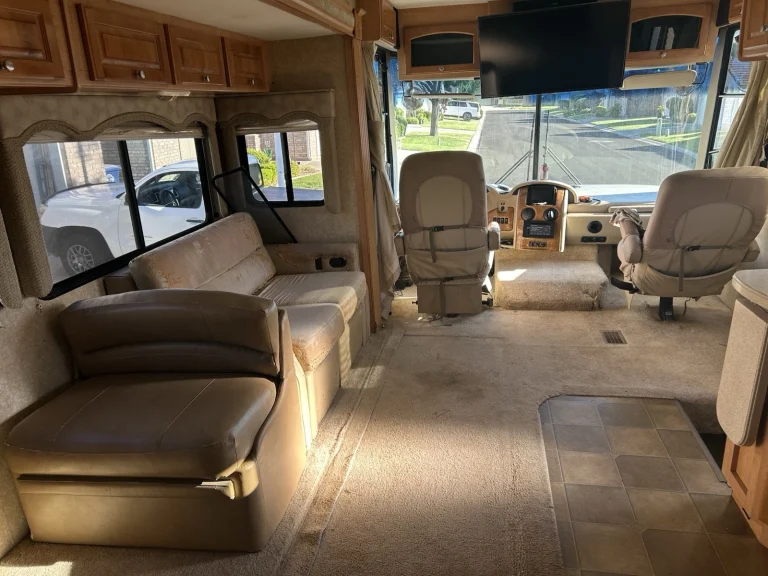
Walk inside.
Imagine spending a rainy afternoon there.
Imagine cooking dinner.
Imagine getting ready in the morning.
Imagine storing your belongings.
Ask yourself whether the layout feels natural.
Rear Living Fifth Wheels
Rear living layouts are popular among couples and long-term travelers.
They often place comfortable seating at the rear.
Large windows may provide better views.
These layouts can create a relaxing atmosphere.
If you spend a lot of time inside your RV, this type of floor plan may be worth considering.
Bunkhouse Fifth Wheels
Families may prefer bunkhouse designs.
Bunks create dedicated sleeping space.
That can prevent the living area from becoming a bedroom every night.
When you purchase a fifth wheel for family travel, consider how easily everyone can move around the trailer.
Think about storage as well.
Children require plenty of clothes, shoes, equipment, and personal items.
Toy Hauler Fifth Wheels
Toy haulers combine living quarters with cargo space.
They can be useful if you carry motorcycles, bicycles, outdoor equipment, or other recreational gear.
The garage area can sometimes serve multiple purposes.
However, toy haulers may have different weight considerations.
Make sure your truck can handle the loaded trailer.
Think About Bedroom Comfort
A bedroom should be more than a place to sleep.
When you buy fifth wheel, check mattress size.
Look at closet space.
Open cabinets.
Check whether there is room to walk around the bed.
Look for convenient outlets.
If you plan to live in the RV for extended periods, bedroom comfort becomes increasingly important.
Examine the Kitchen
A beautiful kitchen can make a fifth wheel feel like home.
When you get a fifth wheel, look beyond shiny cabinets.
Check counter space.
Open drawers.
Inspect pantry storage.
Look at refrigerator capacity.
Consider whether the stove is practical for the type of cooking you normally do.
If you enjoy preparing full meals, a tiny kitchen may quickly become frustrating.
Look at the Bathroom
Bathroom layouts vary considerably.
When you buy fifth wheel, step inside the shower.
Check headroom.
Open cabinets.
Look at ventilation.
Make sure the toilet position is comfortable.
Small design details can become surprisingly important during extended trips.
Storage Is More Important Than It Looks
Storage can determine whether your RV feels organized or cluttered.
When you purchase a fifth wheel, inspect every storage area.
Open overhead cabinets.
Check drawers.
Look under the bed.
Inspect exterior compartments.
Think about where you will keep:
- Clothing
- Food
- Shoes
- Tools
- Cleaning supplies
- Camping chairs
- Outdoor equipment
- Hoses
- Electrical cables
A smart storage system can make a smaller RV feel much more manageable.
Inspect the Exterior Carefully
Never purchase a fifth wheel based solely on interior photographs.
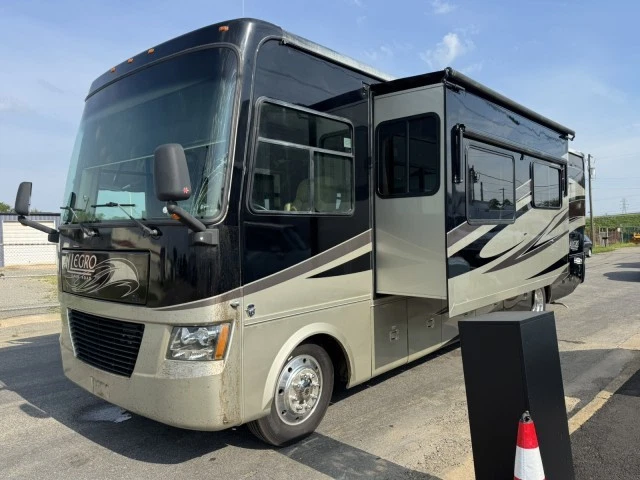
When you buy fifth wheel, walk around the entire exterior.
Look for cracks.
Check trim.
Inspect seals.
Look at windows.
Check exterior compartments.
Look for signs of previous repairs.
Pay attention to anything that looks different from the surrounding material.
Small exterior issues can sometimes indicate larger problems.
Inspect the Roof
The roof deserves special attention.
Water intrusion can cause extensive damage.
When you get a fifth wheel, inspect roof seams and seals.
Look around vents.
Check skylights.
Inspect air-conditioning units.
Look for cracked or deteriorated sealant.
If you are not comfortable inspecting the roof yourself, hire someone qualified to perform the inspection.
Watch for Water Damage
Water damage is one of the biggest concerns when you buy fifth wheel.
Check ceilings.
Look inside cabinets.
Inspect corners.
Feel the floor.
Look around windows.
Check underneath sinks.
Watch for:
- Stains
- Soft spots
- Bubbling
- Discoloration
- Musty odors
- Warped materials
Do not assume a small stain is harmless.
Ask questions about its history.
Check the Slide-Outs
Slide-outs provide additional living space.
But they also add mechanical and sealing components.
When you purchase a fifth wheel, operate every slide-out.
Make sure it moves smoothly.
Listen for unusual sounds.
Inspect seals.
Look at the floor around the slide.
Check for signs of water intrusion.
Examine the Tires
Tires should never be overlooked.
When you buy fifth wheel, check both tread and age.
Look at the sidewalls.
Search for cracking.
Ask when the tires were installed.
Old tires may require replacement even if they appear to have plenty of tread.
Inspect the Suspension
Look underneath the fifth wheel where practical.
When you get a fifth wheel, ask about suspension maintenance.
Look for obvious damage.
Ask whether components have ever been replaced.
A professional inspection can provide much more information than a quick visual check.
Check the Brakes
Proper trailer brakes are essential.
When you buy fifth wheel, ask about brake servicing.
Find out whether the brakes have been inspected recently.
Check the electrical connection.
If possible, have the braking system examined by a qualified technician.
Inspect the Hitch Area
The hitch connection is central to the entire towing system.
When you buy fifth wheel, inspect the pin box and related components.
Look for unusual wear.
Ask about previous repairs.
Make sure the hitch equipment is compatible with your truck.
Do not assume the hitch that worked for another truck will automatically be appropriate for yours.
Test the Electrical System
Turn on the lights.
Test outlets.
Check appliances.
Inspect the battery system.
When you purchase a fifth wheel, ask about the converter, inverter, batteries, and solar equipment if installed.
Check that the electrical system operates correctly on available power sources.
Test the Plumbing
Run every faucet.
Turn on the shower.
Flush the toilet.
Check hot water.
Look underneath sinks.
When you buy fifth wheel, inspect for leaks.
Ask about the freshwater tank and wastewater tanks.
Test the Appliances
Do not assume appliances work because they look clean.
When you get a fifth wheel, test the refrigerator.
Turn on the air conditioner.
Test the furnace.
Check the microwave.
Test the stove.
Operate the water heater.
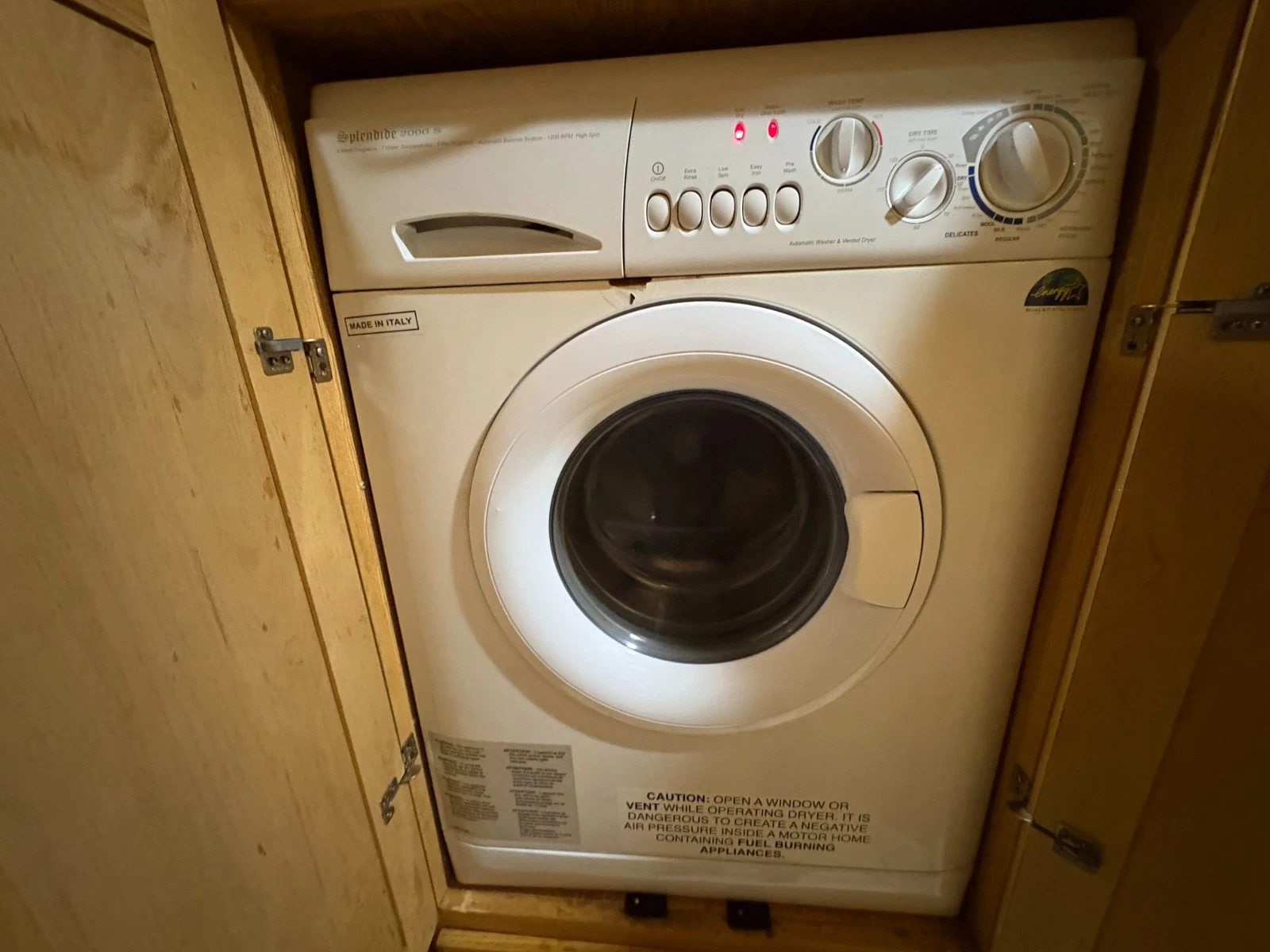
If the trailer has a washer and dryer, test those too.
Repairs can quickly add up.
Check the Generator and Solar Equipment
Some fifth wheels include generators or solar systems.
When you buy fifth wheel, ask for documentation regarding installed equipment.
Find out the battery age.
Check solar panels.
Ask about the inverter.
If a generator is included, ask about maintenance and operating hours where available.
Look at the Interior Condition
Cosmetic condition tells you something about how the trailer was treated.
When you purchase a fifth wheel, inspect:
- Flooring
- Furniture
- Cabinet doors
- Ceiling
- Walls
- Countertops
- Window coverings
- Appliances
Some cosmetic damage is easy to repair.
Structural or water-related damage is a different matter.
Check for Unusual Smells
Your nose can sometimes detect problems before your eyes do.
When you buy fifth wheel, pay attention to musty or damp odors.
A strong chemical smell may also deserve questions.
Ventilate the trailer and inspect carefully.
Do not ignore an unusual smell simply because the interior looks attractive.
Review Maintenance Records
Good records can make a used fifth wheel more appealing.
When you get a fifth wheel, ask for documentation.
Look for evidence of:
- Roof maintenance
- Tire replacement
- Brake servicing
- Wheel bearing maintenance
- Appliance repairs
- Battery replacement
- Plumbing repairs
- Electrical work
A seller who can explain the trailer’s maintenance history is generally easier to evaluate.
Verify the VIN and Paperwork
Before you buy fifth wheel, verify the vehicle identification number.
Make sure the VIN on the trailer matches the paperwork.
Review ownership documents.
Check registration requirements.
Make sure the seller has the legal authority to sell the trailer.
Never overlook documentation simply because you like the RV.
Consider an Independent Inspection
An independent inspection can be one of the smartest steps when you purchase a fifth wheel.
A professional may discover problems you would never notice during a short visit.
They can inspect areas such as:
- Roof
- Structure
- Plumbing
- Electrical systems
- Appliances
- Slide-outs
- Suspension
- Brakes
- Tires
- Seals
The inspection fee is often small compared with the cost of repairing major hidden damage.
Compare Several Fifth Wheels
Never assume the first good-looking trailer is the best option.
When you buy fifth wheel, compare several listings.
Look at similar years.
Compare lengths.
Compare floor plans.
Compare condition.
Compare included equipment.
Compare maintenance history.
Price is only one part of the equation.
How to Evaluate the Asking Price
A seller’s asking price does not necessarily represent the trailer’s true market value.
When you get a fifth wheel, compare similar models.
Consider:
- Model year
- Condition
- Mileage or usage where relevant
- Upgrades
- Tires
- Appliances
- Maintenance
- Floor plan
- Included equipment
A trailer that costs slightly more but is in excellent condition may provide better value.
Negotiate With Facts
Negotiation is easier when you have evidence.
When you buy fifth wheel, point out legitimate issues.
For example, aging tires, damaged seals, missing maintenance records, or non-functioning appliances can affect value.
Avoid making unrealistic offers.
A reasonable, well-supported offer is more likely to receive serious consideration.
Be Careful With Online Purchases
Online shopping can make it easier to purchase a fifth wheel, but it also requires additional caution.
Ask for detailed photographs.
Request videos.
Verify the seller.
Ask for documentation.
Confirm the VIN.
Ask for maintenance records.
Be cautious about unusually low prices.
Never allow excitement to replace due diligence.
Think About Delivery
If you buy fifth wheel from a distant seller, consider how you will get it home.
Will you tow it yourself?
Will you hire a transportation company?
Does your truck meet the requirements?
Are temporary permits needed?
Calculate transportation costs before agreeing to the purchase.
Consider Long-Term Maintenance
Every RV requires maintenance.
When you get a fifth wheel, expect to maintain seals, tires, brakes, batteries, plumbing, appliances, and other systems.
Routine maintenance is much easier than dealing with neglected problems.
Create a maintenance schedule.
Inspect seals regularly.
Check tires.
Monitor batteries.
Keep records.
Think About Where You Will Keep It
Storage is an important part of ownership.
Before you buy fifth wheel, measure your available space.
Check height.
Check driveway access.
Consider turning radius.
Think about whether your local area has restrictions.
If you need commercial storage, include the recurring cost in your budget.
Common Mistakes Buyers Should Avoid
Choosing the Fifth Wheel Before the Truck
The trailer must work with the truck, not the other way around.
Buying the Biggest Model
More space is not always more practical.
Ignoring Water Damage
Hidden moisture can become a major repair.
Skipping the Roof Inspection
The roof protects almost everything underneath it.
Looking Only at Tread
Tire age matters.
Forgetting Payload
Truck payload can become a limiting factor.
Buying Without Testing Appliances
Repairs can be expensive.
Ignoring Maintenance Records
History can reveal how the RV was treated.
Rushing Because of a “Limited-Time Deal”
A major purchase deserves careful thought.
Paying Before Verifying Everything
Confirm ownership, documentation, seller identity, and trailer condition.
A Smart Fifth-Wheel Buying Checklist
Before you purchase a fifth wheel, work through this checklist:
Step 1: Establish Your Budget
Include ownership costs, not just the purchase price.
Step 2: Choose Your Travel Style
Decide how and where you will use the RV.
Step 3: Select the Right Truck
Confirm payload and towing requirements.
Step 4: Choose a Suitable Size
Balance living space with maneuverability.
Step 5: Compare Floor Plans
Choose a layout that fits your household.
Step 6: Research Listings
Compare multiple options.
Step 7: Verify the Seller
Make sure ownership information is legitimate.
Step 8: Inspect the Exterior
Pay particular attention to the roof and seals.
Step 9: Inspect the Interior
Look for water damage and structural concerns.
Step 10: Test Every System
Check appliances, plumbing, electrical systems, slide-outs, and climate controls.
Step 11: Check Tires and Brakes
Safety components deserve careful attention.
Step 12: Review Documents
Verify VIN, ownership, registration, and maintenance records.
Step 13: Get an Inspection
Use an independent professional where possible.
Step 14: Calculate Transportation
Know how you will move the fifth wheel.
Step 15: Negotiate
Use comparable listings and documented issues.
Step 16: Complete the Purchase Carefully
Keep copies of important documents and agreements.
Frequently Asked Questions
Is it worth it to buy fifth wheel?
For many travelers, yes. Fifth wheels can provide substantial living space and comfortable layouts. The key is selecting a model that matches your truck, budget, and travel habits.
What should I inspect before buying?
Check the roof, seals, floor, walls, tires, brakes, suspension, hitch, plumbing, electrical systems, appliances, slide-outs, and documentation.
Is a used fifth wheel a good investment?
A well-maintained used fifth wheel can offer strong value. Condition and maintenance history are more important than simply choosing the newest model.
What truck do I need?
The correct truck depends on the fifth wheel’s loaded weight, pin weight, payload requirements, and other specifications. Always compare the trailer’s requirements with the manufacturer’s ratings for your truck.
Should I hire an RV inspector?
For a significant purchase, an independent inspection can be extremely useful. It may reveal hidden problems that are difficult for an inexperienced buyer to identify.
How do I find a good fifth-wheel deal?
Compare multiple listings, research similar models, inspect condition carefully, review maintenance records, and negotiate based on documented facts.
What is the biggest fifth-wheel buying mistake?
One of the biggest mistakes is choosing the trailer based on its appearance without first confirming that the tow vehicle can safely handle it.
Are larger fifth wheels better?
Not necessarily. Larger models provide more space but may require larger trucks, more storage, and more planning when traveling.
What should I ask a seller?
Ask about ownership, maintenance, water damage, roof repairs, tires, appliances, brakes, batteries, upgrades, accidents, and the reason for selling.
Can I buy a fifth wheel online?
Yes, but online purchases require careful verification. Request detailed photographs and videos, verify documentation and ownership, and consider an independent inspection before completing the transaction.
Final Thoughts
When you buy fifth wheel, you are making more than a simple vehicle purchase.
You are choosing a space where you may spend weekends, vacations, holidays, and perhaps months of your life.
That makes the buying decision worth taking seriously.
Start with your truck.
Then consider your budget.
Think about how you travel.
Look carefully at floor plans.
Inspect the roof.
Check for water damage.
Test the appliances.
Examine the tires.
Review maintenance records.
Verify the paperwork.
And whenever possible, have an independent professional inspect the fifth wheel before you commit.
The right fifth wheel should not simply look impressive.
It should make sense.
It should be towable by your truck.
It should fit your family.
It should offer the storage you need.
It should be practical for the places you want to visit.
And it should fit comfortably within your overall budget.
When you buy fifth wheel, patience can save you money.
There will always be another listing.
There will always be another seller.
There will always be another RV.
You do not need to rush into the first deal that catches your attention.
Instead, compare.
Inspect.
Ask questions.
Calculate the real cost.
And walk away when something does not feel right.
A carefully chosen fifth wheel can turn ordinary weekends into road trips and vacations into experiences you remember for years.
That is ultimately what makes the purchase worthwhile.
You are not just buying a trailer.
You are creating a comfortable base for seeing more places, spending more time outdoors, and traveling on your own terms.
Choose carefully, maintain it properly, and your fifth wheel can become one of the most useful pieces of equipment you ever purchase.
Related guides
- Used Travel Trailers for Sale: 23 Smart Ways to Find a Great Trailer Without Regret
- Affordable Travel Trailers: 31 Smart Ways to Find More Camper for Your Money
- Pop Up Campers for Sale: A Weekend Camper’s Field Guide to Choosing the Right One
- Used Fifth Wheels for Sale: A Practical Guide to Finding the Right RV at the Right Price
Browse more in Travel Trailers & Fifth Wheels or see all buying guides.