Quality Campers for Sale: 27 Smart Ways to Find a Camper Worth Your Money
Buying a camper can be one of those purchases you remember for years.
Not because of the paperwork.
Not because of the price.
Because of what happens after you drive it home.
A good camper can become the place where your family spends summer weekends, where friends gather after a long day outdoors, or where you wake up somewhere completely different on a Sunday morning.
That is why finding quality campers for sale is about much more than finding the cheapest listing.
You want something dependable.
You want something comfortable.
You want something that fits your vehicle, your budget, and the way you actually plan to travel.
Most importantly, you want to know that the camper you buy is worth what you pay for it.
The problem is that every advertisement sounds appealing.
“Excellent condition.”
“Like new.”
“Ready for adventure.”
“Must sell.”
Those descriptions can be useful, but they are not proof of quality.
A smart buyer learns how to look past the sales language.
This guide will show you exactly what to look for when comparing quality campers for sale, whether you are shopping for your first camper or replacing an older one.
What Makes Quality Campers for Sale Different?
Quality is not determined by one feature.
It is a combination of condition, construction, maintenance, usability, features, and value.
A camper does not have to be brand new to be high quality.
Likewise, a newer camper is not automatically a better camper.
When comparing quality campers, look at the complete picture.
A well-maintained used camper can sometimes make more sense than a newer model with unresolved problems.
Quality starts with condition
Walk around the camper slowly.
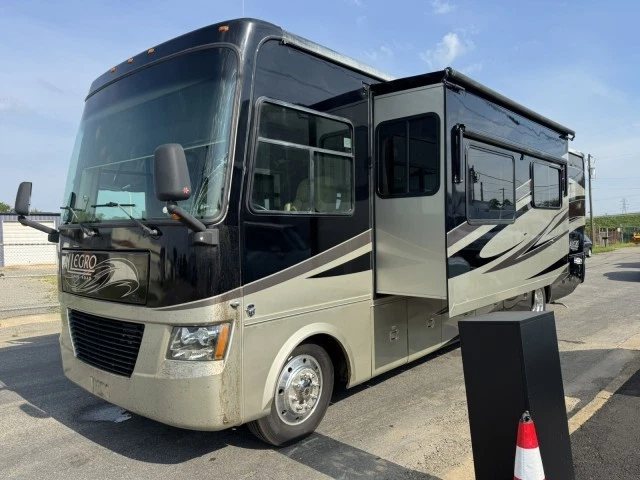
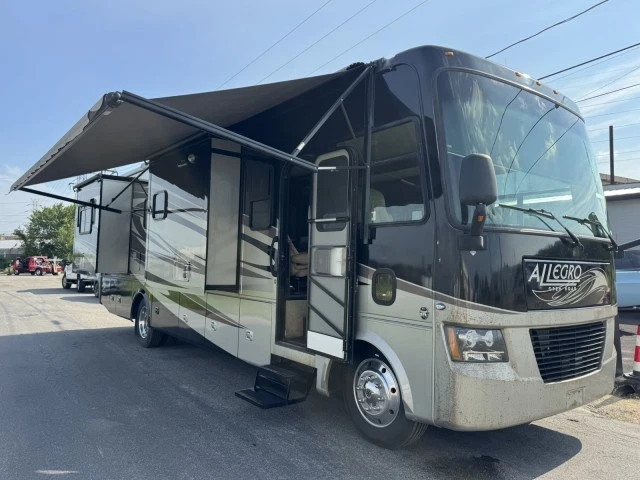
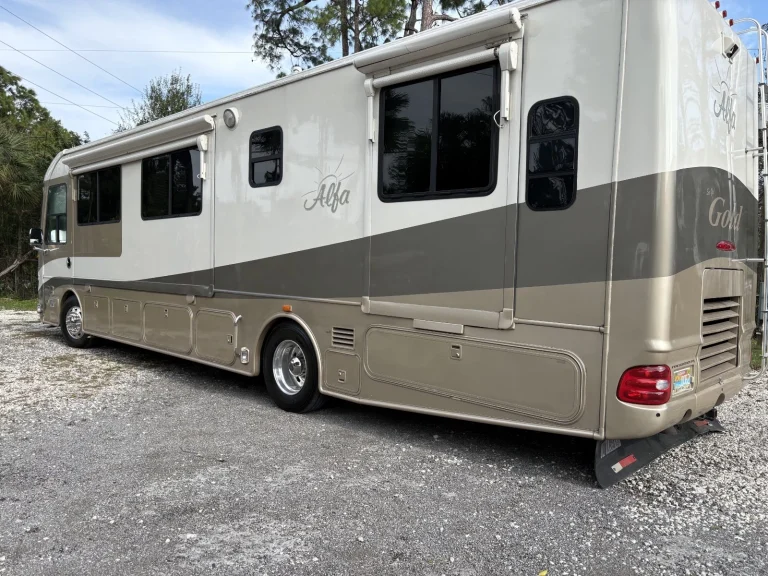
Look at the exterior.
Open the doors.
Check the roof.
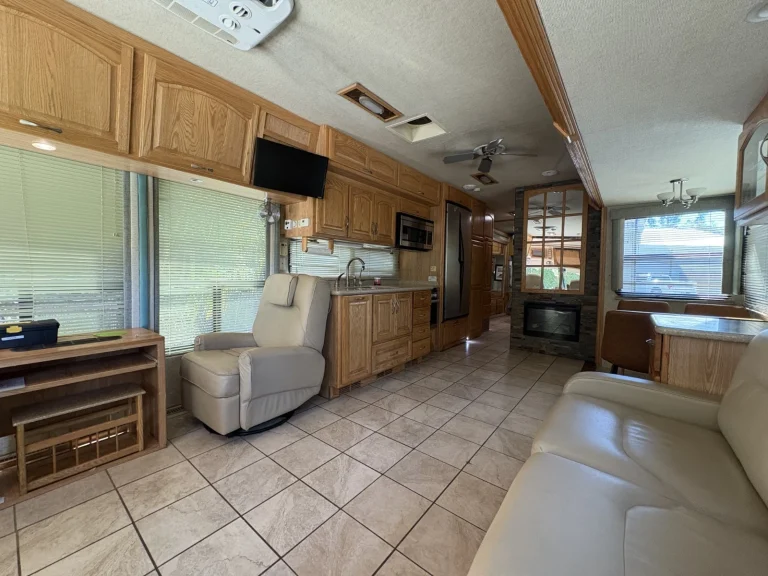
Look inside the cabinets.
Test the appliances.
Look underneath.
The more carefully you inspect, the easier it becomes to identify quality campers on the market based on facts rather than appearance.
1. Know What You Actually Need
Before browsing listings, make a short list of your requirements.
How many people will sleep inside?
How often will you travel?
What type of roads will you use?
Do you need a bathroom?
Do you want a kitchen?
How much storage do you need?
Will you tow the camper frequently?
These questions narrow the search.
There is little value in buying a huge camper if you mostly take short weekend trips.
Likewise, a tiny camper may become frustrating if you regularly travel with a large family.
The best quality campers for sale are the ones that match your lifestyle.
2. Set a Realistic Budget
Your budget should include more than the purchase price.
Think about insurance.
Registration.
Maintenance.
Storage.
Fuel.
Tires.
Batteries.
Camping equipment.
Unexpected repairs.
When searching for quality campers, leave yourself some financial breathing room.
Spending every available dollar on the camper itself can leave you short when the first maintenance expense arrives.
A slightly cheaper purchase with a repair reserve can be smarter than stretching your budget too far.
3. Choose the Right Camper Type
There are many different camper styles.
Travel trailers are popular with buyers who already own suitable tow vehicles.
Fifth wheels provide considerable interior space.
Camper vans offer a more compact travel experience.
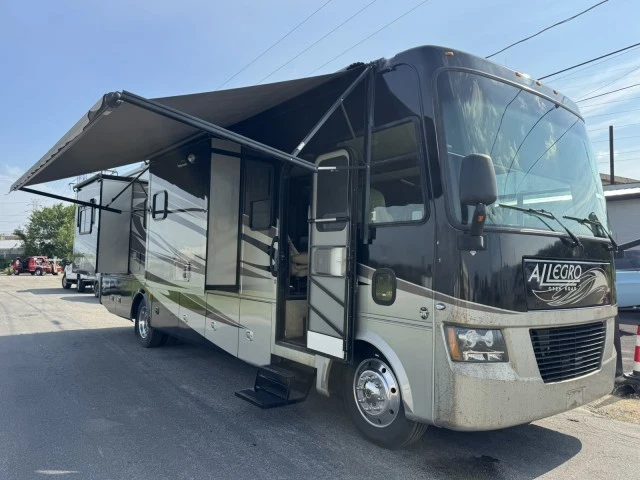
Motorhomes combine transportation and accommodation.
Pop-up campers can appeal to people who want something lightweight and simple.
When comparing quality campers on the market, begin by deciding which type works for your travel plans.
Do not choose the biggest camper simply because it has more features.
Choose the one you can comfortably use.
4. Inspect the Exterior
A camper’s exterior can tell you a surprising amount.
Walk around it in daylight.
Look for cracks.
Check panels.
Inspect windows.
Look around doors.
Examine storage compartments.
Look underneath where practical.
Minor scratches are normal on used campers.
What you are looking for is evidence of serious damage or poor repairs.
When evaluating quality campers for sale, pay particular attention to anything that looks inconsistent.
A section that appears newer than the surrounding surface may have been repaired.
That is not automatically a problem.
You simply want to know why.
5. Give the Roof Your Full Attention
The roof is one of the most important areas to inspect.
Water intrusion can cause expensive damage.
Look around vents.
Check sealant.
Inspect skylights.
Look around air-conditioning units.
Check roof edges.
Look for cracking or deterioration.
When searching for quality campers, never skip the roof because it is difficult to inspect.
If necessary, hire a qualified RV inspector.
A few minutes of inspection can potentially prevent a major repair bill.
6. Search for Water Damage
Water damage deserves special attention.
Look inside cabinets.
Check ceilings.
Inspect corners.
Look at flooring.
Examine wall surfaces.
Pay attention to musty odors.
Look for staining, bubbling, soft materials, or discoloration.
A camper can look beautiful in photographs while hiding moisture problems.
That is why buyers looking for quality campers on the market should inspect areas that are not immediately visible.
Do not be afraid to open cabinets and drawers.
7. Check the Floor
Walk across the entire floor.
Notice whether any areas feel unusually soft.
Check near doors.
Look around bathrooms.
Inspect areas underneath windows.
Pay attention to transitions between different flooring materials.
A solid floor is one small but important part of a quality camper.
When viewing quality campers for sale, unusual softness deserves investigation.
It could be harmless.
It could also indicate moisture or structural problems.
8. Test the Doors and Windows
Open and close every door.
Check locks.
Test windows.
Look at seals.
Make sure everything fits properly.
Poorly functioning doors and windows can become irritating during normal use.
They can also contribute to water intrusion.
For buyers comparing quality campers, small details like these help reveal how well the camper has been maintained.
9. Test the Plumbing
Turn on the faucets.
Check the shower.
Test the toilet.
Look under sinks.
Inspect visible plumbing connections.
Check for leaks.
Do not simply look at the water system.
Use it.
Plumbing problems are much easier to identify before purchase than after your first camping trip.
When evaluating quality campers on the market, a properly functioning water system should be high on your checklist.
10. Inspect the Electrical System
Turn on the lights.
Test outlets.
Check switches.
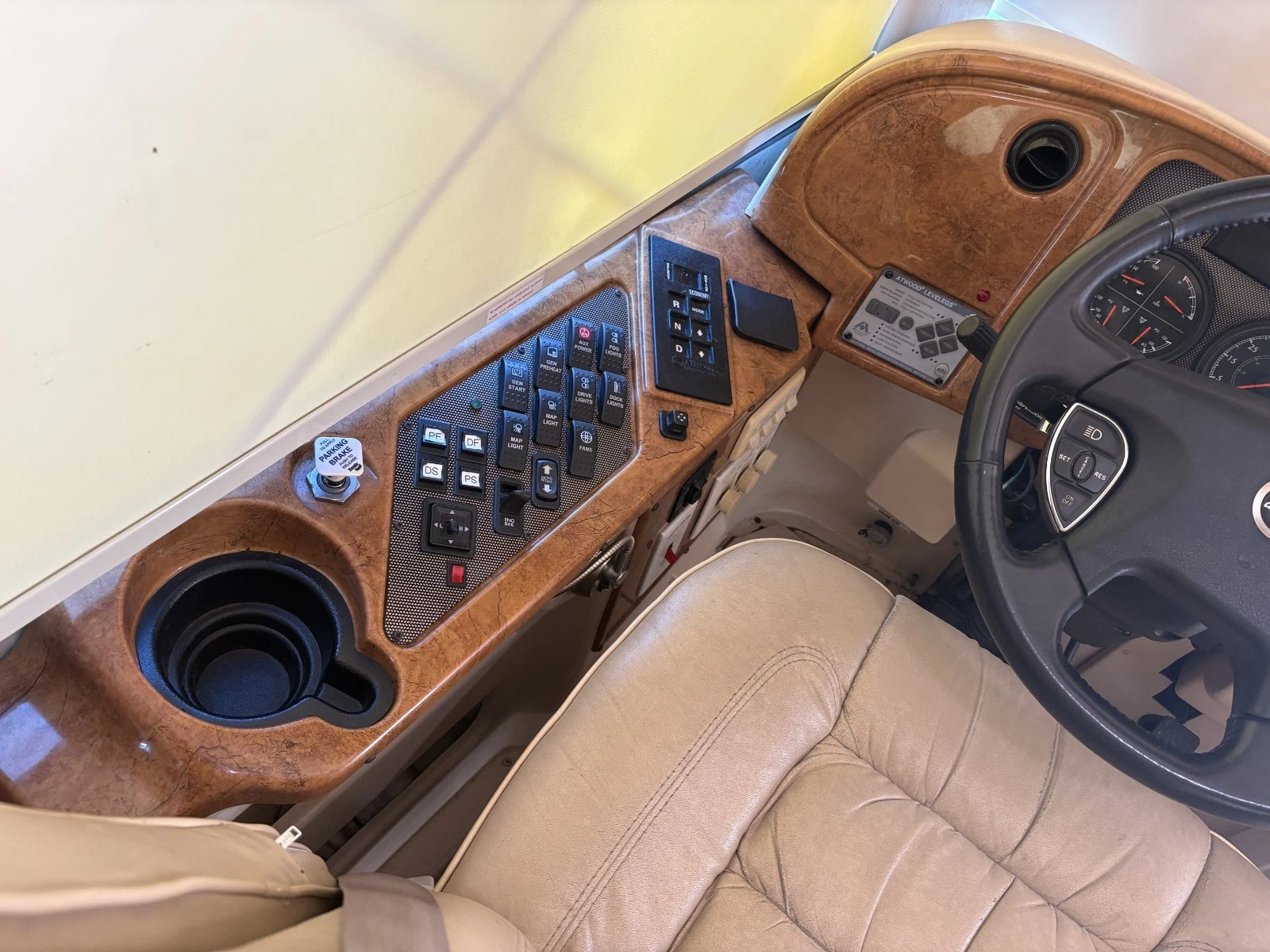
Look at the control panel.
Test the electrical equipment that you expect to use.
If the camper has batteries, ask about their age.
If it has an inverter, ask how it has been maintained.
Electrical systems are easy to ignore during a quick walk-through.
Do not make that mistake.
Buyers searching for quality campers for sale should verify that the camper’s electrical equipment actually works.
11. Test the Heating and Air Conditioning
Camping weather can change quickly.
A comfortable camper should be able to handle those changes.
Test the air conditioning.
Test the heating system.
Listen for unusual sounds.
Check airflow.
Give the systems enough time to operate.
When comparing quality campers, climate control is not simply a luxury.
For many camping situations, it is an important part of comfort.
12. Inspect the Kitchen
You do not need a restaurant-sized kitchen.
You need one that works for you.
Open the cabinets.
Check storage.
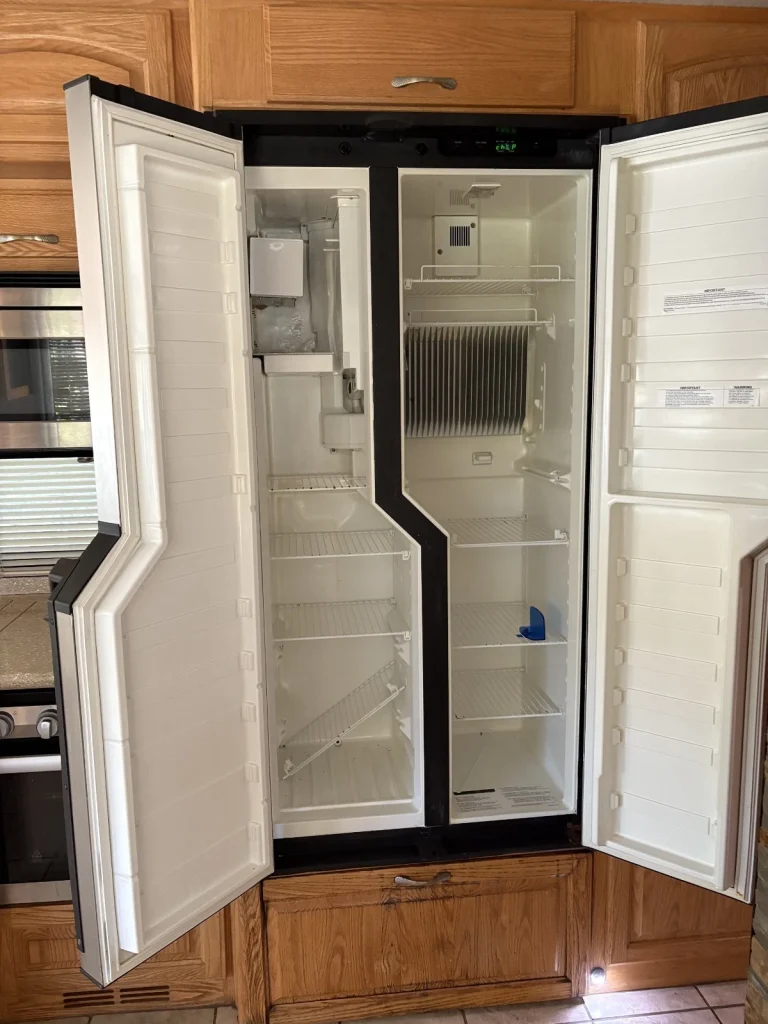
Test the refrigerator.
Inspect the stove.
Run the faucet.
Look at the counter space.
Think about how you prepare meals.
A couple who mostly cooks outdoors may have different requirements from a family that prepares breakfast and dinner inside.
That is why quality campers on the market should be judged according to how you intend to use them.
13. Check the Sleeping Space
Sleeping arrangements can make or break an RV trip.
Check the bed dimensions.
Look at mattress condition.
Consider access.
Think about how many people will sleep inside.
If children are coming along, consider their sleeping areas carefully.
A camper that technically sleeps six people may not feel comfortable for six people.
When viewing quality campers for sale, imagine everyone settling down for the night.
14. Examine Storage
Storage is one of those things you rarely appreciate until you run out of it.
Camping gear takes space.
Clothing takes space.
Food takes space.
Bedding takes space.
Outdoor equipment takes space.
Open every storage compartment you can.
Look inside cabinets.
Check exterior storage.
Imagine packing for a week.
When comparing quality campers, practical storage can be more valuable than decorative features.
15. Check the Tires
Tires deserve serious attention.
Look at tread.
Inspect sidewalls.
Check for cracking.
Look for uneven wear.
Consider tire age.
Remember that low mileage does not necessarily mean young tires.
Tires deteriorate over time as well as through use.
When inspecting quality campers for sale, determine whether the current tires are ready for continued travel or likely to require replacement.
16. Inspect the Hitch and Towing Equipment
For towable campers, the hitch system is critical.
Inspect the hitch.
Check safety chains.
Look at the electrical connector.
Review the braking system.
Make sure everything appears appropriate for the intended tow vehicle.
Do not choose a camper first and worry about towing later.
When searching for quality campers on the market, verify that your vehicle can safely handle the camper and its loaded weight.
17. Understand Towing Capacity
Check your vehicle’s manufacturer’s specifications.
Consider the camper’s weight.
Consider cargo.
Consider passengers.
Consider hitch weight and payload requirements.
Do not rely solely on what a salesperson or seller tells you.
The numbers matter.
Choosing a camper that is comfortably within your vehicle’s capabilities can make towing more enjoyable.
This should always be part of your evaluation of quality campers.
18. Ask for Maintenance Records
Maintenance records can tell you a story.
They show whether the previous owner paid attention to the camper.
Ask when the tires were replaced.
Ask about roof maintenance.
Ask about batteries.
Ask about appliances.
Ask whether repairs were completed.
Ask about water damage.
When comparing quality campers for sale, documented maintenance can give you additional confidence.
A seller who can clearly explain the camper’s history is often easier to evaluate.
19. Ask How It Was Stored
Storage conditions matter.
Was the camper kept under cover?
Was it parked outside?
Was it exposed to harsh weather?
Was it winterized when necessary?
Was it regularly inspected while sitting?
These questions can reveal how the camper was treated between trips.
When looking at quality campers on the market, storage history can help explain current condition.
20. Investigate the Ownership History
Ask how long the seller has owned the camper.
Find out how frequently it was used.
Ask what kind of trips it took.
Was it used every weekend?
Was it used only a few times a year?
Was it a full-time residence?
Was it rented?
The answers provide useful context.
Two campers with similar mileage can have completely different histories.
That is why quality campers should always be evaluated with ownership history in mind.
21. Compare the Floor Plans
Floor plan matters more than many buyers expect.
Walk through the camper.
Sit at the dining area.
Stand in the kitchen.
Open the bathroom door.
Try the sleeping areas.
Imagine moving around when several people are inside.
A practical layout can make a smaller camper feel comfortable.
An awkward layout can make a large camper feel cramped.
When shopping for quality campers for sale, choose the floor plan that makes daily life easier.
22. Look at Build Quality
Pay attention to how things feel.
Open cabinet doors.
Operate drawers.
Check hinges.
Look at trim.
Inspect seams.
Examine furniture.
You do not need to be a construction expert.
You simply need to notice whether the camper feels carefully assembled and properly maintained.
When comparing quality campers on the market, these small details can help separate a well-kept unit from one that has received rough treatment.
23. Test the Appliances
Do not assume appliances work.
Turn them on.
Check the refrigerator.
Test the stove.
Try the microwave.
Check the water heater.
Test climate-control equipment.
If something does not work, ask why.
A broken appliance does not automatically mean you should walk away.
But you should know the repair cost before making an offer.
That is essential when comparing quality campers.
24. Check the Generator
If the camper has a generator, ask about its service history.
Find out how frequently it was operated.
Ask when it was last serviced.
If possible and safe, test its operation.
Generator hours can provide useful information that road mileage does not.
For some buyers, generator condition can significantly affect the value of quality campers for sale.
25. Review the Paperwork
Before purchasing, verify the documentation.
Check the vehicle identification information.
Review the title.
Confirm ownership.
Look over maintenance records.
Make sure the transaction details are clear.
Do not allow excitement to make you careless with paperwork.
A good camper should come with a straightforward purchasing process.
When buying quality campers on the market, documentation should be treated as part of the overall condition assessment.
26. Compare Market Prices
Do some research before making an offer.
Compare similar models.
Look at age.
Look at condition.
Look at features.
Look at mileage.
Look at maintenance history.
Look at location.
You do not need to become an RV pricing expert.
You simply need enough information to recognize when an asking price seems reasonable.
Comparing several quality campers can give you a much better understanding of what your budget can buy.
27. Get a Professional Inspection
If you are making a major purchase, a professional inspection can be worthwhile.
An experienced RV inspector may find problems you would not notice.
They can examine areas such as the roof, structure, plumbing, electrical systems, appliances, and other components.
The inspection costs money.
But discovering a major hidden problem after purchase can cost considerably more.
For buyers considering quality campers for sale, professional inspection can provide valuable peace of mind.
Quality Does Not Always Mean Expensive
This is an important point.
You do not necessarily need the most expensive camper to get good quality.
A used camper can provide excellent value.
An older model with careful maintenance may be more attractive than a newer unit that has been neglected.
The goal is not to find the highest price.
It is to find the best combination of condition, features, usability, and cost.
That is the real meaning of value when searching for quality campers on the market.
New vs. Used Campers
Both options have advantages.
A new camper may offer the latest design, modern features, and manufacturer support.
A used camper may offer more equipment for your budget.
Depreciation can also make certain used models attractive to buyers.
The important thing is condition.
When comparing quality campers, do not automatically assume new is better.
Instead, compare the complete package.
How to Tell if a Camper Is Worth the Asking Price
Price should always be considered alongside condition.
Imagine two campers.
One costs less but needs tires, batteries, roof work, and appliance repairs.
The other costs more but has good maintenance records, newer tires, functioning appliances, and a clean inspection.
The second camper may actually be the better value.
This is why buyers looking at quality campers for sale should think in terms of total cost rather than purchase price alone.
Calculate Your First-Year Costs
Write down the likely expenses.
Purchase price.
Insurance.
Registration.
Storage.
Maintenance.
Tires.
Batteries.
Camping equipment.
Potential repairs.
Then compare that number with your budget.
A realistic calculation makes shopping for quality campers on the market much less stressful.
Questions to Ask a Camper Seller
Before you visit, prepare your questions.
Ask:
How long have you owned it?
Why are you selling it?
Where was it stored?
How often was it used?
Has it ever leaked?
Have there been major repairs?
When were the tires replaced?
When were the batteries replaced?
Are all appliances working?
Do you have maintenance records?
A straightforward seller should be willing to answer reasonable questions.
When evaluating quality campers for sale, the seller’s answers can be as useful as the camper itself.
Why a Test Trip Can Be a Smart Idea
If possible, take a short trip after purchase before planning a major vacation.
Stay somewhere relatively close to home.
Use the kitchen.
Sleep in the camper.
Test the bathroom.
Run the electrical equipment.
Try the heating or cooling.
This gives you a chance to discover what works and what you want to improve.
Even excellent quality campers can require some personalization before they become perfect for your family.
Build Your Own Camper Inspection Checklist
A simple checklist can keep you focused.
Write down:
- Roof condition
- Exterior condition
- Interior condition
- Signs of water damage
- Floor condition
- Tires
- Hitch
- Brakes
- Plumbing
- Electrical system
- Appliances
- Heating
- Air conditioning
- Generator
- Batteries
- Storage
- Sleeping areas
- Kitchen
- Bathroom
- Maintenance records
- Ownership history
- Documentation
- Asking price
Use the same checklist for every camper.
That makes it much easier to compare quality campers on the market without getting distracted by flashy interiors or persuasive sales language.
Do Not Ignore Small Problems
Small problems are not always insignificant.
A damaged seal can allow water inside.
An old battery can leave you without power.
A worn tire can become a safety concern.
A minor plumbing leak can become a larger problem.
That does not mean you should reject every camper with an imperfection.
Instead, understand the issue.
Find out what it will cost to repair.
Then use that information when deciding whether the camper represents good value.
That is how experienced buyers approach quality campers for sale.
Think About Where You Will Camp
Your destination matters.
If you mostly stay at established campgrounds, hookups and campground facilities may reduce the need for certain onboard equipment.
If you prefer remote camping, battery capacity, water storage, generator capability, and other features may become much more important.
Your camping style should influence your purchase.
The best quality campers are not necessarily the ones with the longest feature list.
They are the ones with the features you will actually use.
Think About Family Comfort
If you travel with family, comfort matters.
Everyone needs enough room.
Sleeping arrangements should work.
Storage should be practical.
The kitchen should be usable.
The bathroom should be accessible.
There should be enough seating.
When comparing quality campers on the market, imagine the camper during a rainy afternoon when everyone is inside.
If the layout still works, that is a good sign.
Think About Long-Term Use
Try not to choose only for your first trip.
Consider the next few years.
Will your family grow?
Will you travel farther?
Will you need more storage?
Will your camping style change?
A camper that fits your future needs can provide better value.
When searching for quality campers for sale, think beyond the excitement of the first weekend.
How to Negotiate With Confidence
Good negotiation begins with information.
Research comparable campers.
Understand repair costs.
Know the condition.
Review maintenance records.
If an inspection identifies issues, use those findings during negotiation.
You do not need to be aggressive.
Be respectful.
Be realistic.
Make an offer that reflects the camper’s actual condition.
When negotiating for quality campers, facts give you a stronger position than emotion.
The Biggest Mistakes to Avoid
Several mistakes appear repeatedly among first-time RV buyers.
Buying too quickly.
Ignoring water damage.
Forgetting about tire age.
Failing to check towing capacity.
Skipping the test drive.
Not testing appliances.
Ignoring maintenance records.
Spending the entire budget on the purchase.
Letting a beautiful interior override obvious problems.
Avoiding these mistakes makes it much easier to find quality campers on the market that provide genuine value.
What Should You Bring When Viewing a Camper?
Bring a flashlight.
Bring your phone.
Bring a notebook.
Bring your inspection checklist.
Wear comfortable shoes.
Give yourself enough time.
The goal is not to rush.
The goal is to understand what you are looking at.
When inspecting quality campers for sale, patience is one of your best tools.
The Emotional Side of Buying an RV
There is nothing wrong with getting excited.
You should.
That excitement is part of what makes RV ownership fun.
But do not let excitement make the decision for you.
Take a breath.
Look again.
Ask questions.
Check the roof.
Test the appliances.
Review the documents.
Then decide.
When shopping for quality campers, a little patience can prevent a lot of regret.
A Simple Rule for Choosing the Right Camper
Here is an easy rule to remember:
Buy the camper that fits your lifestyle, not the camper that impresses you the most.
The biggest camper may not be the most practical.
The newest camper may not be the best value.
The cheapest camper may not be the cheapest to own.
And the most attractive camper may hide problems.
The right choice is the camper that balances condition, price, comfort, features, and usability.
That is exactly what you should look for when comparing quality campers on the market.
Final Thoughts
Finding a good camper does not require you to know everything about RVs.
You simply need to ask the right questions and inspect the right things.
Look beyond the photographs.
Look beyond the sales description.
Look beyond the asking price.
Check the roof.
Look for water damage.
Test the plumbing.
Check the electrical system.
Inspect the tires.
Verify towing requirements.
Test appliances.
Review maintenance records.
Check the paperwork.
Compare similar campers.
And when the purchase is significant, consider a professional inspection.
The best quality campers for sale are not necessarily perfect.
They are campers whose condition makes sense for their age, price, history, and intended use.
That is the standard worth aiming for.
Remember that you are not simply purchasing a box on wheels.
You are buying a way to travel.
You are buying convenience.
You are buying opportunities to explore places you have never seen.
You are buying mornings with coffee outside the camper.
You are buying evenings around a fire.
You are buying family stories that will probably be remembered long after the trip is over.
So take your time.
Choose carefully.
And when you finally find quality campers that check the important boxes, you can move forward knowing you made the decision based on more than a shiny advertisement.
The right camper is waiting for the right buyer.
Your job is to recognize it when you find it.
Frequently Asked Questions
What are quality campers for sale?
The phrase generally refers to campers that offer a strong combination of condition, functionality, construction, features, maintenance, and value. Quality does not necessarily mean brand new.
How can I identify a quality camper?
Inspect the roof, exterior, interior, floor, plumbing, electrical systems, appliances, tires, hitch, and documentation. Maintenance history is also important when evaluating quality campers on the market.
Are used campers worth buying?
Yes. A well-maintained used camper can offer excellent value and may provide more features for your budget than a comparable new model.
What is the most important thing to check?
Water intrusion deserves particular attention. Inspect the roof, ceiling, walls, flooring, cabinets, and areas around windows for signs of moisture.
Should I get a professional inspection?
For a significant purchase, a professional RV inspection can be worthwhile. An inspector may identify problems that are easy to miss during a normal walk-through of quality campers for sale.
How much should I spend on a camper?
Spend an amount that fits comfortably within your overall budget. Leave additional money for insurance, registration, storage, maintenance, accessories, tires, batteries, and unexpected repairs.
Can I tow any camper with my vehicle?
No. Always check your vehicle’s rated towing capacity, payload, hitch requirements, and other specifications before purchasing a towable camper.
What should I ask the seller?
Ask about ownership history, maintenance, storage, water damage, repairs, tires, batteries, appliances, and the reason for selling. These answers can help you compare quality campers.
Are older campers good purchases?
They can be. Age alone does not determine quality. An older camper that has been properly maintained may be a better purchase than a newer camper that has been neglected.
Should I negotiate the asking price?
You can. Research comparable campers and use legitimate maintenance or repair costs to support your offer. Condition and evidence should guide your negotiation.
What makes a camper a good value?
A good value combines an appropriate price with sound condition, useful features, manageable ownership costs, and a layout that suits your lifestyle.
Should I focus on the cheapest camper?
Not necessarily. A low purchase price can become expensive if the camper needs major repairs. When comparing quality campers for sale, focus on total value rather than price alone.
How can I prepare a camper for its first trip?
Check tire pressure, inspect the hitch, test plumbing and electrical systems, verify appliances, check fluid levels where appropriate, and take a short local trip before planning a long journey.
Related guides
- Best Campers for Families: 23 Real-Life Things Parents Should Know Before Buying
- Family Campers for Sale: 27 Things to Know Before Choosing the Right One
- New Campers for Sale: A Practical Guide to Choosing the Right Camper for Your Next Adventure
- Used Campers for Sale by Owner: A Practical Guide to Finding a Great Deal
Browse more in Campers for Sale or see all buying guides.