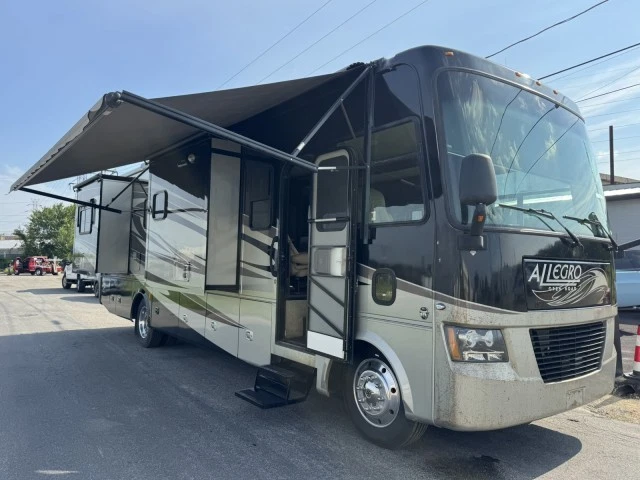
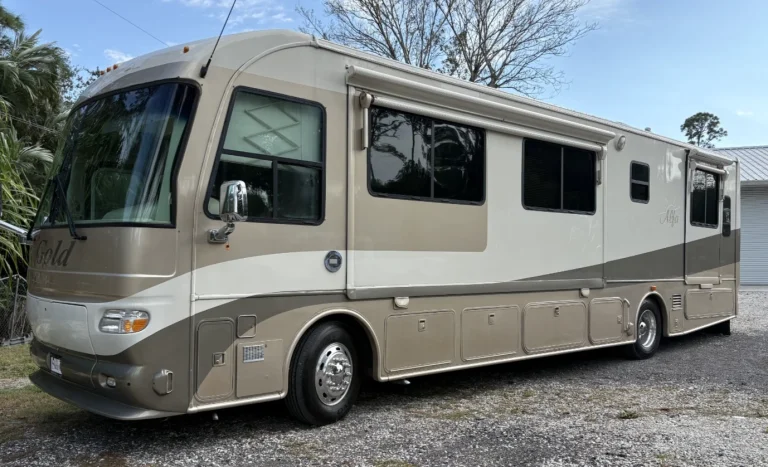
Large Campers for Sale: 25 Smart Buying Lessons Before You Choose One
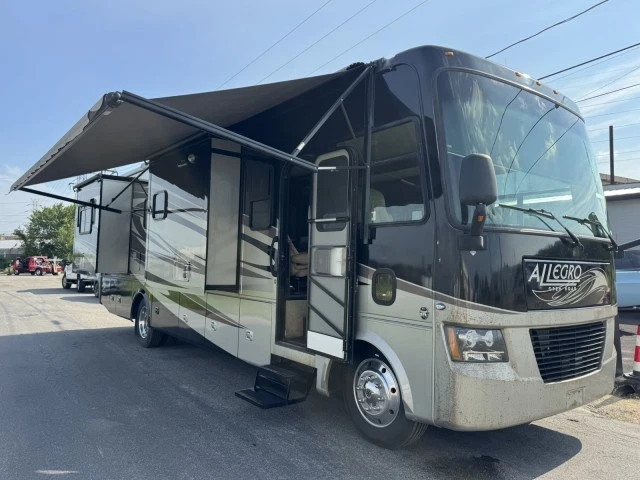
Buying a bigger camper sounds easy.
You see the extra room, the larger kitchen, the comfortable bedroom, and the generous storage, and the decision can seem obvious.
Then you start thinking about towing.
Parking.
Fuel.
Maintenance.
Campsites.
Insurance.
Suddenly, choosing between different large campers for sale becomes much more complicated.
The truth is that bigger can be wonderful when the additional space genuinely fits your lifestyle. It can also become an expensive headache when you buy more camper than you can comfortably use.
That is why smart buyers look beyond appearances.
This guide takes a practical approach to large campers for sale, focusing on the things that can make a major difference after the excitement of purchase day has disappeared.
If you are considering a large camper for family trips, extended vacations, seasonal travel, or longer stays on the road, these are the questions worth asking before you commit.
1. Decide Why You Want a Large Camper
Start with the reason.
Why do you want more space?
Some buyers need additional sleeping capacity. Others want a bigger bathroom, a proper kitchen, more storage, or a comfortable living room.
When browsing large campers, knowing your reason helps prevent unnecessary spending.
If you regularly travel with several people, additional space can be extremely valuable.
If you normally travel alone or as a couple, however, you may discover that a smaller camper provides everything you actually need.
Bigger should solve a problem.
It should not simply create another one.
2. More Space Can Change the Entire Camping Experience
There is something genuinely appealing about walking into a spacious camper after spending a long day outside.
You can sit down without feeling crowded.
You can prepare dinner while someone else watches television.
You can move around without constantly stepping over bags.
That is one of the biggest advantages of large campers on the market.
Space becomes particularly valuable during poor weather.
A small camper can feel fine when everyone is outdoors.
When rain keeps everyone inside for eight hours, extra floor space suddenly feels priceless.
3. Do Not Judge Size From Photographs
Online photographs can be misleading.
Wide-angle lenses can make interiors look considerably larger than they feel in person.
When comparing large campers for sale, try to inspect the actual floor plan carefully.
Look at measurements.
Check doorway widths.
Measure beds.
Measure storage compartments.
Pay attention to the distance between furniture.
A camper can have a large overall footprint while still having awkward interior spaces.
The arrangement of the space matters just as much as the amount of space.
4. Floor Plan Beats Square Footage
Two campers can be nearly identical in size and feel completely different inside.
One may have excellent traffic flow.
The other may have furniture blocking important areas.
When looking at large campers, imagine several people moving through the camper simultaneously.
Someone is cooking.
Someone needs the bathroom.
Another person is opening the refrigerator.
Someone else is entering through the main door.
Does everything still work?
A smart floor plan makes a large camper feel even larger.
A poor floor plan can make a big camper feel surprisingly cramped.
5. Think About Your Tow Vehicle Before Shopping
This is one of the biggest mistakes new buyers make.
They choose the camper first.
Then they discover their vehicle is not suitable for towing it.
Before seriously comparing large campers on the market, determine what your tow vehicle can safely and legally handle.
Look at the manufacturer’s specifications.
Consider towing capacity, payload, hitch limitations, passengers, cargo, and the camper’s actual loaded weight.
Do not rely on a salesperson saying, “Your truck should be fine.”
Verify the numbers yourself.
6. Towing a Large Camper Requires Confidence
Even when a vehicle can technically tow a camper, the experience may not be ideal.
Large large campers for sale can have substantial length and weight.
That affects braking, acceleration, cornering, reversing, and maneuvering.
If you are new to towing, consider how comfortable you are with the dimensions.
Practice matters.
A camper that looks fantastic at a dealership can feel very different when you are backing it into a campsite.
7. Consider Where You Actually Camp
A huge camper is excellent at a spacious campground.
It can be less convenient at smaller locations.
Before choosing among large campers, make a list of your favorite camping destinations.
Are they large commercial campgrounds?
State parks?
Private campgrounds?
Remote locations?
Seasonal sites?
Your destinations can determine whether a large camper is a great choice or a constant compromise.
8. Bigger Does Not Mean You Have to Sacrifice Mobility
Some buyers assume that a large camper automatically means difficult travel.
Not necessarily.
Good planning can make ownership much easier.
You can choose suitable routes, reserve appropriate campsites, learn how your vehicle handles the camper, and become comfortable with parking and setup.
Still, when comparing large campers on the market, be honest about how much driving and maneuvering you want to do.
If you enjoy moving every day, a massive setup may eventually become tiring.
If you stay for a week or more at each destination, the extra space may be worth it.
9. Look Closely at the Bedroom
A larger camper gives manufacturers room to create better sleeping arrangements.
That can be a major advantage.
When inspecting large campers for sale, look beyond whether the camper has a “queen” or “king” bed.
Check mattress quality.
Look at bedroom storage.
Check walking space.
See whether there are outlets near the bed.
Look at ventilation and windows.
A comfortable bedroom becomes increasingly important during longer trips.
10. Storage Is One of the Biggest Advantages
One reason people search for large campers is storage.
More space can mean larger closets, bigger cabinets, exterior compartments, pantry space, and room for equipment.
But do not assume every large camper has excellent storage.
Open everything.
Look behind doors.
Check exterior compartments.
Inspect the storage beneath beds.
Think about what you actually carry.
Camping chairs, grills, tools, clothes, food, sporting equipment, hoses, and outdoor gear add up quickly.
11. Pay Attention to Weight Distribution
A camper can have plenty of storage and still be poorly loaded.
When comparing large campers for sale, consider where the storage compartments are located.
Heavy items should be managed carefully.
Uneven loading can affect towing behavior.
Always follow the manufacturer’s loading recommendations and stay within specified weight limits.
The goal is not simply to carry everything.
It is to carry what you need safely.
12. A Bigger Kitchen Can Be Worth the Investment
For people who cook frequently, a large kitchen is one of the most useful upgrades.
You may get more counter space, a larger refrigerator, additional cabinets, better cooking appliances, and a more comfortable workspace.
Among large campers on the market, kitchen design can vary significantly.
Do not judge the kitchen from its appliance list alone.
Stand at the counter.
Open the refrigerator.
Open cabinet doors.
Imagine preparing breakfast with another person walking through the camper.
If the kitchen works naturally, that matters.
13. Bathrooms Deserve Serious Attention
A larger camper often allows for a more comfortable bathroom.
That can make a huge difference during extended trips.
When comparing large campers, inspect the shower carefully.
Can you stand comfortably?
Is there enough storage?
Does the door open without hitting something?
Is the toilet positioned sensibly?
Can someone access the bathroom while another person is using the kitchen?
Small details become important when the camper is occupied every day.
14. Separate Bedrooms Can Add Privacy
Large campers can offer more privacy than smaller models.
That is especially useful for families or groups.
Some large campers for sale provide separate sleeping areas, bunk rooms, sliding doors, or divided living spaces.
Think about who will be traveling with you.
Privacy may not matter much on a weekend trip.
It can matter enormously during a month-long journey.
15. Living Room Comfort Matters
The living room is where people often spend the most time.
Look at seating.
Can everyone sit comfortably?
Are the seats supportive?
Can you see the television without twisting your neck?
Is there enough space to walk around?
When comparing large campers on the market, sit in the furniture for several minutes.
Do not simply stand inside and look around.
Actually use the space.
16. Climate Control Becomes More Important With More Interior Space
A large camper has more interior volume to heat and cool.
That means climate-control performance matters.
When inspecting large campers, look at the heating and cooling systems.
Consider the climate where you normally camp.
Ask whether the camper has adequate ventilation.
Look at windows and insulation.
A spacious camper should remain comfortable when temperatures outside become uncomfortable.
17. Technology Should Make Life Easier
Modern campers can include plenty of technology.
Entertainment systems, monitoring panels, connectivity equipment, smart controls, charging ports, and other conveniences can be useful.
But when comparing large campers for sale, do not let technology distract you from fundamentals.
A camper with excellent electronics but poor construction is not a smart purchase.
Prioritize structure, layout, condition, towing requirements, and reliability first.
Technology comes afterward.
18. Think About Electricity
Large campers can encourage larger electrical demands.
More appliances.
More lights.
More entertainment equipment.
More charging.
More climate-control requirements.
When evaluating large campers on the market, think about where you will camp.
If you normally use full hookups, electrical demands may be easier to manage.
If you enjoy camping without hookups, power management becomes much more important.
Understand the camper’s electrical system before purchasing.
19. Check the Exterior Storage
Interior storage gets most of the attention.
Exterior storage can be just as valuable.
When inspecting large campers for sale, open every exterior compartment.
Check its size and accessibility.
Look for signs of water intrusion.
Think about what equipment could realistically fit inside.
The best storage compartment is not necessarily the largest one.
It is the one you can access easily when you need it.
20. Inspect the Roof and Seals
Water is one of the most serious concerns when buying a camper.
This is particularly important with used large campers.
Inspect roof seams, vents, windows, doors, and other openings.
Look for staining, soft materials, unusual odors, bubbling, or evidence of previous repairs.
If you are not comfortable evaluating these areas yourself, consider paying for a professional inspection.
A professional inspection can cost money.
Repairing hidden water damage can cost much more.
21. Do Not Let a Beautiful Interior Distract You
This is another common buying mistake.
A freshly detailed camper can look incredible.
New cushions.
Clean floors.
Shiny cabinets.
Bright lighting.
Beautiful appliances.
All of that is nice.
But when comparing large campers on the market, remember that cosmetic appearance does not tell you everything about structural condition.
Look underneath the surface.
Ask questions.
Check maintenance records.
Inspect carefully.
Beauty should support your decision, not make the decision for you.
22. Used Large Campers Can Offer Excellent Value
Buying used is not automatically a compromise.
A carefully maintained used camper can provide plenty of space without the price of a brand-new model.
When searching for large campers for sale, consider the entire condition of the camper rather than focusing only on its age.
A well-maintained older camper can be more attractive than a newer unit that has been neglected.
Look for evidence of regular maintenance.
Check tires.
Inspect seals.
Test appliances.
Examine the interior.
Ask about storage history.
23. New Campers Offer Their Own Advantages
New large campers can offer current floor plans, modern equipment, updated interiors, and manufacturer warranty coverage.
For some buyers, those advantages justify the additional cost.
The key is determining what matters to you.
If you want the latest features and prefer starting fresh, a new camper may make sense.
If controlling the purchase price is more important, used options may deserve closer attention.
24. Calculate Ownership Costs
The purchase price is only one part of the equation.
Before buying large campers on the market, consider fuel, insurance, storage, maintenance, tires, campground fees, registration, accessories, and repairs.
Large campers can also require more capable tow vehicles.
If you need to upgrade your vehicle, include that expense in your budget.
A camper that fits your purchase budget but destroys your monthly budget is not really affordable.
25. Ask Whether You Will Actually Use the Space
This question can save you a lot of money.
Imagine your normal camping trips.
How many people are there?
How long do you stay?
How much time do you spend inside?
Do you need multiple bedrooms?
Do you carry lots of equipment?
Do you cook inside?
Do you travel frequently?
If you spend most of your time outdoors and rarely travel with a large group, a smaller option might be more practical.
If you regularly host family members or spend weeks on the road, large campers for sale may provide exactly the comfort you need.
Common Mistakes Buyers Make
Buying for the Occasional Trip
Some people buy an enormous camper because they imagine themselves taking long vacations every year.
Then reality arrives.
The camper sits in storage most of the time.
Before purchasing large campers, consider your actual travel history rather than your ideal travel schedule.
Buy for the life you are likely to live.
Ignoring Setup Time
Large campers can take more time to position and set up.
That is not necessarily a problem.
But it should be considered.
If you move campsites frequently, setup convenience matters.
If you stay in one location for weeks, it matters less.
Forgetting About Storage at Home
Where will the camper go when you are not traveling?
Measure your driveway.
Check local restrictions.
Consider storage facilities if necessary.
Before purchasing large campers for sale, solve the storage question first.
It is better to know the answer before the camper arrives.
How to Compare Large Campers for Sale
A simple comparison sheet can make the process much easier.
Create columns for:
- Purchase price
- Length
- Loaded weight
- Sleeping capacity
- Bathroom design
- Kitchen size
- Storage
- Bedroom layout
- Climate control
- Power system
- Exterior storage
- Maintenance history
- Tow vehicle requirements
- Warranty
- Estimated ownership cost
Then score each option.
When comparing large campers on the market, do not allow one impressive feature to hide five weaknesses.
The best camper should perform well across the categories that matter most to you.
Questions to Ask the Seller
Before buying large campers, ask direct questions.
Has the camper ever leaked?
Has it had structural repairs?
Are all appliances working?
How old are the tires?
When was the roof last inspected?
Where was the camper stored?
Are maintenance records available?
Has the camper been involved in an accident?
Why is it being sold?
The answers can reveal a great deal.
If something feels unclear, ask for documentation.
Is a Large Camper Right for Full-Time Living?
It can be.
For some people, additional space makes extended RV living far more comfortable.
A larger kitchen, proper bedroom, bathroom, storage, and living area can make the camper feel much more like a home.
However, full-time living requires more than simply having room.
You should consider insulation, climate control, plumbing, electrical capacity, storage, maintenance access, and overall construction.
Some large campers for sale are designed primarily for vacation use rather than continuous living.
Know the difference.
Are Large Campers Good for Families?
They can be excellent for families.
The additional room can provide separate sleeping areas, bigger kitchens, more storage, and comfortable indoor space.
That is particularly valuable when children are traveling.
However, families should still choose the floor plan carefully.
A large camper with an awkward layout may be less useful than a slightly smaller camper designed intelligently.
Are Large Campers Expensive to Maintain?
Maintenance costs vary significantly.
Size alone does not determine maintenance expenses.
Age, condition, equipment, usage, and construction all matter.
Nevertheless, larger campers may have more systems and components to maintain.
When reviewing large campers on the market, look beyond the purchase price.
Consider what maintaining the camper will cost over several years.
Should You Buy a Large Camper New or Used?
There is no universal answer.
A new camper can offer warranty coverage and modern equipment.
A used camper can offer savings and proven value.
The important thing is condition.
If choosing used large campers, invest time in inspection.
If choosing new, inspect the camper carefully before accepting delivery and document any issues.
What Is the Best Size for a Large Camper?
There is no single perfect size.
The ideal length depends on your tow vehicle, travel style, campsite preferences, sleeping needs, and desired interior space.
Instead of choosing a number simply because it sounds impressive, consider how the camper will behave in your real life.
Final Thoughts
The appeal of large campers for sale is easy to understand.
More room can mean more comfort.
More storage can mean less clutter.
A larger kitchen can make cooking easier.
A better bathroom can make long trips more pleasant.
Additional sleeping areas can make family travel far less complicated.
But bigger is not automatically better.
The right camper should match your tow vehicle, your budget, your destinations, and the way you actually travel.
Take your time.
Walk through several campers.
Sit down.
Lie on the bed.
Stand inside the shower.
Open every cabinet.
Measure the storage.
Look underneath.
Check the roof.
Ask difficult questions.
If you are considering used large campers on the market, get a professional inspection when appropriate.
If you are buying new, understand the warranty and inspect the camper before accepting it.
Most importantly, do not buy space simply because space looks impressive.
Buy space because you will use it.
The best large campers for sale are not necessarily the longest, newest, or most expensive models on the market.
They are the ones that make your style of camping easier.
They give you room when you need it without creating unnecessary problems when you travel.
That is the balance worth finding.
Because the real purpose of owning a camper is not to have the biggest vehicle at the campground.
It is to have a comfortable way to see more places, spend more time outdoors, and enjoy the freedom of taking your own space with you.
Choose carefully, and that extra room can become one of the best decisions you make for your travels.
Related guides
- Affordable Campers for Sale: A Practical Guide to Finding the Right Camper Without Overspending
- Cheap Used Campers: How to Find a Great Camper Without Blowing Your Budget
- Quality Campers for Sale: 27 Smart Ways to Find a Camper Worth Your Money
- Best Campers for Families: 23 Real-Life Things Parents Should Know Before Buying
Browse more in Campers for Sale or see all buying guides.