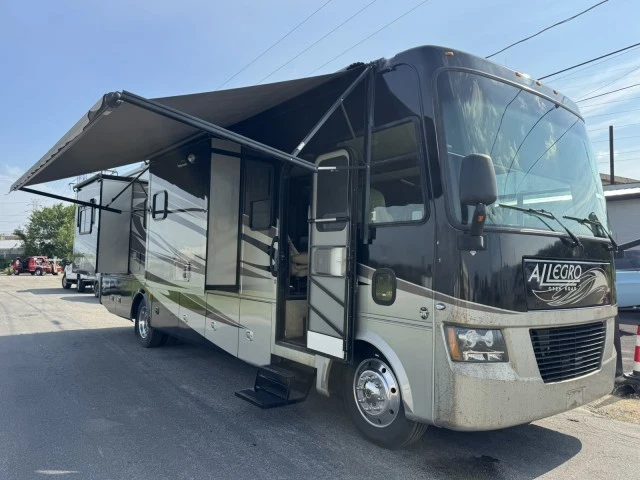
Camper for Sale: A Practical Guide to Finding the Right Camper at the Right Price
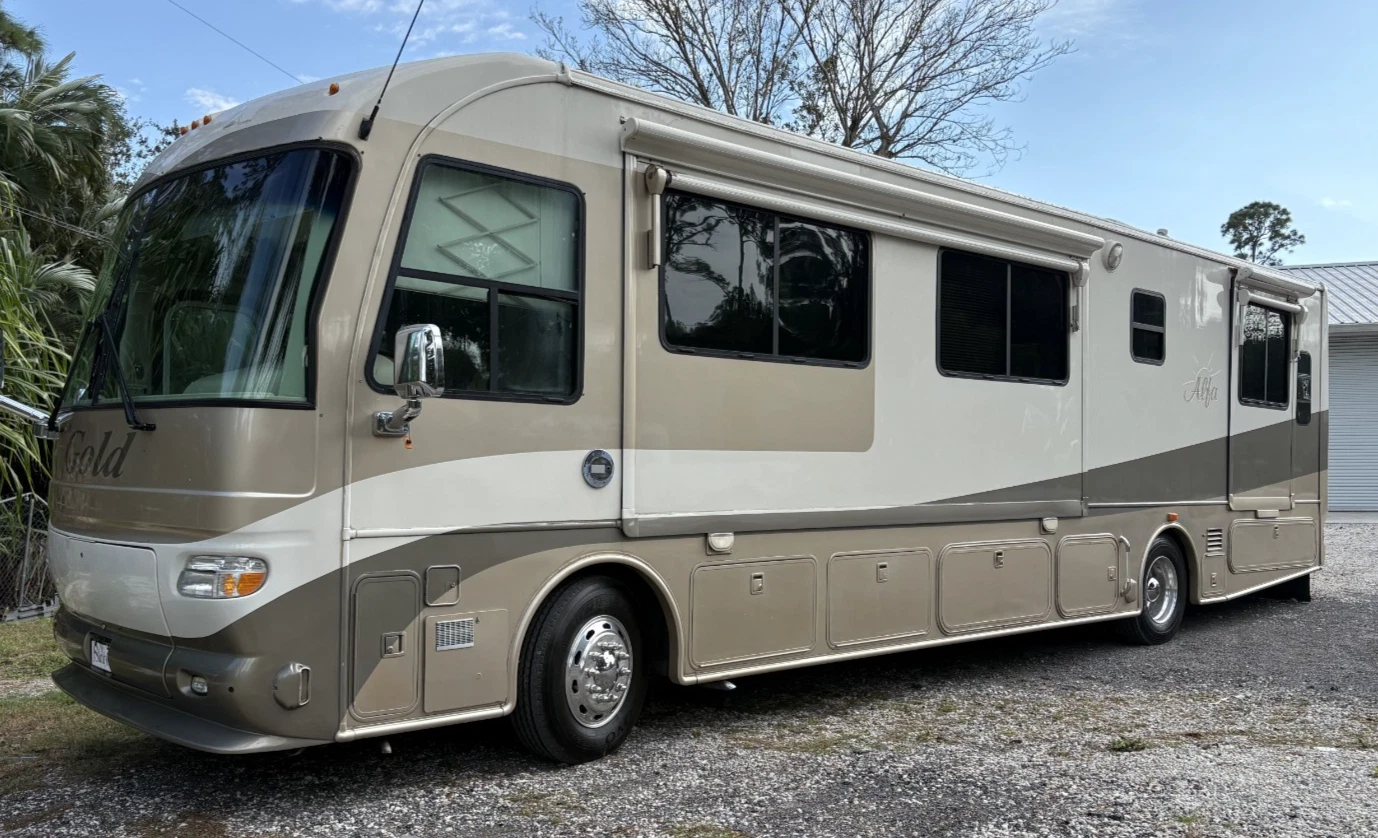
Finding the right camper can be exciting.
You picture yourself leaving early on a Friday morning, loading the essentials, heading out of town, and waking up somewhere completely different the next day.
Then you start shopping.
That is when things can get confusing.
There are compact campers, travel trailers, fifth wheels, camper vans, pop-up campers, toy haulers, and larger recreational vehicles.
Prices can vary dramatically.
Two campers that look similar in photographs may have completely different maintenance histories, layouts, equipment, and long-term ownership costs.
That is why buying a camper for sale should involve more than comparing asking prices.
You need to understand what you actually need.
You also need to know what you are buying.
A camper that fits your travel style can make every trip easier.
The wrong one can become an expensive object sitting in your driveway.
This guide takes a straightforward approach to finding a camper for sale, inspecting it properly, comparing your options, negotiating fairly, and making a purchase you can feel good about.
Start With the Way You Plan to Camp
Before searching for a camper, think about your actual camping habits.
How many people will use it?
How often will you travel?
Will you take weekend trips or longer vacations?
Do you prefer established campgrounds?
Would you rather camp somewhere quiet and remote?
Will you travel with children?
Will you bring pets?
These questions can quickly narrow down your choices.
A couple who takes occasional weekend trips may not need a large camper.
A family with three children may need bunk beds and plenty of storage.
Someone planning long road trips may care more about a comfortable bathroom, kitchen, and sleeping area.
When searching for a camper on the market, your lifestyle should guide the decision.
Understand the Different Types of Campers
Not every camper works the same way.
Understanding the major categories can make shopping much easier.
Travel Trailers
Travel trailers are among the most common towable campers.
They connect to a suitable tow vehicle using a trailer hitch.
They come in a wide range of sizes.
Some are small enough for couples.
Others have multiple sleeping areas and family-friendly layouts.
If you are considering a camper for sale, travel trailers are worth exploring because they offer considerable variety.
Fifth Wheels
Fifth wheels connect to a special hitch installed in the bed of a pickup truck.
They often provide spacious interiors.
Some have large kitchens, separate bedrooms, residential-style bathrooms, and generous storage.
However, they require an appropriately equipped truck.
Pop-Up Campers
Pop-up campers provide a lightweight option.
They are often easier to tow and store.
They can be a good introduction to camping for people who do not want a large RV.
Camper Vans
Camper vans combine transportation and camping space.
They can be easier to maneuver than larger RVs.
They are particularly appealing to travelers who value simplicity and mobility.
When comparing a camper, understand what each category can realistically provide.
Set a Budget Before You Shop
It is easy to fall in love with features before deciding what you can comfortably afford.
Set your budget first.
When considering a camper for sale, remember that the purchase price is only one part of the cost.
You may also pay for:
- Insurance
- Registration
- Maintenance
- Tires
- Batteries
- Storage
- Repairs
- Hitch equipment
- Camping accessories
- Towing equipment
- Campground fees
A camper that costs slightly more but needs little immediate work may be a better value than a bargain that requires thousands of dollars in repairs.
The smartest camper on the market purchase is one you can afford to own, not merely one you can afford to buy.
Do Not Forget the Tow Vehicle
If you are buying a towable camper for sale, your truck or SUV is part of the equation.
Check its towing capacity.
Check the trailer’s specifications.
Consider the loaded weight rather than relying only on dry weight.
Water, food, luggage, camping gear, passengers, batteries, and accessories all add weight.
A camper that seems light at the dealership can be considerably heavier on an actual trip.
When choosing a camper, confirm that your tow vehicle is properly matched to it.
If you are uncertain, ask a qualified towing professional.
New or Used?
There are good arguments for both.
A new camper can provide the latest features and a fresh interior.
It may also come with manufacturer warranty coverage.
A used camper, however, can provide excellent value.
Someone else may already have paid for upgrades such as:
- Solar panels
- New batteries
- Better mattresses
- Awnings
- Storage solutions
- Exterior accessories
- Updated appliances
When looking at a camper for sale, condition matters more than simply looking at the model year.
A carefully maintained older camper can be a very smart purchase.
Ask for the Camper’s History
Do not be afraid to ask questions.
When viewing a camper on the market, ask:
How long have you owned it?
Why are you selling it?
How often was it used?
Where was it stored?
Was it stored indoors or outside?
Has it ever leaked?
Have there been major repairs?
Were any appliances replaced?
Has it been involved in an accident?
The answers can tell you a lot.
A seller who knows the camper well should usually be able to explain its history.
Maintenance Records Can Be Valuable
Ask for documentation.
When evaluating a camper for sale, look for receipts or records related to maintenance.
Check for evidence of:
- Roof resealing
- Appliance service
- Battery replacement
- Tire replacement
- Plumbing repairs
- Electrical work
- Generator maintenance
- Water system servicing
Good records do not guarantee a perfect camper.
But they can show that the previous owner took maintenance seriously.
Inspect the Roof First
The roof may not be the most exciting part of a camper.
It is one of the most important.
Look at seams.
Inspect roof vents.
Check skylights.
Examine air-conditioning units.
Look around antennas and other openings.
Watch for cracked or deteriorating sealant.
If you see suspicious areas, investigate further.
Then inspect the interior.
Look at ceilings.
Open cabinets.
Check around windows.
Look for stains or discoloration.
A musty smell can also be a warning sign.
Water intrusion can lead to expensive structural damage.
Walk Every Inch of the Floor
When inspecting a camper for sale, do not simply stand in one spot.
Walk through the entire camper.
Pay attention to how the floor feels.
Does it feel solid?
Are there soft areas?
Does anything flex?
Check especially around:
- Bathrooms
- Kitchens
- Doors
- Windows
- Exterior storage areas
Soft flooring can sometimes indicate moisture damage.
Do not ignore it.
Inspect the Exterior
Walk around the entire camper on the market.
Look closely at the body.
Check:
- Exterior panels
- Windows
- Doors
- Storage compartments
- Lights
- Roof edges
- Awning
- Hitch
- Wheels
- Undercarriage
Look for accident damage.
Check for corrosion.
Look for poorly matched repairs.
Not every scratch is a serious problem.
Used campers are expected to show some signs of use.
What matters is identifying problems that affect safety, structure, or long-term ownership.
Look Carefully at the Tires
Tires deserve more attention than many first-time buyers realize.
When inspecting a camper for sale, check the tread.
Look at the sidewalls.
Search for cracks.
Ask about the age of the tires.
Remember that low mileage does not necessarily mean good tires.
A camper that sat unused for years can still have aging rubber.
If replacement is necessary, include it in your budget.
Check the Hitch and Coupler
For a towable camper, inspect the hitch system.
Check the coupler.
Look at safety chains.
Inspect wiring.
Check the jack.
Look for corrosion or damage.
Make sure everything operates properly.
If you are unfamiliar with trailer equipment, have someone experienced inspect it before towing.
Test the Electrical System
Electrical problems can be frustrating.
When examining a camper for sale, turn on the lights.
Test outlets.
Check switches.
Test control panels.
Inspect batteries.
If the camper has an inverter or solar equipment, ask the seller to explain how it works.
Find out how old the batteries are.
A simple electrical system that works properly can be more valuable than an expensive system with questionable installation.
Test the Plumbing
Run every faucet.
Turn on the shower.
Flush the toilet.
Test the water pump.
Check visible plumbing.
Look underneath sinks.
When inspecting a camper on the market, watch for leaks.
Small leaks can become major problems if they reach floors, walls, or cabinetry.
Test the Water Heater
A working water heater is an important comfort feature.
When inspecting a camper for sale, test it if possible.
Look for corrosion.
Check connections.
Watch for leaks.
Ask about previous service.
If it does not work, find out what repairs might be required.
Test the Refrigerator
Do not assume the refrigerator works simply because it looks clean.
When checking a camper, ask the seller to demonstrate it.
Check whether it cools properly.
Look for damage.
Ask about repairs.
A refrigerator replacement can be expensive depending on the type and model.
Test the Stove and Oven
Turn on the burners.
Test the oven.
Check the ventilation.
Look around the surrounding cabinetry.
When comparing a camper for sale, think about how you will actually use the kitchen.
A weekend camper may not need a huge kitchen.
A family spending weeks on the road may appreciate more counter space.
Test the Air Conditioner
Warm-weather camping can become uncomfortable quickly without proper cooling.
When viewing a camper on the market, turn on the air conditioner.
Check airflow.
Listen for unusual noises.
Give the system enough time to operate.
If it runs but does not cool effectively, have it inspected.
Test the Heating System
If you plan to camp in cooler weather, heating matters.
When inspecting a camper for sale, test the heater when practical.
Check the controls.
Listen for unusual sounds.
Make sure warm air reaches the expected areas.
Inspect the Bathroom
The bathroom should be tested, not merely admired.
When viewing a camper, run the sink and shower.
Flush the toilet.
Check ventilation.
Look under the sink.
Inspect visible plumbing.
Then think about the size.
Would you be comfortable using it during a week-long trip?
Practicality matters.
Think About Sleeping Arrangements
Advertised sleeping capacity can sometimes sound better than it feels in real life.
When evaluating a camper for sale, check the actual bed sizes.
Are beds permanent?
Do they fold out?
Does the dining area convert into a sleeping space?
How easy is that conversion?
For families, bunk beds can be extremely useful.
For couples, a permanent bed may be more convenient.
Check Storage Space
Storage is one of those things you appreciate more after your first trip.
When inspecting a camper on the market, open every cabinet and drawer.
Check closets.
Look at exterior storage compartments.
Imagine where you would put:
- Clothes
- Food
- Bedding
- Camping chairs
- Tools
- Cooking supplies
- Outdoor equipment
- Cleaning products
A clever storage layout can make a smaller camper much more enjoyable.
Test the Awning
The awning can become one of your favorite parts of the camper.
When viewing a camper for sale, extend it if possible.
Check the fabric.
Look for tears.
Inspect the arms.
Test the mechanism.
If it does not work smoothly, determine what repairs might be needed.
Check the Generator
If the camper includes a generator, ask the seller to start it.
Listen for unusual sounds.
Ask when it was last serviced.
Find out how frequently it was used.
A generator can be useful when camping without hookups.
But it also requires maintenance.
Consider Solar Power
Solar equipment can be useful for off-grid camping.
When looking at a camper for sale, ask about the solar panels, batteries, charge controller, and inverter.
Do not focus only on panel size.
The entire electrical system needs to work together.
Ask how much power the setup can realistically provide.
Consider Your Camping Destination
Think about where you will travel.
If you mostly visit full-service campgrounds, you may not need extensive off-grid equipment.
If you enjoy remote camping, you may want more battery capacity, solar power, water storage, and generator capability.
When choosing a camper on the market, prioritize features that match your destinations.
Consider Camper Storage
Before buying a camper for sale, decide where you will keep it.
Will it fit at your home?
Will local regulations allow it?
Will you need paid storage?
Think about height and length.
A camper that is perfect on the road may be difficult to store.
Calculate Ownership Costs
The purchase price is not the whole story.
When evaluating a camper, estimate:
- Insurance
- Registration
- Maintenance
- Fuel
- Tires
- Batteries
- Storage
- Repairs
- Campground fees
This gives you a more realistic picture of affordability.
Dealer or Private Seller?
Both can work.
Dealers may offer financing, warranty options, trade-ins, and service departments.
Private sellers may offer competitive prices and firsthand knowledge.
When comparing a camper for sale, focus on the actual condition and documentation.
The seller’s category is only one part of the decision.
Ask Why It Is Being Sold
This simple question is worth asking.
When inspecting a camper on the market, ask why the owner wants to sell.
Maybe they upgraded.
Maybe they moved.
Maybe they no longer camp.
Maybe they want a different layout.
There is no single correct answer.
Listen carefully.
Get a Professional Inspection
If you are spending significant money, consider getting a professional inspection.
When buying a camper for sale, an RV inspector can potentially identify:
- Water intrusion
- Structural problems
- Roof issues
- Electrical faults
- Plumbing leaks
- Appliance problems
A professional inspection can give you confidence or reveal reasons to walk away.
Either result can be valuable.
Compare Similar Campers
Never assume the first camper you see is the best opportunity.
Compare several similar units.
Look at:
- Model year
- Condition
- Floor plan
- Features
- Maintenance
- Tires
- Location
- Asking price
After viewing multiple campers, you will develop a much better sense of the market.
How to Negotiate
Negotiation becomes easier when you have evidence.
When considering a camper for sale, research similar listings.
Then inspect the camper.
Write down legitimate issues.
Perhaps the tires are old.
Maybe the awning needs repair.
Perhaps the battery is weak.
Maybe the refrigerator does not work.
These issues represent real costs.
Use them to make a reasonable offer.
Red Flags to Watch For
Be cautious when a camper on the market has:
- Significant unexplained water stains
- Soft floors
- Serious structural damage
- Heavy corrosion
- Major mechanical problems
- Missing paperwork
- Strange electrical modifications
- Unclear ownership
- A seller who refuses inspection
- Pressure to pay immediately
A good seller should not be afraid of reasonable questions.
Common Camper-Buying Mistakes
Choosing Looks Over Condition
A beautiful interior cannot compensate for structural damage.
Ignoring Water Problems
Water intrusion deserves immediate attention.
Forgetting Tire Age
Old tires may require replacement even if they have plenty of tread.
Buying Too Much Camper
A huge camper can be difficult to tow, park, and store.
Buying Too Little Camper
Saving money is not useful if the layout does not work for your family.
Spending Everything
Keep money available for ownership expenses.
Rushing
Do not let someone else’s urgency determine your purchase.
When searching for a camper for sale, patience is an advantage.
A Practical Camper Buying Checklist
Before purchasing a camper, go through these steps.
1. Decide How You Will Use It
Think about trips, destinations, passengers, and camping style.
2. Set Your Budget
Include future expenses.
3. Select a Camper Type
Compare travel trailers, fifth wheels, pop-ups, camper vans, and other designs.
4. Check Tow-Vehicle Compatibility
Make sure the setup is appropriate.
5. Inspect the Roof
Look for leaks and damaged sealant.
6. Check the Floor
Watch for soft spots.
7. Inspect the Exterior
Look for damage and corrosion.
8. Check the Tires
Look at condition and age.
9. Test Electricity
Check outlets, lights, batteries, and controls.
10. Test Plumbing
Run water through all fixtures.
11. Test Appliances
Check refrigeration, cooking, heating, and cooling.
12. Test the Awning
Make sure it operates correctly.
13. Review Records
Ask for maintenance documentation.
14. Verify Ownership
Check the relevant documents.
15. Get an Inspection
Use a professional when appropriate.
16. Compare Prices
Look at similar campers.
17. Negotiate
Use actual repair needs and comparable listings.
Frequently Asked Questions
What should I look for in a used camper?
When inspecting a camper for sale, pay particular attention to water damage, structural condition, tires, electrical systems, plumbing, appliances, and maintenance records.
Is a used camper worth buying?
Yes. A well-maintained used camper can offer excellent value, especially when its history and condition are documented.
What is the most important thing to inspect?
Water intrusion should be high on your list. Roof, ceiling, walls, floors, and cabinets should all be checked carefully.
How do I know if my vehicle can tow a camper?
Check your vehicle manufacturer’s towing specifications and compare them with the camper’s loaded weight and hitch requirements.
Should I get a professional inspection?
For an expensive purchase, professional inspection is strongly worth considering.
Can I negotiate the price?
Yes. Compare similar campers and use documented repairs or maintenance needs to support your offer.
What is better: a large or small camper?
Neither is automatically better. Choose the size that fits your passengers, travel habits, tow vehicle, storage situation, and budget.
What expenses should I expect after buying?
Common costs include insurance, registration, maintenance, tires, batteries, repairs, storage, fuel, and campground fees.
Should I buy from a dealer or private seller?
Both can work. Focus on the camper’s condition, documentation, history, and total value.
Should I test every appliance?
Absolutely. A refrigerator, air conditioner, heater, water heater, or other appliance can be expensive to repair or replace.
Final Thoughts
The search for a camper on the market should be exciting, but it should also be practical.
It is easy to become distracted by a beautiful kitchen.
A large television looks impressive.
A spacious bedroom catches your attention.
A shiny exterior makes the camper appear almost new.
But the details underneath are what really matter.
Check the roof.
Walk the floor.
Inspect the tires.
Test the plumbing.
Check the electrical system.
Run the appliances.
Look underneath.
Ask for records.
Take a test drive when appropriate.
And get professional help if you are unsure about something.
A smart buyer does not need to know everything about campers.
A smart buyer simply knows when to ask questions.
When comparing a camper for sale, think about how the camper will fit into your real life.
Will it sleep everyone comfortably?
Will your vehicle tow it safely?
Can you store it?
Can you afford its maintenance?
Does the floor plan make sense?
Will you actually use all those features?
Those questions can help you avoid buying something that looks great but does not fit your needs.
Remember that used campers do not have to be perfect.
A few scratches are normal.
Some furniture may show wear.
The exterior may have small cosmetic marks.
That is part of owning a vehicle designed for travel.
The important thing is knowing the difference between normal wear and serious problems.
Water intrusion, structural damage, major mechanical faults, and questionable paperwork deserve much more attention than a scratched cabinet door.
When you find a camper that appears promising, slow down.
Compare it with similar options.
Look at the complete cost.
Ask about its history.
Inspect everything you can.
And if the seller will not allow a reasonable inspection, consider walking away.
There will always be another camper.
That is especially important to remember when you are excited.
You do not need to buy the first camper that makes you imagine your next vacation.
You need to find the one that still looks like a good decision after you have inspected it carefully.
That is the difference between an emotional purchase and a smart one.
A good camper for sale should give you something to look forward to.
It should make you think about destinations, not constant repairs.
It should fit your budget without putting unnecessary pressure on your finances.
It should be comfortable enough for the people traveling with you.
And it should be practical enough that you actually want to use it.
Once you find that combination, the experience changes.
The camper stops being just another listing.
It becomes your potential home base for weekend escapes, family adventures, road trips, outdoor vacations, and spontaneous getaways.
Maybe you will spend a weekend beside a lake.
Maybe you will explore a national park.
Maybe you will take a long highway trip with no strict schedule.
Maybe you will simply drive a few hours away and enjoy having your own bed and kitchen with you.
That flexibility is the real attraction.
The goal of searching for a camper on the market is not just to find something with a good price.
It is to find something that makes the kind of travel you want to do easier.
So research carefully.
Inspect thoroughly.
Compare honestly.
Negotiate fairly.
And keep your long-term ownership costs in mind.
The right camper for sale is out there.
When you find it, you will know because the numbers, condition, layout, and intended use all make sense together.
Then the most enjoyable part begins.
You stop searching.
You hitch up.
You pack your gear.
You choose a direction.
And you finally get to enjoy the reason you started looking for a camper in the first place: the freedom to go somewhere new.
Related guides
- Camper Sales Near Me: How to Find the Right Camper at the Right Price
- Discount Campers for Sale: How to Find a Great Camper Deal Without Getting Burned
- Campers for Full Time Living: 17 Things to Know Before Choosing Your Home on Wheels
- Lightweight Campers for Sale: The Field Guide to Choosing the Right Camper for Your Vehicle and Lifestyle
Browse more in Campers for Sale or see all buying guides.