Cheap Motorhomes for Sale: 27 Smart Ways to Find a Great RV Without Overspending
Buying an RV can feel exciting right up until you start looking at prices.
You see a beautiful motorhome online, imagine yourself driving it to the coast, picture weekends at the campground, and then you notice the price.
Suddenly, the dream feels expensive.
That is exactly why so many buyers search for cheap motorhomes for sale before they start seriously shopping. They want the freedom of a motorhome without putting an unreasonable amount of money into the purchase.
The good news is that affordable does not automatically mean bad.
There are older motorhomes, well-maintained used RVs, private-sale opportunities, clearance units, and smaller models that can offer excellent value.
The trick is knowing what you are actually buying.
This guide takes a practical approach. Instead of simply telling you to “compare prices,” we will look at what makes an inexpensive motorhome a smart purchase, where buyers often get caught out, and how to recognize a genuine bargain.
Why Buyers Search for Cheap Motorhomes for Sale
The biggest attraction is simple: lower upfront cost.
A motorhome is already a major purchase for most families, couples, retirees, and weekend travelers. Finding cheap motorhomes for sale can make RV ownership feel much more achievable.
But price should never be the only consideration.
A motorhome that costs less today but needs thousands of dollars in repairs tomorrow may not be cheap at all.
That is why experienced buyers look beyond the advertised price.
They ask about condition, maintenance, mileage, age, water damage, tires, appliances, engine performance, and the history of the vehicle.
A $30,000 motorhome in excellent condition may ultimately be a better deal than a $20,000 unit that needs extensive repairs.
When comparing cheap motorhomes, think about the total cost of ownership rather than the sticker price alone.
That small change in thinking can save you a lot of frustration.
1. Decide What You Actually Need
Before looking at cheap motorhomes on the market, spend some time thinking about how you will use the RV.
Are you planning weekend trips?
Long road journeys?
Family vacations?
Seasonal camping?
Or do you want something that can stay on a campsite for much of the year?
Your answer changes what type of motorhome makes sense.
A solo traveler may have completely different priorities from a family of five.
You might not need a huge kitchen, multiple sleeping areas, or a large bathroom.
Likewise, a family may quickly become frustrated with a tiny floor plan.
When browsing cheap motorhomes, it is easy to become distracted by attractive interiors.
Try not to make the decision based purely on appearance.
Instead, imagine yourself actually living inside the RV.
Where will everyone sleep?
Where will groceries go?
Is there enough seating?
Can you move around comfortably when the weather is bad?
Those practical questions matter more than shiny cabinets.
Think About Your Travel Style
Your travel habits should guide your purchase.
If you mainly stay at established campgrounds, campground hookups may reduce the importance of large water and battery capacity.
If you prefer remote camping, those features become much more important.
The best cheap motorhomes for sale are not necessarily the biggest or newest.
They are the ones that fit the buyer.
2. Understand the Different Motorhome Classes
Not every motorhome offers the same experience.
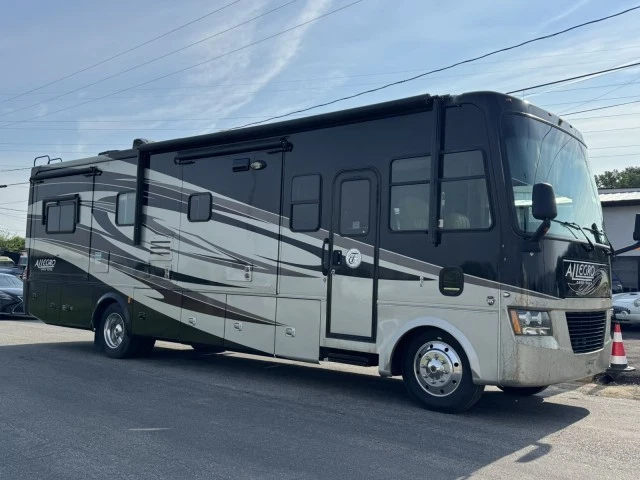
Class A motorhomes are generally large and spacious.
They can provide impressive living areas, generous storage, and comfortable accommodation, but they can also cost more to operate.
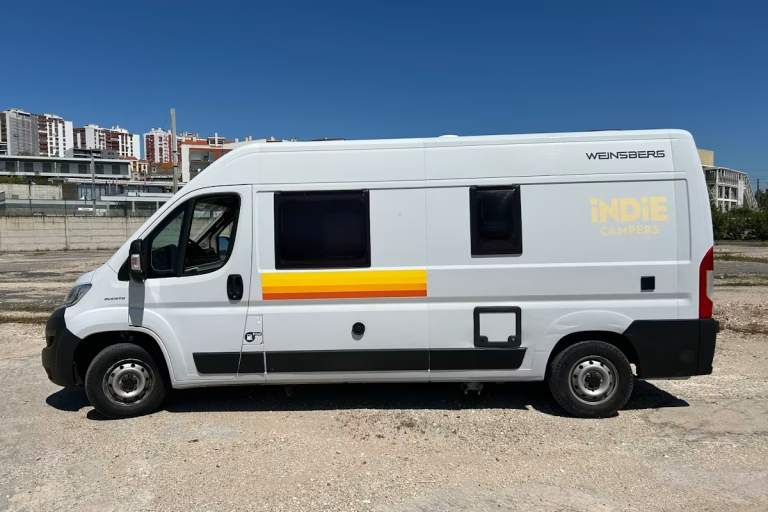
Class B motorhomes are smaller and often built around van platforms.
They are attractive to people who want easier driving and more flexibility.
Class C motorhomes sit somewhere between the two.
They are recognizable by their cab-over sleeping area and can be a practical choice for families.
When searching through cheap motorhomes on the market, compare these classes instead of assuming one is automatically better.
A smaller motorhome may be cheaper to purchase, easier to park, and less expensive to fuel.
A larger model may provide more comfort but require a larger budget.
Don’t Buy More RV Than You Need
One of the easiest ways to overspend is buying features you rarely use.
If two people are traveling together, a massive family floor plan may be unnecessary.
If you only travel a few weekends each year, spending heavily on luxury features might not make financial sense.
Among cheap motorhomes, simplicity can sometimes be an advantage.
Fewer complicated systems can mean fewer things to maintain.
3. Shop Used Instead of Automatically Buying New
New motorhomes are appealing.
Everything looks fresh.
The upholstery is clean.
The appliances have that untouched feeling.
But depreciation can be significant, which makes used models worth considering.
Some of the best cheap motorhomes for sale are older units that have already taken much of their initial depreciation.
A previous owner may have already installed useful upgrades.
You could find upgraded mattresses, solar equipment, better storage solutions, new tires, or improved entertainment systems.
Of course, you still need to inspect the RV carefully.
A used motorhome should never be purchased simply because the price looks attractive.
Age Isn’t Everything
An older motorhome with excellent maintenance can be more appealing than a newer RV that has been neglected.
Look at the condition.
Ask for maintenance records.
Check the roof.
Inspect seals.
Test the appliances.
Look underneath.
Listen to the engine.
When evaluating cheap motorhomes on the market, condition should carry more weight than the model year alone.
4. Learn How to Spot a Genuine Bargain
A bargain should make you feel cautious, not instantly excited.
If a motorhome is dramatically cheaper than comparable vehicles, there is usually a reason.
That reason may be harmless.
Perhaps the seller needs to move quickly.
Maybe the RV has cosmetic imperfections.
Perhaps the owner simply wants it gone.
But there could also be mechanical or structural problems.
That is why buyers looking at cheap motorhomes should compare several similar listings.
Look at asking prices for the same year and model.
Compare mileage.
Compare condition.
Compare equipment.
Compare location.
Once you understand the normal price range, unusually cheap listings become easier to evaluate.
Ask Why the Price Is Low
Do not be afraid to ask direct questions.
Why are you selling?
How long have you owned it?
Has it ever leaked?
Where has it been stored?
When were the tires replaced?
Are all appliances working?
Has the engine had major repairs?
These questions can reveal information that an advertisement does not show.
5. Inspect for Water Damage
Water is one of the biggest concerns when shopping for used RVs.
A leak that appears minor can cause serious structural problems if it has been happening for a long time.
When inspecting cheap motorhomes for sale, pay close attention to the ceiling, walls, floors, cabinets, windows, and roof.
Look for discoloration.
Feel for soft spots.
Check for unusual odors.
Inspect around vents and roof openings.
Look inside cabinets near exterior walls.
Water damage is not always obvious in photographs.
That is why an in-person inspection is so important.
Don’t Let Fresh Cosmetic Work Fool You
Fresh paint and new flooring can make an older motorhome look fantastic.
Sometimes that is simply normal renovation.
Other times, cosmetic work may hide previous damage.
If something looks unusually new compared with the rest of the RV, ask why.
The goal is not to assume the worst.
It is to understand the story behind the vehicle.
This is especially important with cheap motorhomes on the market, because low prices can sometimes come with hidden repair costs.
6. Check the Roof Carefully
The roof deserves special attention.
It is exposed to weather year after year, and roof repairs can become expensive.
Walk around the roof if it is safe to do so.
Look at seams.
Check sealant.
Inspect around vents, skylights, antennas, and other openings.
If you are uncomfortable doing the inspection yourself, hire someone who understands RV construction.
A professional inspection can be money well spent.
Many buyers spend hours comparing cheap motorhomes but barely spend ten minutes examining the roof.
That is backwards.
A few hundred dollars spent on inspection could potentially prevent a much larger repair bill.
7. Don’t Ignore the Engine and Transmission
A motorhome is both a vehicle and a living space.
That means you need to inspect both.
Start the engine from cold if possible.
Listen for unusual sounds.
Watch the dashboard.
Check for warning lights.
Pay attention to smoke or unusual smells.
During a test drive, notice how the vehicle accelerates, brakes, turns, and shifts.
When comparing cheap motorhomes for sale, mechanical condition can make a huge difference to the real value.
An inexpensive RV with a healthy drivetrain may be a great purchase.
An inexpensive RV with major engine or transmission problems can quickly become a financial headache.
Ask for Maintenance Records
Records are valuable.
Oil changes, brake work, tire replacements, cooling-system maintenance, and other repairs can tell you how the vehicle was treated.
A seller who has kept detailed records gives you more information to work with.
8. Inspect the Tires
Tires are easy to overlook because buyers naturally focus on the interior.
That can be a mistake.
Motorhomes are heavy vehicles, and tire condition matters.
Look for cracks, uneven wear, bulges, and signs of aging.
Do not judge tires by tread depth alone.
A tire can have plenty of tread and still be old.
When evaluating cheap motorhomes on the market, find out when the tires were installed.
If replacement is needed soon, include that cost in your budget.
A low purchase price becomes less attractive when several major expenses arrive immediately after purchase.
9. Test Every Appliance
Walk into the motorhome and test everything you can.
Turn on the refrigerator.
Check the air conditioner.
Run the furnace.
Test lights.
Open faucets.
Flush the toilet.
Check the water heater.
Test the microwave.
Look at the electrical outlets.
When browsing cheap motorhomes, do not assume that appliances work simply because the advertisement says “everything works.”
Verify it.
Small repairs can add up quickly.
One broken appliance might not matter much.
Several broken systems can change the economics of the purchase completely.
Make a Simple Checklist
Bring a written inspection checklist.
It is surprisingly easy to forget things when you are excited about a motorhome.
A checklist keeps emotions from taking over.
That is especially useful when viewing several cheap motorhomes for sale in one weekend.
10. Examine the Interior Like You Plan to Live There
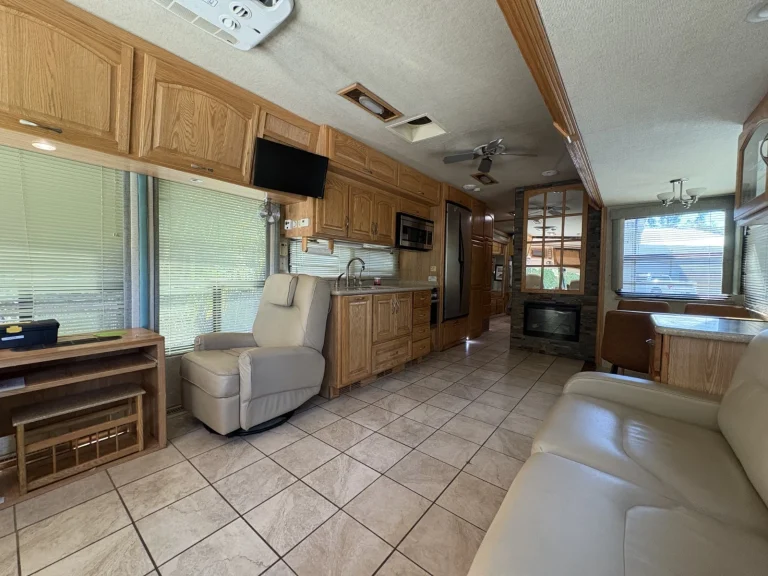
Sit in every seat.
Lie down on the beds.
Open every cabinet.
Stand in the shower.
Check the headroom.
Imagine cooking a meal inside.
Imagine packing for a week.
The best cheap motorhomes on the market should make practical sense for your lifestyle.
You don’t need luxury.
You do need comfort.
A beautiful RV with an awkward floor plan can become frustrating after a few trips.
Storage Matters More Than Many Buyers Expect
Storage is one of those things people appreciate only after they run out of it.
Look at wardrobes, exterior compartments, kitchen cabinets, pantry areas, and under-bed storage.
Think about what you normally travel with.
Camping chairs, clothing, food, tools, outdoor equipment, and personal items need somewhere to go.
11. Calculate the Real Cost
The purchase price is only one part of the equation.
You may need insurance.
Registration.
Maintenance.
Fuel.
Tires.
Storage.
Repairs.
Camping fees.
Accessories.
When comparing cheap motorhomes, build a realistic ownership budget before committing.
A motorhome can be affordable to buy but expensive to operate.
Knowing that beforehand prevents unpleasant surprises.
Leave Room for Repairs
Even a good used RV may need something.
Set aside an emergency repair fund.
That gives you breathing room when an unexpected problem appears.
Buying cheap motorhomes for sale should not mean spending your entire budget on the purchase and having nothing left afterward.
12. Compare Floor Plans Carefully
Two motorhomes can have similar prices while offering completely different layouts.
One may have a large rear bedroom.
Another may prioritize living space.
Another may provide more beds for children.
Floor plan is not a minor detail.
It determines how the RV feels every day.
When comparing cheap motorhomes on the market, think about your normal routine.
Do you cook frequently?
Do you need separate sleeping areas?
Do you want a private bathroom?
Will children travel with you?
Will you work remotely?
Your answers can eliminate unsuitable models quickly.
13. Consider Smaller Motorhomes
Size has a direct effect on many ownership costs.
Smaller motorhomes can be easier to drive and park.
They may also consume less fuel.
For buyers searching for cheap motorhomes, compact models can be an excellent starting point.
You may sacrifice some interior space, but gain convenience.
That trade-off is worth considering.
A smaller RV that you actually enjoy driving may get used more often than a huge motorhome that feels stressful on narrow roads.
14. Look Beyond the Most Popular Brands
Brand reputation matters, but it should not be your only consideration.
A less famous model can sometimes offer excellent value.
Research owner experiences.
Look for common problems.
Check parts availability.
Find out whether qualified technicians can service the vehicle in your area.
When evaluating cheap motorhomes on the market, investigate the individual unit rather than buying a badge.
A famous brand does not guarantee perfect condition.
Likewise, a lesser-known model is not automatically a poor choice.
15. Be Careful With Extremely Low Prices
A very cheap listing can be tempting.
It can also be dangerous.
Scammers sometimes use unusually attractive prices to generate quick interest.
Be cautious when sellers pressure you to send money before seeing the motorhome.
Never let urgency replace basic due diligence.
For legitimate cheap motorhomes for sale, you should be able to ask reasonable questions and inspect the vehicle before committing.
If the seller refuses inspection or avoids providing basic information, walk away.
There will always be another RV.
16. Negotiate Based on Facts
Negotiation becomes much easier when you have evidence.
Instead of saying, “Can you lower the price?” explain why you are making the offer.
Maybe the tires are old.
Maybe the roof needs resealing.
Maybe an appliance is not working.
Maybe similar motorhomes are listed for less.
When negotiating cheap motorhomes, documented issues give you stronger leverage than vague opinions.
Be respectful.
A seller is more likely to work with a serious buyer who has clearly done their homework.
Don’t Chase a Seller Who Won’t Negotiate
Sometimes the asking price is already fair.
If the RV is well maintained and priced competitively, the seller may have little reason to reduce it.
Know when to negotiate and when to simply decide whether the vehicle is worth the asking price.
17. Consider Private Sellers
Dealerships can offer convenience, financing options, and additional services.
Private sellers can sometimes offer lower prices.
Both routes have advantages.
If you find cheap motorhomes on the market from a private seller, make sure the paperwork is clear.
Confirm ownership.
Check the vehicle identification number.
Review the title.
Make sure there are no unresolved issues that could complicate the transaction.
Never skip documentation because you are excited about getting a good deal.
18. Use Online Listings Wisely
Online marketplaces make it easy to compare dozens of motorhomes.
That is useful.
But photographs can be misleading.
Wide-angle images can make small spaces look larger.
Bright lighting can hide imperfections.
Freshly cleaned interiors can distract from mechanical problems.
Use online listings to create a shortlist of cheap motorhomes for sale.
Then inspect promising candidates in person.
Online research should narrow your choices.
It should not replace inspection.
19. Ask the Seller the Right Questions
Good questions can save you a wasted trip.
Before traveling to view cheap motorhomes, ask:
How long have you owned it?
Why are you selling?
Has it had any water leaks?
Where was it stored?
Are there maintenance records?
How old are the tires?
Does everything work?
Has the motorhome been in an accident?
Are there outstanding loans or liens?
A straightforward seller should be able to answer these questions without unnecessary drama.
20. Think About Financing Carefully
Financing can make an RV purchase easier to manage.
But lower monthly payments do not necessarily mean lower overall cost.
Look at the interest rate.
Look at the loan term.
Calculate the total amount you will repay.
When financing cheap motorhomes on the market, avoid stretching the loan so far that the RV becomes expensive over time.
A modest monthly payment can hide a surprisingly large total cost.
Know Your Budget Before Shopping
Set a maximum purchase amount before you begin.
Then give yourself some room below that limit.
This helps prevent emotional buying.
When you find a motorhome you love, it is easy to convince yourself that an extra few thousand dollars is not important.
Your budget exists for exactly that moment.
21. Don’t Forget Towing and Driving Confidence
Although motorhomes do not require a separate tow vehicle in the same way as travel trailers, size still matters.
Large motorhomes require confidence.
Think about parking.
Turning.
Fuel stations.
Narrow roads.
Mountain driving.
If you are new to RV travel, a smaller model may feel much easier.
Among cheap motorhomes for sale, choose something you can confidently operate.
The best deal is not useful if you are nervous every time you drive it.
22. Consider the RV’s Previous Lifestyle
Ask how the motorhome was used.
Was it driven frequently?
Was it stored for long periods?
Was it used for full-time living?
Was it mostly parked at a campsite?
There is no universally perfect answer.
A motorhome that traveled frequently may have more mileage but also regular use.
One that sat unused for years might have low mileage but neglected systems.
When comparing cheap motorhomes, look at the whole history.
Mileage alone cannot tell the complete story.
23. Check for Modifications
Owners often personalize their RVs.
Some modifications are useful.
Solar panels, upgraded batteries, better storage, and improved suspension components can add value.
Other modifications may be poorly installed.
Look at wiring.
Check plumbing.
Ask who performed the work.
When inspecting cheap motorhomes on the market, modifications should be treated as part of the vehicle’s history.
Good upgrades can save money.
Poor upgrades can create problems.
24. Take Your Time
There is no prize for buying the fastest.
If you feel pressured, stop.
Sleep on it.
Compare another motorhome.
Review your inspection notes.
Talk through the decision with someone you trust.
The market for cheap motorhomes for sale is broad enough that you do not need to buy the first attractive vehicle you see.
Patience is one of the strongest tools a buyer has.
25. Think About Resale Value
Even if you plan to keep the motorhome for years, resale value matters.
Popular layouts, reasonable mileage, good maintenance records, and clean interiors can make an RV easier to sell later.
When choosing cheap motorhomes, consider whether another buyer would want the same features you value.
That can protect your investment.
26. Know When to Walk Away
Sometimes the smartest purchase decision is no purchase at all.
If the seller refuses inspection, paperwork is questionable, water damage appears serious, or the mechanical condition is uncertain, walk away.
There are always more cheap motorhomes on the market.
A bargain that makes you uncomfortable is probably not the right bargain.
Trust the facts.
If the numbers no longer make sense, move on.
27. Choose Value Over the Lowest Price
This is perhaps the most important lesson.
The cheapest motorhome is not always the best deal.
Value is the combination of purchase price, condition, usability, maintenance history, operating costs, and future repair needs.
That is how you should judge cheap motorhomes for sale.
You are not simply buying a vehicle.
You are buying a way to travel.
You are buying weekends away.
You are buying family memories.
You are buying the ability to wake up somewhere different and have breakfast outside your own little home on wheels.
That is why choosing carefully matters.
How to Find the Best Cheap Motorhomes for Sale Online
Start with a broad search.
Look at different models and prices before becoming attached to one particular motorhome.
Save listings that appear promising.
Compare their specifications.
Pay attention to how long they have been advertised.
Older listings may indicate that the price needs adjustment, although there can be many reasons a vehicle remains unsold.
When researching cheap motorhomes, create a simple comparison sheet.
Include price, year, mileage, engine, sleeping capacity, floor plan, tire age, maintenance history, and obvious repairs.
After reviewing ten or twenty listings, patterns begin to appear.
You will start recognizing what represents a fair deal.
What Makes Cheap Motorhomes for Sale Worth Buying?
A worthwhile inexpensive motorhome usually has a combination of several qualities.
It has a reasonable purchase price.
The structure is sound.
The roof is properly maintained.
The engine and transmission perform well.
The appliances function.
The paperwork is clear.
The tires are safe.
The interior is usable.
The seller can explain the vehicle’s history.
That combination is far more important than simply finding the lowest number in an advertisement.
The best cheap motorhomes on the market give you room in your budget without forcing you to accept major problems.
Common Mistakes When Buying Cheap Motorhomes for Sale
One common mistake is buying based on photographs.
Another is ignoring water damage.
Some buyers also focus heavily on mileage while overlooking maintenance history.
Others spend the entire budget on the purchase and have nothing left for immediate repairs.
Another mistake is choosing an RV based on someone else’s lifestyle.
Your friend may love a giant Class A.
That does not mean you need one.
When shopping for cheap motorhomes for sale, make the decision around your own travel plans.
A motorhome should serve your lifestyle rather than dictate it.
A Simple Inspection Day Plan
When you arrive to inspect a motorhome, don’t rush.
Start outside.
Walk around the body.
Check the roof.
Look underneath.
Inspect the tires.
Then move inside.
Open cabinets.
Look for water stains.
Test appliances.
Check plumbing.
After that, start the engine.
Take a test drive.
Finally, review the paperwork.
This simple process can make shopping for cheap motorhomes much less overwhelming.
If possible, bring another person with you.
A second set of eyes often notices things you miss.
Frequently Asked Questions
Are cheap motorhomes for sale reliable?
They can be.
Price alone does not determine reliability. Maintenance history, condition, previous use, mechanical health, and structural condition are much more important.
Where can I find cheap motorhomes for sale?
You can search RV dealerships, private listings, online marketplaces, classified advertisements, RV communities, and specialist RV websites.
Compare multiple sources rather than relying on one marketplace.
Are older cheap motorhomes for sale worth buying?
Yes, provided the individual motorhome has been properly maintained and passes a thorough inspection.
An older, well-maintained RV can sometimes offer excellent value.
Should I buy the cheapest motorhome I can find?
Not necessarily.
The lowest price can come with expensive repairs.
Focus on overall value instead of the lowest advertised price.
What should I inspect first?
Start with water damage and structural condition.
Then check the engine, transmission, tires, brakes, roof, plumbing, electrical systems, and appliances.
Can I negotiate on cheap motorhomes for sale?
Often, yes.
Your strongest negotiating position comes from knowing comparable prices and identifying legitimate repairs or maintenance costs.
Is low mileage always better?
No.
Low mileage can be attractive, but a motorhome that has been properly maintained and regularly used may be healthier than a low-mileage vehicle that sat unused for long periods.
Should I get a professional inspection?
If your budget allows it, a professional RV inspection can be an excellent investment, particularly when buying an older or unusually inexpensive motorhome.
What hidden costs should I budget for?
Consider insurance, registration, maintenance, fuel, storage, tires, campground fees, repairs, and equipment.
These expenses should be included when evaluating the true cost of cheap motorhomes on the market.
How do I avoid scams?
Avoid sending money before verifying the motorhome, seller, ownership, and paperwork.
Be particularly cautious when a price is dramatically below the normal market range or when the seller creates pressure to pay immediately.
Are smaller motorhomes better for beginners?
They can be.
Smaller RVs are often easier to maneuver and park, although the right choice depends on your experience, travel plans, and number of passengers.
What should I bring to an RV inspection?
Bring a flashlight, notebook, phone or camera, inspection checklist, and comfortable clothing.
If possible, bring someone experienced with vehicles or RVs.
Final Thoughts
Finding an affordable motorhome does not have to mean settling for something unreliable.
It means becoming a smarter shopper.
Take your time.
Compare prices.
Inspect carefully.
Ask questions.
Review the paperwork.
Think beyond the purchase price.
Most importantly, remember what you are actually trying to achieve.
You are not simply searching for cheap motorhomes for sale.
You are searching for a motorhome that gives you freedom without creating a financial headache.
The right RV might not be the newest one.
It might not have the fanciest interior.
It might not have every feature you’ve seen online.
But if it is mechanically sound, structurally healthy, comfortable enough for your trips, and priced fairly, it could be exactly what you need.
That is what a real bargain looks like.
And once you find the right one, the best part begins: turning the key, pulling onto the road, and deciding where to go next.
Related guides
- Class C RVs for sale: 33 Smart Ways to Find a Motorhome That Fits Your Life
- Used motorhomes near me: The Real-World Buyer’s Guide to Finding the Right RV
- Class A Motorhomes for Sale: How to Find a Spacious RV That Fits Your Travel Life
- Motorhome Dealers Near Me: A Practical Guide to Finding the Right Motorhome and Dealer
Browse more in Motorhomes for Sale or see all buying guides.