Used Camper Vans: 27 Practical Things to Know Before You Buy
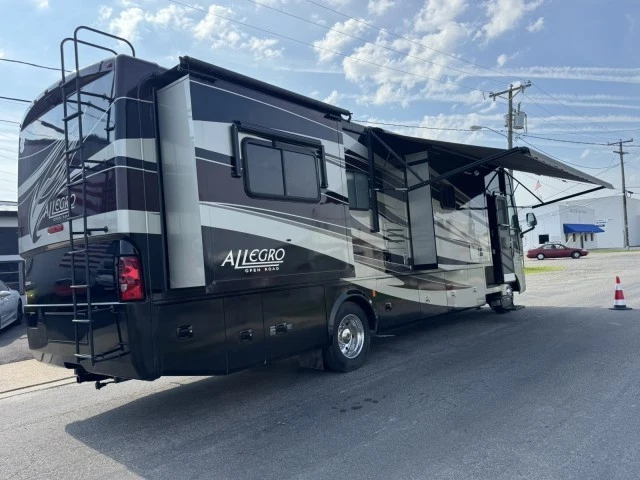
There is something different about buying a camper van.
You are not just shopping for another vehicle.
You are looking at a small space that could become your bedroom, kitchen, storage room, office, and escape route all at once.
That is why used camper vans have become so interesting to people who want more freedom without necessarily paying the price of a brand-new recreational vehicle.
A used van can already have many of the things you need.
A bed.
Storage.
A cooking area.
Electrical equipment.
A refrigerator.
Maybe solar power.
Maybe even a bathroom.
But there is another side to buying an older camper.
You need to know what you are looking at.
A van can photograph beautifully and still have mechanical problems. It can have a stylish interior while hiding water damage. It can be cheap to purchase and expensive to own.
The good news is that you do not need to be an expert mechanic to become a smarter buyer.
You simply need to slow down, ask the right questions, and inspect the things that matter.
Start by Imagining Your Actual Life Inside the Van
Before searching through listings for used camper vans, forget about the photographs for a moment.
Imagine an ordinary Tuesday.
You wake up inside the van.
Where are your clothes?
Where do you make coffee?
Where do you put your shoes?
Where does your phone charge?
What happens when it rains?
What happens when you need to cook?
Those ordinary questions are often more useful than a long list of luxury features.
A camper van that looks fantastic online may become frustrating if the layout does not match your habits.
The best pre-owned camper vans are not necessarily the largest or most expensive.
They are the ones that work naturally for the person using them.
Decide Whether You Want a Factory Camper or a Conversion
There are generally two broad types of vans you may encounter.
Some were designed and manufactured as camper vans.
Others began life as ordinary vans and were converted into recreational vehicles later.
Both can be interesting.
When comparing used camper vans, ask how the interior was built.
Was it professionally converted?
Was the work done by an experienced company?
Was it a personal DIY project?
DIY conversions can be excellent.
They can also contain questionable electrical work, poor insulation, weak mounting points, or improvised plumbing.
Do not judge the conversion simply by how attractive it looks.
Find out how it was constructed.
Condition Matters More Than Age
One of the easiest mistakes is assuming that newer automatically means better.
It does not.
A carefully maintained older van can be a very sensible purchase.
A newer van that has been neglected can become a headache.
When evaluating second-hand camper vans, look at maintenance history, mileage, storage conditions, previous use, mechanical condition, and the quality of the conversion.
Age is useful information.
It is not the complete story.
A van that has received regular servicing and careful treatment may deserve more attention than a newer example with an uncertain history.
Ask Where the Van Has Been
A vehicle’s previous life can tell you plenty.
Was it driven mainly on highways?
Was it used for short city trips?
Was it a delivery vehicle before conversion?
Was it used for weekend camping?
Was it someone’s full-time home?
When looking at used camper vans, ask the seller to explain the vehicle’s history.
You are looking for context.
High mileage is not automatically terrible.
A van that accumulated most of its mileage on long highway trips may have experienced different wear from one that spent years making hundreds of short journeys.
The same applies to the camper interior.
Full-time use can create different wear patterns from occasional weekend camping.
Look Under the Van
The interior is where sellers expect buyers to spend their attention.
You should also look underneath.
If it is safe and practical, inspect the underside for obvious corrosion, damage, leaks, or signs of poor repairs.
When inspecting pre-owned camper vans, pay attention to the condition of the chassis and other visible components.
You do not need to diagnose every mechanical issue yourself.
You are simply looking for reasons to investigate further.
If something looks seriously damaged, ask a qualified mechanic to examine it.
A professional opinion can be much cheaper than an unexpected repair bill.
Check for Rust
Rust can be particularly important with older vehicles.
Depending on the climate and where the van has spent its life, corrosion may range from minor cosmetic spots to serious structural problems.
When shopping for used camper vans, inspect door edges, wheel arches, underbody areas, and other places where moisture and road debris can collect.
Ask whether the van has spent time in areas where roads are heavily salted or where coastal exposure is common.
A little surface corrosion is not the same as major structural rust.
Knowing the difference matters.
If you are unsure, get an expert inspection.
Do Not Ignore the Roof
Camper vans often have equipment mounted on the roof.
Solar panels.
Roof vents.
Fans.
Air conditioners.
Skylights.
Roof racks.
Every opening or attachment creates another place where seals can eventually fail.
When examining second-hand camper vans, inspect the roof and the areas around mounted equipment.
Look for cracked sealant, discoloration, soft materials, or evidence of previous leaks.
Water intrusion can be one of the costliest problems in a recreational vehicle.
A van does not need to be perfect.
It does need to be structurally sound.
Look Inside Cabinets and Hidden Areas
A quick glance around the living area is not enough.
Open the cabinets.
Move cushions.
Look beneath sinks.
Check storage compartments.
Inspect corners.
Look behind accessible panels.
When considering used camper vans, hidden areas can reveal evidence of leaks, moisture, pests, poor wiring, or previous repairs.
Do not be embarrassed about looking closely.
You are not being difficult.
You are doing what a responsible buyer should do.
A clean interior is nice.
A clean interior with no obvious hidden problems is much better.
Smell Can Tell You Something
Sometimes your nose notices a problem before your eyes do.
A strong musty smell may suggest moisture.
An unusual fuel smell deserves attention.
Chemical odors could come from cleaning products, repairs, or other sources.
When inspecting used camper vans, pay attention to anything that smells unusual.
Do not immediately assume the worst.
Ask questions.
Find the source.
A recently cleaned van may smell strongly of cleaning products.
A persistent musty smell, however, deserves investigation.
The goal is to understand the reason rather than guess.
Check the Floor Carefully
Floors experience plenty of use.
They also reveal certain problems.
Walk slowly across the entire interior.
Feel for soft spots.
Pay attention to areas near doors, windows, bathrooms, kitchens, and plumbing connections.
When looking at pre-owned camper vans, a soft floor can be a warning sign, particularly if it is associated with moisture.
A small damaged section may be repairable.
Widespread softness can indicate something much more serious.
Again, do not diagnose what you cannot confidently diagnose.
Have the area checked by someone qualified.
Test the Electrical System
Electrical equipment can make a camper van much more comfortable.
It can also become complicated.
Depending on the vehicle, you might have house batteries, solar panels, an inverter, shore power, USB outlets, lighting circuits, and other equipment.
When inspecting used camper vans, ask the seller to explain the electrical setup.
Test lights.
Check outlets.
Look at the battery area.
Ask about solar capacity.
Find out how the system is charged.
If the conversion includes DIY electrical work, ask who installed it.
Poor electrical work can create reliability and safety concerns.
A professional inspection is worthwhile if anything looks questionable.
Test the Water System
If the van has a sink, shower, or toilet, test it.
Turn on faucets.
Run water.
Check underneath plumbing connections.
Look around the water heater.
Inspect cabinets for signs of previous leaks.
For buyers considering second-hand camper vans, plumbing condition can be just as important as the vehicle’s appearance.
Ask about freshwater capacity.
Ask about wastewater.
Ask how the system has been maintained.
If the van has been sitting unused for a long time, ask whether the plumbing was properly winterized where applicable.
Small details can prevent larger problems.
Test the Refrigerator
A refrigerator may seem like a basic feature.
On a camping trip, it quickly becomes important.
Open it.
Check whether it powers on.
Ask what type of system it uses.
Some units can operate from different power sources.
When inspecting used camper vans, ask how the refrigerator has been maintained and whether it has experienced problems.
Do not assume that an appliance works simply because the display turns on.
If possible, test its operation properly.
Appliances can be expensive to replace, so knowing their condition before purchase is useful.
Look at the Cooking Area
You do not need a gourmet kitchen.
But you do need one that works for you.
Open drawers.
Check counter space.
Test the stove where appropriate.
Look at the sink.
Consider ventilation.
Think about where food and cooking equipment will be stored.
When comparing pre-owned camper vans, a simple but practical kitchen may be better than an impressive-looking setup that leaves you with nowhere to prepare a meal.
Think about what you actually cook.
If you mostly make coffee and simple meals, you may not need a large kitchen.
If you love cooking while traveling, you may need considerably more space.
Sleep in the Van Before You Buy
This may sound obvious.
Many buyers do not do it.
If the opportunity exists, actually lie down on the bed.
Check the length.
Check the width.
Try getting in and out.
If the bed converts from another area, convert it.
When viewing used camper vans, sleeping comfort should not be treated as a minor detail.
You can tolerate an awkward kitchen for a few days.
A bed that makes your back miserable every night is another story.
Think about your height and sleeping habits.
Also consider whether two people can comfortably use the sleeping area.
Think About Ventilation
Small spaces heat up quickly.
Cooking, sleeping, and simply breathing add moisture to the interior.
That makes ventilation important.
When examining second-hand camper vans, look for roof vents, windows, fans, and other ventilation features.
Ask how air moves through the van.
Think about hot weather.
Think about cold weather.
Think about condensation.
A comfortable camper is not simply one with attractive furniture.
It is one where the environment can be managed.
Insulation Matters
If you plan to travel in different seasons, insulation deserves attention.
A van that is comfortable in mild weather may be much harder to live in during extreme heat or cold.
When considering used camper vans, ask how the conversion was insulated.
Find out what materials were used where possible.
Look for signs of condensation or moisture.
Think about heating and cooling.
You do not necessarily need a professionally insulated luxury van.
You do need realistic expectations about the climate in which you plan to use it.
Check the Heating and Cooling
Temperature control can make or break a trip.
Test the heating system.
Check air conditioning if installed.
Listen for unusual sounds.
Ask when the equipment was last serviced.
For used camper vans, heating and cooling systems can be costly to repair or replace, so their condition should influence the price you are willing to pay.
If something does not work, do not simply say, “I’ll fix it later.”
Get an estimate first.
Then decide whether the van still makes financial sense.
Look at the Tires
Tires are one of those boring items buyers often forget.
They should not be forgotten.
A camper van carries extra weight because of its conversion and camping equipment.
Check tire condition carefully.
Look for cracking, uneven wear, or other visible concerns.
Ask about tire age.
When shopping for pre-owned camper vans, include potential tire replacement in your budget.
A van that looks affordable can become significantly more expensive if several tires need immediate replacement.
Good tires are not an optional luxury.
They are part of a roadworthy vehicle.
Check the Brakes
The same principle applies to brakes.
During a test drive, pay attention to braking performance.
Does the van stop smoothly?
Does it pull to one side?
Are there unusual sounds?
Does the pedal feel normal?
When evaluating used camper vans, have a qualified mechanic inspect the braking system if you have any concerns.
A test drive is useful.
A professional mechanical inspection is better.
Never allow the excitement of a beautiful camper interior to distract you from the vehicle’s ability to drive and stop properly.
Take a Proper Test Drive
Do not drive around the block for sixty seconds and call it a test.
If permitted, take enough time to experience the vehicle.
Try normal roads.
Pay attention to acceleration.
Test braking.
Listen for unusual noises.
Check mirrors and visibility.
Evaluate steering.
Think about how the van feels at highway speeds where appropriate.
For buyers looking at second-hand camper vans, driving comfort matters because you may spend many hours behind the wheel.
A camper that is difficult or tiring to drive can reduce how often you actually use it.
Think About Fuel Costs
The purchase price is only part of the financial equation.
Fuel matters too.
If you plan to travel thousands of miles, fuel consumption can have a significant impact.
When comparing used camper vans, think about the vehicle’s size, engine, weight, and expected mileage.
A slightly smaller van may be cheaper to operate.
A larger van may offer more comfort.
Neither is automatically better.
Choose based on how you intend to travel.
The right balance is different for every buyer.
Storage Can Be a Deal Maker
This is where the romantic idea of van life meets reality.
You need somewhere to put your stuff.
Clothes.
Food.
Tools.
Bedding.
Shoes.
Cooking equipment.
Outdoor gear.
When viewing pre-owned camper vans, open all the storage compartments.
Imagine packing for a week.
Then imagine packing for a month.
Where would everything go?
Can you reach frequently used items without unpacking the entire van?
Good storage design can make a relatively small camper feel surprisingly comfortable.
Think About the Van’s Exterior Height
A tall camper can be wonderful inside.
It can also create parking challenges.
Before buying used camper vans, consider whether the vehicle will fit where you regularly go.
Check parking garages.
Check home storage.
Check height restrictions.
Think about ferry or transport requirements if relevant to your travel plans.
Measure rather than guess.
A few centimeters can make a surprisingly big difference.
Consider the Wheelbase and Size
Longer does not automatically mean better.
A longer van may provide more living space.
It can also be harder to park and maneuver.
When comparing second-hand camper vans, consider the roads you expect to use.
If you spend most of your time on highways and established campsites, size may be less of a concern.
If you want to explore narrow roads and smaller towns, a compact van may be more practical.
Think about your destinations before deciding how much vehicle you really need.
Look at the Conversion Quality
This is particularly important with converted vans.
Open drawers.
Check hinges.
Look at cabinet mounting.
Inspect wiring.
Look at plumbing.
Examine how furniture is attached.
When evaluating used camper vans, good craftsmanship should feel solid.
Cabinet doors should operate properly.
Fixtures should not wobble excessively.
Electrical components should look professionally installed.
Plumbing should be secure.
A beautiful conversion can still have poor construction underneath.
Take a close look.
Ask What Is Original
A modified van can contain a mixture of factory and aftermarket components.
Ask which parts came with the original vehicle.
Ask which parts were installed later.
Ask whether the engine, suspension, electrical system, solar system, cabinetry, or other components have been modified.
When buying used camper vans, modifications should be documented when possible.
This is especially important if the conversion affects electrical, fuel, structural, or safety systems.
You want to know what you are actually purchasing.
Maintenance Records Are Extremely Useful
A folder of receipts may not look exciting.
It can be incredibly valuable.
Look for evidence of regular servicing.
Oil changes.
Brake work.
Tire replacements.
Battery replacements.
Generator maintenance.
Roof work.
Appliance repairs.
When considering pre-owned camper vans, records can help you understand how the vehicle was treated.
They can also reveal what has recently been replaced.
If a major component was replaced recently, that may reduce an immediate expense.
If several major services are overdue, you need to account for them.
Ask Why the Owner Is Selling
This simple question can reveal useful information.
Maybe the owner is upgrading.
Maybe their family has grown.
Maybe they no longer travel.
Maybe they are moving.
Maybe the van became too expensive to maintain.
There are many legitimate reasons to sell.
When inspecting used camper vans, listen carefully to the answer.
Then compare it with the condition of the vehicle and available records.
You are not trying to catch someone in a lie.
You are trying to understand the story behind the sale.
Do Not Be Afraid of Cosmetic Imperfections
A scratch is not the same as structural damage.
Old upholstery is not the same as a bad engine.
Outdated cabinets are not the same as a leaking roof.
This distinction is extremely important for budget buyers.
Some second-hand camper vans may look dated while being mechanically sound.
That can create opportunities.
You can replace curtains.
Update flooring.
Improve lighting.
Refresh cushions.
Add storage.
Make cosmetic changes gradually.
Focus your money first on structure, safety, mechanical reliability, and essential systems.
Get a Professional Inspection
If you are serious about buying, an inspection can be one of the best expenses you make.
A qualified mechanic can inspect the vehicle.
An experienced RV inspector can examine the living systems.
When considering used camper vans, having both perspectives can give you a much clearer picture.
You do not need to discover every tiny imperfection.
You need to identify expensive problems before you buy.
An inspection can also help with negotiation.
If repairs are required, you have evidence to support your offer.
Compare Several Vans
The first van you see may feel perfect.
Keep looking.
Compare several pre-owned camper vans before making a final decision.
You will learn what different layouts feel like.
You will see how prices vary.
You will notice differences in maintenance.
You will become better at identifying good and bad workmanship.
Shopping around also prevents one emotional reaction from controlling the purchase.
Sometimes the van you expected to love is not the one that actually suits you.
That is useful information.
Do Not Let a Seller Rush You
A serious purchase deserves time.
If someone says you must pay immediately because another buyer is arriving, take a breath.
Maybe there really is another buyer.
Maybe there is not.
Either way, your inspection still matters.
There will be other used camper vans.
The market changes constantly.
You do not need to buy a questionable vehicle simply because someone is trying to create urgency.
A good deal should still make sense after you have asked questions.
Think About Resale Value
Your needs may change.
Perhaps you start with weekend trips and later want to travel full time.
Maybe you begin as a solo traveler and eventually need more space.
When choosing second-hand camper vans, consider how easy the vehicle might be to sell later.
Popular layouts can help.
Good maintenance records can help.
A clean interior can help.
A mechanically sound vehicle with documented servicing can be easier to explain to the next buyer.
You do not need to predict the future.
Simply avoid buying something that will be difficult to sell because of poor condition or questionable modifications.
The Best Van Is the One You Will Actually Use
This may be the most important point of all.
A camper van is not valuable because it looks impressive in your driveway.
It is valuable because it takes you somewhere.
A modest van that you use twenty weekends a year can provide enormous value.
A luxury van that stays parked because it is expensive, difficult to drive, or impractical may not.
That is why used camper vans can be such an attractive option.
They can lower the cost of entry and let you focus more of your money on experiences.
Start with what you need.
Upgrade what matters.
Travel often.
Final Thoughts
Buying a camper van is a decision that deserves both excitement and caution.
The excitement is easy.
You see the photographs and start imagining the road.
The caution comes from looking underneath the surface.
Check the roof.
Check for moisture.
Inspect the floor.
Test the electrical system.
Run the water.
Test the appliances.
Look at the tires.
Drive the vehicle.
Review maintenance records.
Ask questions.
When evaluating used camper vans, remember that perfection is not the goal.
Every used vehicle may have some signs of wear.
The goal is to understand the condition well enough to decide whether the price makes sense.
A few cosmetic scratches may not matter.
A tired engine might.
Old curtains can be replaced.
Structural water damage is much more serious.
Once you learn to separate minor imperfections from major problems, shopping becomes much easier.
The best pre-owned camper vans are not necessarily the newest or fanciest.
They are the ones that give you a sensible combination of reliability, comfort, practicality, and value.
And perhaps that is the most appealing thing about buying used.
You do not necessarily need everything to be brand new to have a great adventure.
You need a vehicle that works.
A place to sleep.
Enough storage.
A little preparation.
And somewhere worth driving toward.
FAQs About Used Camper Vans
Are used camper vans worth buying?
Yes, they can be.
A well-maintained used camper can provide many of the benefits of a newer recreational vehicle at a lower purchase price.
When comparing used camper vans, focus on mechanical condition, conversion quality, maintenance history, water damage, and overall value.
How old is too old for a camper van?
There is no universal age limit.
An older van with excellent maintenance can be a better purchase than a newer van with serious neglect.
When evaluating second-hand camper vans, consider age together with mileage, servicing, previous use, corrosion, and condition.
What is the biggest problem to look for?
Water intrusion deserves serious attention, particularly in converted or recreational vehicles.
Inspect the roof, ceiling, walls, floor, windows, doors, and areas around plumbing.
Serious moisture problems can make some used camper vans much more expensive to repair than expected.
Should I buy a professionally converted van?
Professional conversions can provide advantages in construction quality and system design.
However, some private conversions are also excellent.
When comparing pre-owned camper vans, inspect the quality of the actual work rather than assuming professional automatically means perfect.
What should I check during a test drive?
Check acceleration, braking, steering, visibility, transmission behavior, engine temperature, unusual noises, warning lights, and overall driving comfort.
A mechanical inspection is also advisable when purchasing used camper vans.
Are high-mileage camper vans bad?
Not necessarily.
Mileage should be considered alongside maintenance history and previous use.
A well-maintained high-mileage vehicle may be worth considering.
The important thing is understanding what maintenance has already been completed and what may be needed next.
How important are maintenance records?
Very important.
Records can provide evidence of servicing, repairs, tire replacement, brake work, and other maintenance.
When comparing second-hand camper vans, documentation can help you distinguish a carefully maintained vehicle from one with an uncertain history.
Should I inspect the roof?
Absolutely.
Roof seals and mounted equipment can become potential sources of leaks.
Inspect roof areas carefully or have a qualified professional do so before purchasing used camper vans.
Should I test the appliances?
Yes.
Test the refrigerator, stove, lights, water system, heating, cooling, outlets, and other important equipment where possible.
Knowing what works before buying makes it easier to evaluate the true value of used camper vans.
Are camper vans good for road trips?
They can be excellent for road trips.
They combine transportation with sleeping and living facilities, making spontaneous travel easier.
The right van depends on your preferred destinations, number of travelers, comfort requirements, and budget.
Are smaller camper vans better?
Not necessarily, but smaller vans can be easier to drive, park, store, and operate.
For some travelers, compact pre-owned camper vans provide everything they need without unnecessary size.
For families or long-term travelers, additional space may be more important.
Can I renovate a used camper van?
Yes.
Cosmetic upgrades can include flooring, lighting, curtains, upholstery, cabinets, and storage improvements.
However, structural and mechanical problems should take priority.
A sound example among used camper vans can be an excellent starting point for gradual upgrades.
How much should I budget for repairs?
There is no single amount because every vehicle is different.
Set aside money for routine maintenance and unexpected repairs.
Before buying second-hand camper vans, identify immediate needs such as tires, brakes, batteries, servicing, seals, or appliance repairs and calculate those costs.
Should I negotiate the price?
You can negotiate when appropriate.
Use actual inspection findings, comparable vehicles, maintenance requirements, and repair estimates to support your offer.
Negotiating based on facts is particularly useful when buying used camper vans with known maintenance needs.
Where should I store my camper van?
That depends on your property and local regulations.
Check driveway dimensions, parking restrictions, height limitations, and commercial storage options.
Before purchasing pre-owned camper vans, make sure you have a practical place to keep the vehicle when you are not traveling.
Should I buy from a dealer or private seller?
Both can provide good opportunities.
Dealers may offer warranties, financing, inspections, or after-sales services.
Private sellers may offer different pricing and vehicle histories.
Compare the vehicle and transaction rather than assuming one source is automatically better.
What makes a good used camper van?
A good camper van combines a sound vehicle, quality conversion, practical layout, functioning systems, reasonable maintenance requirements, and a price that matches its condition.
That combination is more important than simply finding the cheapest option among used camper vans.
What should make me walk away?
Serious unresolved water damage, major structural problems, severe mechanical issues, questionable documentation, unsafe modifications, or refusal to allow reasonable inspection should all be treated as serious warning signs.
There will always be more second-hand camper vans to consider.
Can I live full-time in a used camper van?
Some can be suitable for extended or full-time travel, but not every model is designed for it.
Consider insulation, ventilation, sleeping space, storage, electrical capacity, water, heating, cooling, and bathroom facilities.
Choose used camper vans based on the actual demands of your intended lifestyle.
Is the cheapest camper van the best deal?
No.
A low purchase price can be misleading if the vehicle needs extensive repairs.
The best deal is usually the combination of purchase price, condition, expected maintenance, usability, and long-term ownership costs.
What should I do before making the final payment?
Complete your inspection, verify documentation, test important systems, review the transaction terms, and make sure you understand any warranty or service arrangements.
Taking these steps can make buying used camper vans considerably more straightforward.
One Last Thought Before You Buy
The perfect camper van does not have to exist.
It simply needs to be the right one for you.
Maybe it has an older interior.
Maybe the paint is not flawless.
Maybe you replace a few things after buying it.
That is part of owning a used vehicle.
What matters is finding a van with a solid foundation and a price that leaves you comfortable rather than worried.
Take your time.
Ask questions.
Inspect the things that matter.
And when you find the right vehicle, remember what the purchase is really about.
It is not about owning the fanciest van in the parking lot.
It is about opening the doors on a Friday afternoon, putting your bags inside, turning the key, and knowing that your next adventure can begin whenever you are ready.
Related guides
- Best Class B RV for Full-Time Living: Features to Look For
- Best Class B RV With Solar: A Guide to Off-Grid Travel
- Best Class B RV Under $100,000: What Can You Get?
- Best Class B RV vs Class C: Which RV Is Right for You?
Browse more in Class B RVs & Camper Vans or see all buying guides.