Used Campers for Sale: A Practical Guide to Finding the Right Camper at the Right Price
Buying a camper is supposed to be exciting.
You start imagining weekend road trips, quiet mornings near a lake, family vacations, campfires, and those spontaneous trips where you decide to keep driving just because the road looks interesting.
But buying the wrong camper can turn that excitement into frustration very quickly.
That is why shopping for used campers for sale requires more than looking at attractive pictures and comparing prices.
A camper can look fantastic online and still have hidden problems.
Water damage, old tires, worn appliances, electrical issues, damaged seals, and neglected maintenance can turn a seemingly cheap purchase into an expensive project.
The good news is that buying used does not have to be risky.
With the right approach, you can find a comfortable, practical camper without spending more than necessary.
This guide walks through what to look for, what questions to ask, how to inspect a camper, and how to make a smarter buying decision.
Why More Buyers Are Choosing Used Campers
There is a simple reason people search for used campers for sale instead of automatically buying new.
Used campers can offer excellent value.
When someone buys a new camper, the first owner typically absorbs the biggest part of the initial depreciation.
A used camper may therefore provide many of the same useful features for substantially less money.
That matters if your goal is to spend more money traveling and less money sitting in the driveway looking at an expensive RV.
You may also find that previous owners have already added useful upgrades.
Some campers come with upgraded batteries, solar panels, better mattresses, storage accessories, awnings, upgraded entertainment systems, or other practical additions.
Those extras can save you money later.
However, value depends on condition.
A well-maintained older camper can be a fantastic purchase.
A neglected camper can become a financial headache.
That difference is why inspection matters so much.
Start With Your Camping Lifestyle
Before browsing used campers, think about how you actually plan to use the camper.
This is one of the easiest steps to skip.
It is also one of the most important.
Ask yourself where you expect to travel.
Will you mostly take weekend trips?
Will you travel for several weeks at a time?
Will you camp at established campgrounds?
Do you prefer remote locations?
Will you travel with children?
Will you bring pets?
Do you need a bathroom?
Do you want a full kitchen?
Will you work remotely?
The answers will help determine which camper makes sense.
A couple who enjoys short weekend trips may prefer a smaller, easier-to-tow model.
A family may need more sleeping space.
Someone planning long trips may want a larger kitchen, bathroom, storage area, and comfortable living space.
When comparing used campers on the market, your lifestyle should be the starting point rather than the camper’s appearance.
Understand Different Camper Types
The word “camper” can describe several different types of recreational vehicles.
Knowing the differences will make your search much easier.
Travel Trailers
Travel trailers are towable campers available in a wide range of sizes.
They can be a practical choice because you can disconnect the trailer at your campsite and use your tow vehicle for local transportation.
Fifth Wheels
Fifth wheels connect to a special hitch installed in the bed of a pickup truck.
They often offer generous interior space and residential-style floor plans.
Pop-Up Campers
Pop-ups are generally lighter and easier to tow.
They can be attractive to first-time buyers who want a simple camping setup.
Camper Vans
Camper vans combine transportation and accommodation in one vehicle.
They can be convenient for travelers who value mobility and compact dimensions.
Truck Campers
Truck campers sit in the bed of a pickup truck.
They are compact but can provide sleeping, cooking, and basic living facilities.
When researching used campers for sale, knowing these categories helps you avoid wasting time on models that do not fit your needs.
Set a Budget Before You Shop
One of the biggest mistakes buyers make is focusing only on the advertised price.
The purchase price is only part of the cost.
When looking at used campers, consider additional expenses such as:
- Insurance
- Registration
- Fuel
- Maintenance
- Tires
- Batteries
- Repairs
- Storage
- Hitch equipment
- Camping fees
- Generator maintenance
You should ideally have money left after purchasing your camper.
Unexpected repairs are part of RV ownership.
Having an emergency fund can make those repairs much easier to handle.
Think About Total Ownership Cost
A cheap camper is not necessarily an affordable camper.
Imagine finding one for an attractive price.
Then you discover that it needs four tires, new batteries, roof repairs, a refrigerator repair, and plumbing work.
The original price may suddenly look very different.
When comparing used campers for sale, estimate the likely cost of preparing each camper for regular use.
This gives you a more realistic picture.
Sometimes a camper with a higher asking price is actually the better bargain because it has been maintained properly.
Check Your Tow Vehicle
If you are buying a towable camper, your vehicle matters just as much as the camper.
Before choosing from used campers on the market, check your vehicle’s specifications.
Look at:
- Towing capacity
- Payload capacity
- Gross vehicle weight rating
- Hitch rating
- Axle limits
- Tongue weight requirements
Never rely entirely on a seller saying, “Your vehicle should handle it.”
Check the manufacturer’s specifications.
Remember that a camper becomes heavier once you add food, water, batteries, propane, clothing, tools, camping equipment, and other belongings.
A properly matched combination will make towing more comfortable and predictable.
Choose the Right Size
Bigger is tempting.
More space sounds better.
But larger campers can also mean more weight, higher fuel consumption, more maintenance, and greater storage requirements.
When comparing used campers for sale, ask whether you genuinely need the additional space.
If you mostly travel as a couple, a huge family camper may be unnecessary.
If you travel with several children, however, additional sleeping space may be worth the extra size.
The right camper is the one that provides enough space without creating unnecessary problems.
Inspect the Roof Before Falling in Love With the Interior
A beautiful interior can distract buyers from important problems.
When viewing used campers, make the roof one of your first inspection points.
If it is safe to access, examine:
- Roof seams
- Vents
- Skylights
- Air-conditioning units
- Antennas
- Solar equipment
- Sealant
- Roof edges
Look for cracked sealant, gaps, bubbling, discoloration, or obvious repairs.
Then inspect the interior ceiling underneath those areas.
Look for stains.
Look for soft areas.
Look for discoloration.
Look for musty smells.
Water damage is one of the biggest concerns when buying a camper.
Do not ignore it.
Check the Walls Carefully
Water does not always announce itself with a large stain.
When inspecting used campers for sale, run your hands carefully over accessible wall surfaces.
Look around windows.
Check corners.
Inspect areas near roof openings.
Look around slide-outs.
Pay attention to bubbling, warping, softness, or unusual discoloration.
If something feels different from the surrounding wall, investigate it.
Walk Across the Entire Floor
A solid floor should feel solid.
When examining used campers on the market, walk through every area.
Pay special attention to the kitchen and bathroom.
Check around the entrance.
Walk near the shower.
Check beneath cabinets where practical.
A soft or spongy section can indicate water damage or structural problems.
Do not dismiss it as “just an old camper.”
Find out why it feels that way.
Inspect Doors and Windows
Open and close every door.
Check windows.
Inspect locks.
Look at seals.
When comparing used campers, make sure doors close correctly and windows operate smoothly.
Look for damaged frames or cracked seals.
Small sealing problems can allow water to enter.
Examine the Exterior
Walk around the entire camper.
When viewing used campers for sale, inspect the siding, roof edges, windows, doors, storage compartments, lights, and trim.
Look for:
- Cracks
- Dents
- Corrosion
- Mismatched panels
- Poor repairs
- Broken lights
- Damaged storage doors
Some cosmetic wear is normal.
The goal is to identify signs of larger problems.
Never Ignore the Tires
Tires deserve serious attention.
When inspecting used campers on the market, look at tread depth, sidewalls, cracks, and overall condition.
Ask how old the tires are.
A camper can sit unused for years while its tires continue to age.
Good-looking tread does not automatically mean the tires are in excellent condition.
If replacement is necessary, include that expense when calculating your offer.
Check the Wheels and Suspension
Look behind the tires.
When evaluating used campers for sale, inspect accessible suspension components.
Look for obvious damage, corrosion, or unusual wear.
If you are not mechanically experienced, have a qualified technician inspect the running gear.
The interior may look perfect, but the camper still needs to be safe on the road.
Inspect the Hitch
The hitch is critical on a towable camper.
When viewing used campers, inspect the hitch and surrounding components.
Look for unusual wear, cracks, or damage.
Make sure the hitch system is compatible with your tow vehicle.
If you are new to towing, have someone experienced show you how to connect and disconnect the camper correctly.
Test Every Electrical System
Modern campers can contain more electrical equipment than many buyers expect.
When inspecting used campers for sale, test:
- Interior lights
- Exterior lights
- Power outlets
- Control panels
- Batteries
- Inverters
- Solar equipment
- Appliance connections
Do not assume something works because the camper has power.
Test it.
Check the Batteries
Ask about the age of the batteries.
When comparing used campers on the market, find out whether the batteries are original or have been replaced.
If solar panels are installed, ask the seller to explain the system.
Find out what it powers and how it has been maintained.
Old batteries may need replacement even if the rest of the electrical system works properly.
Test the Plumbing
Turn on every faucet.
Run the shower.
Flush the toilet.
Turn on the water pump.
When inspecting used campers for sale, check underneath sinks and inside cabinets.
Look for leaks.
Check for water stains.
Inspect around the water heater.
Small leaks can become major problems when left untreated.
Test the Water Heater
Make sure the water heater works properly.
When viewing used campers, check for hot water.
Look for leaks or corrosion.
Ask whether the system has ever been repaired.
A failed water heater may not be a reason to walk away, but you should know the repair cost before making an offer.
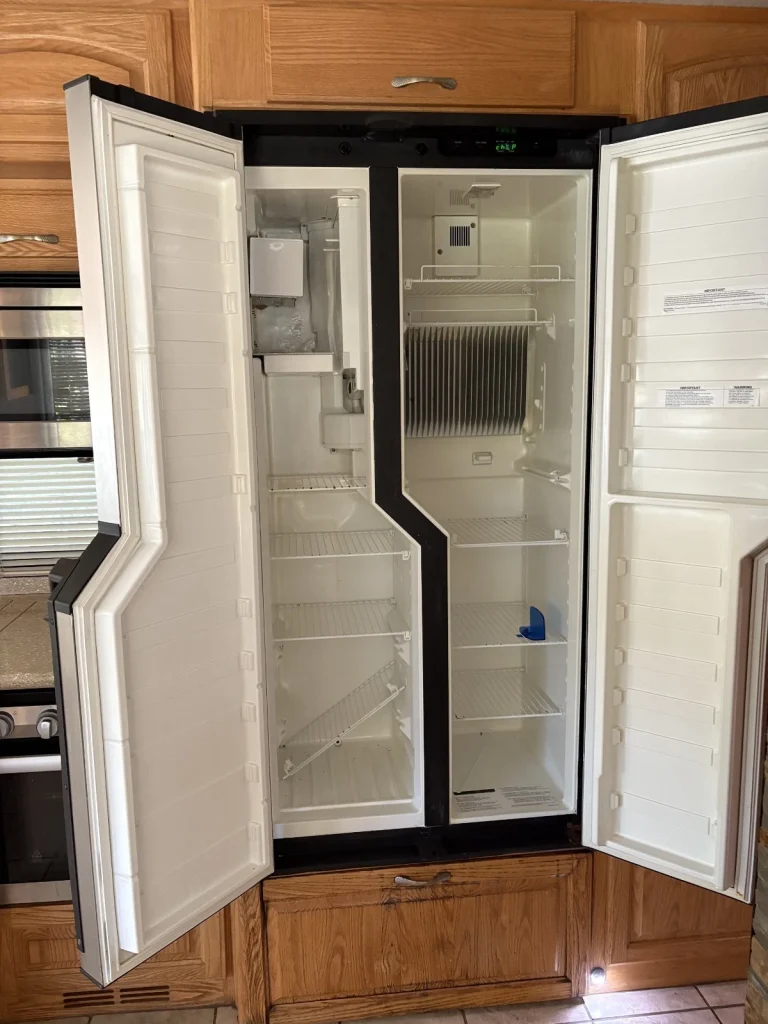
Test the Refrigerator
The refrigerator is one of the most important appliances in a camper.
When inspecting used campers on the market, ask the seller to demonstrate it.
Make sure it cools correctly.
Look for damage.
Ask about its service history.
If it needs replacement, include that cost in your calculations.
Test the Stove and Oven
Turn on each burner.
Test the oven.
Check the ventilation.
Inspect nearby cabinets.
When comparing used campers for sale, think about how much cooking you plan to do.
A practical kitchen may matter much more than an oversized television.
Test the Air Conditioning
Air conditioning can make or break a summer camping trip.
When viewing used campers, turn on the air conditioner.
Listen for unusual noises.
Check airflow.
Allow it enough time to operate properly.
A system that turns on but does not cool adequately needs further investigation.
Test the Heating System
If you plan to camp in colder weather, heating becomes equally important.
When inspecting used campers for sale, test the furnace when possible.
Check the thermostat.
Listen for unusual sounds.
Make sure warm air reaches the expected areas.
Inspect the Bathroom
The bathroom deserves extra attention because it contains several potential sources of water damage.
When viewing used campers on the market, inspect:
- Shower
- Sink
- Toilet
- Flooring
- Cabinets
- Water connections
- Ventilation
Run the water.
Flush the toilet.
Look underneath the sink.
Check for leaks.
Think Carefully About Sleeping Arrangements
Manufacturers often advertise maximum sleeping capacity.
That does not necessarily mean everyone will be equally comfortable.
When comparing used campers for sale, check actual bed dimensions.
Look at bunk sizes.
See whether convertible beds are practical.
Consider privacy.
Think about how the camper will feel when everyone is inside.
Look Closely at Storage
Storage becomes increasingly important on longer trips.
When inspecting used campers, open every cabinet.
Open every drawer.
Check closets.
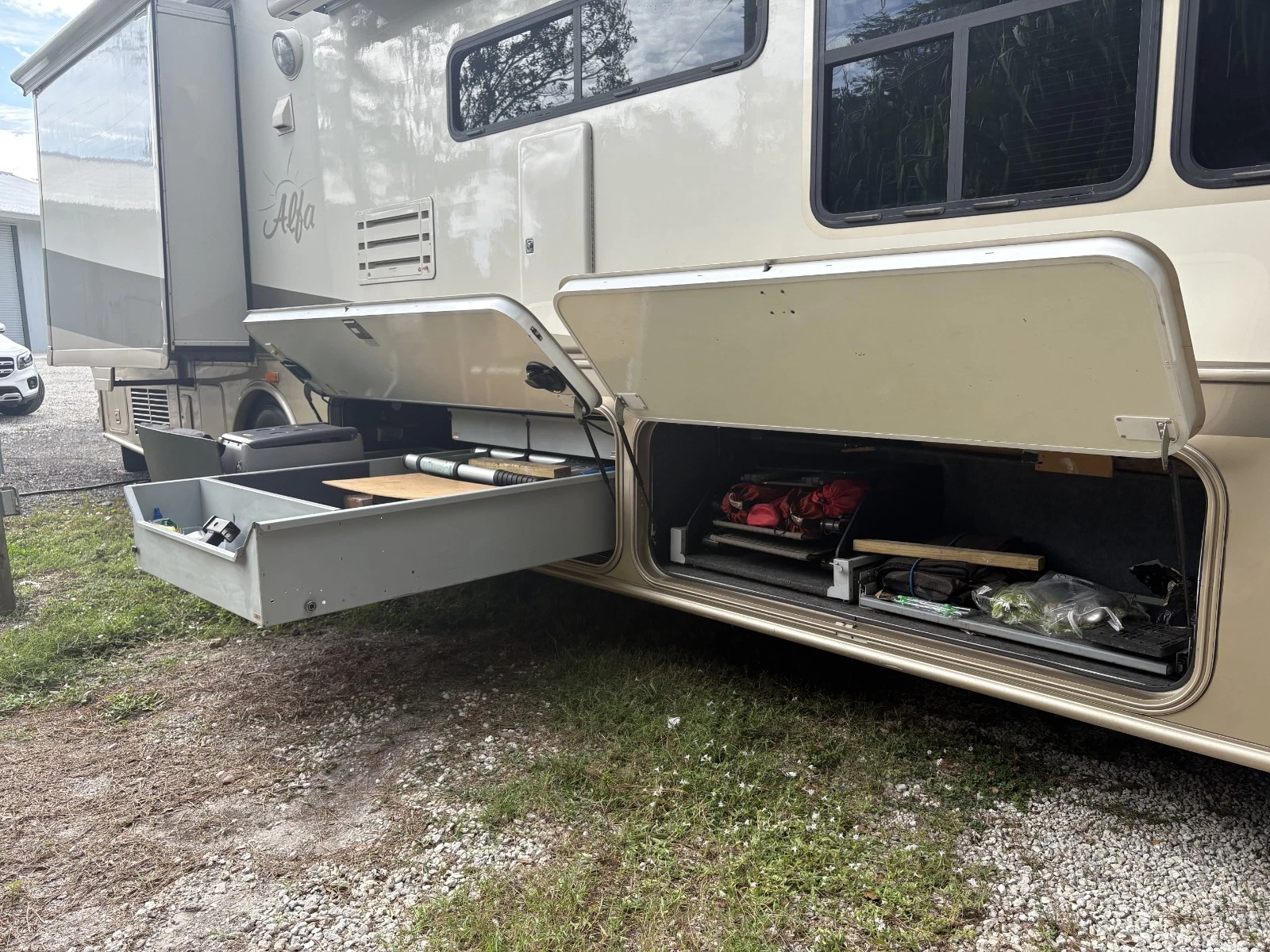
Inspect exterior compartments.
Imagine where you will store:
- Clothes
- Food
- Bedding
- Tools
- Camping chairs
- Cooking supplies
- Outdoor equipment
Good storage can make a smaller camper feel much more comfortable.
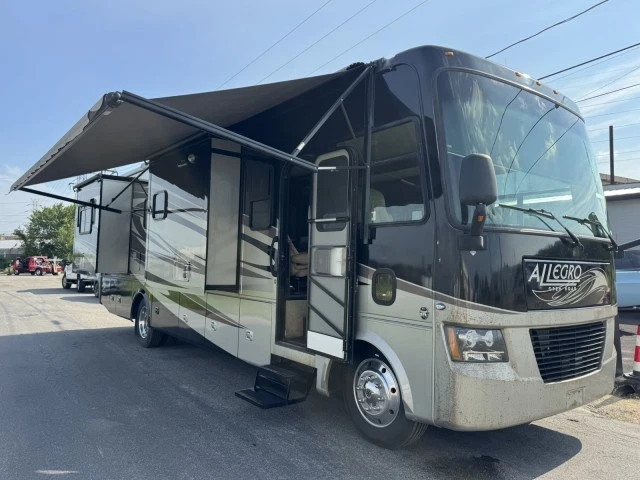
Test the Awning
The awning is an important outdoor living feature.
When viewing used campers for sale, extend it if possible.
Check the fabric.
Inspect the arms.
Test the mechanism.
Look for tears or weather damage.
If it does not operate properly, include repairs in your budget.
Check the Generator
If the camper has a generator, test it.
When inspecting used campers on the market, ask when it was last serviced.
Listen for unusual sounds.
Check whether it powers the appliances you expect it to power.
Ask how often it was used.
Consider Solar Power
Solar equipment can be useful for campers who spend time away from electrical hookups.
When comparing used campers for sale, look beyond the panels themselves.
Ask about:
- Battery capacity
- Inverter
- Charge controller
- Solar panels
- Wiring
- Previous upgrades
A complete system is more important than simply having panels attached to the roof.
Think About Off-Grid Camping
If you enjoy remote camping, your priorities may be different.
You may need larger battery capacity, additional water storage, solar power, and generator capability.
If you mostly stay in established campgrounds, those features may not be as important.
When searching used campers, spend your money on features that match your actual camping style.
Ask About Storage History
Where the camper has been stored can tell you something about its condition.
When viewing used campers on the market, ask whether it was kept:
- Outdoors
- Under a roof
- In enclosed storage
- Near the coast
- In extreme weather
Storage conditions can affect exterior materials, seals, tires, and roof components.
Ask Why the Owner Is Selling
This is one of the simplest questions you can ask.
When considering used campers for sale, ask:
“Why are you selling it?”
The answer could be completely ordinary.
Maybe the family is moving.
Maybe the owner upgraded.
Maybe they simply stopped camping.
Listen carefully.
Then compare the explanation with the camper’s condition.
Request Maintenance Records
Documentation can tell you a lot.
When evaluating used campers, ask for receipts or records relating to:
- Tires
- Roof maintenance
- Brakes
- Bearings
- Batteries
- Appliances
- Plumbing
- Electrical work
- Generator service
A documented history can give you much greater confidence.
Private Seller or Dealer?
Both options can work.
Dealers may offer financing, warranties, service departments, and trade-in options.
Private sellers may have lower prices and personal knowledge of the camper.
When comparing used campers for sale, judge the individual deal rather than assuming one type of seller is always better.
Compare Similar Campers
Never make a purchase decision based on one listing.
When researching used campers on the market, compare several similar campers.
Look at:
- Age
- Condition
- Size
- Floor plan
- Features
- Maintenance
- Tire condition
- Location
- Asking price
This gives you a better idea of market value.
How to Negotiate
Good negotiation starts with preparation.
When looking at used campers for sale, write down everything that needs attention.
Maybe the tires are old.
Maybe the awning is damaged.
Maybe the batteries are weak.
Maybe an appliance is not working.
Maybe the roof needs resealing.
These are legitimate costs.
Use them to make a reasonable offer.
Rather than simply demanding a lower price, explain the expenses you will have to handle after purchase.
Don’t Be Distracted by a Low Price
A cheap listing can be attractive.
But when searching used campers, an unusually low price deserves extra investigation.
Ask why.
Inspect the camper.
Verify ownership.
Look for water damage.
Check the mechanical systems.
Review the paperwork.
A low price is only valuable if the camper itself is worth owning.
When a Camper May Not Be Worth Buying
There are times when walking away is the smartest choice.
Be cautious if you discover:
- Extensive water damage
- Major structural issues
- Serious frame damage
- Unsafe tires
- Major electrical faults
- Significant plumbing damage
- Unclear ownership
- Missing paperwork
- Serious mechanical problems
When viewing used campers for sale, remember that not every problem is worth fixing.
Sometimes the best deal is the camper you decide not to buy.
Common Buying Mistakes
Buying Based on Appearance
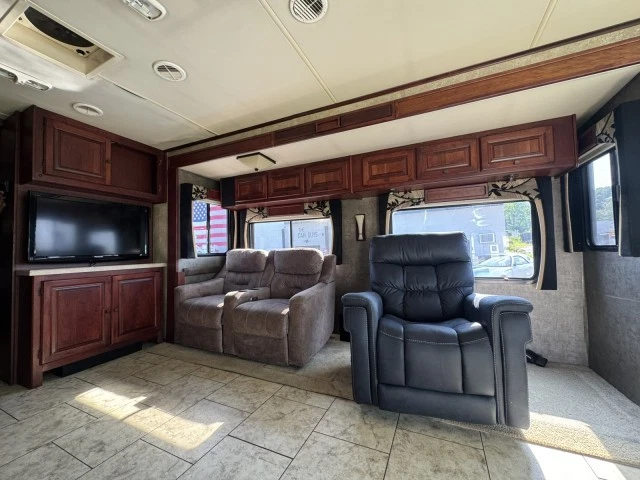
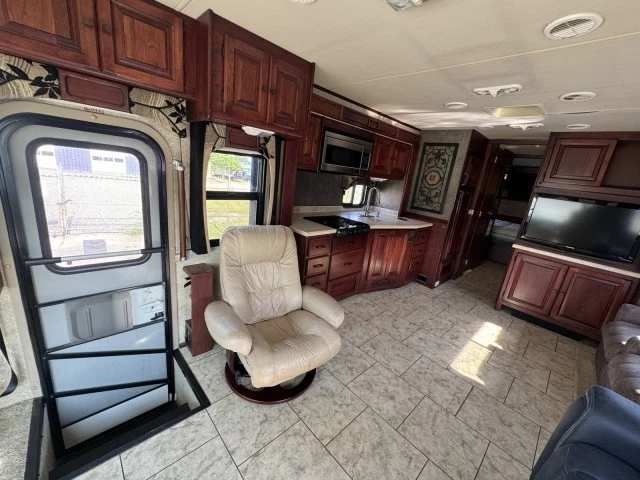
A beautiful interior can hide expensive problems.
Ignoring Water Damage
Moisture problems can spread.
Choosing the Wrong Size
Too large can be difficult to tow and store.
Too small can become uncomfortable.
Ignoring the Tow Vehicle
The vehicle and camper must work together.
Forgetting Tire Age
Old tires can require immediate replacement.
Not Testing Appliances
Do not assume everything works.
Skipping an Inspection
Professional inspection can reveal problems you cannot see.
Spending the Entire Budget
Leave money available for repairs and maintenance.
Rushing the Purchase
There will always be another camper.
A Simple Used Camper Inspection Checklist
Before buying one of the used campers on the market, work through this list.
1. Define Your Camping Style
Know where and how you intend to travel.
2. Set Your Total Budget
Include ownership expenses.
3. Choose Your Camper Type
Decide between travel trailers, fifth wheels, pop-ups, camper vans, and other options.
4. Check Your Tow Vehicle
Verify towing and payload requirements.
5. Inspect the Roof
Look for damaged sealant and water intrusion.
6. Check the Walls
Look for bubbling, stains, and soft spots.
7. Walk the Floor
Watch for areas that feel soft.
8. Test Doors and Windows
Make sure they work correctly.
9. Check Tires
Inspect age and condition.
10. Inspect the Hitch
Look for damage and wear.
11. Test Electrical Systems
Check lights, outlets, batteries, and controls.
12. Test Plumbing
Run faucets, shower, toilet, and water pump.
13. Test Appliances
Check the refrigerator, stove, oven, heating, and air conditioning.
14. Test the Awning
Check operation and fabric.
15. Test the Generator
If included, make sure it operates correctly.
16. Review Maintenance Records
Look for evidence of regular care.
17. Verify Paperwork
Make sure ownership is clear.
18. Get a Professional Inspection
Consider professional help before committing to a major purchase.
How to Make a Used Camper Feel Like Your Own
Once you purchase one of the used campers, you do not have to transform everything immediately.
Start with practical improvements.
A new mattress can make a major difference.
Storage organizers can make cabinets easier to use.
Better lighting can improve the interior.
Additional battery capacity can increase flexibility.
Simple outdoor furniture can make the campsite feel more comfortable.
The key is to upgrade based on how you actually use the camper.
Do not buy accessories simply because they are popular.
Keep Maintenance Simple
Owning a camper does not have to be complicated.
Create a basic maintenance routine.
Inspect the roof periodically.
Check the tires.
Maintain batteries.
Look for plumbing leaks.
Check seals.
Service the generator when necessary.
Keep records of repairs.
When you buy used campers for sale, consistent maintenance can help protect your investment and reduce unpleasant surprises.
Protect Your Camper From Water
Water deserves constant attention.
Inspect seals.
Check roof penetrations.
Look around windows.
Look underneath sinks.
Pay attention to unusual smells.
If you notice a leak, investigate it immediately.
The sooner you find moisture, the easier the problem may be to address.
Frequently Asked Questions
Are used campers worth buying?
Yes. A well-maintained used camper can provide excellent value and may allow buyers to get more features for their budget than buying new.
What should I inspect first?
Start with the roof and look for evidence of water intrusion. Then inspect the ceiling, walls, floor, exterior, tires, and major systems.
How do I know if a used camper is a good deal?
Compare similar campers by age, condition, floor plan, features, maintenance history, and asking price. Consider repair costs as part of the total price.
Should I buy from a dealer or private seller?
Both can be good options. Focus on the condition of the camper, documentation, price, and terms of the transaction.
Can I negotiate the price?
Often, yes. Documented repairs and comparable listings can provide reasonable negotiating points.
Is an older camper automatically bad?
No. Age alone does not determine quality. A carefully maintained older camper can be a very good purchase.
What is the biggest warning sign?
Serious water intrusion deserves immediate attention. Structural damage, unsafe tires, major mechanical faults, and unclear ownership are also significant concerns.
Should I hire an RV inspector?
For a significant purchase, professional inspection can be worthwhile. An experienced inspector may identify problems that are difficult for a first-time buyer to notice.
What should I bring to an inspection?
Bring a flashlight, phone or camera, notepad, and someone knowledgeable about campers if possible. A professional inspection is even better for a major purchase.
How much money should I keep after buying?
There is no universal amount, but it is wise to keep an emergency fund for maintenance, repairs, tires, batteries, and unexpected expenses.
Final Thoughts
Searching for used campers on the market can feel like a lot of work.
There are dozens of layouts.
Different sizes.
Different ages.
Different prices.
Different features.
But the process becomes much easier once you stop trying to find the most impressive camper and start looking for the camper that fits your life.
Start with your camping plans.
If you mostly take weekend trips, you may not need a massive RV.
If you travel with children, sleeping arrangements may become a priority.
If you spend weeks on the road, storage and comfort become much more important.
If you enjoy remote camping, electrical and water capacity may matter more.
There is no universal answer.
That is why the best used campers for sale are not necessarily the biggest or newest.
They are the campers that make sense for the person buying them.
Once you know what you need, the inspection process becomes easier.
Look at the roof.
Check the walls.
Walk the floor.
Inspect the tires.
Test the plumbing.
Test the electrical system.
Run the appliances.
Operate the awning.
Check the generator.
Inspect the hitch.
Review the records.
Verify the paperwork.
And, whenever appropriate, get professional help.
Do not let a beautiful interior distract you from important problems.
A scratched cabinet is usually not a major concern.
An outdated television is not necessarily a reason to walk away.
A worn sofa can be replaced.
Water damage behind the wall is a different story.
A soft floor deserves investigation.
A damaged frame deserves serious attention.
Unsafe tires should not be ignored.
When comparing used campers, learn to separate cosmetic wear from problems that affect safety, structure, or long-term ownership costs.
That is where smart buying decisions are made.
Your tow vehicle also deserves attention.
If you are buying a travel trailer or fifth wheel, make sure the vehicle is capable of handling the loaded camper.
Do not rely on assumptions.
Check manufacturer specifications.
Consider payload.
Consider actual loaded weight.
Think about passengers and cargo.
A properly matched setup can make every trip more enjoyable.
Budgeting is equally important.
The cheapest used campers for sale are not automatically the best bargains.
A camper that needs tires, batteries, roof work, appliance repairs, and suspension work can quickly become expensive.
Sometimes paying more for a clean, maintained camper is the smarter financial decision.
Think about the total cost rather than the sticker price.
Ask yourself what you will spend during the first year.
Then think about the following years.
A good camper should fit comfortably into your finances.
Do not spend everything you have just to get the keys.
Unexpected repairs happen.
Maintenance happens.
Tires wear out.
Batteries age.
Appliances eventually fail.
Planning for those expenses gives you more freedom and less stress.
And remember that patience is an advantage.
If a seller pressures you to buy immediately, slow down.
If a price seems unbelievably low, investigate.
If the paperwork is confusing, stop and clarify it.
If the seller refuses a reasonable inspection, think carefully before proceeding.
There will always be more used campers on the market.
You do not need to buy the first one you see.
You need to buy the right one.
The right camper should make sense financially.
It should fit your tow vehicle if towing is involved.
It should have a layout that works for your travel group.
It should be in reasonable condition.
And it should give you confidence rather than a long list of unanswered questions.
Once you find that camper, everything changes.
You can start planning destinations instead of worrying about listings.
You can think about where you will camp next weekend.
You can imagine waking up beside a lake.
You can picture cooking breakfast outside.
You can plan a family road trip.
You can finally take that long drive you have been talking about for years.
That is the real reason people shop for campers.
It is not simply about owning another vehicle.
It is about having the freedom to travel differently.
A camper can become a small home away from home.
It can give you a comfortable place to sleep after a long day of driving.
It can make spontaneous trips easier.
It can bring friends and family together.
It can turn an ordinary weekend into something memorable.
That is why choosing carefully matters.
When you browse used campers for sale, look beyond the photographs.
Ask questions.
Compare prices.
Inspect carefully.
Think about future maintenance.
Consider how the camper will fit into your everyday life.
Do not buy because something looks impressive.
Buy because it makes sense.
The best purchase is not necessarily the camper with the biggest television, the newest upholstery, or the longest list of features.
It is the camper you can afford, tow, maintain, enjoy, and actually use.
And once you find it, take care of it.
Inspect the roof regularly.
Look after the tires.
Maintain the batteries.
Check seals.
Watch for leaks.
Keep service records.
Deal with small problems before they become large ones.
Good maintenance can make a significant difference over the years.
Ultimately, the search for used campers is really a search for opportunity.
An opportunity to travel.
An opportunity to explore.
An opportunity to spend more time outdoors.
An opportunity to create memories without having to plan every detail around hotels and flights.
So take your time.
Do your homework.
Inspect before buying.
Keep your budget realistic.
Ask the right questions.
And never be afraid to walk away from a camper that does not feel right.
There will be another listing.
There will be another seller.
There will be another opportunity.
The goal is not to own a camper as quickly as possible.
The goal is to find one that makes you excited about where the road can take you.
That is what makes the right used campers for sale worth searching for.
And when you finally find the right one, the paperwork and inspection will be behind you.
The keys will be in your hand.
The road will be waiting.
And your next adventure can finally begin.
Related guides
- Cheap Campers Near Me: A Smart Buyer’s Guide to Finding an Affordable Camper
- Second Hand Campers: 15 Smart Ways to Find a Great Camper Without Overspending
- Campers for Road Trips: 17 Smart Ways to Choose the Right One for Your Next Adventure
- Off Road Campers for Sale: What Experienced Buyers Look For Before Going Beyond the Pavement
Browse more in Campers for Sale or see all buying guides.