Used Class C Motorhomes: 33 Smart Ways to Find a Comfortable RV at the Right Price
There is a moment when shopping for an RV becomes less about dreaming and more about asking practical questions.
At first, every motorhome looks exciting.
You picture road trips, campfires, scenic highways, weekends away, and waking up somewhere completely different from home.
Then you start looking at actual listings.
Suddenly you’re comparing mileage, floor plans, engine types, tires, generators, slide-outs, water systems, maintenance records, and prices.
That’s where buying used Class C motorhomes becomes a little more interesting.
A Class C can be an excellent middle ground.
It’s larger and more residential than many compact camper vans, yet generally less intimidating than a huge Class A motorhome.
For families, couples, and travelers who want a practical RV without going all the way up to the largest motorhome category, that balance can be appealing.
But here’s the important part.
The best used Class C motorhomes aren’t necessarily the newest ones.
They aren’t always the cheapest ones either.
The real goal is finding a motorhome that gives you the right combination of condition, layout, comfort, reliability, features, and price.
This guide takes a down-to-earth approach to doing exactly that.
Why Used Class C Motorhomes Attract So Many Buyers
There’s something familiar about pre-owned Class C motorhomes.
The cab area looks more like a conventional vehicle.
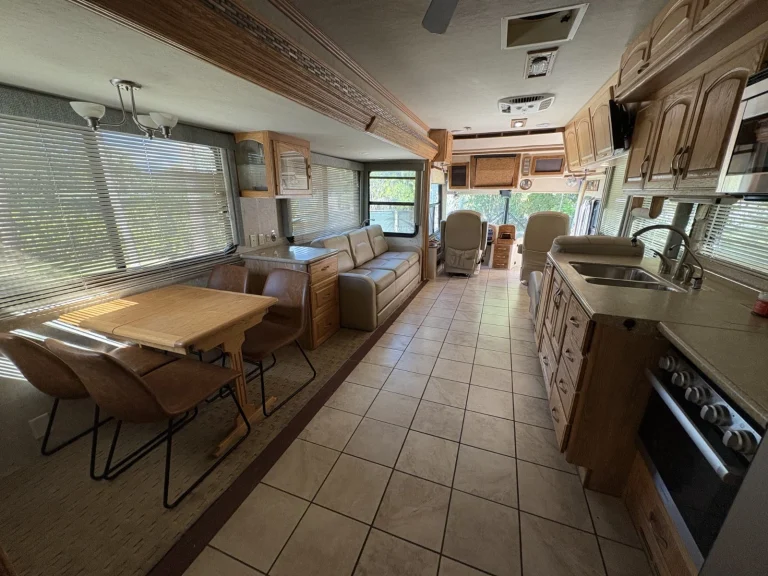
Behind it, however, is a compact living space with beds, kitchen facilities, bathroom space, storage, and room for relaxing.
That combination makes a Class C surprisingly versatile.
You can use one for family vacations.
You can take it on weekend camping trips.
You can travel across the country.
You can spend extended periods on the road.
And because you’re buying used, you may be able to access more features for your budget than you could with a comparable new RV.
They Offer a Useful Middle Ground
Class A motorhomes can be enormous.
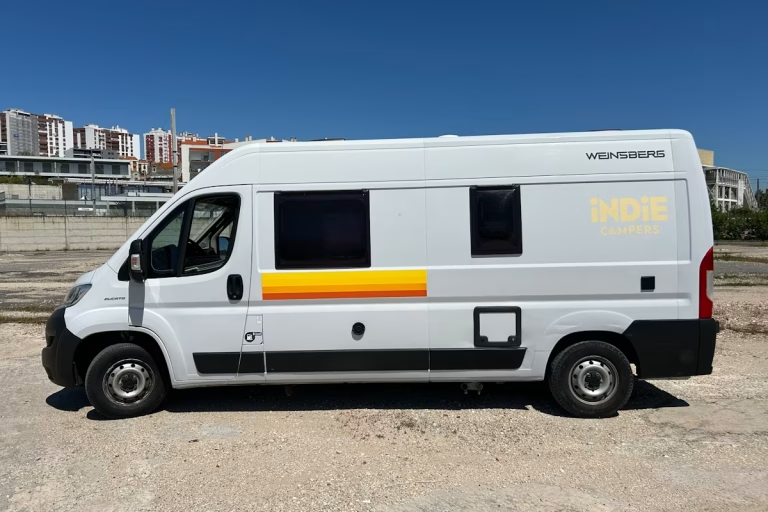
Class B motorhomes can be wonderfully compact but sometimes tight on interior space.
Second-hand Class C motorhomes often sit between those two extremes.
That middle ground is a major part of their appeal.
You get a dedicated cab, a living area, sleeping accommodations, and useful amenities without necessarily stepping into the size of a bus-style motorhome.
Before Shopping, Decide How You Will Use It
Here’s where many buyers go wrong.
They shop for an RV before deciding what they actually need.
Instead, think about your typical trip first.
When considering pre-owned Class C motorhomes, ask yourself whether you’re mainly planning weekend escapes, family vacations, seasonal travel, long-distance road trips, or extended stays.
Your answer should influence almost every other decision.
Weekend Travelers Need Different Things
If you’re mainly taking two- or three-night trips, you may not need enormous storage.
You may care more about easy driving, comfortable sleeping arrangements, a functional kitchen, and a simple setup.
For that kind of buyer, used Class C motorhomes can be particularly attractive.
Long-Term Travelers Need More
If you’re planning to spend weeks or months traveling, the details become more important.
Storage matters.
Bathroom layout matters.
Kitchen space matters.
Seating matters.
Ventilation matters.
Even the location of electrical outlets can become important after you’ve lived inside the RV for a while.
Don’t Choose Based on Pictures Alone
Online photographs are useful.
They’re also incredibly flattering.
A wide-angle camera can make a small room look much larger than it feels in person.
That’s why second-hand Class C motorhomes should always be judged in person whenever possible.
Walk inside.
Sit down.
Stand in the shower.
Open the refrigerator.
Try the bed.
Open cabinets.
Move between the cab and living area.
You’re not just inspecting a vehicle.
You’re imagining your everyday life inside it.
Pay Attention to the Cab
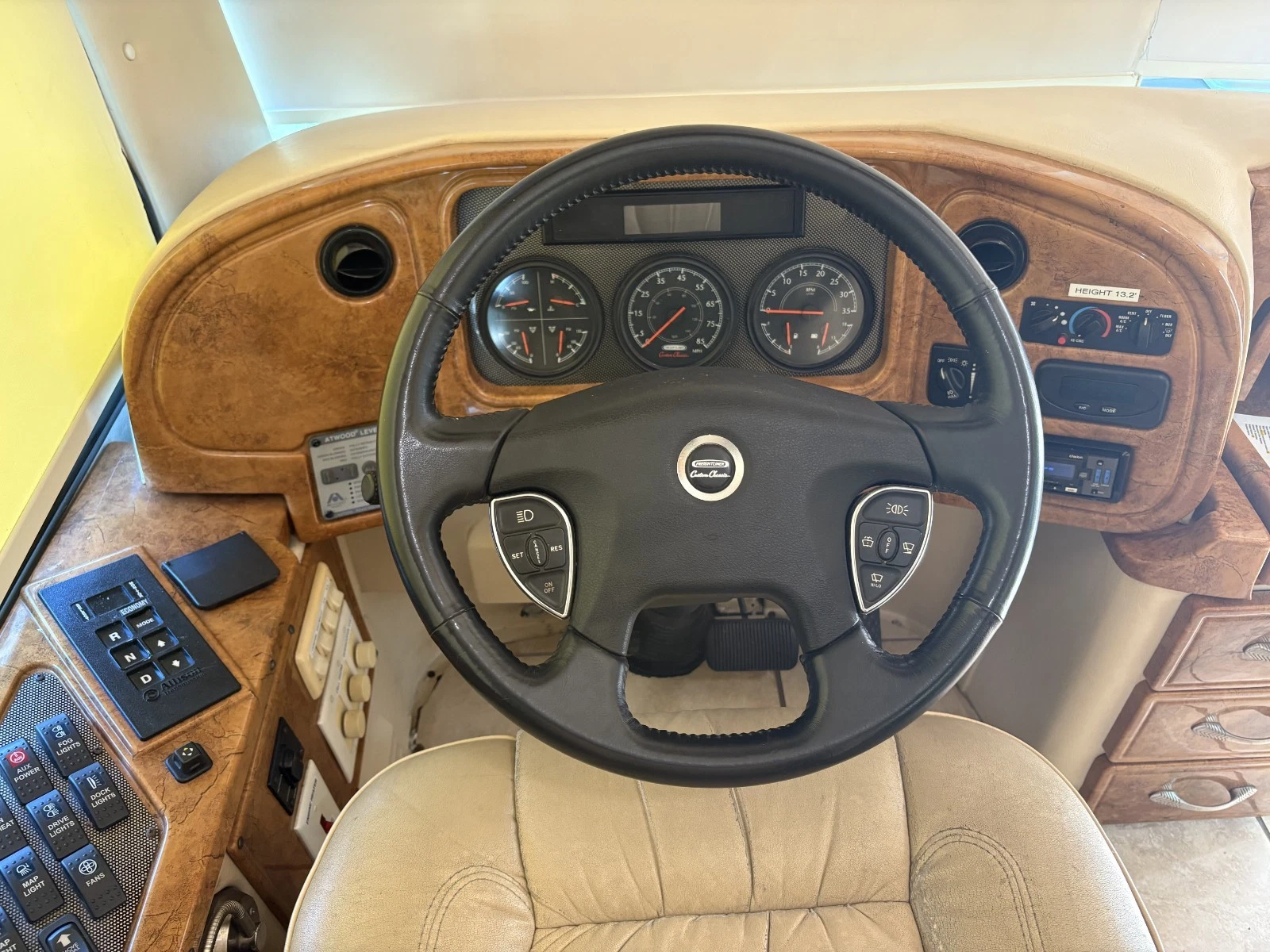
The cab is one of the defining features of pre-owned Class C motorhomes, and it’s where you’ll spend many hours during a road trip.
Sit in the driver’s seat.
Check visibility.
Adjust the mirrors.
Look at dashboard controls.
Check seating comfort.
Think about how easy it is to enter and exit.
Then imagine driving for six hours.
If you’re uncomfortable after ten minutes, a full day on the highway probably won’t feel much better.
Take a Proper Test Drive
A short spin around the neighborhood doesn’t tell you everything.
When evaluating used Class C motorhomes, pay attention to steering, braking, acceleration, road noise, suspension, and transmission behavior.
Listen for unusual sounds.
Watch for warning lights.
Notice whether the vehicle pulls to one side.
If something doesn’t feel right, have it checked.
The Over-Cab Bed Needs a Close Look
That sleeping area above the cab is one of the features people often associate with second-hand Class C motorhomes.
It’s useful because it adds sleeping capacity without taking up the entire living area.
But inspect it carefully.
Check the mattress.
Look at the surrounding walls.
Inspect the ceiling.
Look for water stains or unusual odors.
Check windows and seals.
Because the area is close to the upper portion of the motorhome, moisture problems deserve particular attention.
Water Damage Is Something You Don’t Want to Discover Later
Let’s talk about one of the biggest inspection priorities.
Water.
When examining pre-owned Class C motorhomes, look carefully for signs of moisture intrusion.
Check ceilings.
Inspect walls.
Look around windows.
Check roof seams.
Look inside cabinets.
Examine flooring.
Pay attention to musty smells.
Water damage can begin with something small and become a much larger structural issue.
That doesn’t mean every stain is catastrophic.
It does mean unexplained moisture should never be casually dismissed.
Look for Repairs Too
Fresh sealant isn’t automatically bad.
Neither is a repaired wall.
The question is why the repair was necessary and whether it was done properly.
Ask questions.
Request documentation if available.
A documented repair is much easier to evaluate than unexplained damage.
Don’t Let a Beautiful Interior Make the Decision
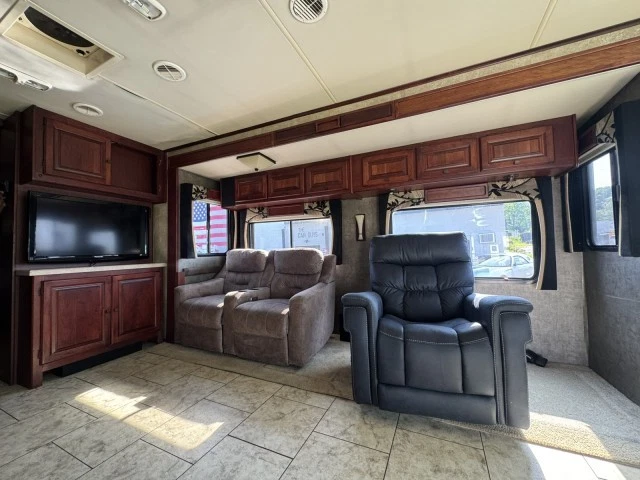
Some second-hand Class C motorhomes look fantastic inside.
New flooring.
Modern upholstery.
Polished cabinets.
Large televisions.
Fresh curtains.
All of that is nice.
But cosmetic improvements don’t tell you what is happening mechanically.
A beautiful interior can sit on top of an aging chassis.
That’s why the inspection needs to start with the whole motorhome—not just the parts that photograph well.
Check the Engine and Chassis
A motorhome is still a vehicle.
That sounds obvious, but it’s easy to forget when you’re thinking about beds, kitchens, and camping.
When looking at used Class C motorhomes, ask about engine maintenance, oil changes, cooling-system service, transmission work, brakes, suspension, and other mechanical history.
If you’re not comfortable evaluating these systems yourself, bring a qualified mechanic.
Maintenance History Can Tell a Story
Records don’t have to be perfect.
But they can tell you whether the previous owner was paying attention.
Look for evidence of routine servicing.
Ask when major maintenance was completed.
Find out what has recently been replaced.
When comparing pre-owned Class C motorhomes, a strong maintenance history can be a meaningful advantage.
Don’t Judge an RV by Mileage Alone
Mileage is important.
It simply isn’t everything.
An RV with very low mileage may have spent years sitting unused.
That doesn’t automatically make it better.
Components age even when the vehicle isn’t moving.
Tires age.
Batteries age.
Seals deteriorate.
Appliances can fail.
Conversely, a higher-mileage motorhome that has been consistently maintained may deserve serious consideration.
When shopping for second-hand Class C motorhomes, look at the complete history.
Tires Deserve Their Own Inspection
Tires are one of those things buyers often remember only after the purchase.
Don’t wait that long.
Check tread.
Check age.
Look for cracking.
Look for uneven wear.
Inspect for damage.
If replacement appears likely, factor that into your budget.
A motorhome can look like a fantastic bargain until you discover that all the tires need replacing.
Test the Generator
If the RV has a generator, use it during your inspection.
When evaluating used Class C motorhomes, ask when the generator was last serviced.
Start it.
Listen.
Let it operate.
Test appliances under the appropriate conditions if possible.
A generator that hasn’t been maintained can become an expensive surprise.
Check the House Batteries
The engine battery and living-area batteries serve different purposes.
Make sure you understand what you’re looking at.
When inspecting pre-owned Class C motorhomes, ask how old the house batteries are and whether they have been replaced recently.
Check charging systems.
If solar equipment is installed, understand how it works.
You don’t need to be an electrical specialist.
You just need to know whether the system is being maintained.
Test Every Appliance You Can
Don’t assume appliances work.
Test them.
When looking at second-hand Class C motorhomes, check the refrigerator, microwave, stove, oven, air conditioner, heater, fans, lights, outlets, and entertainment systems.
Make a list of anything that doesn’t work.
Then estimate repair or replacement costs.
That information can help you determine the motorhome’s real value.
Check the Refrigerator Carefully
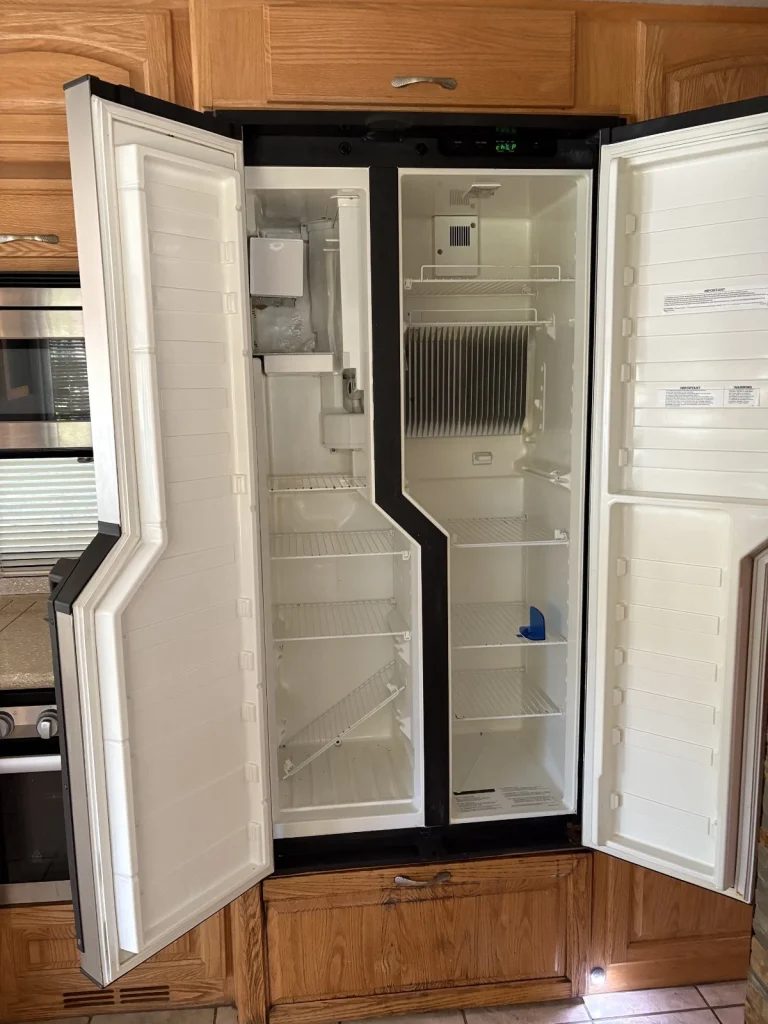
RV refrigerators can be expensive to replace.
That’s why the refrigerator deserves special attention.
When comparing used Class C motorhomes, determine whether the refrigerator cools properly and whether the seller has maintenance or repair records.
Ask whether it has ever been replaced.
A working refrigerator may seem like a small detail until you’re on the road without one.
Test the Plumbing
Run water through the faucets.
Test the shower.
Flush the toilet.
Check the water pump.
Look underneath sinks.
Inspect visible connections.
When inspecting pre-owned Class C motorhomes, plumbing is another area where five extra minutes can reveal useful information.
Look for leaks.
Look for stains.
Look for signs of previous repairs.
Examine the Bathroom
A bathroom may look perfectly acceptable in a photograph.
Then you step inside and realize it’s much smaller than expected.
That is why physical inspection matters.
When viewing second-hand Class C motorhomes, check headroom, door movement, shower space, toilet placement, storage, and ventilation.
Imagine actually using the bathroom during a long trip.
Would you be comfortable?
Think About Kitchen Workflow
You don’t need a huge kitchen.
You need one that works.
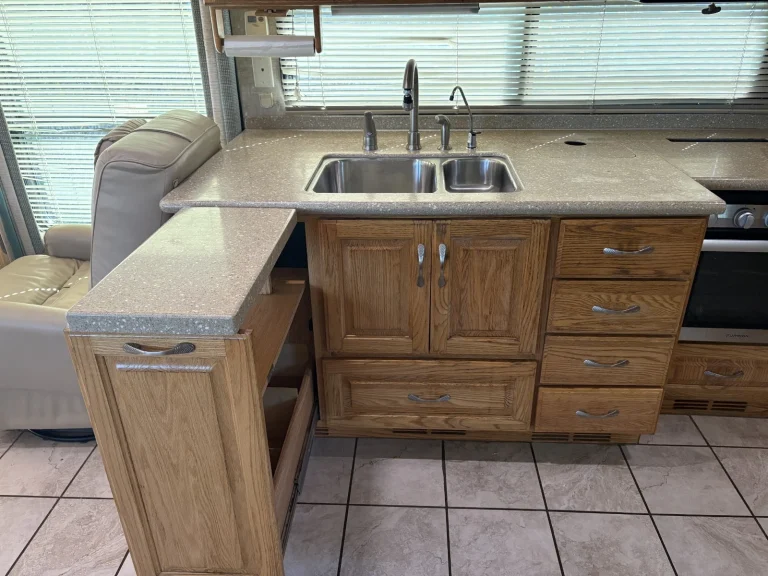
When inspecting pre-owned Class C motorhomes, look at how the sink, refrigerator, stove, countertop, and storage areas relate to each other.
Can you prepare food without blocking the walkway?
Can the refrigerator door open fully?
Is there enough counter space?
Would cooking breakfast for your family feel manageable?
These are practical questions, but they matter.
Storage Is a Bigger Deal Than You Think
You can never have too much useful storage.
Well, maybe that’s not literally true.
But you’ll appreciate every intelligently designed cabinet once you’re on the road.
When comparing used Class C motorhomes, inspect interior cabinets, drawers, wardrobes, under-bed storage, and exterior compartments.
Think about the things you actually bring.
Don’t imagine an empty RV.
Imagine your RV.
Check the Exterior Storage Compartments
Exterior compartments are excellent for bulky equipment.
Camping chairs.
Hoses.
Tools.
Electrical cords.
Outdoor tables.
Sports equipment.
When viewing second-hand Class C motorhomes, open every exterior compartment.
Look for moisture.
Check hinges.
Inspect locks.
Look for corrosion.
Make sure doors close properly.
Slide-Outs Can Change the Entire Experience
If the motorhome has slide-outs, operate them.
When checking pre-owned Class C motorhomes, listen for unusual noises and watch how the slide moves.
It should operate smoothly.
Inspect seals.
Look for signs of water intrusion.
Check flooring around the slide.
A slide-out can dramatically increase living space, but it also adds another system that needs maintenance.
Don’t Forget Windows and Doors
Open everything.
Windows.
Entry doors.
Cab doors.
Storage doors.
Cabinet doors.
When evaluating used Class C motorhomes, make sure everything closes and seals properly.
Look for damaged weather stripping.
Check for drafts or visible gaps.
Small problems can become annoying once you’re camping regularly.
Check the Awning
The awning is easy to overlook because it’s folded away.
Open it.
Inspect the fabric.
Check the arms.
Look for tears.
Make sure the mechanism operates correctly.
When shopping for second-hand Class C motorhomes, an awning that needs replacement should be considered part of the overall cost.
Think About Driving Height
Class C motorhomes are taller than ordinary vehicles.
Before buying pre-owned Class C motorhomes, know the exact height.
Then think about where you plan to drive.
Low-clearance bridges can become serious problems if you don’t know your vehicle’s dimensions.
Write the height somewhere easy to see.
Measure Your Parking Area
This is a surprisingly common oversight.
Measure your driveway.
Measure the entrance.
Check nearby obstacles.
Look for tree branches.
Consider turning space.
Before purchasing second-hand Class C motorhomes, make sure you actually have somewhere practical to keep the vehicle.
Consider Your Camping Style
Where will you camp?
Full-service campgrounds?
State parks?
Private campgrounds?
Remote locations?
Your answer affects which features matter.
For travelers who rely heavily on hookups, certain systems may be less important.
For people who enjoy more independent camping, battery capacity, generator capability, water capacity, and solar equipment can become much more important.
Think About Family Travel
Families are one reason used Class C motorhomes remain popular.
The over-cab sleeping area can provide additional sleeping capacity.
The living area gives children somewhere to sit.
The kitchen provides a place for meals.
The bathroom means fewer emergency stops.
But don’t automatically assume a motorhome advertised as sleeping six will comfortably accommodate six people.
Look at the actual sleeping arrangements.
Consider Couple-Friendly Layouts
For couples, comfort may mean something different.
You might prioritize a larger bed, comfortable seating, a spacious bathroom, or a kitchen that doesn’t feel cramped.
When browsing pre-owned Class C motorhomes, think about how two adults will use the space throughout an entire day.
That’s more useful than simply counting beds.
Set Your Budget Before You Fall in Love
Here’s a simple rule.
Don’t let the RV choose your budget.
Choose your budget first.
When shopping for second-hand Class C motorhomes, determine how much you can comfortably spend.
Then reserve money for maintenance and unexpected repairs.
Remember that ownership includes fuel, insurance, registration, storage, campground fees, maintenance, tires, and other expenses.
Don’t Buy the Cheapest Motorhome Automatically
Cheap used Class C motorhomes can be tempting.
But low price and good value aren’t identical.
A motorhome that costs less but needs major repairs may ultimately cost much more.
Instead, compare total ownership costs.
A well-maintained RV at a slightly higher price can sometimes be the smarter purchase.
Compare Several Motorhomes
Don’t stop after seeing one.
Look at multiple pre-owned Class C motorhomes.
Each inspection teaches you something.
You’ll start recognizing quality differences.
You’ll notice which floor plans work for you.
You’ll become better at spotting questionable repairs.
You’ll also gain a better understanding of pricing.
Knowledge makes negotiation easier.
Ask the Seller Direct Questions
You don’t need a complicated interview.
Start with simple questions.
Why are you selling?
How long have you owned it?
Where was it stored?
How often was it used?
Has it had any accidents?
Has it had water damage?
What has been replaced?
What doesn’t work?
Are maintenance records available?
These questions can reveal a lot about second-hand Class C motorhomes.
Don’t Ignore the Paperwork
Physical condition matters.
Paperwork matters too.
Verify the vehicle identification information.
Check ownership documents.
Review service records.
Make sure the details match.
When buying used Class C motorhomes, never rely solely on verbal promises.
If something important has been promised, make sure it’s properly documented in the transaction.
Consider Buying From a Dealer
Dealers can provide different purchasing experiences from private sellers.
Depending on the dealer, you may have access to financing, inspections, warranties, trade-in options, or other services.
Private sales can sometimes offer competitive pricing.
Neither option is automatically better.
When comparing pre-owned Class C motorhomes, judge the actual vehicle and transaction rather than simply assuming one seller type is superior.
Get an Independent Inspection
If you’re spending a significant amount of money, professional inspection is worth considering.
A qualified RV inspector can examine systems you may not understand.
A mechanic can inspect the vehicle side.
When evaluating second-hand Class C motorhomes, independent advice can give you information that a seller’s description cannot.
Think of an inspection as buying information before buying the RV.
Learn to Negotiate
Negotiation becomes easier when you have evidence.
Suppose the motorhome needs tires.
Maybe the batteries are old.
Perhaps an appliance doesn’t work.
Maybe maintenance is overdue.
Those are concrete issues.
When negotiating for pre-owned Class C motorhomes, explain your offer calmly.
You don’t need to attack the seller.
You simply need to explain the costs you’re taking on.
Look at the RV’s Overall Story
A motorhome has a story.
Maybe it was a family vacation vehicle.
Maybe it was used for occasional weekend trips.
Maybe it traveled thousands of highway miles.
Maybe it sat in storage most of its life.
When shopping for used Class C motorhomes, try to understand that story.
It helps put mileage, maintenance, repairs, and condition into context.
Older Doesn’t Always Mean Worse
This is worth remembering.
Some older second-hand Class C motorhomes have been extremely well cared for.
They may have solid interiors, dependable mechanical systems, and useful floor plans.
Don’t dismiss an RV simply because its model year is older.
Inspect it.
Review its history.
Compare its condition with newer examples.
Age is information—not an automatic verdict.
Think About Future Repairs
Every used vehicle carries some uncertainty.
That’s normal.
When buying pre-owned Class C motorhomes, keep a repair reserve.
You may need to replace an appliance.
You may eventually need new tires.
A battery may fail.
A seal may need attention.
Planning for these possibilities makes ownership much easier.
Consider Resale Value
Even if you plan to keep the RV for years, resale value isn’t irrelevant.
Well-maintained used Class C motorhomes can be easier to sell later.
Keep receipts.
Maintain the vehicle.
Fix small issues.
Protect the interior.
Keep the roof maintained.
Good records can help demonstrate that the motorhome was cared for properly.
Don’t Rush Because of Pressure
If a seller tells you someone else is coming to see the RV in an hour, breathe.
Don’t skip your inspection just because you’re afraid of losing the deal.
There will be other second-hand Class C motorhomes.
A rushed purchase can create years of regret.
A careful purchase can create years of great memories.
Choose carefully.
Know When to Walk Away
Walking away isn’t failure.
Sometimes it’s the smartest thing you can do.
If you discover major water damage, serious structural problems, questionable paperwork, severe mechanical issues, or a seller unwilling to answer reasonable questions, take a step back.
The right pre-owned Class C motorhomes should survive a careful inspection.
You shouldn’t have to ignore obvious problems just because you love the floor plan.
What Makes a Class C Worth Buying?
The best second-hand Class C motorhomes offer a strong balance.
They have a practical floor plan.
They fit your travel needs.
They are mechanically sound.
Their living systems work.
Their documentation makes sense.
Their price reflects their condition.
Most importantly, they fit your lifestyle.
That’s the real definition of value.
A Practical Inspection Checklist
Before buying used Class C motorhomes, run through this list.
Exterior
- Inspect the roof.
- Check windows and seals.
- Examine body panels.
- Look for water damage.
- Check exterior compartments.
- Inspect the awning.
- Examine tires.
Mechanical
- Check engine condition.
- Test the transmission.
- Test brakes.
- Inspect suspension.
- Look for leaks.
- Review maintenance records.
- Take a proper test drive.
Interior
- Inspect flooring.
- Check walls and ceilings.
- Examine the over-cab bed.
- Open cabinets.
- Test doors and drawers.
- Check upholstery.
- Look for moisture.
RV Systems
- Test electrical outlets.
- Test lights.
- Check house batteries.
- Test plumbing.
- Run appliances.
- Test heating and cooling.
- Run the generator.
- Operate slide-outs.
- Check ventilation.
Documents
- Verify ownership.
- Confirm vehicle identification details.
- Review maintenance records.
- Check what equipment is included.
- Read the purchase agreement.
The Questions That Matter Most
If you remember nothing else from this guide, remember these questions when looking at pre-owned Class C motorhomes:
Does it fit my lifestyle?
Can I afford the purchase and ownership costs?
Has it been properly maintained?
Are there signs of water damage?
Do all major systems work?
Is the paperwork clean?
Does the floor plan actually work for me?
Would I still buy it after a professional inspection?
If you can confidently answer those questions, you’re approaching the purchase the right way.
Final Thoughts
Buying second-hand Class C motorhomes should be exciting.
And honestly, it should be.
You’re looking at the possibility of turning ordinary weekends into road trips and ordinary vacations into adventures.
But the smartest buyers don’t let excitement replace common sense.
They inspect.
They compare.
They ask questions.
They check the roof.
They test the appliances.
They drive the motorhome.
They review the records.
They think about future expenses.
Most importantly, they don’t rush.
A good used Class C doesn’t have to be perfect.
It simply needs to be right for you.
The right size.
The right layout.
The right condition.
The right price.
When those pieces come together, used Class C motorhomes can offer an enjoyable and practical way to travel without necessarily paying the premium associated with buying brand new.
So take your time.
Look beyond the photographs.
Look beyond the sales pitch.
Look at the actual vehicle.
If everything checks out, you may have found something much more valuable than a used RV.
You may have found your next way to explore the road.
Frequently Asked Questions About Used Class C Motorhomes
Are used Class C motorhomes worth buying?
Yes. Pre-owned Class C motorhomes can provide a practical combination of living space, sleeping capacity, driving convenience, and value. The condition of the individual RV is more important than simply choosing the newest model.
What should I inspect first?
Start with the roof, ceilings, walls, floors, tires, engine, transmission, brakes, and evidence of water intrusion. Then move through the electrical, plumbing, appliances, and other RV systems.
Is mileage important?
Mileage matters, but it shouldn’t be the only deciding factor. Maintenance history, storage conditions, age, and overall condition are also important.
How can I identify water damage?
Look for stains, soft surfaces, bubbling materials, musty odors, damaged flooring, discoloration, and evidence of previous repairs. If you notice anything suspicious, have the area professionally inspected.
Should I hire an RV inspector?
For buyers who aren’t experienced with motorhome systems, professional inspection can be a very worthwhile expense before purchasing second-hand Class C motorhomes.
Are Class C motorhomes good for families?
Many families appreciate the sleeping arrangements and living space available in Class C layouts. However, always check the actual sleeping capacity and floor plan rather than relying only on the advertised number.
Are older Class C motorhomes reliable?
Some older used Class C motorhomes can be very reliable when they have been maintained properly. Age alone doesn’t determine the condition of a motorhome.
What should I budget for besides the purchase price?
Consider insurance, registration, fuel, maintenance, tires, campground fees, storage, repairs, and possible appliance replacement.
Should I buy from a dealer or private seller?
Both can work. Compare the vehicle’s condition, price, documentation, transaction terms, and any protections included with the purchase.
Can I negotiate the asking price?
Usually, yes. Documented maintenance needs, worn tires, appliance problems, or other issues can give you reasonable grounds for negotiation.
What is the biggest buying mistake?
One of the biggest mistakes is becoming emotionally attached before completing the inspection. Enjoy the possibilities, but make your final decision based on the vehicle’s actual condition and your budget.
How many people can comfortably travel in a Class C?
That depends on the specific floor plan. Some are designed for couples, while others offer sleeping arrangements for larger families. Always test the layout in person.
How do I find the best used Class C motorhomes?
Define your travel needs, establish your budget, compare multiple listings, inspect each vehicle carefully, review maintenance records, and consider a professional inspection before purchasing.
SEO Tags
Related guides
- Motorhomes Near Me: 35 Smart Ways to Find the Right RV Locally
- Motorhomes for Sale: The Complete Guide to Finding the Right RV at the Right Price
- Luxury Motorhomes for Sale: A Smart Buyer’s Guide to Premium RV Travel
- Cheap Used Motorhomes: How to Find an Affordable RV That Is Actually Worth Buying
Browse more in Motorhomes for Sale or see all buying guides.