Used Motorhomes for Sale: A Real-World Guide to Buying the Right Motorhome
Buying a motorhome can be one of those decisions that starts with a simple idea.
Maybe you want to take more road trips.
Maybe you are tired of hotel rooms.
Maybe you want to travel with your family without planning every stop around a flight schedule.
Or perhaps you have always liked the idea of waking up somewhere new and having your own bed, kitchen, bathroom, and living space with you.
Whatever your reason, looking through used motorhomes for sale can be exciting.
It can also become overwhelming very quickly.
There are compact motorhomes, large family models, luxury coaches, older classics, newer used units, and everything in between.
Prices can vary dramatically.
Two motorhomes that look similar in photographs can have completely different histories.
One may have been carefully maintained for years.
Another may have been sitting outside with little attention.
That is why buying a used motorhome requires more than finding an attractive price.
You need to look at the condition, history, layout, maintenance, mechanical systems, and the costs that come after the purchase.
This guide takes a practical approach to finding used motorhomes for sale without getting distracted by the excitement of buying.
The goal is simple: help you find a motorhome that makes sense for your lifestyle and your budget.
Why Consider a Used Motorhome?
There is a straightforward reason many buyers start with used motorhomes.
You can often get considerably more for your money than you would with a brand-new model.
New motorhomes can lose value quickly during their early years.
With a used model, some of that initial depreciation has already happened.
That does not mean every used motorhome is a bargain.
It means there can be opportunities.
A carefully maintained used motorhome may provide plenty of comfort without requiring the same initial investment as a new one.
The key word is maintained.
Condition matters more than simply looking at the model year.
When comparing used motorhomes on the market, always look beyond the age of the vehicle.
Start With Your Travel Plans
Before searching for used motorhomes for sale, ask yourself what you actually want to do with the motorhome.
This question sounds obvious, but it can completely change your decision.
Are you planning weekend trips?
Long vacations?
Cross-country travel?
Family camping?
Seasonal travel?
Extended stays?
Maybe you want something for two people.
Maybe you need space for six.
A motorhome designed for occasional weekend trips may not be the best choice for someone planning several months on the road.
When researching used motorhomes, think about your real lifestyle rather than an imaginary one.
How Many People Will Travel?
Sleeping capacity is important.
But do not simply look at the number printed in an advertisement.
A motorhome might technically sleep six people while being much more comfortable for four.
Look at the actual sleeping arrangements.
Check the bed sizes.
Consider privacy.
Think about whether beds need to be converted from dining or seating areas.
If you are traveling with children, think about storage and movement inside the motorhome.
When comparing used motorhomes on the market, the people using the vehicle should determine the layout.
Choose the Right Motorhome Size
Bigger is not always better.
A large motorhome provides more living space, but it can also be more difficult to maneuver.
It may consume more fuel.
It may require more expensive maintenance.
It may be harder to store.
Smaller motorhomes can be easier to drive and may provide a simpler travel experience.
When looking through used motorhomes for sale, think about where you will drive.
If you frequently visit small towns, national parks, older campgrounds, or narrow roads, size can matter.
Understand the Main Motorhome Classes
When shopping for used motorhomes, you will probably encounter several common categories.
Class A Motorhomes
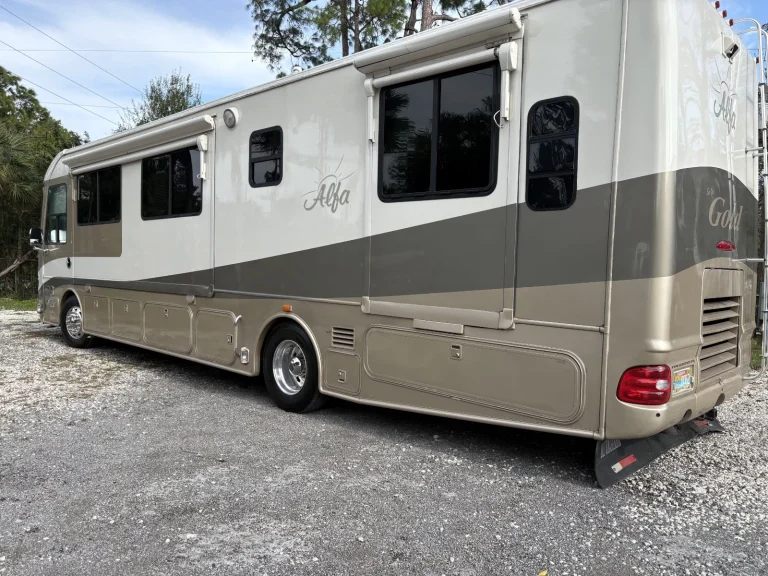
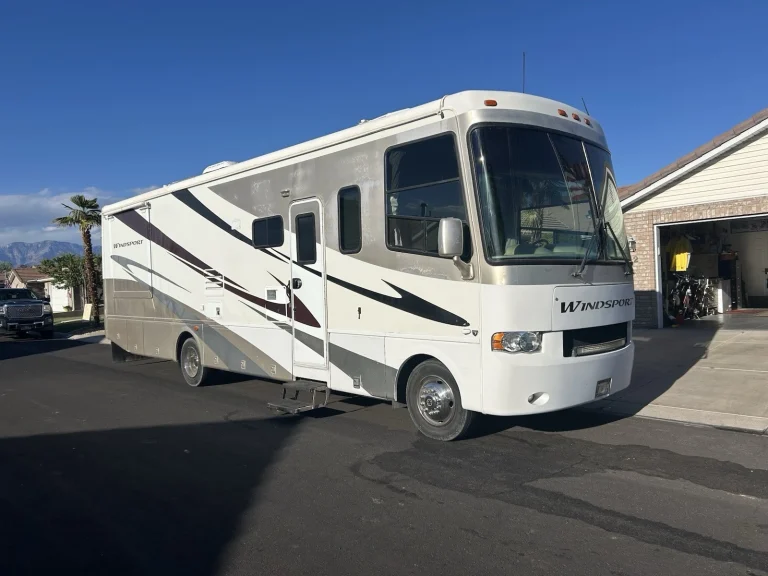
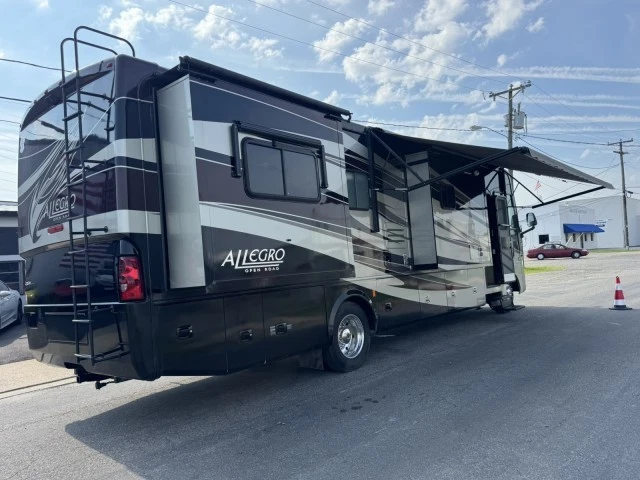
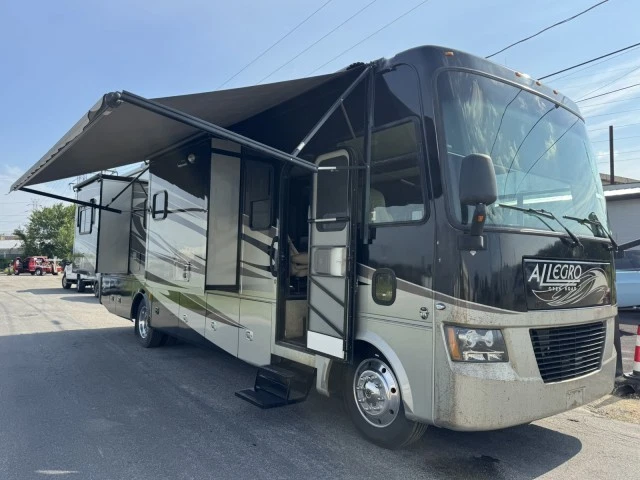
Class A motorhomes are large and often provide substantial living space.
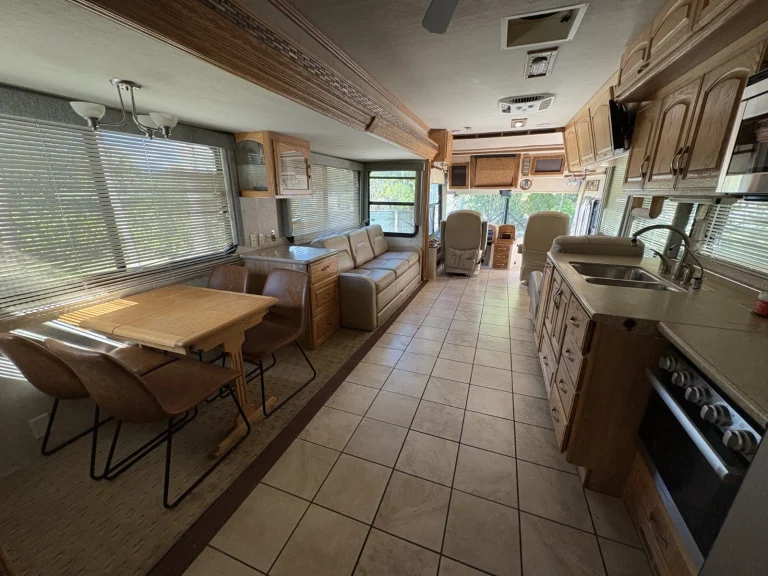
They can feel more like a small apartment than a traditional vehicle.
Many include full kitchens, bathrooms, bedrooms, lounges, and extensive storage.
However, their size can make driving and ownership more demanding.
If you are considering used motorhomes on the market in this category, pay particular attention to mechanical condition.
Class C Motorhomes
Class C motorhomes are recognizable by the sleeping area that extends over the cab.
They are popular because they can provide a useful balance between living space and drivability.
They are available in different sizes.
Some are relatively compact.
Others are large enough for families.
For many first-time buyers looking through used motorhomes for sale, Class C models are worth considering.
Class B Motorhomes
Class B motorhomes are generally built on van platforms.
They are compact and easy to maneuver compared with larger motorhomes.
They can be excellent for couples or solo travelers.
Storage and interior space are more limited, but the trade-off is easier driving.
When browsing used motorhomes, consider whether you value maneuverability more than interior space.
Set Your Budget Before You Fall in Love
One of the easiest mistakes to make when searching for used motorhomes for sale is shopping without a firm budget.
You find a motorhome that looks perfect.
Then you find another with a bigger kitchen.
Then another with a nicer bedroom.
Before long, your original budget has disappeared.
Set a maximum purchase price before visiting sellers.
More importantly, keep some money aside for ownership expenses.
You may need tires.
You may need batteries.
You may need servicing.
You may discover minor repairs after the purchase.
When considering used motorhomes on the market, leave room in your budget for the unexpected.
Think About the Total Cost
The purchase price is only one part of motorhome ownership.
Consider:
- Insurance
- Fuel
- Registration
- Maintenance
- Repairs
- Tires
- Batteries
- Storage
- Campground fees
- Cleaning
- Generator servicing
- Appliance repairs
A motorhome that costs less to purchase may not necessarily cost less to own.
When comparing used motorhomes, think about the next three to five years rather than just the day you sign the paperwork.
Inspect the Motorhome Before Buying
This is where patience pays off.
When visiting used motorhomes for sale, do not simply walk inside, admire the furniture, and decide that you love it.
Inspect the vehicle carefully.
Look underneath.
Look inside cabinets.
Check the roof.
Inspect the engine compartment.
Look at the tires.
Test the appliances.
Run the water.
Check electrical outlets.
The more thoroughly you inspect, the more informed your decision becomes.
Check the Roof First
The roof deserves serious attention.
Water intrusion can cause extensive damage.
Inspect the roof for cracked sealants, damaged areas, unusual patches, and signs of neglect.
Look around vents, skylights, air-conditioning equipment, and other openings.
Then inspect the ceiling inside.
Look for stains.
Check corners.
Open cabinets.
Look for discoloration.
When evaluating used motorhomes on the market, a clean interior does not guarantee a problem-free roof.
If you are uncomfortable climbing onto a motorhome roof, hire someone qualified to inspect it.
Look Carefully for Water Damage
Water damage is one of the biggest concerns when buying a used RV.
Walk across the floor.
Pay attention to soft spots.
Check walls and ceilings.
Open cabinets.
Look underneath sinks.
Inspect around windows.
Smell the interior.
A musty odor can be worth investigating.
Do not assume a small stain is harmless.
Sometimes an old leak has been repaired.
Sometimes it has not.
When comparing used motorhomes, ask the seller directly about previous leaks or water-related repairs.
Inspect the Exterior
Walk around the entire motorhome.
Do not rush.
Look for:
- Cracked panels
- Dents
- Damaged trim
- Loose seals
- Corrosion
- Window damage
- Awning problems
- Storage door damage
- Evidence of previous repairs
A few scratches are normal on a used vehicle.
Structural problems are different.
When looking at used motorhomes for sale, learn to distinguish normal wear from serious concerns.
Examine the Tires
Tires are extremely important.
Check tread depth.
Look for sidewall cracking.
Inspect for uneven wear.
Ask when they were installed.
Low mileage does not necessarily mean good tires.
A motorhome can spend years parked and still have aging tires.
If replacement is needed, calculate the cost before making an offer.
When comparing used motorhomes on the market, tire condition should be part of your price evaluation.
Check the Engine and Mechanical Systems
A beautiful interior cannot compensate for serious mechanical problems.
If you are not mechanically experienced, get professional help.
Check for warning lights.
Listen for unusual sounds.
Look for leaks.
Review service records.
Ask about major repairs.
Pay attention during the test drive.
When shopping for used motorhomes for sale, the engine, transmission, brakes, suspension, and steering deserve serious attention.
Take a Proper Test Drive
Do not take a motorhome around the block for two minutes and call it a test drive.
Spend enough time to understand how it behaves.
Pay attention to:
- Steering
- Braking
- Acceleration
- Transmission
- Suspension
- Engine temperature
- Warning lights
- Unusual noises
If something feels wrong, investigate it.
When evaluating used motorhomes, a test drive can reveal issues that are impossible to see while parked.
Test Every Major Appliance
The interior may look perfect.
That does not mean everything works.
Turn on the air conditioner.
Test the furnace.
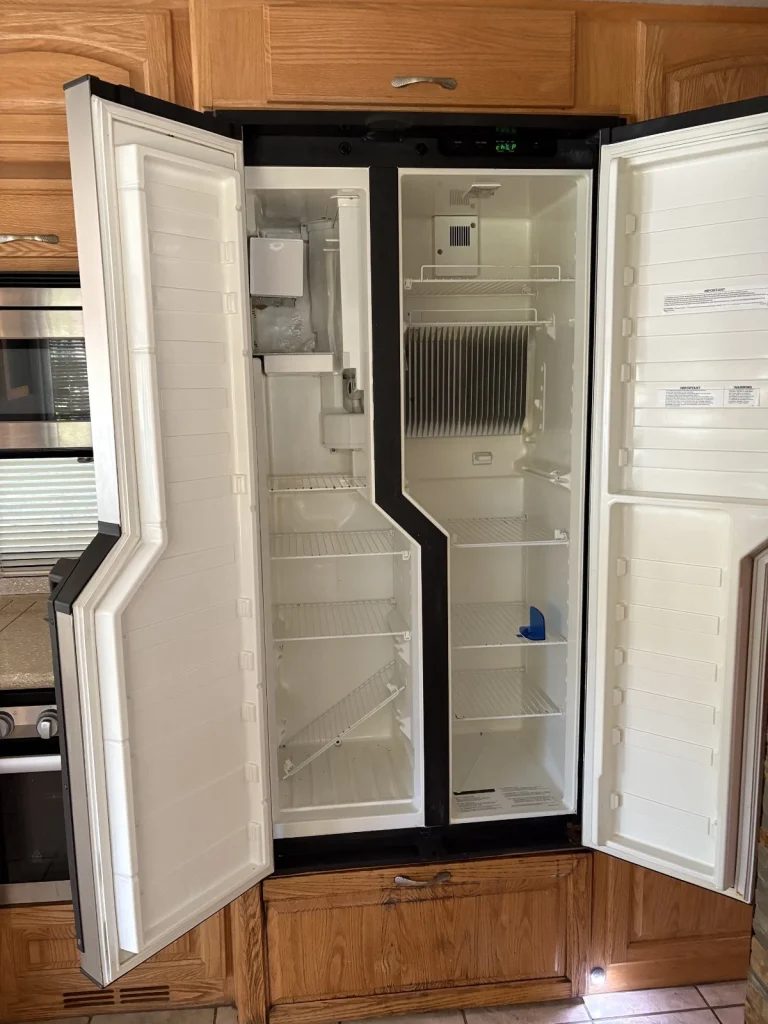
Check the refrigerator.
Test the stove.
Run the microwave.
Turn on the water heater.
If there is a generator, ask to see it operating.
If there are solar panels, ask about the system.
When viewing used motorhomes on the market, working appliances add meaningful value.
Check the Plumbing
Run every faucet.
Check the shower.
Flush the toilet.
Look underneath sinks.
Check for leaks.
Listen to the water pump.
Do not rush this part.
A plumbing problem may be simple.
It can also point to something larger.
When inspecting used motorhomes for sale, test the plumbing rather than assuming it works.
Check the Electrical System
Turn on all interior lights.
Test electrical outlets.
Check switches.
Inspect batteries.
Ask how old the batteries are.
If the motorhome has solar equipment, ask about maintenance.
If it has a generator, ask about servicing.
Electrical problems can become frustrating and expensive.
When comparing used motorhomes, make sure the major electrical systems work as expected.
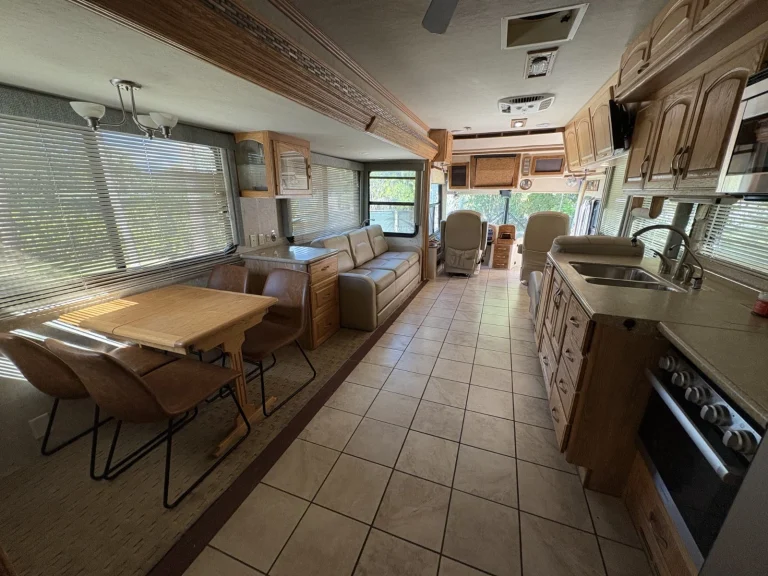
Look at the Interior With Daily Life in Mind
Do not judge a motorhome only by how it looks.
Imagine living in it.
Can you move comfortably?
Is there enough seating?
Does the kitchen have enough workspace?
Is the bathroom practical?
Are cabinets easy to reach?
Can everyone sit comfortably when the weather is bad?
When considering used motorhomes on the market, think about real-life use rather than showroom appearance.
Storage Matters More Than You Think
Storage is easy to underestimate.
You will need room for:
- Clothes
- Food
- Bedding
- Tools
- Cooking equipment
- Camping chairs
- Outdoor gear
- Cleaning supplies
Open every cabinet.
Look inside exterior compartments.
Think about where everything will go.
When comparing used motorhomes for sale, insufficient storage can become one of those small problems that bothers you on every trip.
Ask About the Motorhome’s History
The seller’s story matters.
Ask:
Why are you selling?
How long have you owned it?
How frequently did you use it?
Where did you store it?
Was it stored indoors?
Has it ever leaked?
Has it been involved in an accident?
What repairs have been completed?
When were the tires replaced?
When was the roof serviced?
These questions can help you understand what you are actually buying.
When reviewing used motorhomes, history is part of value.
Request Maintenance Records
Maintenance records can tell you whether the previous owner took care of the vehicle.
Look for records covering:
- Engine service
- Oil changes
- Brake work
- Transmission service
- Generator maintenance
- Roof maintenance
- Tire replacement
- Battery replacement
- Appliance repairs
A motorhome with good records is easier to evaluate.
When comparing used motorhomes on the market, documentation can separate a promising option from an uncertain one.
Dealer or Private Seller?
Both can make sense.
Dealers may offer financing, warranties, service departments, and trade-in opportunities.
Private sellers may offer lower prices and direct knowledge of the motorhome’s history.
Neither option guarantees quality.
The actual vehicle matters more.
When shopping among used motorhomes for sale, judge the condition and documentation rather than assuming one type of seller is automatically better.
Consider an Independent Inspection
A professional inspection can be one of the smartest expenses you make.
An experienced inspector can check systems that an ordinary buyer might overlook.
This can include the roof, structure, electrical systems, plumbing, appliances, chassis, and mechanical components.
For expensive used motorhomes, an inspection can potentially save you from a much larger repair bill.
It can also provide useful information during negotiations.
Compare Multiple Motorhomes
Try not to buy the first one you like.
Visit several.
Take notes.
Record:
- Asking price
- Year
- Mileage
- Condition
- Floor plan
- Tire age
- Roof condition
- Maintenance records
- Appliance condition
- Known repairs
After viewing several motorhomes, the differences become clearer.
When comparing used motorhomes for sale, written notes can keep emotions from controlling the decision.
Do Not Let a Low Price Fool You
An unusually cheap motorhome may be a great deal.
But it may also have problems.
Ask why it is priced so low.
Check the history.
Inspect it professionally.
Calculate potential repairs.
A cheap purchase is not necessarily a cheap ownership experience.
When evaluating used motorhomes on the market, focus on value instead of the lowest number.
Learn How to Negotiate
Good negotiation starts with preparation.
Research similar motorhomes.
Compare condition.
Identify repairs.
Check tire age.
Consider upcoming maintenance.
Then make a reasonable offer.
If you discover problems, use actual costs to support your negotiation.
When negotiating for used motorhomes, facts are more useful than simply asking a seller to “give you a better price.”
Check the Paperwork Carefully
Before buying, verify the documentation.
Check the title.
Confirm the vehicle identification number.
Make sure ownership information matches.
Ask about liens where applicable.
Keep copies of the purchase agreement and other documents.
A mechanically good motorhome with questionable paperwork can create unnecessary problems.
When purchasing used motorhomes for sale, paperwork deserves the same attention as the inspection.
Consider Insurance Before Buying
Get an insurance quote before committing.
Insurance costs can vary depending on the motorhome, value, location, usage, and coverage.
Knowing the approximate cost beforehand helps you understand your actual monthly and yearly expenses.
When comparing used motorhomes on the market, consider insurance as part of the budget.
Think About Storage
Where will you keep the motorhome?
If you have space at home, measure it.
Check height.
Check length.
Think about turning space.
If you need commercial storage, research available options and prices.
Storage is an ongoing cost.
When choosing among used motorhomes, make sure you have a realistic storage plan.
Think About Fuel Consumption
Fuel can become one of the biggest recurring expenses.
Large motorhomes can use significantly more fuel than smaller models.
If you plan to travel frequently, this matters.
A slightly smaller motorhome may cost less to operate over thousands of miles.
When comparing used motorhomes for sale, calculate how much driving you realistically expect to do each year.
Consider Your Favorite Destinations
Think about where you plan to travel.
Do you like large campgrounds?
Small rural campsites?
Mountain roads?
Coastal towns?
National parks?
Busy cities?
A large motorhome may be fantastic on open highways but less convenient in tight spaces.
When researching used motorhomes on the market, choose a vehicle that suits your destinations.
Do Not Buy More Motorhome Than You Need
It is tempting to think more space automatically means more enjoyment.
Not always.
A huge motorhome can be expensive to fuel, maintain, store, and maneuver.
If you mainly travel as a couple, a smaller model may be more practical.
If you have a large family, additional space may be worth the cost.
When browsing used motorhomes for sale, let your actual travel habits determine the size.
Think About Resale Value
Your needs can change.
Perhaps you eventually want something smaller.
Maybe your family grows.
Maybe you travel less.
Maybe you decide to upgrade.
A well-maintained motorhome is generally easier to resell.
Keep records.
Maintain the roof.
Look after the interior.
Service the mechanical systems.
When buying used motorhomes, think about how your motorhome will look to a future buyer.
Avoid High-Pressure Sales
You do not have to buy today.
If a seller says someone else is about to purchase the motorhome, take a breath.
If they refuse an inspection, reconsider.
If the paperwork is unclear, stop.
There will always be other used motorhomes on the market.
Walking away from one questionable deal is better than spending years fixing a bad purchase.
A Practical Buying Process
Here is a simple process you can follow.
Step 1: Establish Your Budget
Set a purchase limit and reserve money for unexpected costs.
Step 2: Decide What You Need
Determine the size, sleeping capacity, layout, and features that actually matter.
Step 3: Research Listings
Start comparing used motorhomes for sale in your area.
Step 4: Visit Several Options
Never rely solely on photographs.
Step 5: Inspect Carefully
Check the roof, tires, exterior, interior, appliances, plumbing, electrical systems, and mechanical components.
Step 6: Review the History
Ask questions and request records.
Step 7: Arrange an Inspection
Consider an independent professional inspection.
Step 8: Compare Total Costs
Include insurance, fuel, storage, repairs, and maintenance.
Step 9: Negotiate
Use evidence to support your offer.
Step 10: Verify the Paperwork
Confirm ownership and documentation before completing the transaction.
This approach makes searching for used motorhomes much less stressful.
What Makes a Used Motorhome a Good Deal?
A good deal is not necessarily the cheapest motorhome.
It is the motorhome where the price makes sense for the condition.
Look for:
- Good maintenance
- Solid roof
- No serious water damage
- Healthy tires
- Reliable mechanical systems
- Functional appliances
- Clean paperwork
- Practical floor plan
- Reasonable operating costs
That is the kind of value worth pursuing when searching used motorhomes on the market.
Common Mistakes to Avoid
Buying Based Only on Appearance
A beautiful interior can distract you from serious problems.
Always inspect underneath the surface.
Ignoring Maintenance History
A motorhome with excellent records can be easier to evaluate.
Spending Your Entire Budget
Keep money available for repairs and maintenance.
Choosing the Largest Model
Buy the size that matches your lifestyle.
Skipping the Test Drive
Mechanical issues may only become obvious when the vehicle is moving.
Skipping an Inspection
Professional advice can be valuable, particularly for expensive purchases.
When looking through used motorhomes for sale, avoiding these mistakes can save you money and frustration.
Frequently Asked Questions
Are used motorhomes worth buying?
Yes. A well-maintained used motorhome can provide excellent value compared with buying new.
The key is to inspect the vehicle carefully and review its history.
What should I check first?
Start with the roof and look for signs of water intrusion.
Then check tires, mechanical systems, structure, appliances, plumbing, electrical systems, and documentation.
Should I hire a professional inspector?
For a significant purchase, it is usually worth considering.
An inspector can identify issues that inexperienced buyers may miss.
Is an older motorhome automatically a bad purchase?
No.
Age is only one factor.
Maintenance and condition can be more important than the model year.
How can I tell if a motorhome is fairly priced?
Compare similar models while considering year, mileage, condition, features, maintenance records, and needed repairs.
Can I negotiate the asking price?
Often, yes.
Research comparable models and use actual repair or maintenance costs to support your offer.
What questions should I ask the seller?
Ask why they are selling, how long they owned it, how it was stored, how often it was used, whether it experienced water damage, and what repairs have been completed.
What is the biggest warning sign?
Serious water damage, structural problems, questionable paperwork, or a seller unwilling to allow a reasonable inspection should all be treated seriously.
Should I buy a large or small motorhome?
Choose according to your lifestyle.
Think about the number of travelers, destinations, storage, fuel costs, and how frequently you plan to travel.
What documents should I check?
Verify the title, vehicle identification number, ownership information, maintenance records, and purchase documentation.
Final Thoughts
Finding the right motorhome is not about rushing toward the cheapest listing or the most beautiful interior.
It is about finding something you can confidently own.
Take your time.
Inspect everything.
Ask uncomfortable questions.
Look underneath the surface.
Check the roof.
Look for water damage.
Inspect the tires.
Test the appliances.
Drive the motorhome.
Review maintenance records.
Verify the paperwork.
And if you are spending serious money, get a professional inspection.
There are plenty of used motorhomes, but not every one deserves your money.
The right motorhome should fit your budget without stretching it to breaking point.
It should provide enough space for the people traveling with you.
It should suit the roads and destinations you plan to explore.
It should have systems that work properly.
And it should have a history that gives you confidence.
Do not worry about finding the perfect motorhome immediately.
The goal is to find a good motorhome at a reasonable price.
When you approach the process patiently, you give yourself a much better chance of finding a vehicle that will provide years of enjoyable travel.
The best part of owning a motorhome is not the vehicle itself.
It is what the vehicle allows you to do.
It can turn an ordinary weekend into a road trip.
It can make spontaneous travel easier.
It can give families a comfortable place to stay.
It can create memories around campfires, lakes, mountains, beaches, and quiet roads.
That is why choosing carefully matters.
When you find one of the used motorhomes for sale that checks the important boxes, the purchase becomes much more than a transaction.
It becomes the beginning of your next adventure.
Related guides
- Buy Motorhome Online: A Practical Guide to Finding the Right Motorhome Without the Pressure
- Affordable Motorhomes: A Real-World Guide to Finding the Right Motorhome Without Overspending
- Affordable Motorhomes for Sale: 29 Real-World Tips for Finding More RV Without Overspending
- Motorhome Dealer: 35 Smart Ways to Choose the Right RV and Buy With Confidence
Browse more in Motorhomes for Sale or see all buying guides.