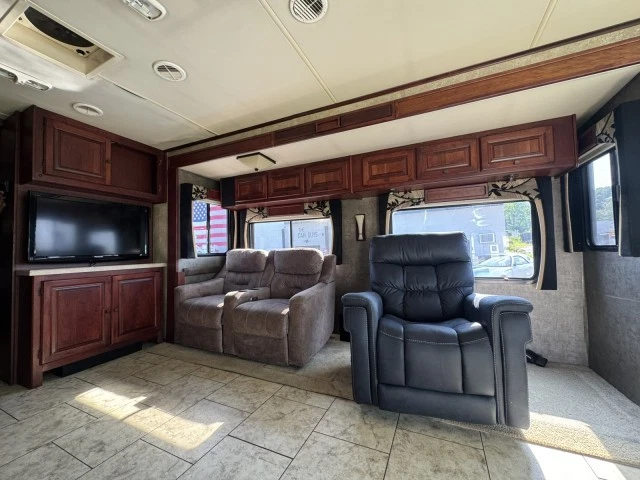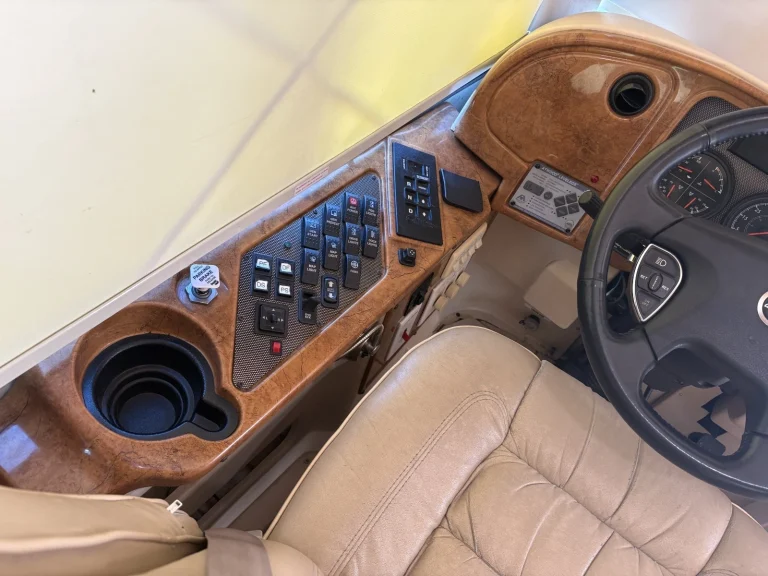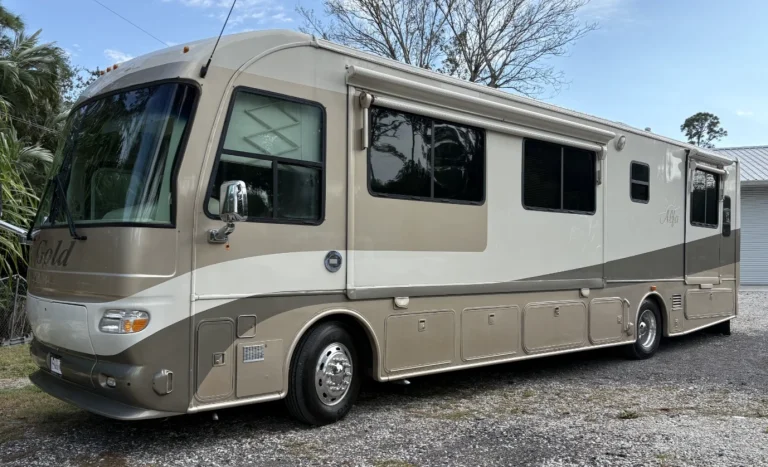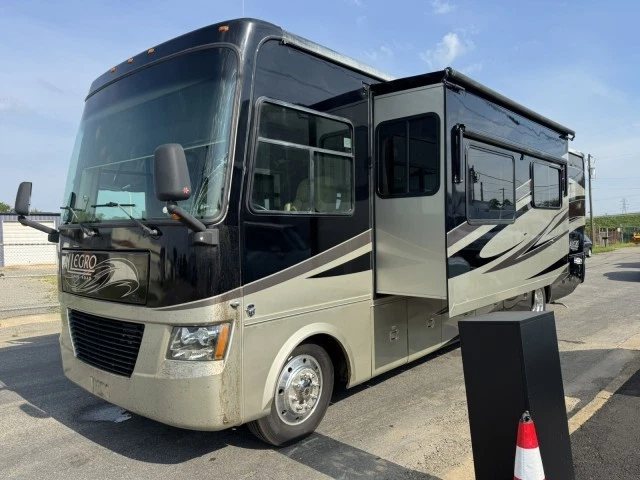
Budget Campers for Sale: How to Find an Affordable Camper That Is Actually Worth Buying
Buying a camper is one of those purchases that can feel exciting and slightly overwhelming at the same time.
You start by imagining weekend trips, long road adventures, quiet mornings beside a lake, and evenings sitting outside with a cup of coffee.
Then you start looking at prices.
That is usually when reality sets in.
Brand-new campers can be expensive. Once you add upgrades, accessories, taxes, insurance, maintenance, and everything else that comes with ownership, the total can climb quickly.
Fortunately, you do not have to buy new to enjoy the camping lifestyle.
There are plenty of budget campers for sale for buyers who are willing to shop carefully.
The important word is “carefully.”
A cheap camper is not automatically a good camper.
Sometimes a low asking price represents a genuine opportunity. Other times, it is simply the beginning of a long list of repairs.
The smartest buyers learn how to tell the difference.
This guide takes a practical approach to finding budget campers for sale without getting distracted by shiny photographs or tempting prices.
We will cover camper types, inspection tips, hidden expenses, negotiation strategies, common mistakes, and questions you should ask before handing over your money.
Why budget campers for sale Can Be a Great Option
There is nothing wrong with buying a used camper.
In fact, used campers can offer excellent value.
Someone else may have already taken care of the initial depreciation. You may also find a camper with useful upgrades that would cost thousands of dollars to add to a new model.
Some owners maintain their campers extremely well.
They keep service records.
They inspect the roof.
They replace tires before they become unsafe.
They maintain appliances.
They clean the interior regularly.
They store the camper properly.
When you find budget campers with this type of history, you may be looking at a genuinely attractive opportunity.
The key is understanding what you are buying.
Start With Your Budget
Before looking through budget campers on the market, establish a realistic spending limit.
Then create a second number for repairs and unexpected expenses.
This is one of the simplest ways to protect yourself.
If your entire budget is $15,000, you probably should not spend the full $15,000 on the camper.
Leave some money available.
You may need new batteries.
You may need tires.
You may need camping equipment.
You may discover a small plumbing issue.
You may want to reseal part of the roof.
When comparing budget campers for sale, remember that ownership costs begin after the purchase.
Think About How You Will Actually Camp
Before choosing among budget campers, think about your lifestyle.
How many people will travel?
How often will you use the camper?
Will most trips be weekends?
Will you take longer vacations?
Do you need a bathroom?
Do you want a kitchen?
Do you need lots of sleeping space?
Will you travel with children?
Will you bring pets?
Will you camp at developed campgrounds?
Will you spend time without hookups?
Your answers will help you narrow down the options.
There is no point buying a huge camper if you mostly travel alone.
Likewise, a tiny camper may become frustrating if you regularly travel with a large family.
When browsing budget campers on the market, let your needs guide the purchase.
Understand Different Camper Types
The phrase “camper” covers many different styles.
Knowing the differences makes it easier to compare budget campers for sale.
Travel Trailers
Travel trailers are available in many sizes.
Small trailers can be easier to tow and store.
Larger trailers can provide more sleeping space, storage, and living room.
Always make sure your tow vehicle is appropriate for the trailer.
When considering budget campers, towing capacity should be one of your first checks.
Pop-Up Campers
Pop-up campers are compact and can be an appealing entry point for new campers.
They can provide sleeping space without the size of a large trailer.
For buyers looking at budget campers on the market, used pop-up campers can be worth considering.
Truck Campers
Truck campers fit into the bed of a suitable pickup truck.
They are compact and can work well for certain travel styles.
However, compatibility with the truck is extremely important.
When evaluating budget campers for sale, always consider weight and payload requirements.
Fifth Wheels
Fifth wheels attach to a specialized hitch in the bed of a pickup.
They can provide substantial living space.
However, the tow vehicle must be suitable.
When shopping among budget campers, look at the entire truck-and-trailer combination.
Cheap Does Not Always Mean Affordable
This is perhaps the biggest lesson to remember.
Imagine finding a camper listed for $7,500.
That sounds inexpensive.
But then you discover that it needs:
- Four new tires
- Roof repairs
- A refrigerator
- Plumbing work
- New batteries
- Interior repairs
The purchase price may be low, but your actual cost could become much higher.
Now imagine another camper listed for $10,500.
It has a solid roof, good tires, functioning appliances, and maintenance records.
The second camper could be the better deal.
When comparing budget campers on the market, think about total cost rather than the advertised price alone.
Inspect Before You Buy
Photographs are useful.
They are not an inspection.
A seller can take beautiful pictures of a clean interior while problems remain hidden underneath.
A rug can hide damaged flooring.
Furniture can hide wall problems.
Good lighting can make an older interior look much better than it actually is.
When looking at budget campers for sale, try to inspect the camper personally before making a serious commitment.
Examine the Roof First
The roof deserves special attention.
Water intrusion can create some of the most expensive problems in an RV.
Look at the seams.
Check roof vents.
Inspect skylights.
Look around air-conditioning equipment.
Examine sealant.
Look for cracks, bubbling, patches, or areas that appear neglected.
Ask the seller when the roof was last inspected.
Ask whether the camper has ever leaked.
When evaluating budget campers, a healthy roof is a major advantage.
Search for Water Damage
Water can quietly cause serious damage.
Inside the camper, inspect:
- Ceilings
- Walls
- Corners
- Windows
- Cabinets
- Floors
- Bathrooms
- Areas beneath sinks
Look for stains.
Look for swelling.
Look for bubbling.
Look for discoloration.
Pay attention to unusual smells.
A musty odor deserves investigation.
When inspecting budget campers on the market, do not ignore small signs of moisture.
Walk Across the Floor
Take a slow walk through the entire camper.
Do not only stand in the doorway.
Walk through the kitchen.
Walk around the bathroom.
Step beside the beds.
Walk through the living area.
Pay attention to soft or spongy areas.
A solid floor is reassuring.
Soft spots should be investigated.
When comparing budget campers for sale, flooring condition can provide important clues about the camper’s history.
Inspect the Walls
Look around windows and doors.
Check corners.
Open cabinets.
Look behind accessible areas.
Watch for bubbling, warping, stains, or discoloration.
Not every mark indicates a major problem.
But unexplained moisture deserves attention.
When considering budget campers, do not let attractive decorations distract you from the underlying condition.
Walk Around the Exterior
Take your time.
Inspect the siding.
Check windows.
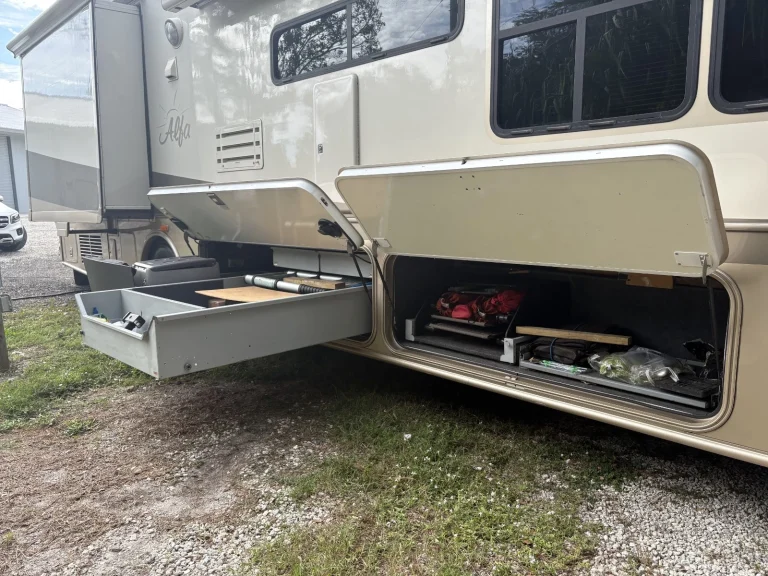
Open storage compartments.
Look at exterior lights.
Inspect doors.
Look for signs of previous accidents or repairs.
A few scratches are normal on a used camper.
The important question is whether the damage is cosmetic or structural.
When viewing budget campers on the market, learn to distinguish ordinary wear from serious problems.
Check the Tires
Tire condition is extremely important.
Do not look only at tread depth.
Ask how old the tires are.
Check for cracks.
Look for uneven wear.
Ask when they were installed.
A camper can have very low mileage and still have old tires.
That is because tires age even when they are not heavily used.
When considering budget campers for sale, tire age should be part of your budget calculation.
Inspect the Hitch and Accessible Undercarriage
For towable campers, inspect the hitch area.
Look for obvious damage.
Check accessible components.
Look for signs of poor repairs.
You do not have to diagnose everything yourself.
If something looks questionable, get professional advice.
When shopping for budget campers, professional assistance can be valuable when you are unsure about a mechanical or structural component.
Test the Electrical System
Do not simply ask whether everything works.
Turn things on.
Test the lights.
Try outlets.
Operate switches.
Test available appliances.
Ask the seller to explain the electrical setup.
When inspecting budget campers on the market, actually testing the systems gives you much more useful information.
Check the Battery
Ask about battery age.
Ask when it was replaced.
Find out how the camper was stored.
Ask whether the battery received regular maintenance.
A battery replacement might be manageable.
But it is still an expense.
When comparing budget campers for sale, remember that several small repairs can quickly increase the total cost.
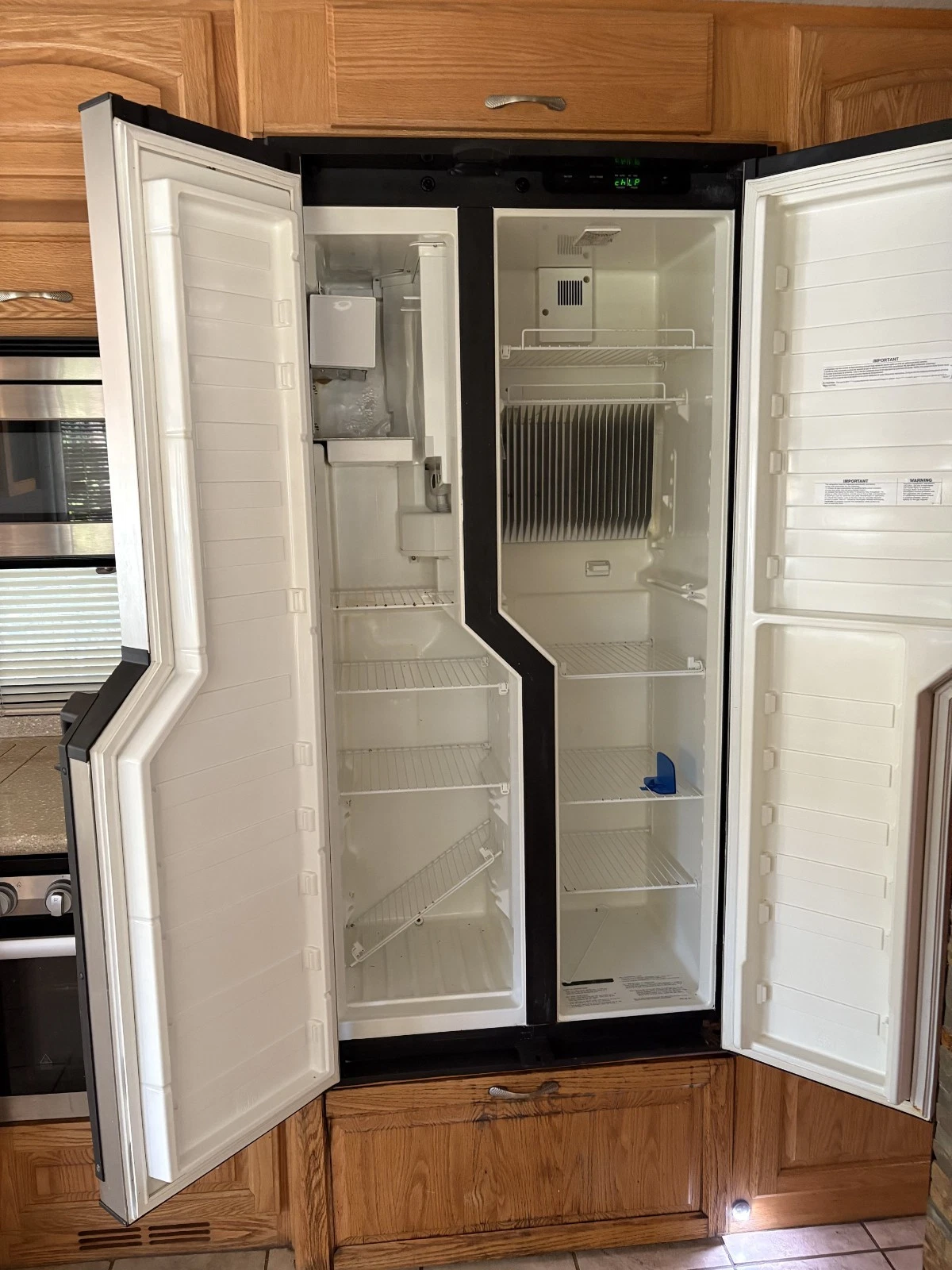
Test the Refrigerator
The refrigerator is one appliance you should not overlook.
Ask the seller to demonstrate it.
Check whether it cools properly.
Ask about its history.
Find out whether it has required repairs.
A refrigerator that looks perfect but does not function correctly can become an expensive inconvenience.
When evaluating budget campers, test important appliances whenever possible.
Test the Stove and Oven
If the camper has a stove or oven, test it appropriately.
Check the condition.
Look for signs of damage.
Inspect the surrounding area.
Make sure everything operates as expected.
When looking through budget campers on the market, functioning kitchen equipment can add considerable practical value.
Test the Air Conditioning
Turn on the air conditioner.
Allow it to operate.
Listen for unusual noises.
Check whether the interior actually cools.
An air conditioner that barely works may need servicing or replacement.
When comparing budget campers for sale, climate control can be more important than an attractive interior.
Check the Heating System
If heating is included, ask about its maintenance.
Test it appropriately.
Ask whether it has ever failed.
Even if you are shopping during warm weather, remember that you may eventually camp during cooler conditions.
When considering budget campers, think about the seasons in which you plan to travel.
Test the Plumbing
Turn on the faucets.
Run the shower.
Flush the toilet if applicable.
Test the water heater.
Look under sinks.
Check visible connections.
Look for leaks.
A small plumbing problem may be easy to fix.
Long-term water damage is a different matter.
When inspecting budget campers on the market, plumbing should always be part of your checklist.
Inspect the Bathroom Carefully
Bathrooms are particularly important because moisture is common.
Check the shower.
Inspect the floor.
Look around the toilet.
Open cabinets.
Check beneath the sink.
Inspect the walls.
When viewing budget campers for sale, bathroom condition can provide clues about moisture and maintenance issues.
Open Every Cabinet
Do not be shy about opening things.
Check kitchen cabinets.
Open drawers.
Inspect bedroom storage.
Look inside bathroom cabinets.
Check exterior storage compartments.
You are not just looking for cleanliness.
You are looking for moisture, damage, missing hardware, and practical storage space.
When comparing budget campers, storage can make a surprisingly large difference to everyday comfort.
Ask About Maintenance
A good conversation with the seller can reveal a lot.
Ask:
When was the camper last serviced?
When were the tires replaced?
Has the roof been resealed?
Has the camper ever leaked?
Have appliances been replaced?
How was it stored?
How often was it used?
When considering budget campers on the market, maintenance history can be just as important as appearance.
Request Service Records
Receipts and service documents are useful.
They can show when repairs were completed.
They can help establish ownership history.
They may show whether the previous owner invested in maintenance.
When comparing budget campers for sale, a camper with organized records can provide additional confidence.
Ask Why the Camper Is Being Sold
There are many normal reasons.
The owner may be upgrading.
They may no longer camp.
Their family may have changed.
They may simply not use it enough.
The answer does not prove whether the camper is good or bad.
But it is useful context.
When evaluating budget campers, compare the seller’s explanation with the actual condition of the camper.
Ask About Storage
Find out where the camper was kept.
Was it stored outdoors?
Under a cover?
Inside?
At a storage facility?
Was it exposed to harsh weather?
Was it left unused for long periods?
Storage can affect seals, tires, roofs, and exterior surfaces.
When shopping for budget campers on the market, storage history is worth knowing.
Older Campers Can Still Be Excellent
Do not automatically reject older campers.
Age alone does not tell the whole story.
An older camper that has been carefully maintained may be a better purchase than a newer camper that has been neglected.
Look at the roof.
Look at the structure.
Check the appliances.
Review maintenance.
Inspect the tires.
When choosing among budget campers for sale, condition should generally matter more than the year on the registration documents.
Cosmetic Problems Are Not Always Serious
Maybe the carpet is old.
Maybe the curtains are dated.
Perhaps the cabinets need refinishing.
Maybe the upholstery has some wear.
These things can often be changed.
You can update the interior over time.
When looking at budget campers, distinguish between cosmetic imperfections and expensive structural problems.
An outdated interior can become a fun renovation project.
A damaged roof is another matter.
Calculate the True Cost
A simple calculation can help:
Purchase price + immediate repairs + registration + insurance + equipment + maintenance = realistic initial cost.
This gives you a better picture.
When evaluating budget campers on the market, do not compare two campers using asking prices alone.
Compare their likely total costs.
Remember Registration and Insurance
The purchase price is not the only financial consideration.
You may need registration and insurance.
Costs can vary depending on the camper and your location.
Get estimates before purchasing.
When considering budget campers for sale, these expenses belong in your budget.
Think About Storage Costs
If you cannot store the camper at home, you may need a storage facility.
That creates another recurring expense.
Think about the camper’s length, width, and height.
Make sure you have enough room if storing it at home.
When comparing budget campers, storage costs can change how affordable an RV really is.
Think About Fuel
If you are buying a motorized RV, fuel can become a major ongoing expense.
Consider how often you travel.
Think about the distances you expect to cover.
Larger motorhomes can require more fuel.
When evaluating budget campers on the market, consider operating costs, not just purchase costs.
Check Towing Requirements
For travel trailers and other towable campers, your vehicle needs to be suitable.
Check:
- Tow rating
- Payload
- Trailer weight
- Hitch requirements
- Passenger weight
- Cargo weight
Do not guess.
Use the appropriate manufacturer information and professional advice when necessary.
When shopping for budget campers for sale, towing compatibility should never be treated as an afterthought.
Be Careful With Extremely Cheap Listings
An unusually low price should make you curious.
It should not automatically make you excited.
If comparable campers sell for $20,000 and one is listed for $6,000, investigate.
Maybe the seller needs a quick sale.
Maybe you found a fantastic bargain.
Or maybe the camper has significant problems.
When searching for budget campers, unusually low prices deserve extra questions.
Watch for High-Pressure Sellers
Be careful if a seller says you must pay immediately.
Be cautious if they refuse an inspection.
Be careful if they cannot explain the paperwork.
A legitimate purchase should allow reasonable due diligence.
When buying budget campers on the market, do not allow someone else’s urgency to make your decision.
Verify Ownership Documents
Before paying, check the appropriate paperwork.
Make sure the identifying information matches the camper.
Verify ownership.
Check for applicable liens.
Follow the required registration and transfer procedures.
When purchasing budget campers for sale, paperwork is just as important as the physical inspection.
Consider a Professional Inspection
If you are spending significant money, a professional inspection can be worthwhile.
An experienced RV technician may identify problems you do not notice.
They can potentially evaluate:
- Roof
- Structure
- Flooring
- Plumbing
- Electrical systems
- Appliances
- Tires
- Mechanical components
When considering budget campers, professional inspection can provide valuable peace of mind.
Compare Several Campers
Do not stop at the first interesting listing.
Compare several.
Take notes.
Record repair requirements.
Compare layouts.
Compare maintenance history.
Compare asking prices.
A simple table can help.
| Category | Camper A | Camper B | Camper C |
|---|---|---|---|
| Asking price | |||
| Roof condition | |||
| Floor condition | |||
| Tires | |||
| Appliances | |||
| Plumbing | |||
| Electrical | |||
| Maintenance | |||
| Repairs needed | |||
| Overall value |
This makes comparing budget campers on the market much easier.
How to Negotiate the Price
Good negotiation starts with information.
If the tires are old, research replacement costs.
If an appliance does not work, understand the potential repair expense.
If the camper has cosmetic problems, decide whether they affect your offer.
If similar campers are listed for less, use those examples.
When negotiating for budget campers for sale, facts are much stronger than simply saying the price is too high.
Be Respectful When Negotiating
You do not need to criticize the seller.
Instead, explain your reasoning.
You can say that the camper looks good overall but requires certain repairs, and your offer reflects those expenses.
A calm conversation is often more productive.
When discussing budget campers, respectful negotiation can make the transaction easier for everyone.
Know When to Walk Away
Walking away is sometimes the best financial decision.
Consider leaving if:
- The seller refuses inspection.
- Ownership documents are unclear.
- Major water damage is discovered.
- Structural problems are significant.
- Repairs exceed your budget.
- You feel pressured to pay immediately.
There will be other budget campers on the market.
Do not allow the time you have already invested to pressure you into a bad purchase.
What Should First-Time Buyers Prioritize?
If you are new to camper ownership, focus on the basics.
Prioritize:
- Structural condition
- Roof condition
- Floor condition
- Tires
- Plumbing
- Electrical system
- Appliances
- Maintenance records
- Documentation
- Suitable layout
Luxury features can come later.
When comparing budget campers for sale, reliability should generally come before appearance.
You Don’t Need Every Luxury Feature
Modern campers can include impressive features.
Large televisions.
Premium appliances.
Advanced entertainment systems.
Decorative lighting.
Smart controls.
Those things can be nice.
But ask yourself whether they are genuinely useful to you.
A simple camper that reliably gets you to your favorite destinations may provide more satisfaction than an expensive camper filled with features you rarely use.
When searching for budget campers, focus on what improves your actual camping experience.
Start With Short Trips
Once you purchase a camper, do not make your first trip an enormous journey.
Start close to home.
Spend a weekend nearby.
Test the systems.
Use the kitchen.
Run the water.
Check the electrical system.
Sleep inside.
Drive or tow it.
This gives you an opportunity to discover problems while you are still close to home.
It is particularly useful with budget campers on the market, because a used camper may need a little attention before a major trip.
Buy Accessories Slowly
You do not need every camping accessory immediately.
Start with essentials.
Depending on your camper, you may need:
- Water equipment
- Electrical equipment
- Leveling equipment
- Basic tools
- Bedding
- Kitchen supplies
- Cleaning products
- Outdoor chairs
- Flashlights
Then add things as you learn what you actually use.
When owning budget campers for sale, gradual spending can help you stay within your overall budget.
Common Mistakes Buyers Make
Buying Only Because the Price Is Low
A low price can hide expensive problems.
Skipping the Inspection
You may overlook issues that are difficult to see.
Ignoring the Roof
Water intrusion can become extremely expensive.
Forgetting Tire Age
Low mileage does not mean young tires.
Not Testing Appliances
A clean appliance is not necessarily a functioning appliance.
Ignoring Towing Capacity
The tow vehicle must be suitable.
Spending the Entire Budget
You need money for repairs and ownership expenses.
Rushing the Purchase
Patience gives you more choices.
Avoiding these mistakes can make your search for budget campers considerably safer.
How to Recognize a Genuine Bargain
A genuine bargain usually looks good in several areas.
The price is reasonable.
The roof is sound.
The floor is solid.
The structure is healthy.
The tires are usable.
The appliances work.
The plumbing functions properly.
The electrical system is operational.
The maintenance history makes sense.
The paperwork is clear.
The layout suits your needs.
When those factors come together, you may have found one of the budget campers on the market that genuinely deserves consideration.
Frequently Asked Questions
Are budget campers for sale worth buying?
Yes. A properly inspected used camper can provide excellent value. The important thing is to evaluate condition, maintenance history, and total ownership costs instead of looking only at the advertised price.
Where can I find budget campers for sale?
You can search private-party listings, dealerships, classified advertisements, online RV marketplaces, and local camper sellers.
What should I inspect first?
Start with the roof and look for signs of water intrusion. Then inspect the floor, walls, exterior, tires, appliances, plumbing, electrical systems, and documentation.
Are older campers reliable?
They can be. A well-maintained older camper can sometimes be a better purchase than a newer camper that has been neglected.
What is the biggest issue to look for?
Water damage deserves particular attention because hidden moisture can affect floors, walls, ceilings, cabinets, and structural components.
Should I hire a professional inspector?
For a significant purchase, professional inspection can be worthwhile. An experienced technician may identify problems that a first-time buyer could easily overlook.
Can I negotiate the price?
Yes. Repair requirements, comparable listings, condition, and maintenance history can all provide reasonable negotiation points.
Should I buy a camper that needs repairs?
It depends on the repairs. Cosmetic upgrades may be manageable, while major structural, roof, or water-related problems require considerably more caution.
Are cosmetic problems a deal breaker?
Not necessarily. Old flooring, curtains, upholstery, and cabinets can often be replaced or renovated over time.
What paperwork should I check?
Verify ownership documentation, identifying information, applicable liens, and the documents required for registration and transfer.
Should I test the camper before buying?
Absolutely. Test the appliances, electrical system, plumbing, climate-control equipment, and other accessible systems. For towable models, make sure your vehicle is appropriate.
How can I avoid overpaying?
Compare several similar campers, inspect them carefully, estimate repair costs, research market prices, and negotiate based on facts.
Final Thoughts: Buy the Camper, Not the Advertisement
Finding budget campers for sale can be a great way to make camping more affordable.
But the process requires patience.
It is easy to get excited when you see a camper with a beautiful interior and an unusually low price.
Take a step back.
Look beyond the photographs.
Look at the roof.
Check the floor.
Inspect the walls.
Look at the tires.
Test the appliances.
Run the plumbing.
Check the electrical system.
Ask about maintenance.
Review the paperwork.
Think about storage.
Think about insurance.
Think about fuel.
Think about repairs.
These details tell you much more than a listing headline.
A camper does not need to be perfect to be worth buying.
Used campers naturally show some signs of age.
Maybe the carpet is worn.
Maybe the cabinets look old.
Maybe the curtains are not your style.
Maybe the exterior has a few scratches.
Those things can often be fixed.
Serious water damage is different.
A damaged structure is different.
Unsafe tires are different.
Major mechanical problems are different.
Unclear paperwork is different.
When evaluating budget campers, learn to separate cosmetic imperfections from problems that could seriously affect ownership costs.
That distinction can save you money.
It can also save you frustration.
Another important point is that your budget should not end at the purchase price.
You need to think about what happens after you bring the camper home.
Will you need storage?
Will you need insurance?
Will you need new tires?
Will you need a battery?
Will you need camping equipment?
Will you need repairs?
Will your tow vehicle be suitable?
When you calculate these costs in advance, you can make a much more realistic decision.
The right budget campers on the market are not necessarily the cheapest ones.
They are the ones that provide a good balance of affordability, condition, usability, and future costs.
That could mean buying an older travel trailer.
It could mean choosing a small pop-up.
It could mean finding a used truck camper.
It could mean purchasing a larger model that has been carefully maintained.
There is no single answer.
Your camping style should determine the answer.
If you travel mostly on weekends, you may prefer something compact.
If you travel with children, sleeping space and storage may become more important.
If you plan extended trips, comfort and reliable systems may matter more.
If you spend time away from hookups, you may need different equipment.
When searching for budget campers for sale, think about the trips you actually want to take.
Do not buy based entirely on what looks impressive online.
Buy based on what you will use.
That is one of the best ways to avoid overspending.
You should also remember that patience is a powerful buying tool.
You do not have to purchase the first camper you inspect.
You can compare several.
You can ask questions.
You can negotiate.
You can bring someone knowledgeable with you.
You can hire a professional inspector.
And if something does not feel right, you can walk away.
There will be another listing.
There will be another seller.
There will be another opportunity.
When you find budget campers that combine a reasonable price with a solid condition and clear documentation, you are in a much stronger position.
That is when buying used starts to make sense.
You are not simply chasing a cheap price.
You are looking for value.
And value is what makes a camper enjoyable after the transaction is over.
Imagine having a camper that is ready for a weekend away.
You pack your clothes.
Load the food.
Bring your outdoor equipment.
Hook up or prepare the camper.
Then head out.
Maybe you visit a nearby campground.
Maybe you spend a few days beside a lake.
Maybe you take the family somewhere new.
Maybe you simply escape the normal routine for a couple of days.
That is the experience you are ultimately buying.
The camper is just the vehicle that makes it possible.
This is why budget campers on the market can be so appealing.
You can potentially spend less on the initial purchase and keep more money available for travel, upgrades, maintenance, and experiences.
But affordability should never mean ignoring condition.
Inspect carefully.
Ask questions.
Check records.
Verify ownership.
Calculate repair costs.
Think about long-term expenses.
When necessary, get professional help.
And do not let a low price rush you into making a decision.
The smartest buyers are not always the people who negotiate the biggest discount.
They are the people who understand exactly what they are buying.
They know what needs to be repaired.
They know what the camper is worth.
They understand the ongoing costs.
They know whether the layout fits their lifestyle.
And they are comfortable walking away if the numbers stop making sense.
That is the mindset you want when searching for budget campers for sale.
Do not chase perfection.
Look for sound condition.
Do not chase the lowest possible price.
Look for value.
Do not chase every luxury feature.
Look for practical features you will actually use.
And do not rush.
A good camper purchase should feel exciting, not stressful.
Once you find the right one, take care of it.
Keep the roof maintained.
Monitor the tires.
Maintain the plumbing.
Look after the batteries.
Keep the interior clean.
Store it properly.
Address small problems before they become large ones.
Those habits can help protect your investment.
Most importantly, use the camper.
A camper sitting unused is not giving you much value.
Take trips.
Explore new places.
Spend time outdoors.
Invite family and friends.
Create memories.
That is the real reason to search for budget campers.
You are not simply looking for a cheaper vehicle.
You are looking for an affordable way to experience more freedom.
And with patience, careful inspection, realistic budgeting, and a little common sense, buying used can be a very practical way to get started.
So make your checklist.
Set your budget.
Research the different camper types.
Compare multiple listings.
Inspect everything.
Ask questions.
Review the paperwork.
Calculate the total cost.
Negotiate fairly.
And walk away when the numbers do not make sense.
The perfect camper may not exist.
But the right camper for your needs can be out there.
When you find budget campers for sale that offer the right combination of price, condition, practicality, and reliability, you may have found exactly what you were looking for.
And once the paperwork is complete, the real adventure can finally begin.
Related guides
- Campers for Weekend Camping: 13 Smart Ways to Choose the Right One
- Compact Campers for Sale: The Smart Buyer’s Guide to Finding a Small Camper That Fits Real Life
- Truck Campers for Sale: The Experienced Traveler’s Guide to Choosing the Right One
- Buy Campers Online: A Smarter Way to Find the Right Camper at the Right Price
Browse more in Campers for Sale or see all buying guides.