Used RVs in Excellent Condition: 29 Expert Tips for Finding a Well-Kept RV at a Great Price
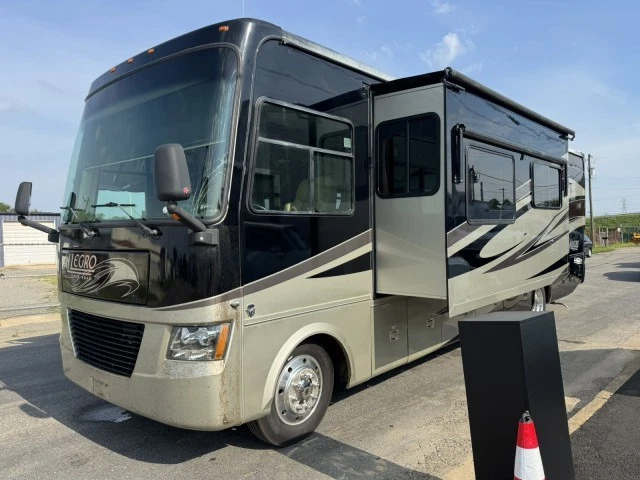
There is something exciting about buying an RV.
You start imagining weekend escapes.
You picture waking up somewhere beautiful, making coffee inside your own little home on wheels, and taking off whenever the road calls.
But there is another side to RV shopping that is less exciting.
Inspection.
Maintenance records.
Tires.
Roof seals.
Appliances.
Water damage.
Ownership history.
Those details may not sound glamorous, but they can determine whether your RV becomes a source of great memories or an expensive project.
That is why finding used RVs in excellent condition requires a different mindset.
You are not simply looking for an RV that looks nice.
You are looking for an RV that has been treated well.
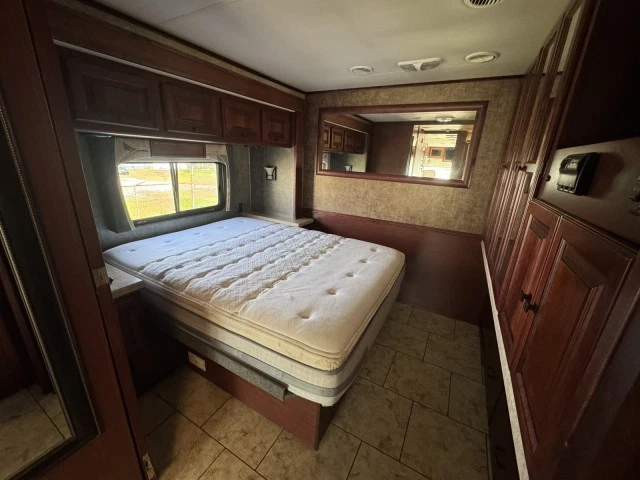
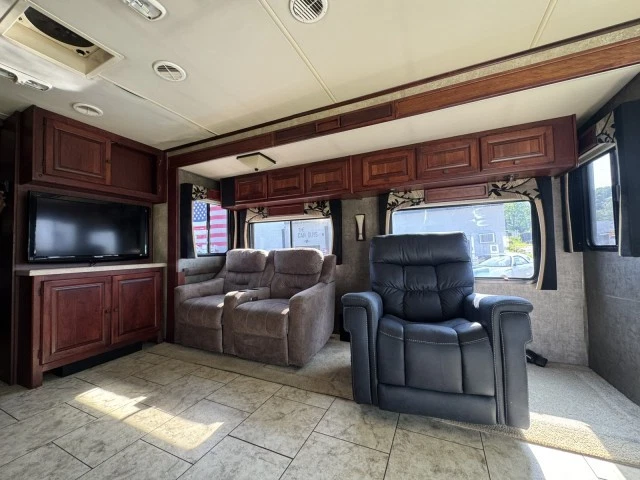
A clean interior is great.
A shiny exterior is great.
Fresh upholstery is great.
But what is underneath those things matters even more.
Some used RVs in excellent condition can provide years of comfortable travel at a much lower price than buying new.
The trick is learning how to recognize them.
This guide will walk you through that process in a practical, straightforward way.
No complicated jargon.
No unnecessary sales talk.
Just the things that deserve your attention before you hand over your money.
What Does “Excellent Condition” Really Mean?
The phrase “excellent condition” gets used frequently in RV listings.
But buyers should never take the description at face value.
For a serious buyer, well-kept used RVs should generally have a sound structure, properly maintained systems, a cared-for interior, good tires, a serviceable roof, and no major unresolved water intrusion.
Minor cosmetic imperfections are not necessarily a problem.
A small scratch.
A faded decal.
A little wear on a cabinet.
Those things are normal on a used RV.
What matters is whether the important components have been maintained.
Condition Is More Important Than the Model Year
A newer RV is not automatically a better RV.
Imagine two vehicles.
One is relatively new but has been neglected.
The other is older but has been carefully maintained by an owner who kept detailed records and stored it properly.
The older RV may be the smarter purchase.
That is why buyers searching for used RVs in excellent condition should consider the complete history rather than focusing only on the year.
1. Begin With Your Real Budget
Before looking at pre-owned RVs in top condition, decide what you can comfortably afford.
Do not make your entire budget the purchase price.
You will need money for registration, insurance, maintenance, fuel, campground fees, accessories, and possible repairs.
Even an excellent used RV can need routine servicing after you buy it.
A smart buyer keeps an emergency reserve.
That way, a surprise repair does not immediately become a financial crisis.
2. Know What Kind of RV Fits Your Lifestyle
There is no single “best” RV.
A couple taking weekend trips may want something compact.
A large family may need a bunkhouse.
A full-time traveler may prioritize storage, workspace, and residential-style features.
Someone who wants to explore remote areas may have different requirements again.
Before comparing used RVs in excellent condition, determine how you expect to use the RV.
Your travel plans should influence your purchase.
Not the other way around.
3. Walk Around the RV Before Going Inside
This is a simple but useful inspection habit.
Start outside.
Walk slowly around the entire RV.
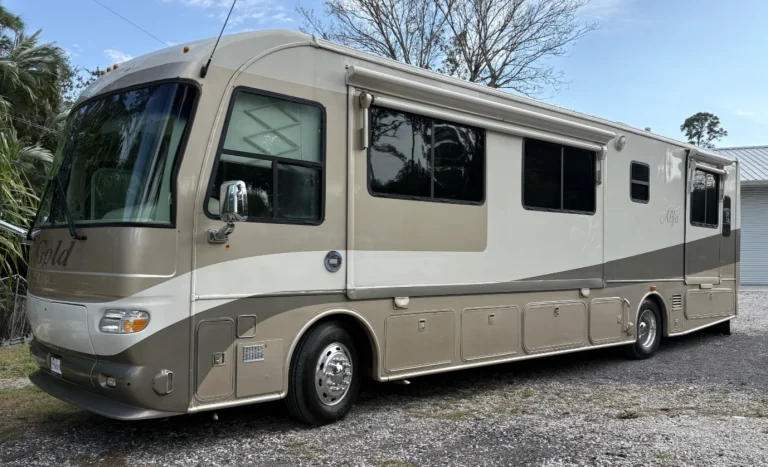
Look at the body.
Check the windows.
Inspect doors.
Look around exterior storage compartments.
Examine seams and trim.
Look underneath where accessible.
You are looking for anything unusual.
Cracks.
Bulges.
Loose trim.
Poorly finished repairs.
Water stains.
Fresh sealant in suspicious locations.
None of these automatically means the RV is bad.
But each one deserves a question.
The strongest well-kept used RVs should give you a generally reassuring first impression.
4. Inspect the Roof
If you can safely inspect the roof, do it.
The roof takes a tremendous amount of abuse from weather.
Sun.
Rain.
Wind.
Temperature changes.
Over time, sealants can deteriorate.
Look around vents.
Inspect seams.
Check roof penetrations.
Look at the air-conditioning area.
Examine skylights.
You want to know whether the roof has been maintained.
Why Roof Maintenance Matters
A tiny roof problem can eventually become a large interior problem.
Water may travel behind walls.
It may affect insulation.
It can damage flooring.
It can weaken structural materials.
By the time you notice an obvious interior stain, the problem may already be significant.
Regular roof maintenance is one of the characteristics you want to see in used RVs in excellent condition.
5. Search for Water Damage
This is one of the biggest inspection priorities.
Look at ceilings.
Check corners.
Open cabinets.
Inspect around windows.
Look beneath sinks.
Walk across the floor.
Pay attention to soft spots.
Use your nose, too.
A persistent musty smell deserves investigation.
Do not assume a new-looking interior means there has never been a leak.
A cosmetic renovation can hide previous damage.
That is why serious buyers spend time checking for water intrusion when evaluating pre-owned RVs in top condition.
6. Check the Walls
Run your eyes along the walls.
Look for discoloration.
Bulging.
Uneven surfaces.
Softness.
Signs of repair.
Pay attention around windows and roof-mounted equipment.
If something looks unusual, ask the seller about it.
A straightforward seller should be willing to explain repairs.
A vague answer does not necessarily prove there is a problem, but it is a reason to investigate further.
7. Walk Across Every Part of the Floor
Do not inspect only the obvious areas.
Walk through the kitchen.
Move around the bathroom.
Stand near the beds.
Check the dining area.
Walk through the main living space.
You are looking for softness, movement, or unusual unevenness.
A solid floor is reassuring.
A soft section should be investigated.
Floor damage can sometimes be associated with moisture problems.
This is another reason why the best used RVs in excellent condition deserve a careful inspection rather than a quick walk-through.
8. Open Every Cabinet
Cabinets are surprisingly useful during an RV inspection.
Open them.
Look inside.
Check corners.
Look underneath sinks.
Inspect the back panels.
Search for stains or signs of moisture.
You can also learn a lot about how the previous owner treated the RV.
An organized, clean interior does not prove perfect mechanical condition.
But combined with maintenance records and a solid inspection, it can be a positive sign.
9. Test the Plumbing
Turn on every faucet you can.
Check water pressure.
Run the shower.
Flush the toilet.
Look beneath sinks.
Check for leaks.
If there is a water heater, ask whether it works correctly.
Do not assume that plumbing is fine because the fixtures look clean.
Actually test them.
Water problems are much easier to identify before purchase than during your first camping trip.
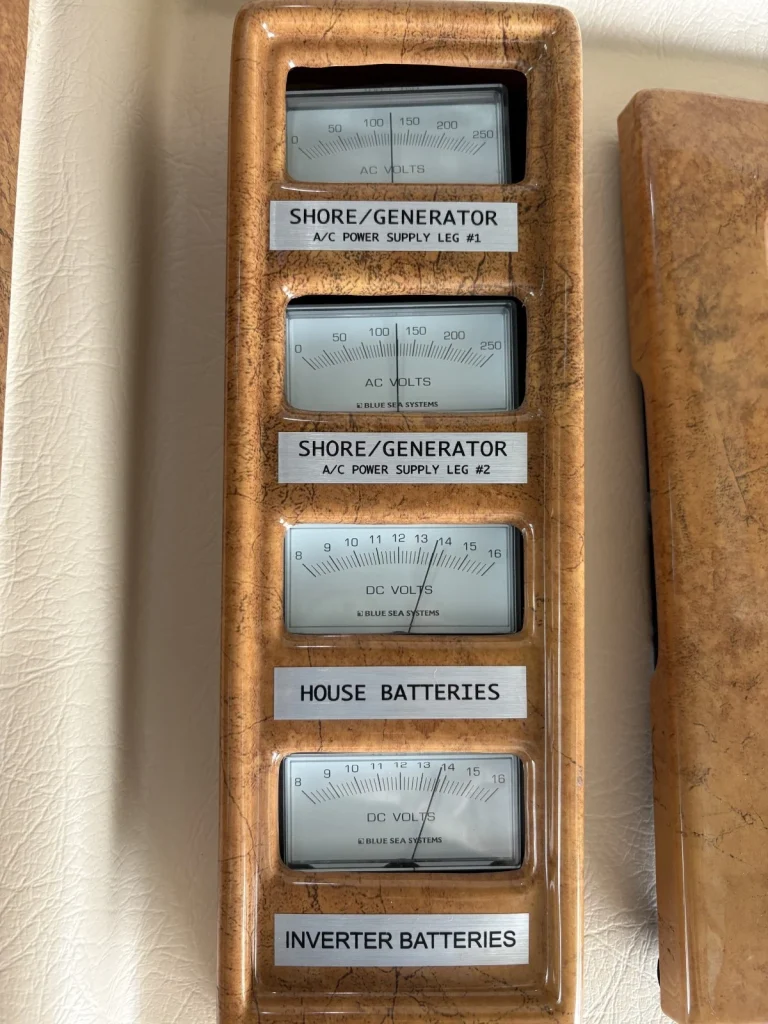
10. Test the Electrical System
Electrical components should also be checked.
Test interior lights.
Try outlets.
Check exterior lighting.
Inspect the battery.
Ask about the converter.
If the RV has solar equipment, ask about its condition and history.
Electrical problems can range from simple fixes to more complicated repairs.
The more systems you test, the clearer picture you get of the RV’s actual condition.
That matters when comparing well-kept used RVs.
11. Run the Air Conditioning
A comfortable RV needs effective climate control.
Turn on the air conditioner.
Let it operate for a while.
Listen for unusual noises.
Check the airflow.
Ask whether it has been serviced.
Do not simply accept “it works” as an answer.
Testing it gives you more useful information.
An air-conditioning repair may be manageable.
A major replacement can affect the value of an RV considerably.
12. Check the Heating System
Do the same with the heating system.
If weather conditions allow, turn it on.
Check whether warm air comes through the vents.
Listen for unusual sounds.
Ask about maintenance.
Heating may not seem important during a summer inspection, but you may appreciate it later when camping during colder weather.
13. Test the Refrigerator
The refrigerator is another component that deserves attention.
Check whether it cools properly.
If it supports multiple power sources, ask whether each mode works.
Inspect the seals.
Look for unusual damage.
Ask about previous repairs.
A refrigerator that does not work can become an expensive inconvenience.
When evaluating used RVs in excellent condition, appliances should be part of the inspection rather than an afterthought.
14. Check the Stove and Oven
If the RV has cooking facilities, test them appropriately and safely.
Check the burners.
Inspect the oven.
Look at the surrounding cabinets.
Examine the ventilation.
A kitchen does not have to be luxurious.
It simply needs to work for your travel style.
For many RV owners, a functional kitchen can also reduce vacation expenses because meals can be prepared inside rather than purchased every day.
15. Inspect the Bathroom
Bathrooms deserve special attention because they combine several systems.
Check the toilet.
Run the sink.
Test the shower.
Look around seals.
Inspect the floor.
Open cabinets.
Look for moisture.
A bathroom that appears clean is nice.
A bathroom that is dry, functional, and well-maintained is much better.
This is exactly the kind of practical detail that helps identify pre-owned RVs in top condition.
16. Examine the Tires
Do not forget the tires.
They can be overlooked because they are not part of the interior.
Check tread.
Look for cracks.
Inspect for uneven wear.
Check the tire date information.
Ask when the tires were installed.
RV tires can age even when the vehicle has not traveled extensively.
If replacements are needed, calculate the cost before finalizing the purchase.
17. Look Under the RV
Where safely possible, inspect the underside.
Look for obvious damage.
Check for signs of leaks.
Look at suspension components.
Inspect exposed plumbing.
Check for anything hanging loose.
You do not need to be a professional mechanic to notice something that looks clearly wrong.
If you see something concerning, ask an experienced technician to inspect it.
18. Ask Where the RV Was Stored
Storage history can tell you a lot.
Was the RV kept outside?
Was it under a protective cover?
Was it stored indoors?
Was it exposed to extreme weather?
Was the roof checked regularly?
A properly stored RV can show less deterioration than one that has been left exposed year after year.
Storage is one of those background details that can help separate ordinary used RVs from genuinely used RVs in excellent condition.
19. Ask How the RV Was Used
Usage matters.
Was it primarily used for weekend trips?
Long-distance travel?
Family vacations?
Full-time living?
Was it driven frequently?
Was it mostly stationary?
There is no automatically perfect answer.
You simply want to understand the history.
An RV that was used regularly but maintained carefully may be an excellent purchase.
An RV that barely moved but was neglected may not be.
20. Request Maintenance Records
This is one of the best things you can ask for.
Look for service invoices.
Oil-change records for motorized units.
Brake service.
Tire replacement.
Roof maintenance.
Appliance repairs.
Generator service.
Battery replacement.
Other major work.
Records create a timeline.
They help you understand how the RV was cared for.
When comparing well-kept used RVs, documentation can be just as valuable as appearance.
21. Research the Exact Model
Once you find an RV you like, research the model.
Learn its standard equipment.
Understand its floor plan.
Compare similar listings.
Look for common owner concerns.
Check how the RV compares with alternatives in the same price range.
Do not rely entirely on the seller’s description.
The more you know, the easier it becomes to evaluate the asking price.
22. Compare Several Listings
Never assume the first RV you find is the best opportunity.
Compare at least several similar units when possible.
Look at age.
Condition.
Mileage where applicable.
Floor plan.
Features.
Maintenance.
Tires.
Recent repairs.
Asking price.
You may discover that one RV is considerably better value even though it costs slightly more.
That is exactly why comparing used RVs in excellent condition is worth the extra effort.
23. Do Not Be Fooled by a Beautiful Renovation
A renovated RV can look fantastic.
Fresh floors.
New cushions.
Updated cabinets.
Modern lighting.
New curtains.
A new paint job.
Those improvements can certainly make an RV more attractive.
But cosmetic improvements do not automatically mean the underlying RV is healthy.
Ask what was renovated.
Ask why it was renovated.
Ask whether structural repairs were necessary.
Ask whether there was previous water damage.
A beautiful interior should encourage more questions, not fewer.
24. Take Your Time With the Seller
Pay attention to how the seller answers questions.
Do they provide clear information?
Do they know the RV’s maintenance history?
Are they willing to demonstrate the systems?
Can they provide documentation?
Do they seem comfortable with an inspection?
You do not need a perfect seller.
But openness is encouraging.
When searching for pre-owned RVs in top condition, transparency can be an important part of the overall buying experience.
25. Get an Independent Inspection
If you are serious about buying an RV, an independent inspection can be money well spent.
A professional may notice problems that an inexperienced buyer misses.
They can inspect structural areas.
Test systems.
Identify moisture concerns.
Evaluate components.
Provide an objective opinion.
The inspection may cost money.
But it can save considerably more if it prevents a bad purchase.
26. Calculate the True Cost
Suppose an RV costs $25,000.
That is not necessarily your total cost.
Maybe it needs new tires.
Maybe the battery is weak.
Maybe it needs a roof reseal.
Maybe you need a weight-distribution setup.
Maybe you need camping equipment.
Maybe registration and insurance add additional expenses.
Add everything together.
Then compare the total.
This gives you a more realistic idea of whether the RV is genuinely affordable.
27. Negotiate Based on Facts
Negotiation works best when it is grounded in evidence.
If the tires need replacement, mention it.
If an appliance does not work, mention it.
If the roof needs attention, get an estimate.
If similar RVs are priced lower, use that information.
You do not need to pressure the seller.
You simply need to make a reasonable case.
A fair negotiation can turn a good RV into an even better purchase.
28. Do a Second Walk-Through
The first viewing is often emotional.
You see the RV.
You imagine the trips.
You start thinking about where you will go.
That excitement is normal.
But the second viewing should be different.
Bring your checklist.
Look at everything again.
Test the systems.
Review the documents.
Look for anything you missed.
A second inspection can be incredibly valuable when choosing between used RVs in excellent condition.
29. Know When to Walk Away
Sometimes the smartest RV purchase is the one you do not make.
If you find major structural damage, extensive water intrusion, questionable paperwork, serious mechanical problems, or unexplained repairs, step back.
Do not let the seller’s urgency become your urgency.
There will be other RVs.
Patience gives you leverage.
Your goal is not to own an RV tomorrow.
Your goal is to own the right RV.
Why Used RVs Can Offer Excellent Value
Buying used can make financial sense for many buyers.
You may avoid some of the depreciation associated with buying new.
You can sometimes get more features for the same amount of money.
You may also find models with layouts that are no longer produced.
That is why the market for well-kept used RVs can be so appealing.
The important part is choosing condition over excitement.
How to Spot a Well-Kept RV Quickly
Experienced buyers often develop a routine.
They look at the roof.
They inspect the seals.
They walk the floor.
They open cabinets.
They check the tires.
They test appliances.
They review records.
They ask questions.
They compare prices.
You can develop the same habit.
The more RVs you inspect, the easier it becomes to recognize quality.
What Features Matter Most?
The answer depends on how you travel.
But several features are broadly useful.
Comfortable sleeping arrangements.
Adequate storage.
Reliable climate control.
A practical kitchen.
A usable bathroom.
Good ventilation.
Functional electrical systems.
Solid construction.
The best used RVs in excellent condition do not necessarily have every luxury feature.
They simply provide the features you actually need.
Family Buyers Should Think About Storage
Families tend to carry a lot.
Clothing.
Food.
Toys.
Camping chairs.
Sports equipment.
Outdoor gear.
The storage compartments may look large when empty.
Try imagining them full.
Open everything.
Check under beds.
Look at exterior compartments.
Think about where bulky items will go.
Good storage can make a modest RV feel much more practical.
Couples May Prefer Simplicity
If only two people will use the RV, you may not need a large family floor plan.
A smaller unit could be easier to drive or tow.
It may cost less to maintain.
It may also be easier to store.
Do not pay for space you will never use.
The right pre-owned RVs in top condition should match the people actually traveling in them.
Full-Time RV Buyers Need a Different Checklist
If you plan to live in the RV for extended periods, look beyond weekend comfort.
Think about storage.
Workspace.
Bathroom size.
Kitchen functionality.
Laundry options.
Heating and cooling.
Electrical capacity.
Water capacity.
Sleeping comfort.
Long-term durability.
An RV that works perfectly for two-day trips may not be suitable for full-time living.
What About RV Financing?
If you plan to finance a used RV, look at the entire financial picture.
Do not focus only on the monthly payment.
Consider the purchase price.
Interest.
Loan duration.
Insurance.
Maintenance.
Fuel.
Storage.
A longer loan can make monthly payments look attractive while increasing the total amount paid.
If financing is part of your plan, make sure the RV remains affordable after all ownership costs are included.
How to Make a Used RV Last
Once you purchase your RV, maintenance becomes your responsibility.
Check the roof regularly.
Maintain seals.
Monitor tires.
Service mechanical components.
Keep batteries healthy.
Inspect plumbing.
Clean appliances.
Store the RV properly.
Address small issues early.
These habits help preserve the condition that made you choose used RVs in excellent condition in the first place.
Keep a Maintenance Folder
Save every important receipt.
Record service dates.
Keep tire information.
Document roof maintenance.
Save appliance manuals.
Record repairs.
This information will help you maintain the RV and may increase buyer confidence if you sell it later.
The Difference Between Cheap and Good Value
A cheap RV has a low purchase price.
A good-value RV provides useful quality for the money you spend.
Those are not always the same thing.
An inexpensive RV that requires $8,000 in immediate repairs may be more expensive than a $30,000 RV that needs almost nothing.
This is why smart buyers search for well-kept used RVs rather than simply searching for the lowest price.
A Practical RV Inspection Checklist
Before purchasing, check:
- Roof condition
- Roof seals
- Windows
- Doors
- Exterior storage
- Sidewalls
- Flooring
- Ceilings
- Cabinets
- Plumbing
- Water heater
- Toilet
- Shower
- Electrical outlets
- Interior lights
- Air conditioning
- Heating
- Refrigerator
- Stove
- Oven
- Batteries
- Tires
- Brakes
- Generator, if equipped
- Maintenance records
- Ownership documents
- VIN
- Overall asking price
A checklist helps prevent excitement from causing you to overlook something important.
Signs You May Have Found a Great RV
There are several encouraging signs.
The RV is clean without appearing artificially renovated.
The roof has been maintained.
The floor feels solid.
The appliances work.
The tires are in good condition.
The seller has records.
The ownership paperwork is organized.
The seller is comfortable with an inspection.
The asking price is supported by comparable RVs.
When several of these factors come together, you may have found the kind of used RVs in excellent condition that buyers hope to discover.
FAQs About Used RVs in Excellent Condition
What are used RVs in excellent condition?
Pre-owned RVs in top condition are pre-owned recreational vehicles that have been properly maintained and remain in strong overall condition. They should have functional systems, sound structure, reasonable tire condition, and no major unresolved issues.
Are used RVs worth buying?
Yes. Used RVs in excellent condition can offer excellent value because buyers may get more features and space for less money than purchasing new.
How can I tell if a used RV is well maintained?
Review maintenance records, inspect the roof, check for water damage, test the major systems, examine the tires, and ask the seller how the RV was stored and used.
What is the biggest problem to look for in a used RV?
Water damage deserves particular attention. Inspect ceilings, walls, floors, cabinets, windows, roof seams, and other areas where moisture could enter.
Should I get a professional RV inspection?
If you are not experienced with RVs, an independent inspection can be a very worthwhile investment. It may uncover problems that are difficult for first-time buyers to recognize.
Does RV age matter?
Age matters, but condition and maintenance history are often more important. An older, carefully maintained RV can be a better purchase than a newer RV that has been neglected.
How important are RV tires?
Very important. Check their age, condition, tread, cracking, and wear. Tire replacement costs should be included when calculating the actual purchase price.
What should I test inside a used RV?
Test the plumbing, electrical outlets, lights, air conditioning, heating, refrigerator, stove, oven, water heater, toilet, and other installed systems.
How do I negotiate for a used RV?
Research comparable RVs and identify legitimate issues that affect value. Use documented problems and market comparisons to make a reasonable offer.
Is a clean RV automatically in excellent condition?
No. Cleanliness is only one factor. An RV can look beautiful while having hidden structural, mechanical, or water-related problems.
Should I buy from a private seller or dealer?
Both can be good options. The most important factors are the actual condition of the RV, its history, documentation, price, and your ability to inspect it properly.
What makes an RV a good value?
A good-value RV combines reasonable pricing with strong condition, useful features, manageable ownership costs, and a layout that fits your lifestyle.
Final Thoughts
Buying a used RV should be exciting.
It should not feel like gambling.
The best way to avoid that feeling is to slow down and inspect the RV properly.
Look beyond the furniture.
Look beyond the paint.
Look beyond the sales description.
Look at the roof.
Look at the floor.
Look inside the cabinets.
Test the appliances.
Check the tires.
Review the records.
Ask difficult questions.
And do not be afraid to walk away if something does not make sense.
The search for well-kept used RVs is not about finding a perfect RV.
Perfect used vehicles are rare.
The goal is to find an RV that has been cared for, has a solid history, meets your needs, and is priced fairly for its actual condition.
That is where the real value is.
A well-maintained used RV can give you something far more important than a good-looking vehicle.
It can give you freedom.
You can take a spontaneous weekend trip.
You can explore places you have never visited.
You can wake up somewhere completely different.
You can cook your own meals.
You can spend evenings outside.
You can bring family and friends along.
And you can create memories that last much longer than the purchase itself.
Take your time.
Compare multiple options.
Inspect carefully.
Calculate the complete cost.
Get professional help when necessary.
When the condition, price, history, and layout all make sense, you may have found exactly what you were looking for.
The smartest RV purchase is rarely the one that happens fastest.
It is the one you feel confident about after the excitement has settled.
That is the real advantage of searching carefully for used RVs in excellent condition.
Related guides
- Campers With Bunk Beds: 41 Smart Ways to Choose a Family RV You’ll Love
- Campers for Sale: 11 Smart Tips for Finding the Right RV at the Right Price
- RV Dealers Near Me: How to Find the Right Dealer, Get a Better Deal, and Buy With Confidence
- RVs For Sale Near Me: How to Find the Right Camper
Browse more in RVs for Sale or see all buying guides.