RVs with Low Mileage: 25 Smart Ways to Find a Better RV Deal
Buying an RV is exciting.
You start imagining weekend escapes, long road trips, national parks, family vacations, and mornings where your biggest decision is where to park for the night.
But there is another side to buying an RV.
The money side.
An RV can be one of the biggest recreational purchases you make, so finding the right vehicle at the right price matters. One factor that naturally attracts buyers is mileage.
Many shoppers specifically search for RVs with low mileage because fewer miles can suggest less road use and potentially less wear.
However, mileage is not the entire story.
A low-mileage RV can be an excellent purchase. It can also be an RV that spent years sitting unused, developed moisture problems, suffered from poor maintenance, or simply did not receive the attention it needed.
That is why smart buyers look beyond the odometer.
This guide takes a practical approach to finding RVs with low mileage while also considering age, maintenance, condition, ownership history, tires, appliances, mechanical systems, and overall value.
If you are shopping for an RV right now, these tips can help you make a decision with your eyes open.
Why Buyers Search for RVs with low mileage
Mileage is an easy number to understand.
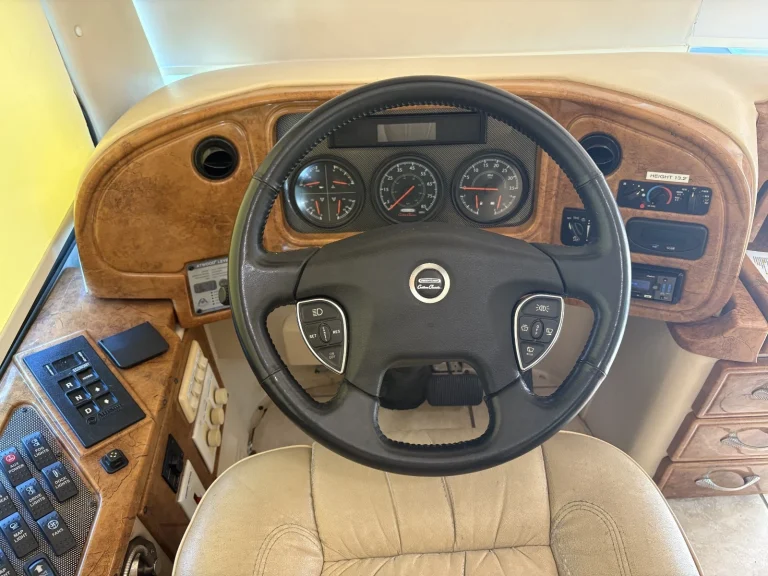
You can look at the dashboard and immediately see how many miles the vehicle has traveled.
That simplicity makes low-mileage RVs appealing to buyers who want a vehicle that has not spent its entire life traveling thousands of miles.
Lower mileage may mean less engine use.
It may also mean fewer long-distance journeys and potentially less accumulated drivetrain wear.
But there is an important distinction.
Low mileage does not automatically mean low wear.
An RV can sit for years while seals dry out, batteries deteriorate, tires age, appliances fail, and moisture quietly damages the interior.
That is why the smartest approach to RVs with few miles on them is to treat mileage as one part of a much larger evaluation.
Mileage is a starting point, not a final answer
When comparing low-mileage RVs, start with the odometer.
Then keep going.
Ask when the RV was last driven.
Ask how frequently it was serviced.
Ask whether it was stored indoors or outdoors.
Ask whether the owner used it seasonally or left it parked for long periods.
These questions can reveal more than the mileage number itself.
1. Compare mileage with the RV’s age
Age changes how you should interpret mileage.
A three-year-old RV with relatively low mileage may have had regular use.
A fifteen-year-old RV with extremely low mileage may have spent most of its life parked.
That difference matters.
When looking at RVs with low mileage, always compare the odometer reading with the vehicle’s age.
Do not automatically assume the oldest RV with the lowest number is the best deal.
Sometimes moderate mileage combined with excellent maintenance is more attractive than extremely low mileage combined with years of neglect.
2. Look for maintenance records
Maintenance records are extremely valuable.
They show whether the previous owner actually cared for the RV.
When evaluating RVs with few miles on them, ask for receipts, service records, inspection reports, and documentation for major repairs.
Look for evidence of routine oil changes.
Check whether the cooling system was maintained.
Review records for transmission service, brakes, batteries, tires, and generator maintenance where applicable.
A low-mileage RV with a documented maintenance history can inspire much more confidence than one with no paperwork.
3. Check how the RV was stored
Storage conditions can have a huge effect on an RV.
An RV stored under cover may have been protected from harsh weather.
An RV left outside year after year may have experienced prolonged exposure to rain, sunlight, humidity, freezing temperatures, and temperature changes.
When viewing low-mileage RVs, ask where the RV was normally stored.
Was it in a garage?
Was it under a covered shelter?
Was it parked beside a house?
Was it exposed to the weather?
These details can help explain the condition you see today.
4. Inspect the roof carefully
The roof deserves serious attention.
Water intrusion is one of the problems RV buyers want to avoid.
When evaluating RVs with few miles on them, do not let a low odometer reading distract you from inspecting the roof.
Look around vents, skylights, seams, antennas, air-conditioning units, and other roof penetrations.
Check for cracked sealant.
Look for soft areas.
Pay attention to discoloration on the ceiling inside the RV.
A beautiful interior does not necessarily mean the roof is problem-free.
5. Examine the tires
Here is something many first-time buyers overlook.
Tires have an age as well as a mileage rating.
An RV that has barely traveled may still have old tires.
This is especially important when considering RVs with low mileage.
Inspect the tire sidewalls.
Look for cracking, uneven wear, bulges, or other visible damage.
Check the tire date codes where appropriate.
If the tires are old enough to require replacement, include that cost in your purchasing budget.
Low mileage does not make an aging tire new again.
6. Check the engine and drivetrain
If you are considering a motorized RV, the engine deserves careful attention.
Start the vehicle from a cold condition if possible.
Listen for unusual noises.
Watch the exhaust.
Check for warning lights.
Pay attention to idle quality.
When shopping for low-mileage RVs, a professional mechanical inspection can be money well spent.
A mechanic can identify issues that are easy for an ordinary buyer to miss.
This is particularly important when buying an older RV that has accumulated very few miles.
7. Think about sitting time
An RV that sits for long periods can develop its own problems.
Rubber components can deteriorate.
Batteries can discharge.
Fluids can degrade.
Seals can dry.
Rodents can sometimes cause wiring damage.
That means buyers should ask an important question when viewing RVs with few miles on them:
“How was the RV maintained while it was sitting?”
The answer can tell you a lot.
8. Test every major system
Do not simply walk through the RV and admire the furniture.
Turn things on.
Test the lights.
Check the outlets.
Test the air conditioning.
Run the heating system where practical.
Check the refrigerator.
Test water systems.
Inspect the plumbing.
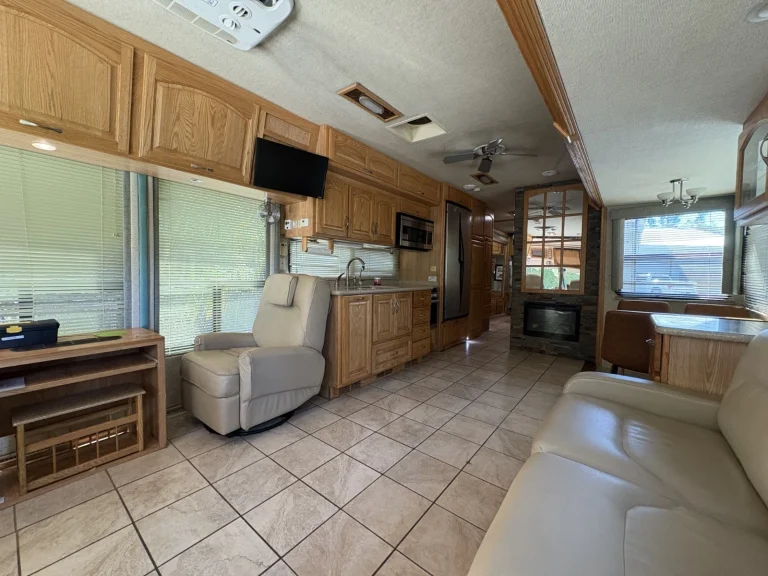
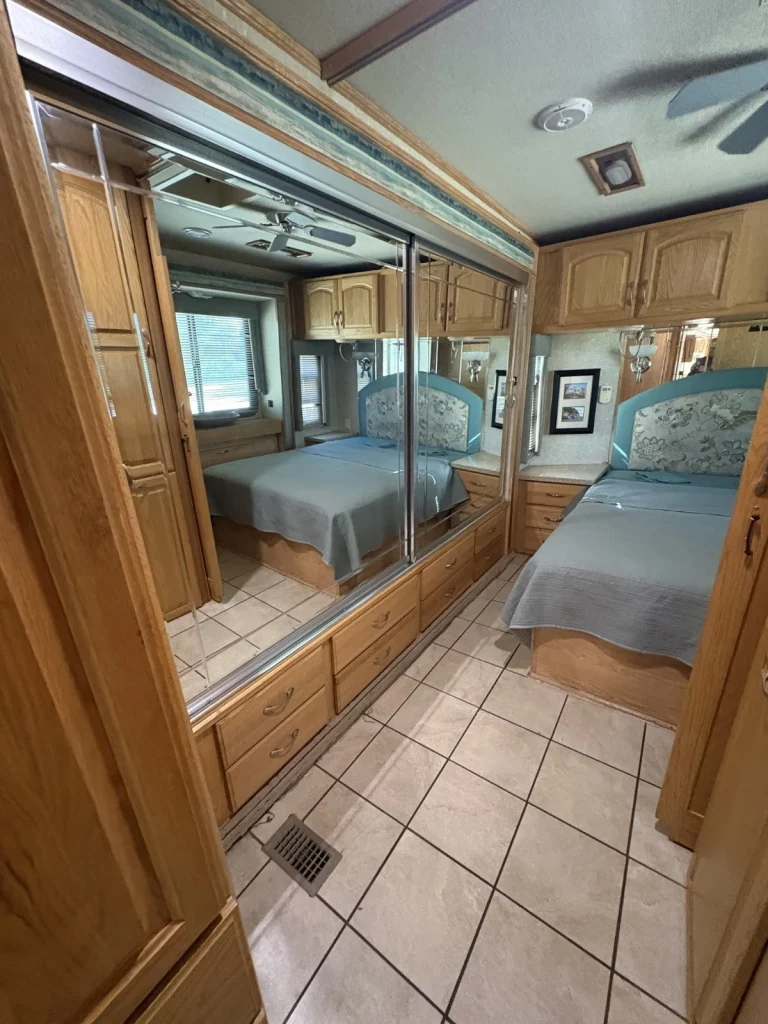
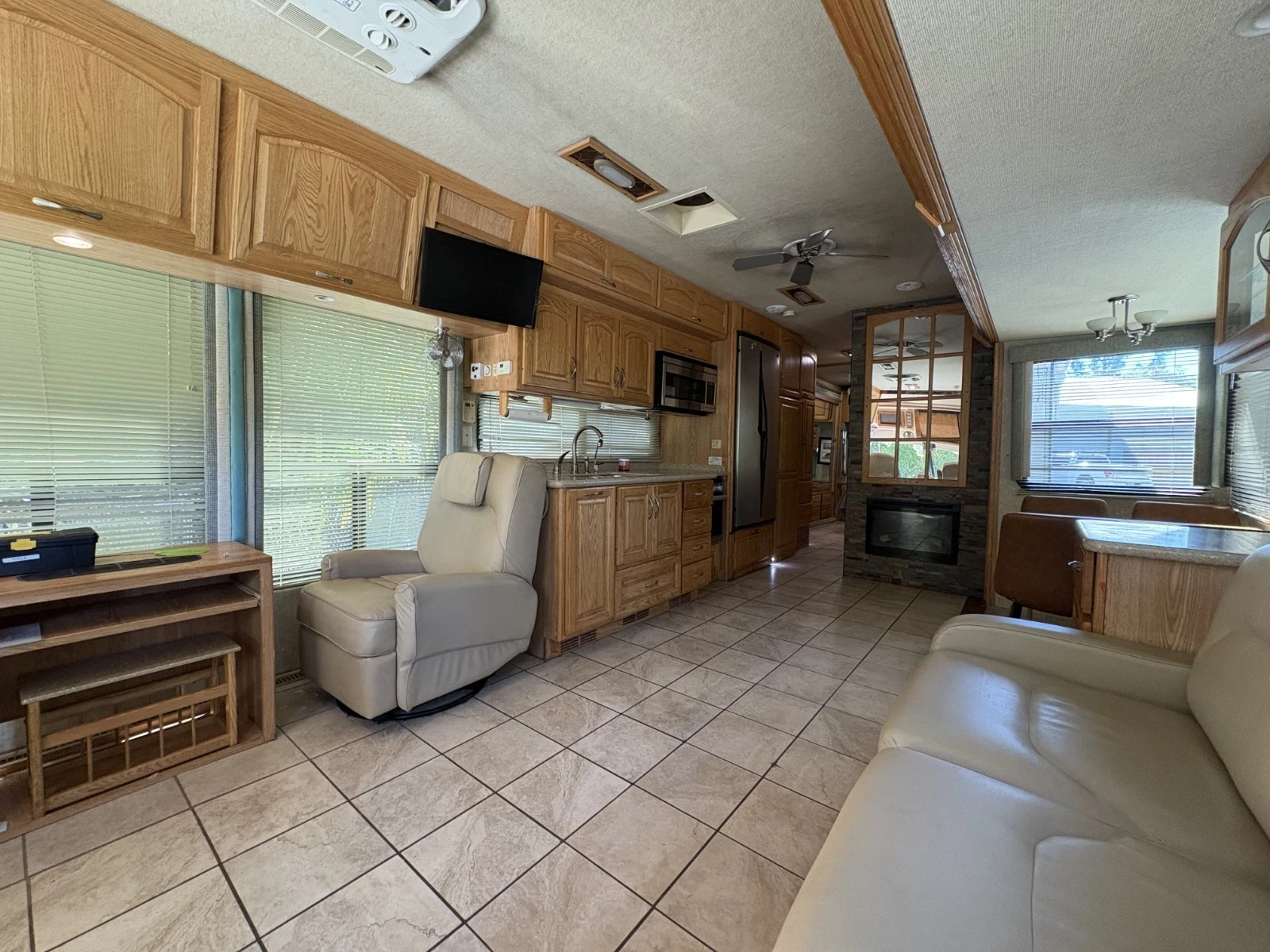
When comparing low-mileage RVs, remember that the RV is both a vehicle and a small living space.
Both sides need to work.
9. Inspect the interior for moisture
A fresh-smelling interior can be reassuring, but do not stop there.
Look inside cabinets.
Check corners.
Inspect around windows.
Look underneath sinks.
Examine ceiling areas.
When shopping for RVs with low mileage, watch for staining, bubbling materials, soft flooring, peeling surfaces, musty smells, or signs of previous repairs.
These clues can point toward moisture problems.
10. Research the RV’s ownership history
Ownership history adds context.
Was it owned by one family?
Was it used as a full-time residence?
Was it mainly used for weekend trips?
Was it purchased and barely used?
Was it previously part of a rental fleet?
These questions matter when evaluating RVs with few miles on them.
A low-mileage family RV and a low-mileage rental RV may have very different histories.
11. Do not confuse low mileage with perfect condition
This is perhaps the most important lesson.
Low-mileage RVs can still need repairs.
Mileage measures travel.
It does not measure everything that happens while an RV is parked.
That is why a buyer should evaluate the complete vehicle rather than becoming emotionally attached to a single number.
Think of mileage as a clue.
Not a guarantee.
12. Compare several similar RVs
Never make your decision after seeing only one RV.
Compare multiple options.
Look at similar models.
Compare years.
Compare layouts.
Compare mileage.
Compare service records.
Compare condition.
Comparing several RVs with few miles on them can help you recognize what represents genuine value.
You may discover that an RV with slightly more miles is priced significantly better and has stronger maintenance records.
That could be the smarter purchase.
13. Consider the floor plan
The best RV is not necessarily the one with the lowest mileage.
It is the one that fits your lifestyle.
Think about sleeping capacity.
Think about kitchen space.
Think about bathroom arrangements.
Think about storage.
Think about seating.
When browsing RVs with low mileage, ask yourself whether you would actually enjoy living in the layout.
A low-mileage RV that does not suit your needs can become an expensive mistake.
14. Calculate the total ownership cost
Purchase price is only the beginning.
You may also pay for insurance, registration, maintenance, storage, repairs, tires, batteries, and fuel.
That is why buyers comparing low-mileage RVs should calculate the overall cost rather than focusing exclusively on the advertised price.
A slightly more expensive RV may require fewer immediate repairs.
A cheaper RV may need thousands of dollars in maintenance.
The lowest sticker price is not always the lowest real cost.
15. Understand why the RV has low mileage
Ask the seller directly.
Why has it been driven so little?
There may be a perfectly reasonable explanation.
Perhaps the owner purchased it for occasional vacations.
Perhaps a change in lifestyle meant fewer trips.
Perhaps it was stored carefully for years.
When evaluating RVs with few miles on them, a clear explanation is useful.
An unclear or contradictory story deserves additional investigation.
16. Take the RV for a proper test drive
A short trip around the block is not enough.
Where legally and safely possible, drive the RV under different conditions.
Listen for unusual sounds.
Test acceleration.
Check braking.
Pay attention to steering.
Notice vibrations.
Observe warning lights.
A test drive can reveal issues that are invisible when the vehicle is parked.
Even among low-mileage RVs, driving performance should never be assumed.
17. Check the generator
For RVs equipped with generators, testing the generator is important.
Ask when it was last serviced.
Find out how often it was operated.
A generator that sits unused for extended periods may need attention.
When inspecting RVs with low mileage, do not forget components that have operating hours rather than road miles.
The generator may tell a different story from the odometer.
18. Inspect the batteries
Batteries can age even when an RV barely moves.
Check the battery condition and charging system.
Ask when the batteries were installed.
Test the electrical system before committing to a purchase.
This is another reason RVs with few miles on them should be evaluated as complete machines rather than judged by mileage alone.
19. Look underneath the RV
Take a flashlight.
Inspect the underside where practical.
Look for leaks.
Check for corrosion.
Look for damaged components.
Pay attention to signs of repairs.
An RV can look impressive from the outside while hiding problems underneath.
A careful underside inspection can make your evaluation of low-mileage RVs much more accurate.
20. Review the paperwork
Paperwork may not be exciting, but it protects buyers.
Verify the vehicle identification number.
Check the title.
Review maintenance records.
Confirm that the seller’s information matches the documentation.
Before buying RVs with low mileage, make sure the transaction is properly documented.
Never let excitement rush you through paperwork.
21. Get a professional inspection
If you are spending a significant amount of money, an inspection can be one of the best investments you make.
An experienced RV inspector can examine areas that buyers often overlook.
They can identify potential water intrusion, electrical concerns, plumbing problems, structural issues, and other defects.
For expensive RVs with few miles on them, professional inspection costs can be small compared with the price of discovering a major problem later.
22. Use mileage during negotiations
Mileage can still help you negotiate.
If an RV has unusually low mileage but needs tires, batteries, seals, or other work, those expenses can become part of the discussion.
Likewise, if the RV has excellent records and genuinely low use, the seller may have stronger justification for the asking price.
When negotiating low-mileage RVs, focus on evidence rather than emotion.
Bring comparable listings.
Bring repair estimates.
Bring inspection findings.
A calm, informed buyer is usually in a stronger negotiating position.
23. Know when low mileage is genuinely valuable
Low mileage can be meaningful when it comes with good maintenance and good overall condition.
That combination is what buyers should seek.
The goal is not simply to find RVs with few miles on them.
The goal is to find an RV where the low mileage is supported by a healthy mechanical condition, clean interior, sound structure, good records, and responsible ownership.
That is a much stronger definition of value.
24. Consider your intended use
Your plans should influence your choice.
If you want occasional weekend trips, you may have different requirements from someone planning a cross-country adventure.
If you plan to tow frequently, mechanical condition matters heavily.
If you plan to stay in one location for extended periods, living features may matter more.
When comparing RVs with low mileage, start with how you plan to use the RV.
Then choose accordingly.
25. Avoid rushing because the mileage looks attractive
A low number can create excitement.
That is exactly why you should slow down.
Do not send money simply because an advertisement says the RV has exceptionally low mileage.
Do not skip an inspection.
Do not ignore maintenance history.
Do not overlook old tires.
Do not assume every system works.
The smartest buyers of low-mileage RVs remain objective from the first conversation to the final paperwork.
How to Spot a Truly Good Deal
A genuinely attractive RV deal usually has several positive factors working together.
The price makes sense.
The RV suits your needs.
The maintenance history is credible.
The structure is sound.
The mechanical systems work.
The interior has been cared for.
The paperwork is clean.
And the mileage makes sense for the RV’s age and history.
That combination is more important than any single specification.
When you find RVs with few miles on them that meet most of these criteria, you may have found something worth pursuing.
What Questions Should You Ask the Seller?
Before viewing low-mileage RVs, prepare your questions.
Ask how long the seller has owned the RV.
Ask why they are selling.
Ask where it was stored.
Ask how often it was used.
Ask whether there have been leaks.
Ask about accidents or major repairs.
Ask when the tires were replaced.
Ask when the batteries were replaced.
Ask for service records.
Ask whether all appliances currently work.
Good sellers should be able to provide straightforward answers.
If the answers keep changing, pay attention.
Are Older RVs With Low Mileage Worth Buying?
Sometimes, yes.
Age alone does not make an RV a bad purchase.
In fact, an older RV that was carefully maintained and lightly used can be attractive.
But buyers should be particularly careful with age-related components.
That includes tires, seals, hoses, batteries, appliances, and other systems.
For older RVs with low mileage, condition and maintenance history should receive at least as much attention as the odometer.
Low Mileage vs. Excellent Maintenance
Which matters more?
There is no universal answer.
But excellent maintenance is extremely important.
Imagine two RVs.
The first has very low mileage but limited service records and signs that it spent years sitting outdoors.
The second has somewhat higher mileage but complete service records, careful storage, newer tires, and a clean inspection.
The second RV may be the better buy.
This is why the smartest approach to RVs with few miles on them is balanced rather than obsessive.
How to Create Your RV Buying Checklist
Before you visit a seller, make a checklist.
Write down the items you need to inspect.
Include:
- Odometer reading
- Vehicle age
- Maintenance records
- Tire condition
- Roof condition
- Signs of water damage
- Engine performance
- Transmission performance
- Generator operation
- Battery condition
- Appliances
- Plumbing
- Electrical systems
- Interior condition
- Exterior condition
- Ownership history
- Title and paperwork
- Asking price
- Estimated repair costs
A checklist prevents excitement from taking over.
It also makes comparing low-mileage RVs much easier.
Final Thoughts
Buying an RV should feel exciting, not stressful.
The key is knowing what you are actually buying.
RVs with few miles on them can offer excellent value, especially when low mileage is combined with responsible ownership, proper storage, regular maintenance, and strong overall condition.
But remember the central rule.
Mileage is evidence, not a guarantee.
Look beyond the odometer.
Inspect the roof.
Check the tires.
Review maintenance records.
Test the appliances.
Examine the mechanical systems.
Verify the paperwork.
Calculate the real ownership cost.
And whenever possible, have the RV professionally inspected.
When buyers take this approach, RVs with low mileage become much easier to evaluate realistically.
Instead of asking only, “How many miles does it have?” ask a better question:
“What story does this RV’s mileage tell?”
That question can lead you toward a much smarter purchase.
Frequently Asked Questions
Are RVs with low mileage always better?
No. Low-mileage RVs can be attractive, but mileage alone does not determine condition. Maintenance, storage, age, tires, water damage, and mechanical condition are also important.
What mileage is considered low for an RV?
There is no single mileage number that applies to every RV. Age, type, previous use, maintenance, and ownership history should all be considered when evaluating RVs with few miles on them.
Should I buy an RV that has barely been used?
It can be a good purchase if the RV was stored properly and maintained. However, low-mileage RVs that sat unused for years may still have aging tires, batteries, seals, and other components.
Are RVs with low mileage expensive?
Not necessarily. Prices depend on the RV’s age, brand, model, floor plan, condition, equipment, location, and market demand. Comparing several RVs with low mileage can help you understand the market.
How do I verify RV mileage?
Check the odometer against maintenance records, inspection documentation, previous service receipts, and ownership records. Consistency is important when evaluating RVs with few miles on them.
Should I get an inspection before buying?
Yes. A professional inspection can identify problems that may not be obvious during a casual walk-through. This is especially valuable when purchasing low-mileage RVs at a substantial price.
Do low-mileage RVs need maintenance?
Absolutely. An RV can require maintenance even when it has traveled very few miles. Time, storage conditions, weather, and lack of use can affect many components.
Can low mileage increase an RV’s resale value?
It can contribute to buyer appeal, particularly when supported by excellent condition and maintenance documentation. However, resale value depends on many factors beyond mileage.
What should I check first when viewing an RV?
Start with the overall condition, then inspect the roof, exterior, interior, tires, mechanical components, electrical systems, plumbing, appliances, and documentation. Do not let the appeal of RVs with low mileage cause you to skip the basics.
What is the biggest mistake when buying a low-mileage RV?
The biggest mistake is assuming that a low odometer reading means the RV has been perfectly maintained. Always evaluate the complete vehicle.
Related guides
- Campers for family camping: 47 Smart Ways to Choose the Right RV for Your Next Adventure
- Cheap RVs for Sale: How to Find a Great RV Without Overspending
- RV Sales Near Me: A Smarter Way to Find the Right RV at the Right Price
- Best Small RVs For Sale for Couples and Solo Travelers
Browse more in RVs for Sale or see all buying guides.