Camper Van Dealer: 25 Smart Questions to Ask Before You Buy
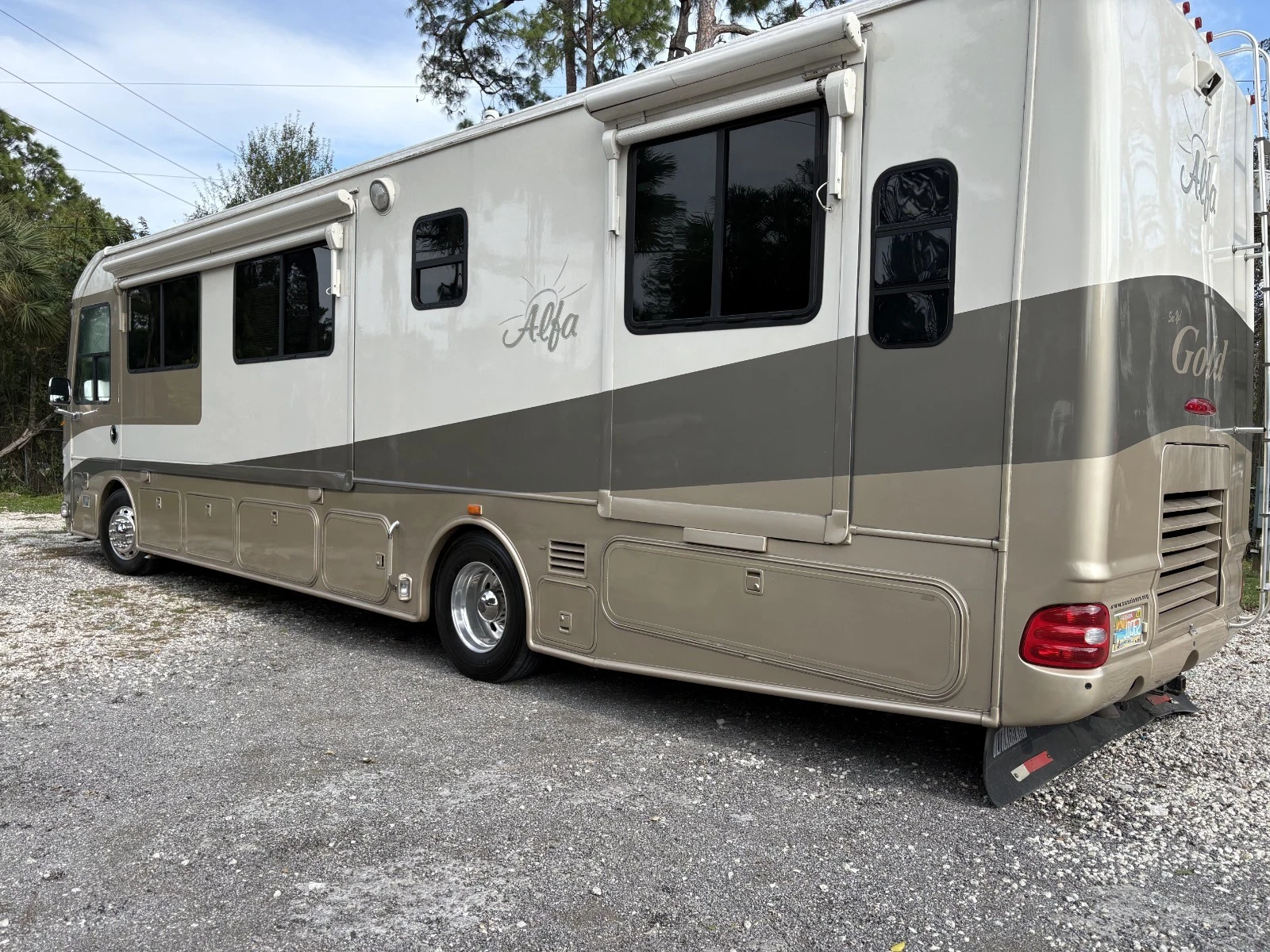
Buying a camper van can feel surprisingly personal.
You are not simply choosing a vehicle.
You are choosing where you will sleep, cook, relax, store your belongings, and spend hours on the road.
That is why finding the right camper van dealer can be just as important as finding the right van.
A good dealer should make the process easier.
They should answer questions clearly.
They should explain what you are buying.
They should let you inspect the vehicle properly.
Most importantly, you should never feel as though you have to make a decision before you are ready.
The best experience with a camper van dealer is not about being pressured into a sale. It is about getting enough useful information to make a decision you can still feel good about months later.
Start With the Van, Not the Sales Pitch
Walk into a dealership and you may hear plenty of attractive words.
Adventure.
Freedom.
Luxury.
Comfort.
Road trips.
Those things are wonderful, but they are not specifications.
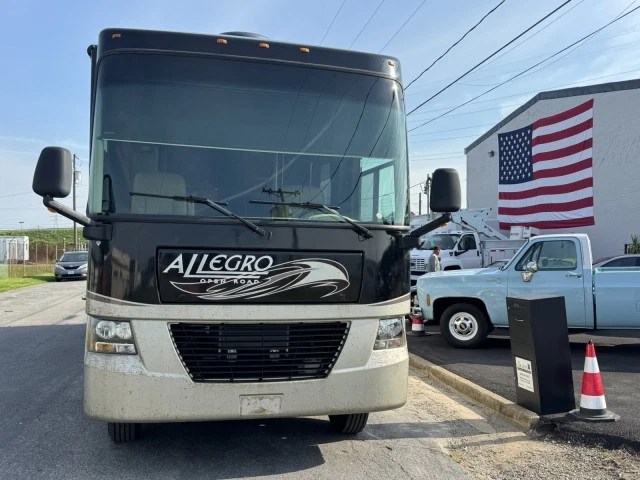
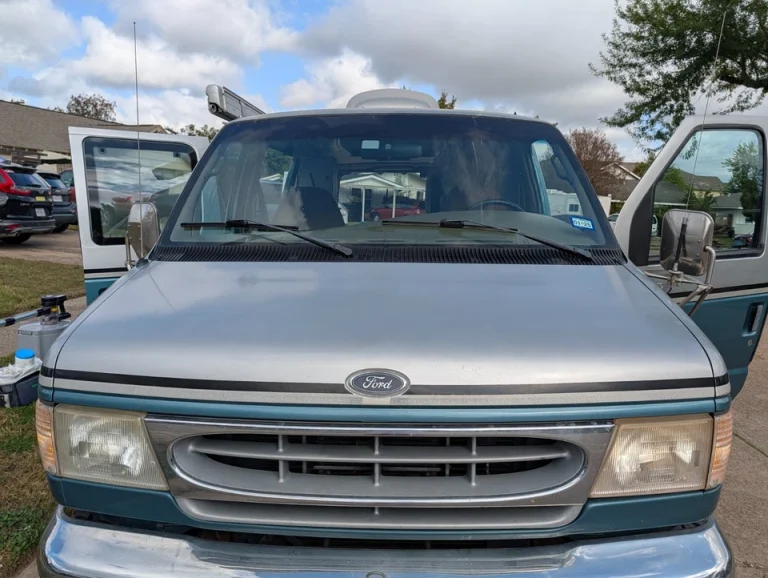
When visiting a camper van dealer, start by looking at the actual vehicle.
Open the doors.
Walk inside.
Sit down.
Check the storage.
Look at the sleeping area.
Inspect the kitchen.
Then ask yourself whether you can genuinely imagine using it.
A good camper van dealership should be comfortable with buyers taking their time.
If you feel rushed from the moment you arrive, slow the process down.
You are allowed to think.
You are allowed to compare.
And you are certainly allowed to ask questions.
What Makes a Good Camper Van Dealer?
A good van dealer does more than put vehicles on a lot.
The dealer should understand the products being sold.
They should know the vehicle’s history when that information is available.
They should be able to explain important features without making everything sound perfect.
Transparency matters.
If a used van has a scratch, say so.
If the tires are older, explain it.
If an appliance has recently been replaced, mention that too.
A trustworthy camper van dealer does not need to pretend every vehicle is flawless.
Buyers understand that used vehicles can have imperfections.
What they want is honesty.
Ask About the Van’s History
One of the first conversations you should have with a camper van dealership is about history.
Where did the van come from?
How many previous owners did it have?
Was it used privately or commercially?
Was it regularly serviced?
Has it been involved in an accident?
Has the interior been modified?
Has the van spent most of its life outdoors?
These questions can reveal important information.
When dealing with a van dealer, do not worry about asking too many reasonable questions.
You are trying to understand the vehicle before purchasing it.
The more information you have, the easier it becomes to compare it with other vans.
Used Does Not Mean Bad
Some buyers walk into a camper van dealer expecting that only newer vans are worth considering.
That is not necessarily true.
A well-maintained used camper van can be an excellent travel vehicle.
It may have already received upgrades from the previous owner.
It may have newer tires.
It may have a recently serviced engine.
It may even include accessories that would cost thousands to add to a new van.
When comparing options at a camper van dealership, look at condition rather than simply looking at the model year.
A newer van that has been neglected is not automatically better than an older one that has been carefully maintained.
Take a Close Look at the Exterior
The first inspection should happen before you become distracted by the interior.
Walk around the vehicle slowly.
Look at the body panels.
Check the windows.
Inspect doors.
Look underneath where practical.
Look for dents, scratches, corrosion, mismatched paint, or signs of previous repairs.
A reputable van dealer should allow you enough time to inspect the exterior.
You are not looking for a vehicle that has never experienced normal road use.
You are looking for evidence that helps you understand its condition.
Small cosmetic marks may be completely acceptable.
Structural damage is another matter.
Inspect the Roof and Seals
The roof is easy to forget because you naturally focus on the sides and interior.
That can be a mistake.
Roof vents, solar equipment, air-conditioning systems, skylights, and other openings can create potential leak points.
When inspecting a vehicle at a camper van dealer, pay attention to roof seals and areas around mounted equipment.
If you cannot safely inspect the roof yourself, ask whether the vehicle has received a professional inspection.
Water intrusion can create problems that are much more expensive than a cosmetic repair.
A good camper van dealership should be willing to discuss the vehicle’s maintenance history and any known repairs.
Step Inside and Slow Down
Once inside, resist the temptation to immediately fall in love with the kitchen or bed.
Instead, imagine an ordinary day.
You wake up.
Someone is preparing breakfast.
Another person needs to get dressed.
Someone else wants to use the bathroom.
Where does everyone stand?
Where do you put your shoes?
Where does the food go?
These little details matter.
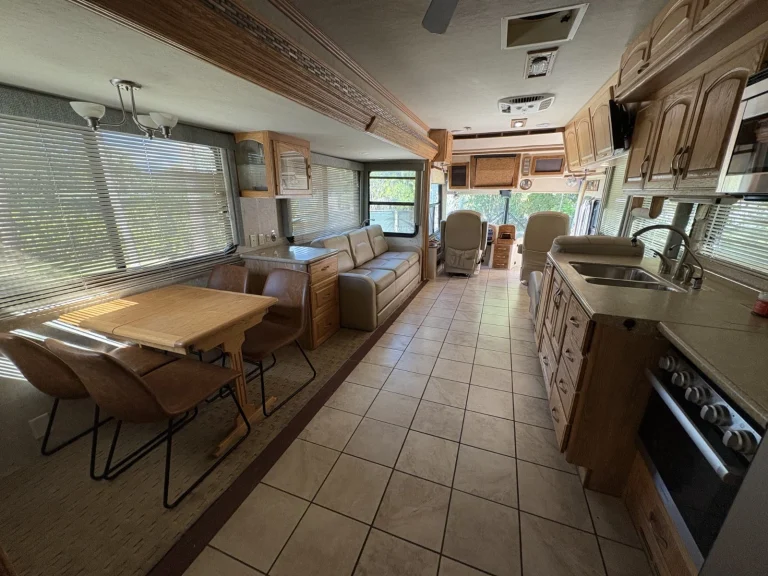
A camper van dealer can show you features, but only you can decide whether the layout works for your lifestyle.
The prettiest interior is not necessarily the most practical one.
Think About How Many People Will Travel
A camper van that is perfect for one person may be uncomfortable for four.
That seems obvious.
Yet buyers sometimes get caught up in clever layouts and forget about real-life space.
When visiting a van dealer, tell the salesperson exactly who will travel with you.
Explain whether you are buying for solo trips, couples’ adventures, family holidays, or occasional guests.
A good camper van dealership can then show you models that make sense for those needs.
Do not choose a sleeping arrangement simply because the specification sheet says it accommodates a certain number of people.
Try it yourself.
Storage Is a Daily Issue
You will probably notice storage after the first few trips.
A van can look spacious when it is empty.
Pack clothing, food, bedding, cooking equipment, tools, outdoor chairs, and personal belongings into it, and the story changes.
When examining a vehicle at a camper van dealer, open every practical storage compartment.
Check overhead areas.
Look beneath seats.
Look at exterior storage.
Consider whether you can reach important items without unpacking everything.
A practical van dealer should let you explore the storage rather than simply telling you how much storage the vehicle has.
Measurements are helpful.
Real-life testing is better.
Look at the Kitchen Like You Are Actually Cooking
The kitchen may look fantastic in photographs.
That does not mean it will work for you.
Stand at the counter.
Open the refrigerator.
Check the sink.
Look at the cooking area.
Open drawers.
Think about where plates, pans, food, and utensils would go.
When visiting a camper van dealership, imagine preparing a normal meal rather than an idealized camping dinner.
Can two people use the kitchen comfortably?
Is there enough workspace?
Does the refrigerator provide enough capacity?
Can you reach everything easily?
These details become important surprisingly quickly.
Test the Electrical Equipment
Modern camper vans can have sophisticated electrical systems.
Depending on the model, you may encounter house batteries, solar systems, inverters, shore power, USB connections, lighting, and other equipment.
Ask the camper van dealer to demonstrate the major electrical systems.
Test lights.
Check outlets.
Ask about battery capacity.
Ask how the system is charged.
Find out whether modifications were made by the previous owner.
A reputable van dealer should be able to explain the system clearly or tell you when specialist assistance is needed.
Do not accept vague answers about important electrical equipment.
Check the Plumbing
If the van has a sink, shower, toilet, or water system, test it.
Turn on the taps.
Check water pressure.
Look underneath sinks.
Look around connections.
Ask about freshwater and wastewater capacity.
When inspecting a van at a camper van dealership, look for obvious evidence of leaks or moisture.
A plumbing issue does not automatically mean you should reject the vehicle.
It does mean you should understand the problem before negotiating the price.
The more transparent the camper van dealer is about repairs, the easier it is to make a sensible decision.
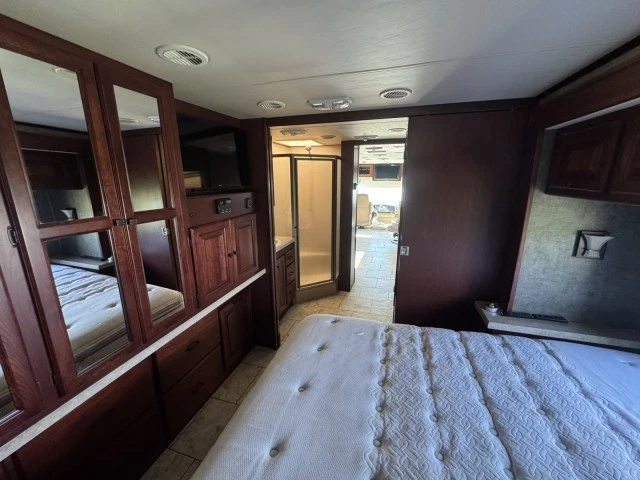
Pay Attention to the Sleeping Area
A bed can look comfortable until you actually lie on it.
Try it.
Check the length.
Check the width.
Look at headroom.
Consider how easy it is to get in and out.
If the bed converts from another area, test the conversion.
When visiting a van dealer, do not feel silly for testing sleeping arrangements.
You may spend hundreds of nights using that space.
Comfort matters.
A small inconvenience during a showroom visit can become a major annoyance after a long day of driving.
Test the Driving Position
Remember that this is still a vehicle.
Sit behind the wheel.
Adjust the seat.
Check visibility.
Look at mirrors.
Examine the dashboard.
Think about whether you feel comfortable reaching controls.
If permitted, take a proper test drive.
A camper van dealer should be able to explain how the vehicle drives and arrange an appropriate demonstration.
Pay attention to steering, braking, acceleration, road noise, and general comfort.
You are not only buying a miniature home.
You are buying the vehicle that moves that home from one destination to another.
Ask About Maintenance
Maintenance history is one of the most valuable pieces of information a buyer can receive.
Ask the camper van dealership for available service records.
Look for evidence of regular oil changes, brake work, tire replacements, battery maintenance, and other important servicing.
Ask when major services were completed.
Ask whether anything is currently due.
A good van dealer should not be surprised by these questions.
If the van has a documented history, that information can make the purchase decision much easier.
If records are missing, that does not automatically mean the vehicle is bad.
It simply means you may need to investigate further.
Mileage Needs Context
Mileage is important.
It is not the entire story.
A camper van with very low mileage may sound perfect.
But if it sat unused for long periods, certain components may still have aged.
A vehicle with higher mileage but consistent servicing may have a clearer history.
When comparing vans at a camper van dealer, consider mileage alongside service records, age, condition, and previous use.
Ask how the mileage accumulated.
Was the van used for long highway journeys?
Was it driven mostly in cities?
Was it regularly used for short trips?
Context turns a number into useful information.
Ask About Tires
Tires deserve more attention than they usually receive.
A camper van can sit for long periods, and tires age whether the vehicle is moving or not.
Look for cracking, uneven wear, and other visible concerns.
Ask the camper van dealership about tire age.
If replacement is approaching, include the cost in your calculations.
This is especially important when comparing prices.
A van that looks cheaper may not actually be cheaper after immediate maintenance.
A transparent van dealer should tell you what condition the tires are in rather than leaving you to discover it later.
Compare the Total Price
Sticker price is only one part of the purchase.
You may also have taxes, registration, insurance, financing costs, accessories, maintenance, and other expenses.
When comparing vehicles from a camper van dealer, calculate the total amount required to put the van on the road.
Ask whether the listed price includes everything advertised.
Ask about additional fees.
Ask whether optional equipment is included.
The goal is not to avoid every additional cost.
That is unrealistic.
The goal is to understand the complete financial commitment before signing anything.
Financing Can Change the Decision
A monthly payment can make a vehicle seem cheaper than it really is.
That is why financing deserves careful attention.
If a camper van dealership offers financing, ask about the interest rate, term, fees, deposit, and total repayment amount.
Compare the complete cost rather than focusing only on the monthly figure.
You should know exactly what you are committing to.
A longer financing term can reduce monthly payments while increasing the total amount paid.
The right choice depends on your finances.
The important thing is understanding the numbers.
Ask About Warranties
Warranty coverage can provide useful protection.
But warranties vary considerably.
When speaking with a van dealer, ask exactly what is covered.
Ask how long the coverage lasts.
Ask what exclusions apply.
Ask whether mechanical components, appliances, electrical systems, water systems, or other equipment are included.
Do not assume that the word “warranty” means everything is covered.
Read the actual terms.
A professional camper van dealer should be able to explain the warranty without making unrealistic promises.
What Happens After the Sale?
This is an excellent question to ask before buying.
If something goes wrong a week after purchase, who do you contact?
Does the dealer have a service department?
Can they help with warranty issues?
Do they recommend specific technicians?
Do they offer parts or maintenance support?
A camper van dealership who remains helpful after the transaction can provide significant value.
Buying a camper van is not necessarily the end of the relationship.
For many owners, maintenance and questions continue for years.
That makes after-sales support worth considering when comparing dealers.
Look at Dealer Reputation
Before committing to a purchase, research the camper van dealer.
Look for customer reviews.
Pay attention to repeated patterns rather than one angry review or one glowing comment.
Do customers mention honest communication?
Do they complain about hidden fees?
Are warranty issues handled reasonably?
Does the dealer respond professionally when customers have problems?
A van dealer does not need hundreds of perfect reviews.
No business receives universal praise.
What matters is whether the overall pattern gives you confidence.
Do Not Be Afraid to Compare Dealers
You are not obligated to buy from the first camper van dealership you visit.
Visit more than one if practical.
Compare vehicles.
Compare prices.
Compare communication.
Compare warranties.
Compare the buying experience.
Sometimes the difference becomes obvious.
One dealer may focus entirely on closing the sale.
Another may spend more time helping you understand the vehicle.
That difference matters.
The cheapest price is not always the best deal if the buying experience is difficult and support disappears afterward.
Ask About Modifications
Camper vans are often modified.
Previous owners may install solar panels, upgraded batteries, refrigerators, beds, cabinets, lighting, entertainment equipment, or other accessories.
Some modifications are excellent.
Others may have been installed poorly.
When examining a vehicle at a camper van dealer, ask which equipment is original and which has been added.
Ask who completed the modifications.
Ask whether documentation is available.
This is particularly important with electrical and structural modifications.
A good van dealer should be able to explain known modifications rather than pretending the van left the factory exactly as it appears today.
Inspect the Interior for Hidden Wear
Look beyond the obvious.
Open doors.
Move cushions.
Check cabinet hinges.
Look beneath mattresses.
Inspect flooring.
Look at wall surfaces.
Check around windows.
When buying through a camper van dealership, you should expect some normal wear on used vehicles.
The question is whether the wear is reasonable for the age and previous use.
A few marks may be nothing.
Soft flooring or significant moisture damage deserves further investigation.
The difference between ordinary wear and expensive damage is important.
Ask What Has Recently Been Replaced
Recent replacements can be valuable.
Perhaps the tires are new.
Maybe the battery was replaced.
Maybe the refrigerator was upgraded.
Maybe the roof was recently resealed.
Ask the camper van dealer for documentation where available.
Recent maintenance can reduce your immediate expenses.
It can also help you understand the vehicle’s history.
However, do not assume that one new component makes the entire vehicle mechanically perfect.
Treat every replacement as one piece of the overall picture.
Consider Fuel and Running Costs
A camper van gives you freedom, but freedom still has operating costs.
Fuel is one of them.
Insurance is another.
Maintenance is another.
If you use the vehicle frequently, these costs can become significant.
When comparing options at a van dealer, think about your expected annual mileage.
A slightly smaller or more efficient van may fit your travel style better.
The most expensive part of an RV is not always the purchase.
Sometimes it is the cost of owning it year after year.
Think About Where You Will Park It
Before buying from a camper van dealership, think about storage.
Can you park the van at home?
Are there height restrictions?
Are there neighborhood rules?
Do you need commercial storage?
Will the vehicle fit through your driveway or gate?
Measure rather than guessing.
A van that looks compact in a showroom can seem surprisingly large when you try to park it at home.
Storage costs should be part of your ownership calculation.
This is another reason to discuss your lifestyle honestly with a camper van dealer before choosing a model.
Consider the Kind of Trips You Take
A camper van designed for weekend trips may not be ideal for full-time travel.
Likewise, a large luxury van may be unnecessary for someone who spends most of their time outdoors.
Tell the van dealer where you intend to travel.
Mention long highway journeys.
Mention remote camping.
Mention family trips.
Mention winter travel if relevant.
Your travel habits can help narrow the selection.
A knowledgeable camper van dealer should be able to explain which layouts and features make sense for those conditions.
Think About Resale Value
You may eventually sell the van.
Your circumstances can change.
You may want something larger.
You may decide that a smaller vehicle suits you better.
When choosing from a camper van dealership, consider models that are likely to remain appealing to future buyers.
Good maintenance records help.
Popular layouts can help.
Clean interiors help.
A vehicle that has been cared for is generally easier to explain and market later.
You do not need to predict the future.
Just avoid making a purchase that becomes difficult to sell because of unusual modifications or poor maintenance.
When Should You Walk Away?
Sometimes the smartest purchase decision is saying no.
If documentation is unclear, serious damage is discovered, the mechanical condition is questionable, or the seller refuses a reasonable inspection, stop.
You can always keep looking.
A professional van dealer should understand that buyers need confidence before making a major purchase.
Do not let pressure override common sense.
There will be other vans.
There will be other opportunities.
Your money deserves careful consideration.
The Right Dealer Makes the Process Easier
Buying a camper van should be exciting.
It should involve questions, comparisons, test drives, inspections, and a little dreaming about where you will go.
It should not feel like a battle.
A trustworthy camper van dealer makes the process clearer.
They explain the vehicle.
They discuss the condition.
They answer questions.
They provide relevant documentation.
They explain costs.
They give you reasonable time to decide.
That kind of experience is valuable.
A Dealer Should Understand the Lifestyle
Selling camper vans is different from selling an ordinary commuter vehicle.
People buy these vehicles because they want experiences.
They want weekend escapes.
They want road trips.
They want flexibility.
They want the ability to wake up somewhere different.
A knowledgeable camper van dealership understands those motivations.
They can help match a vehicle to a travel style instead of simply pushing the most expensive model.
That difference can make the buying process much more enjoyable.
The Best Deal Is About Value
Price matters.
But value matters more.
Imagine two vans.
One costs less but needs tires, appliance repairs, roof work, and mechanical maintenance.
The other costs more but has excellent service records, recent maintenance, and a clean inspection.
The second van may actually be the better deal.
That is the mindset to use when comparing vehicles from a van dealer.
Look at what you receive.
Look at what you will spend afterward.
Look at how long you expect to keep the van.
Then make the decision.
Your First Visit Should Be an Investigation
You do not have to buy anything on the first visit.
Use the first visit to learn.
Walk through different layouts.
Ask questions.
Compare sizes.
Sit in the driver’s seat.
Explore storage.
Test features.
Talk about pricing.
A good camper van dealer should be comfortable with an informed buyer.
The more you learn before purchasing, the easier it becomes to recognize the right van.
You may even discover that the model you originally wanted is not the model that actually fits your lifestyle.
That is a useful discovery, not a failure.
Final Thoughts Before You Buy
Choosing a camper van is exciting because the purchase represents more than transportation.
It represents possibility.
A weekend away without booking a hotel.
A long road trip with your own bed behind you.
A spontaneous change of direction.
Breakfast beside a lake.
An evening somewhere you had never planned to visit.
But the vehicle needs to work in the real world.
That is why choosing the right camper van dealership deserves attention.
Look for honesty.
Look for clear communication.
Look for useful documentation.
Look for vehicles that have been properly inspected and maintained.
Ask about warranties.
Ask about after-sales support.
Test the van.
Compare the numbers.
And never be embarrassed to say, “I need some time to think about it.”
The best van dealer should understand that.
A confident buyer is not an inconvenience.
A confident buyer is someone who knows what they are purchasing.
Whether you are searching for a compact camper van for weekend adventures or a larger setup for extended road travel, take your time and compare your options carefully.
The right vehicle is out there.
The right camper van dealer can help you find it.
And when the purchase finally makes sense—not just emotionally, but financially and practically—you can stop worrying about whether you made the right decision and start thinking about where the road is going to take you.
FAQs About Choosing a Camper Van Dealer
What should I look for in a camper van dealer?
Look for transparent pricing, clear communication, vehicle information, maintenance records, reasonable inspection opportunities, and dependable after-sales support.
A trustworthy camper van dealership should be willing to answer questions without making you feel pressured.
Should I buy from a camper van dealer or a private seller?
Both options have advantages.
A dealer may provide financing, warranties, inspection services, or after-sales support, while private sellers may offer different pricing and vehicle histories.
Compare the complete deal rather than choosing solely based on who is selling.
How do I know if a camper van dealer is trustworthy?
Research customer reviews, ask for documentation, inspect the vehicle, and pay attention to how the dealer answers difficult questions.
A reliable camper van dealer should be comfortable discussing both the strengths and weaknesses of a used vehicle.
Can I negotiate with a camper van dealer?
Sometimes.
Your negotiating position may depend on vehicle condition, market demand, dealer pricing, included equipment, and required repairs.
Instead of asking for an arbitrary discount, use actual inspection findings and comparable vehicles as the basis for negotiation.
Should a used camper van be inspected?
Yes.
A professional inspection can uncover mechanical, electrical, structural, plumbing, or moisture-related problems.
Even when purchasing through a van dealer, an independent inspection can provide additional confidence before you commit.
What documents should I ask for?
Ask about ownership documentation, service records, inspection reports, warranty information, and documentation for significant modifications or repairs.
The exact paperwork required varies by location, so verify local requirements before completing the transaction.
What questions should I ask a camper van dealer?
Ask about vehicle history, mileage, maintenance, previous ownership, accident history, modifications, tires, appliances, electrical systems, warranty coverage, financing, and after-sales service.
The more information you have, the easier it is to compare vehicles.
Is a low-mileage camper van always better?
No.
Mileage is useful, but it needs context.
A low-mileage vehicle that has been neglected may require significant maintenance.
When comparing vans through a camper van dealership, consider mileage alongside service history, age, storage conditions, and overall mechanical condition.
What should I check inside a camper van?
Check the sleeping area, kitchen, bathroom, cabinets, flooring, ceiling, windows, electrical equipment, plumbing, appliances, and storage.
Look for moisture, unusual smells, soft flooring, stains, damaged fittings, and signs of poor repairs.
Should I test-drive the camper van?
Absolutely.
The vehicle needs to be comfortable and predictable on the road.
Test steering, braking, acceleration, visibility, seating position, controls, and general driving comfort before buying.
Does a camper van need a warranty?
A warranty is not necessarily required, but it can provide useful protection depending on the vehicle and terms.
If a camper van dealer offers warranty coverage, read the terms carefully and understand exclusions before agreeing.
How important is after-sales service?
It can be very important.
Camper vans combine vehicle systems with living-space equipment, so questions and maintenance needs may continue after the purchase.
A van dealer that provides useful after-sales support can add considerable value.
Should I buy a brand-new camper van?
That depends on your budget and priorities.
New vans may offer newer technology and manufacturer coverage, while used vans can provide substantial value.
Do not automatically assume that new is better for every buyer.
Are used camper vans worth considering?
Yes.
A carefully maintained used camper van can offer excellent value.
When visiting a camper van dealership, focus on condition, maintenance, previous use, inspection results, and total cost rather than age alone.
What is the biggest mistake buyers make?
Buying emotionally before completing the inspection.
It is easy to imagine your first road trip after seeing a beautiful interior.
Take a step back.
Inspect the vehicle, check the documentation, calculate ownership costs, and make sure the van actually fits your lifestyle.
How much should I budget beyond the purchase price?
There is no universal amount.
Plan for insurance, registration, maintenance, fuel, storage, accessories, repairs, and unexpected expenses.
Keeping an emergency reserve is particularly useful when buying a used camper van.
Should I compare several camper van dealers?
Yes.
Comparing multiple dealers can help you understand pricing, vehicle quality, customer service, warranties, and available layouts.
You may discover that the best purchase comes from the camper van dealer that provides the strongest overall value rather than the lowest advertised price.
Can a camper van be used for full-time living?
Some are designed or equipped for extended living, but suitability varies considerably.
Consider sleeping space, insulation, heating, ventilation, water capacity, electrical systems, storage, bathroom facilities, and your intended climate.
Discuss your plans with a knowledgeable van dealer before choosing a model.
Are camper vans good for road trips?
They can be excellent for road trips because they combine transportation and accommodation.
The ideal vehicle depends on your preferred destinations, travel companions, driving habits, and comfort requirements.
What should make me walk away from a deal?
Serious unresolved water damage, major mechanical problems, questionable documentation, unsafe modifications, or refusal to allow reasonable inspection should all be treated seriously.
Never allow sales pressure to make the decision for you.
Final Buying Advice
The right camper van dealer should not simply help you purchase a vehicle.
They should help you understand it.
That means asking questions, checking records, examining the vehicle, discussing the price, understanding warranties, and thinking honestly about how you intend to travel.
Take your time.
Compare your options.
Look beyond the photographs.
And choose the van that makes sense when the excitement of the showroom has disappeared.
Because the best camper van is not necessarily the newest or most expensive one.
It is the one you can afford, trust, maintain, and actually enjoy driving toward your next destination.
Related guides
- How to Choose the Best Class B RV for Your Travel Needs
- Best Class B RV With Bathroom: Comfort on the Road
- Best Class B RV for Couples: Comfort, Space, and Features
- Best Class B RV for Remote Work: Features That Matter
Browse more in Class B RVs & Camper Vans or see all buying guides.