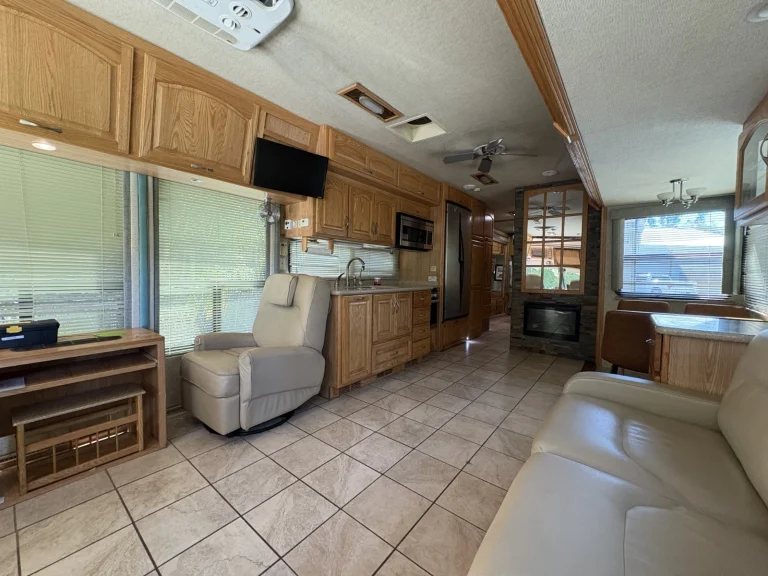
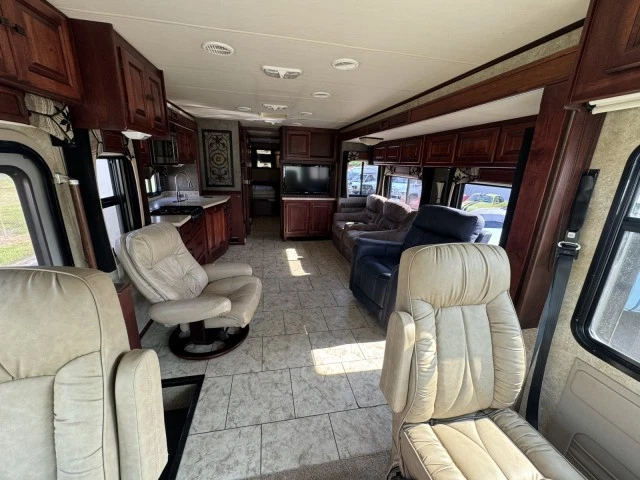
Family Campers for Sale: 27 Things to Know Before Choosing the Right One
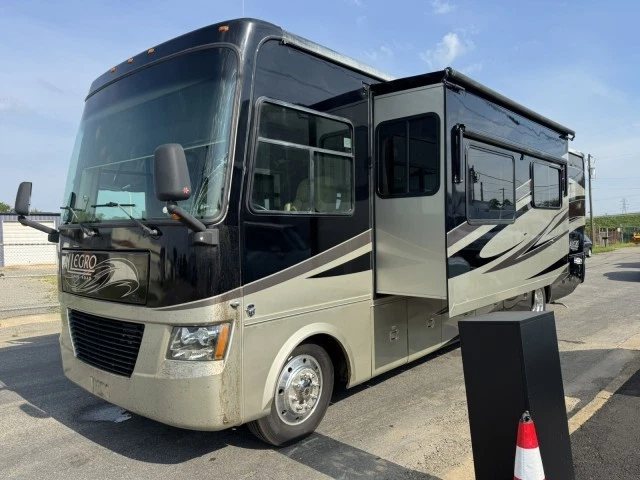
Family camping sounds simple until everyone is actually inside the camper.
Someone needs a place to sleep. Someone else wants a snack. The kids have brought too many clothes. A parent is looking for the bathroom. And somehow, the shoes that were supposed to stay outside are already on the floor.
That is real family travel.
It is also why choosing from the many family campers for sale requires more thought than simply picking the biggest camper you can afford.
A camper can look fantastic in photographs and still feel completely wrong after a week on the road. The opposite can also happen. A modest-looking camper with a smart floor plan can become the favorite family possession you have ever bought.
The difference usually comes down to how well the camper fits your actual life.
This guide takes a practical approach to family campers for sale. Instead of concentrating only on shiny features and impressive specifications, we will look at sleeping arrangements, storage, bathrooms, kitchens, towing, comfort, maintenance, and those small details that become surprisingly important when a family spends several days together.
1. Start With Your Family, Not the Camper
Before looking through family campers, think about who will actually use the camper.
A family of four has different needs from a family of six. A couple traveling with grandchildren may want something different from parents traveling with toddlers.
Age matters too.
Young children may need beds that are easy to reach. Teenagers may appreciate more privacy. Adults may care more about mattress quality, kitchen space, and a comfortable bathroom.
Write down everyone’s basic needs before shopping for family campers on the market.
It sounds almost too simple, but this step prevents many expensive mistakes.
2. Sleeping Space Is More Important Than Floor Space
A large living room looks impressive.
At bedtime, however, nobody cares how impressive the living room looked at the dealership.
They care about where they are sleeping.
When comparing family campers for sale, count the actual sleeping spaces rather than simply looking at the number of people the manufacturer says the camper can accommodate.
A dinette that converts into a bed can be useful. A sofa sleeper can help. Bunk beds can be even better for families with children.
The key question is whether everyone can sleep comfortably without turning the entire camper upside down every night.
3. Bunk Beds Can Change Everything
For families with children, bunk beds are often one of the smartest features available in family campers.
They give children their own sleeping area while leaving the main bed available for parents.
There is another advantage.
Bunks do not always have to be converted every evening.
That matters when you are traveling frequently. Nobody wants to transform the dining area into a bedroom every night after driving several hours.
Look closely at bunk dimensions, weight limits, ventilation, lighting, and access.
A bunk should be practical rather than simply present on the floor plan.
4. Look Beyond the Number of Beds
Manufacturers sometimes advertise impressive sleeping capacities.
But sleeping capacity and comfortable living capacity are not always the same thing.
A camper may technically sleep eight people while feeling cramped with five.
When evaluating family campers on the market, imagine a rainy afternoon.
Everyone is inside.
Nobody is sitting around the campfire.
Where does everyone sit?
Where do wet jackets go?
Can two people prepare food while another person walks through the kitchen?
These questions tell you more than a simple sleeping-capacity number.
5. Think About Bad Weather
Sunny camping photographs can make any camper look perfect.
Families know better.
Rain happens.
Cold mornings happen.
Sometimes an entire day of a camping trip is spent inside.
That is why good family campers for sale should have a usable interior living area.
Look for comfortable seating, reasonable walking space, useful windows, lighting, heating, and enough room for everyone to occupy the camper without constantly bumping into each other.
A camper should work on the days when camping is less than perfect.
6. Storage Is a Family Issue
Adults are usually surprised by how much equipment children require.
Clothes.
Shoes.
Towels.
Games.
Sports equipment.
Food.
Camping chairs.
Backpacks.
Bicycles.
And then there are the things nobody remembers packing until they need them.
This is why storage deserves serious attention when comparing family campers.
Open every cabinet.
Check the closets.
Look underneath beds.
Inspect exterior storage compartments.
Think about where everyday items will actually go.
A beautiful camper with poor storage can become frustrating very quickly.
7. The Kitchen Should Match Your Routine
Not every family cooks elaborate meals while camping.
Others practically run a small restaurant from the camper kitchen.
Be honest about which type of family you are.
When reviewing family campers for sale, consider counter space, refrigerator capacity, pantry storage, cooking appliances, sink size, and access to the kitchen.
If you regularly prepare breakfast, lunch, and dinner inside the camper, a tiny kitchen may become annoying.
If you mostly grill outdoors, you may prefer to use that space for something else.
There is no universally perfect kitchen.
There is only the right kitchen for your family.
8. Refrigerator Size Matters
It is easy to underestimate refrigerator space.
Families rarely travel with exactly one day’s worth of food.
Drinks alone can consume a surprising amount of room.
Before choosing among family campers on the market, consider how long your typical trips last.
A weekend trip has different food requirements from a two-week vacation.
Also think about whether you will buy groceries along the way.
The right refrigerator is the one that matches your normal travel habits.
9. Do Not Ignore the Bathroom
A bathroom may not be the first thing families talk about when shopping for family campers.
It should be.
When traveling with children, bathroom convenience becomes extremely valuable.
Look at shower size.
Check toilet access.
Open the bathroom door.
Stand inside.
Imagine actually using it.
Make sure the bathroom does not feel like a space designed only for photographs.
For larger families, bathroom location can matter just as much as bathroom size.
10. One Bathroom Can Affect the Whole Morning
Picture six people getting ready to leave at 8 a.m.
The bathroom suddenly becomes the busiest room in the camper.
A good family layout can reduce the traffic.
Some floor plans provide bathroom access without requiring someone to walk through the bedroom. Others separate the shower from the toilet area.
When looking at family campers for sale, study how people move through the camper during busy times.
A clever floor plan can save a surprising amount of frustration.
11. Consider Your Tow Vehicle First
A common mistake is falling in love with a camper before checking whether the tow vehicle can handle it.
Do not do that.
When comparing family campers on the market, check the camper’s relevant weights and compare them with the actual capabilities of your vehicle.
Do not base the decision solely on advertisements saying a vehicle is “powerful.”
Look at manufacturer specifications and your specific configuration.
A comfortable camper is not much use if towing it creates unnecessary stress.
12. Bigger Does Not Automatically Mean Better
There is a temptation to choose the largest option among family campers for sale.
Sometimes that is exactly right.
Sometimes it is not.
A larger camper can provide more beds, storage, and living space. But it can also mean more weight, greater fuel consumption, tighter campsite requirements, and more complicated maneuvering.
Ask yourself where you intend to camp.
If you mostly visit large established campgrounds, size may be less of an issue.
If you enjoy smaller or more remote locations, a more manageable camper may be preferable.
13. Think About Your Typical Trip
Your camper should match your travel style.
A family taking two-night weekend trips does not necessarily need the same camper as a family spending three months traveling across the country.
Before sorting through family campers, think about your calendar.
How often will you travel?
How far will you drive?
Will you stay in campgrounds?
Will you spend time off-grid?
Will you travel mostly during summer?
Will you bring pets?
These answers help narrow the field quickly.
14. Make a “Must Have” List
Shopping becomes easier when you separate needs from wants.
For example, your must-have list might include bunk beds, a bathroom, air conditioning, sufficient storage, and a refrigerator.
Your wish list might include a large television, upgraded entertainment equipment, or a premium sound system.
When comparing family campers on the market, make the must-have list non-negotiable.
A camper without a feature your family genuinely needs is not a good deal simply because it has ten features you do not need.
15. Make a “Never Again” List Too
This is one of the most useful shopping tricks.
Think about your previous camping experiences.
What annoyed you?
Was there never enough storage?
Did the kids fight over sleeping arrangements?
Was the kitchen too small?
Did you hate converting the dinette every night?
Did the bathroom feel impossible to use?
Write those things down.
Then use the list when reviewing family campers for sale.
The next camper should solve old problems, not recreate them.
16. New Is Not Always the Best Choice
A brand-new camper can be attractive.
Everything is fresh.
The interior looks perfect.
The appliances have not been used.
But a carefully inspected used camper can offer excellent value.
When browsing family campers, do not automatically eliminate older units.
A well-maintained camper with a practical floor plan may be a better purchase than a newer camper with an unsuitable layout.
Condition matters more than age alone.
17. Inspect Used Campers Carefully
If you are considering used family campers for sale, slow down during the inspection.
Look for water damage.
Check seals around windows, doors, roof openings, and exterior compartments.
Inspect the floor for soft areas.
Look for unusual stains or odors.
Test appliances where possible.
Open and close doors and drawers.
Check the electrical system.
A cosmetic issue can sometimes be easy to fix.
Water intrusion can be a much bigger concern.
18. Ask About Maintenance
A family camper is not maintenance-free.
Before buying family campers on the market, ask what maintenance has been performed.
Look for records if they are available.
Ask about tires.
Ask about batteries.
Ask about roof maintenance.
Ask about appliances.
Ask whether the camper has spent long periods sitting unused.
Good maintenance history can provide valuable confidence.
19. Family Comfort Is About Small Details
Some of the best features in family campers are not glamorous.
Enough electrical outlets.
Good reading lights.
Easy-to-clean flooring.
Useful hooks.
Storage near the entrance.
A comfortable mattress.
USB charging points.
A place for shoes.
A sensible trash-bin location.
These details may seem minor during an inspection.
After thirty nights on the road, they can feel extremely important.
20. Easy Cleaning Is a Bigger Deal Than You Think
Camping is messy.
Children are messy.
Put the two together and the camper needs to survive real life.
When comparing family campers for sale, consider the flooring and upholstery.
Can sand and dirt be swept out easily?
Can spills be wiped up?
Are there difficult-to-reach corners?
Do fabrics appear durable?
A camper should not require museum-level care every time someone walks inside with a pair of muddy shoes.
21. Entertainment Has Its Place
A family camper is not necessarily supposed to become a mobile movie theater.
Still, entertainment can be useful.
Televisions, speakers, charging ports, and connectivity features can make rainy days easier.
But when comparing family campers on the market, treat entertainment as a bonus rather than the foundation of your decision.
A fantastic television cannot fix a bad floor plan.
A smart layout will benefit the family every day.
22. Climate Control Matters
Hot afternoons can make a small camper uncomfortable very quickly.
Cold nights can be equally challenging.
Families should therefore pay attention to heating and cooling systems when comparing family campers for sale.
Consider the climate where you expect to travel.
A camper used primarily in warm southern regions may have different priorities from one used for shoulder-season mountain trips.
Windows, insulation, ventilation, and climate-control equipment all contribute to comfort.
23. Power Needs Deserve Attention
Modern families carry plenty of electronics.
Phones.
Tablets.
Cameras.
Laptops.
Gaming devices.
Portable speakers.
Camping equipment.
When considering family campers, think about how you will keep everything powered.
If you plan to camp without hookups, power management becomes even more important.
Ask how the camper’s electrical system fits your intended camping style.
24. Do Not Forget Outdoor Living
The camper itself is only half the experience.
Families spend plenty of time outside.
An awning can create shade.
Exterior storage can keep dirty equipment away from the living area.
An outdoor cooking setup can make meals easier.
Exterior lighting can be useful after sunset.
When comparing family campers on the market, consider the space immediately outside the camper too.
You are buying a camping setup, not simply a box with beds.
25. Safety Should Never Be an Afterthought
Family camping should be enjoyable, but safety comes first.
Check that smoke and carbon-monoxide detection equipment is present and maintained.
Make sure doors and windows operate correctly.
Inspect steps and handrails.
Check tires and other travel-related components.
Keep emergency supplies accessible.
When looking at family campers for sale, do not allow attractive interiors to distract you from basic safety.
A beautiful camper still needs to be a dependable one.
26. Calculate the Real Cost
The advertised purchase price is only part of the financial picture.
When comparing family campers, consider registration, insurance, maintenance, storage, fuel, campground fees, accessories, and possible repairs.
You may also need equipment such as leveling blocks, hoses, electrical adapters, cookware, outdoor furniture, and safety supplies.
A slightly cheaper camper is not necessarily cheaper over several years.
Look at the complete ownership picture.
27. Choose the Camper Your Family Will Actually Use
This is the most important point.
The best camper is not necessarily the largest.
It is not necessarily the newest.
It is not necessarily the most luxurious.
Among all the family campers for sale, the right one is the camper that makes your family want to travel.
Maybe that means a simple bunkhouse travel trailer.
Maybe it means a larger family RV.
Maybe it means a compact camper with an excellent layout.
Maybe it means a used model that fits the budget comfortably.
The goal is not to impress someone in a parking lot.
The goal is to create good trips.
How to Compare Family Campers for Sale Without Getting Overwhelmed
Shopping can become confusing because every camper seems to offer something different.
One has more beds.
Another has a bigger refrigerator.
Another has a better bathroom.
Another has more storage.
Rather than comparing everything simultaneously, create a simple scorecard.
Give each camper a score for sleeping space, storage, bathroom, kitchen, towing requirements, comfort, condition, price, and suitability for your normal trips.
The best family campers on the market should perform well across the categories that actually matter to you.
This method also prevents one impressive feature from dominating the entire decision.
Questions to Ask Before Buying
When you find promising family campers, ask the seller straightforward questions.
How long have you owned it?
Why are you selling it?
Has it ever had water intrusion?
What maintenance has been completed?
Are all appliances working?
How old are the tires?
Has the camper been stored indoors or outdoors?
Are there any known problems?
Honest answers are valuable.
If the seller becomes uncomfortable when reasonable questions are asked, slow down.
You are making a significant purchase.
What Families Should Check During a Walk-Through
Do not rush the walk-through.
Open every cabinet.
Sit on every seat.
Lie on the beds.
Stand in the shower.
Walk through the camper together.
Imagine where the children will put their bags.
Imagine where shoes will go.
Imagine preparing breakfast.
Imagine everyone returning from the beach covered in sand.
That mental exercise can reveal whether family campers for sale are genuinely practical or simply attractive at first glance.
Are Bigger Family Campers Always Better?
No.
Bigger campers can provide more space, but size brings trade-offs.
A larger camper can require a more capable tow vehicle and may be harder to maneuver.
For some families, extra space is worth every bit of the trade-off.
For others, a smaller camper means easier travel and access to more camping locations.
The right choice among family campers on the market depends on where and how your family travels.
Are Used Family Campers Worth Considering?
Yes, provided you inspect them carefully.
Used family campers for sale can make sense for buyers who want to control their budget while still getting a useful floor plan.
The key is condition.
A low purchase price should never excuse obvious structural or water-related problems.
If possible, have a qualified RV professional inspect a used camper before completing the purchase.
What Is the Best Family Camper Layout?
There is no single best layout.
Families with younger children often appreciate bunk beds.
Families with teenagers may prefer greater separation.
Couples traveling with grandchildren may prioritize flexible sleeping arrangements.
Families spending long periods inside may prioritize a larger living area.
When comparing family campers, focus on how the floor plan works for your particular household.
How Many People Should a Family Camper Sleep?
Look beyond the advertised number.
A camper may technically sleep many people, but comfort depends on the size and arrangement of those sleeping spaces.
If you regularly travel with four people, choose a layout that comfortably supports four people rather than buying a camper simply because it claims to sleep eight.
Comfort matters.
What Should I Bring When Inspecting a Family Camper?
Bring a flashlight, phone, measuring tape, and notebook.
Take photographs if the seller permits them.
Measure sleeping areas and storage spaces.
Check for odors, stains, soft flooring, damaged seals, and signs of moisture.
If possible, bring someone who has experience with RVs.
A second pair of eyes can notice things the excited buyer misses.
Should I Buy New or Used?
Think about your priorities.
New family campers on the market may offer current designs, warranties, and fewer previous-owner variables.
Used campers can offer attractive prices and proven layouts.
Neither option is automatically superior.
The best purchase is the one that gives your family the right combination of condition, features, reliability, and affordability.
Final Thoughts
Choosing among family campers for sale is really about choosing how your family wants to spend its free time.
The camper will become the place where breakfast happens before a long drive.
It may be where children play cards during a rainy afternoon.
It could be where parents enjoy coffee before everyone wakes up.
It will carry muddy shoes, wet towels, forgotten toys, snacks, luggage, and plenty of memories.
That is why the right choice is about more than specifications.
Look at the floor plan.
Think about sleeping arrangements.
Check the storage.
Test the bathroom.
Consider the kitchen.
Match the camper to your tow vehicle.
Inspect the condition.
Calculate the real ownership cost.
Most importantly, picture your family using it on an ordinary camping trip rather than admiring it for ten minutes at a dealership.
The strongest family campers are not necessarily the ones with the longest feature list.
They are the ones that fit the people who will actually live, sleep, eat, laugh, relax, and travel inside them.
Take your time.
Ask uncomfortable questions.
Measure the spaces.
Think about your previous camping experiences.
Then choose a camper that solves your family’s problems instead of simply adding another expensive possession.
Because years from now, you probably will not remember how many cabinets the camper had.
You will remember where you went.
You will remember the roadside breakfasts.
You will remember the nights around the fire.
You will remember the kids falling asleep after a long day outside.
And that is ultimately what makes choosing the right family campers for sale worth doing carefully.
The best camper is the one that gets your family out there.
And once you find the right one, the real adventure finally begins.
Related guides
- New Campers for Sale: A Practical Guide to Choosing the Right Camper for Your Next Adventure
- Used Campers for Sale by Owner: A Practical Guide to Finding a Great Deal
- Pre Owned Campers for Sale: 17 Real-World Tips for Finding a Camper You’ll Actually Love
- Best Camper for Road Trips: 19 Things to Know Before You Hit the Highway
Browse more in Campers for Sale or see all buying guides.