Reliable Used RVs for Sale: 29 Smart Steps to Find Your Next Road-Trip RV
There is a big difference between finding an RV and finding one you can actually trust.
Anyone can search through listings, compare photographs, and sort by price.
The harder part is figuring out which RVs are genuinely worth considering.
That matters even more when you are shopping for reliable used RVs for sale.
A used RV can be a fantastic way to enter the RV lifestyle without paying the full price of a new model.
You may find a comfortable motorhome, spacious travel trailer, or well-equipped RV that has already absorbed some of its initial depreciation.
But used does mean you need to pay attention.
The RV may have been maintained carefully.
Or it may have been neglected.
It may have spent years protected from the weather.
Or it may have sat outside through every season.
It may have excellent service records.
Or nobody may know exactly what happened to it before it reached the current seller.
That is why smart RV shopping starts before you ever make an offer.
This guide takes you through the process step by step so you can evaluate reliable used RVs for sale with a clearer head and fewer surprises.
Start With Your RV Lifestyle
Before you start comparing RV listings, think about how you actually plan to use one.
This sounds simple.
It is also one of the most important steps.
Are you planning weekend trips?
Long-distance travel?
Family vacations?
Seasonal living?
Fishing trips?
National park adventures?
Or maybe you simply want a comfortable way to get away from home a few times each year?
Your answer should influence the type of RV you buy.
The best reliable used RVs are not necessarily the biggest, newest, or most expensive.
They are the RVs that fit your lifestyle.
Think About How Many People Will Travel
A couple has different needs from a family of five.
If you travel alone, you may value simplicity.
If you travel with children, sleeping arrangements and storage become much more important.
If several adults will use the RV, bathroom access and living space can become priorities.
Do not rely only on the advertised sleeping capacity.
Walk through the RV.
Imagine everyone actually using it.
This is one of the easiest ways to narrow down reliable used RVs on the market that make sense for you.
Choose the Right RV Type
There is no single RV style that works for everyone.
Motorhomes combine transportation and living space.
Travel trailers give you the option of unhitching your tow vehicle at camp.
Fifth wheels can provide impressive living space.
Smaller trailers may be easier to store and tow.
Class B and compact RVs can appeal to travelers who want something maneuverable.
When comparing reliable used RVs, consider what each type requires beyond the purchase itself.
A large trailer may require a stronger tow vehicle.
A motorhome has an engine and drivetrain to maintain.
A fifth wheel requires a compatible pickup and hitch setup.
The right RV should work as a complete package.
1. Set Your Realistic Budget
The advertised price is only the beginning.
Before buying, think about everything else.
Insurance.
Registration.
Fuel.
Maintenance.
Storage.
Camping fees.
Accessories.
Repairs.
Tires.
Potential upgrades.
This is particularly important when looking at reliable used RVs for sale because buying an RV uses more than just the money on the sales receipt.
Try to leave room in your budget.
If you have $50,000 available, spending the entire amount on the RV may not be the smartest move.
A $44,000 RV that leaves room for maintenance and equipment can be a better financial decision.
2. Do Not Chase the Lowest Price
A low price gets attention.
It should not automatically get your money.
Imagine finding two similar RVs.
One costs $30,000.
The other costs $35,000.
The cheaper RV needs new tires, has an aging roof, and has no maintenance records.
The more expensive RV has recent service records, good tires, and a clean inspection.
Which one is actually cheaper?
That is the question you should ask when evaluating reliable used RVs on the market.
Purchase price is important.
Total ownership cost matters more.
3. Study the Listing Carefully
Do not scroll through an RV listing like you are looking at vacation photos.
Read the description.
Look for the year.
Mileage where applicable.
Sleeping capacity.
Floor plan.
Major equipment.
Service information.
Known repairs.
Ownership history.
Then look at the photographs.
A serious listing should give you enough information to begin asking useful questions.
When searching for reliable used RVs, incomplete information does not automatically mean the RV is bad.
It simply means you have more questions to ask.
4. Request More Photos
If the listing only shows glamorous interior photographs, ask for more.
Request pictures of:
The roof.
Exterior seams.
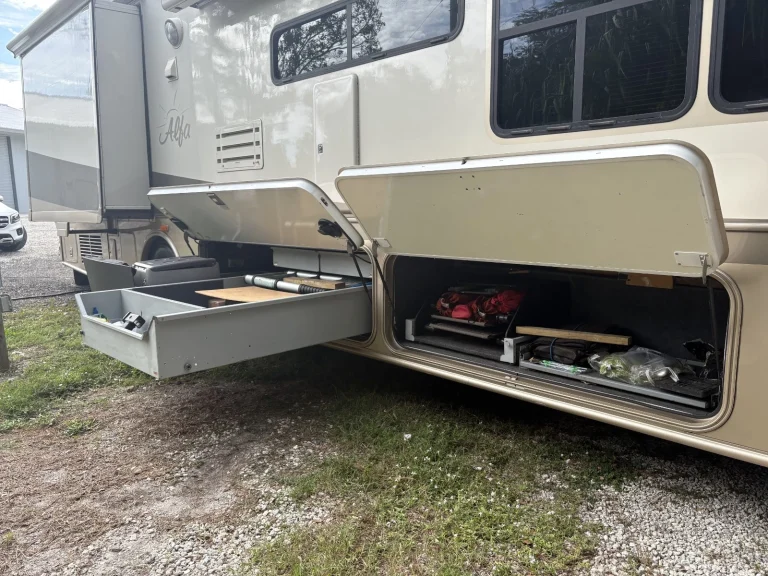
Storage compartments.
Tires.
Undercarriage where appropriate.
Engine compartment for motorhomes.
Bathroom.
Kitchen.
Bedroom.
Areas around windows.
You are not being difficult.
You are trying to understand what you are buying.
Additional photographs can quickly eliminate some reliable used RVs on the market candidates that do not meet your expectations.
5. Inspect the Roof
If you remember only one inspection tip, remember this one.
Look at the roof.
The roof is constantly exposed to weather.
Sealants age.
Materials deteriorate.
Branches can cause damage.
Small leaks can become major problems.
Look for cracks, damaged sealant, unusual patches, or other signs of previous problems.
If you are uncomfortable inspecting the roof yourself, hire someone qualified.
Roof condition deserves serious attention when evaluating reliable used RVs for sale.
6. Search for Water Intrusion
Water is one of the biggest concerns when buying a used RV.
Look inside cabinets.
Check ceilings.
Inspect corners.
Look around windows.
Examine flooring.
Look beneath sinks.
Check bathroom areas.
Watch for stains, discoloration, swelling, soft spots, peeling materials, or musty odors.
Not every mark means severe damage.
But every unexplained moisture sign deserves investigation.
This is a crucial part of separating genuinely reliable used RVs from RVs that may require extensive repairs.
7. Check the Exterior Seals
Walk around the RV slowly.
Look at windows.
Doors.
Roof fixtures.
Vents.
Storage compartments.
Exterior joints.
You are looking for signs of deteriorated or poorly repaired seals.
Sealant maintenance is normal RV ownership.
The issue is whether problems have been ignored for years.
A well-maintained exterior can tell you a lot about the owner’s approach to maintenance.
That is valuable information when comparing reliable used RVs on the market.
8. Examine the Tires
Tires should never be an afterthought.
Look for cracking.
Check for uneven wear.
Inspect the overall condition.
Pay attention to age, not just tread.
If the tires are approaching the end of their useful service life, calculate replacement costs before negotiating.
An RV with aging tires may still be a good purchase.
You simply need to account for them.
When comparing reliable used RVs for sale, tires should always appear on your inspection list.
9. Look Underneath
The underside can tell a different story from the interior.
For towable RVs, inspect accessible areas for visible damage, corrosion, poor repairs, or other concerns.
For motorhomes, pay attention to mechanical components and the chassis.
If you are not mechanically experienced, bring a professional.
There is no shame in admitting that you do not know everything.
In fact, knowing when to call an expert can help you find reliable used RVs with much greater confidence.
10. Test the Electrical System
Turn things on.
Do not assume everything works.
Check interior lights.
Test outlets.
Operate switches.
Check major electrical equipment.
If the RV has a generator, ask about its maintenance and operation.
Electrical problems can be annoying and sometimes expensive.
Testing systems before purchase helps you understand the true condition of reliable used RVs on the market.
11. Run the Plumbing
Turn on the faucets.
Run the shower.
Flush the toilet.
Check the drains.
Look beneath sinks.
Watch for leaks.
Listen to the water pump.
You are looking for anything unusual.
A small leak may be simple to repair.
A hidden leak can be much more serious.
That is why plumbing deserves attention when inspecting reliable used RVs.
12. Test the Air Conditioner
Nobody wants to discover a broken air conditioner during a hot summer trip.
Turn it on.
Give it time to operate.
Listen for unusual sounds.
Check whether it produces cool air.
If it does not work correctly, find out why.
You can then decide whether the problem affects the value of the RV.
Working climate-control systems can be an important advantage among reliable used RVs for sale.
13. Test the Heating System
Heating deserves equal attention.
Test the furnace where appropriate.
Check whether it starts normally.
Listen for unusual noises.
Ask about previous repairs.
If the system has not been used recently, consider professional evaluation.
You want to understand the RV before you buy it.
That principle applies to every major system in reliable used RVs on the market.
14. Test Every Appliance
Open the refrigerator.
Check the freezer.
Test the stove.
Try the microwave.
Check the water heater.
Operate other installed appliances.
A clean kitchen does not guarantee functional appliances.
Testing them can prevent unpleasant surprises.
This is particularly important when comparing several reliable used RVs because working equipment contributes directly to everyday usability.
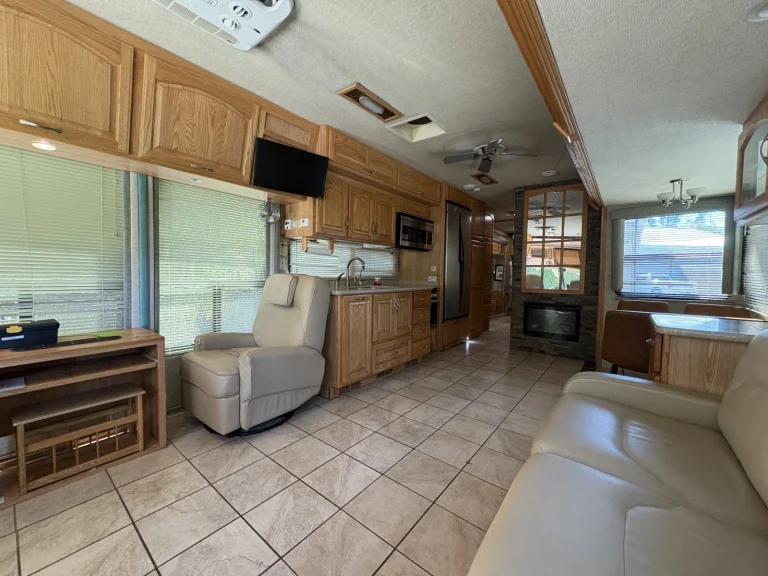
15. Walk Through the RV Slowly
Do not rush the interior inspection.
Sit on the furniture.
Open cabinets.
Pull drawers.
Check doors.
Walk across the flooring.
Look at walls and ceilings.
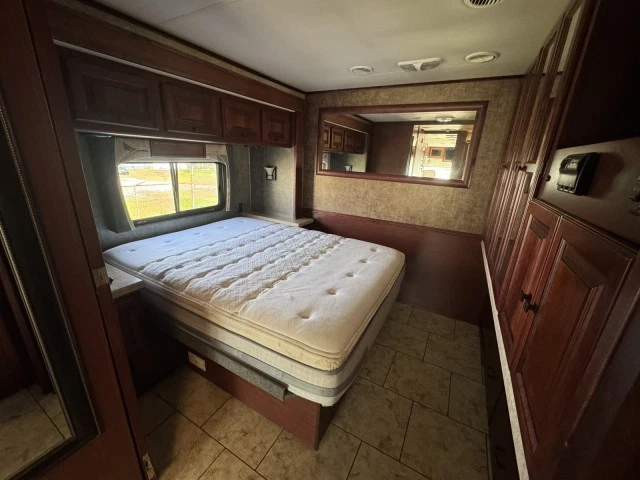
Try the beds.
Use the bathroom.
Imagine spending an entire rainy day inside.
This is a surprisingly useful way to evaluate reliable used RVs for sale.
You are not just buying a vehicle.
You are buying a living space.
16. Think About Storage
Storage looks different once you start packing for a real trip.
You need clothing.
Food.
Cooking supplies.
Bedding.
Tools.
Outdoor equipment.
Personal items.
Maybe bicycles or sports equipment.
Open every storage compartment.
Think about how your belongings would fit.
A beautiful RV with inadequate storage can become frustrating very quickly.
When comparing reliable used RVs on the market, practical storage should be part of the decision.
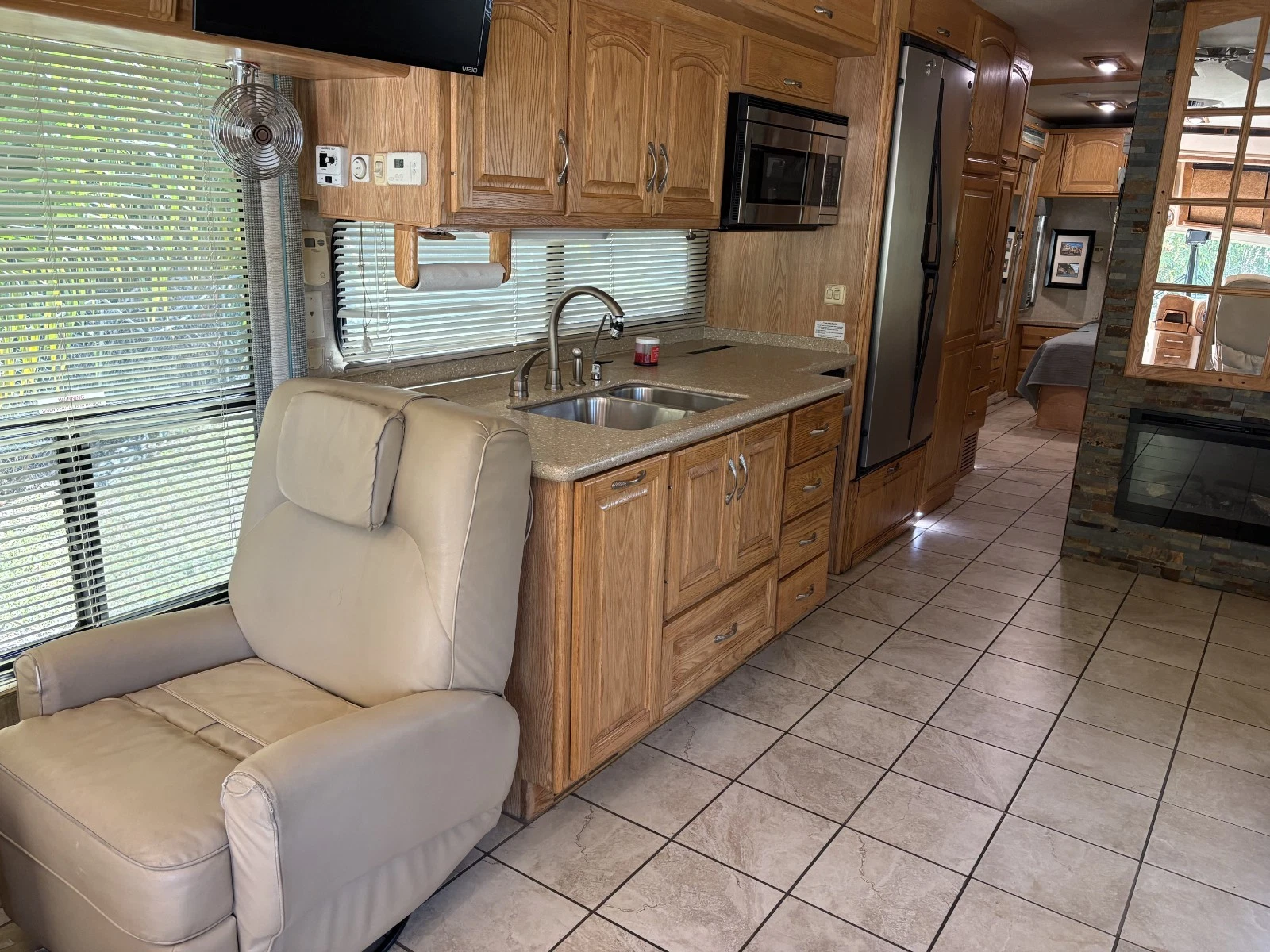
17. Evaluate the Kitchen
Do you enjoy cooking?
Then look carefully at the kitchen.
Check counter space.
Look at cabinet storage.
Inspect the refrigerator.
Consider the location of the stove.
Think about where dishes and food will go.
A compact kitchen can be perfectly adequate for weekend travelers.
A family spending several weeks on the road may need something more substantial.
Choose reliable used RVs based on the way you will actually use the kitchen.
18. Check the Bathroom
The bathroom is another area where photographs can be misleading.
Step inside.
Close the door.
Use the shower space.
Check storage.
Inspect fixtures.
Look for moisture signs.
Think about ventilation.
You want the bathroom to work for your routine, not simply look attractive online.
A practical layout can make reliable used RVs on the market much more enjoyable over time.
19. Consider the Sleeping Areas
Look beyond the number of beds.
Think about comfort.
Check mattress condition.
Measure sleeping areas if necessary.
Consider privacy.
Think about converting dinettes or sofas into beds every night.
If children will travel with you, consider accessibility.
The best reliable used RVs for sale should provide sleeping arrangements that make sense for your group.
20. Review Maintenance Records
Maintenance records are extremely useful.
Look for evidence of:
Routine servicing.
Tire replacement.
Roof maintenance.
Generator service.
Appliance repairs.
Battery replacement.
Mechanical work.
Other significant repairs.
Records do not guarantee perfection.
But they give you evidence.
When evaluating reliable used RVs, documented maintenance is one of the strongest pieces of information a seller can provide.
21. Ask About Previous Problems
Do not only ask, “Does everything work?”
Ask about previous problems.
Has the RV ever leaked?
Was there water damage?
Were there electrical issues?
Has the engine required major repairs?
Were appliances replaced?
Has the RV ever been involved in an accident?
Has the roof been repaired?
Honest answers can help you understand the history behind reliable used RVs on the market.
22. Find Out Where the RV Was Stored
Storage history can be revealing.
Was the RV stored indoors?
Under cover?
Outside?
Near the coast?
In an area with extreme weather?
Outdoor storage is not automatically bad.
Many excellent RVs spend their lives outside.
What matters is whether the owner performed appropriate maintenance.
This information can help you compare reliable used RVs for sale more intelligently.
23. Consider Mileage in Context
For motorhomes, mileage matters.
But mileage should never be viewed alone.
A motorhome with higher mileage and excellent maintenance may be preferable to one with very low mileage and neglected service.
Look at the complete mechanical history.
For towable RVs, mileage is less directly applicable to the trailer itself, so condition and maintenance become even more important.
This broader approach helps buyers find reliable used RVs without becoming overly focused on a single number.
24. Compare Similar RVs
Never make a purchase decision from one listing.
Find comparable models.
Compare:
Year.
Condition.
Floor plan.
Features.
Mileage where applicable.
Maintenance.
Tires.
Location.
Asking price.
Then look at the differences.
You may discover that the RV you originally liked is not actually the best value.
Comparison shopping is one of the simplest ways to improve your odds of finding reliable used RVs on the market at a reasonable price.
25. Get an Independent Inspection
This is worth repeating.
If you are spending serious money, consider an independent RV inspection.
A professional may find things you would never notice.
That can include structural problems, moisture issues, appliance defects, electrical concerns, plumbing problems, and other issues.
An inspection costs money.
But compared with the price of an RV, it can be a worthwhile expense.
For buyers searching for reliable used RVs, professional inspection can provide another layer of confidence.
26. Verify the Paperwork
Do not leave paperwork until the last minute.
Check the ownership documents.
Verify identifying information.
Confirm the VIN where applicable.
Understand lien information.
Make sure the seller has the legal authority to sell the RV.
Exact requirements vary depending on your location.
Check the appropriate local authorities before completing the transaction.
A beautiful RV is not a good purchase if ownership documentation is unclear.
This matters just as much for reliable used RVs for sale as physical condition does.
27. Ask Why It Is Being Sold
A simple question can open an interesting conversation.
“Why are you selling?”
Maybe the owner is upgrading.
Maybe their travel plans changed.
Maybe they are moving.
Maybe they simply do not use the RV anymore.
Those are reasonable reasons.
If the seller is vague about repeated mechanical or structural issues, investigate further.
You do not have to assume the worst.
Just verify important claims.
This can help you better understand the history of reliable used RVs on the market.
28. Negotiate Based on Facts
Do not negotiate just because negotiating feels expected.
Use evidence.
If tires need replacing, calculate the cost.
If an appliance is broken, factor in the repair.
If comparable RVs are selling for less, know the market.
If maintenance is overdue, account for it.
Then make a reasonable offer.
This approach is more effective than simply asking for a huge discount.
It also helps protect the value of reliable used RVs for both buyer and seller.
29. Know When to Walk Away
A good buyer knows when not to buy.
If the seller refuses a reasonable inspection, think carefully.
If ownership documents are unclear, stop.
If serious water damage is discovered, investigate before proceeding.
If major mechanical problems appear, calculate the real cost.
If the seller pressures you to make an immediate decision, slow down.
You are not required to buy the first RV you like.
There will be other reliable used RVs for sale.
Patience is one of your strongest advantages.
What Actually Makes an RV Reliable?
Reliability is not about having the newest model.
It is not about having the most expensive interior.
And it certainly is not about having the longest list of features.
Reliability is about condition and care.
A properly maintained RV can provide years of enjoyment.
A neglected RV can create problems regardless of age.
When evaluating reliable used RVs on the market, look at the entire picture.
Check structure.
Check systems.
Check maintenance.
Check history.
Check paperwork.
Check the price.
Then consider whether the RV fits your needs.
Why Used RVs Can Be Such Good Value
Buying used can give buyers more choices within a fixed budget.
Instead of buying a basic new RV, you may be able to find a better-equipped used model.
You might get more sleeping space.
More storage.
A larger kitchen.
A more comfortable bathroom.
Better equipment.
That is one reason buyers continue looking for reliable used RVs.
The trick is making sure additional features do not come with hidden problems.
More features are only valuable when they work.
How to Avoid Overpaying
Start by researching comparable listings.
Then create a realistic estimate of immediate expenses.
For example:
Purchase price: $40,000.
Potential tire replacement: $2,000.
Maintenance: $1,000.
Accessories: $1,500.
Possible immediate repairs: $1,500.
Now the real starting cost is much higher than the advertised price.
This type of calculation makes it easier to compare reliable used RVs on the market fairly.
You are evaluating ownership rather than the sticker.
Newer Does Not Always Mean Better
This is worth remembering.
A newer RV can still have problems.
An older RV can be extremely well maintained.
The model year is useful information.
It is not the complete answer.
Look at the specific RV in front of you.
Its maintenance.
Its condition.
Its history.
Its equipment.
Its price.
This is especially important when choosing between different reliable used RVs for sale.
The Importance of the Previous Owner
How an RV was treated matters.
Was it cleaned regularly?
Were small problems fixed early?
Were seals maintained?
Were tires monitored?
Was the generator serviced?
Were maintenance records kept?
You cannot always know everything about a previous owner.
But you can often find clues.
A clean maintenance folder and organized service history can be encouraging.
That history can help distinguish reliable used RVs from vehicles that have simply been polished for resale.
What to Bring When Viewing an RV
You do not need a professional workshop.
Bring a flashlight.
Bring something for taking notes.
Bring your questions.
Bring someone who can offer a second opinion if possible.
Give yourself enough time.
Most importantly, do not feel pressured to finish quickly.
The more thoroughly you inspect reliable used RVs on the market, the more informed your final decision can be.
Questions to Ask the Seller
Before making an offer, ask:
How long have you owned it?
Why are you selling?
Where was it stored?
How frequently was it used?
Has it ever leaked?
Has it had water damage?
When were the tires replaced?
What maintenance has been completed?
Do all appliances work?
Does the generator work?
Are there known mechanical problems?
Has it been involved in an accident?
Are the ownership documents clear?
Can I arrange an independent inspection?
The answers will not tell you everything.
But they can reveal a lot.
They can also help you decide which reliable used RVs for sale deserve a closer look.
A Simple RV Inspection Checklist
Before you buy, go through this list:
Roof: Check seals, damage, and signs of leaks.
Walls and ceiling: Look for stains, swelling, and soft areas.
Floor: Walk carefully and check for unusual softness.
Tires: Check condition and age.
Electrical: Test outlets, lights, and major equipment.
Plumbing: Run faucets, shower, and toilet.
Appliances: Test the refrigerator, stove, microwave, and water heater.
Climate: Test heating and air conditioning.
Structure: Inspect accessible frame and underbody areas.
Mechanical: Have a qualified professional inspect motorized components.
Storage: Open cabinets and compartments.
Paperwork: Verify ownership and identifying information.
History: Review maintenance and repair records.
Price: Compare with similar RVs.
Inspection: Consider an independent professional inspection.
Following a checklist makes shopping for reliable used RVs much less overwhelming.
How to Choose Between Two Good RVs
Sometimes the hardest decision is not choosing between a good RV and a bad RV.
It is choosing between two good RVs.
Suppose one has a better kitchen.
The other has newer tires.
One has lower mileage.
The other has better maintenance records.
One has more storage.
The other has a floor plan you prefer.
This is where your priorities matter.
Create a simple list of must-have features.
Then rank the RVs.
Do not let one flashy feature decide everything.
The right choice among reliable used RVs on the market is the one that best matches your actual needs.
Think About Ownership After the Purchase
Your relationship with the RV does not end when the payment is made.
You will need to maintain it.
You will need to clean it.
You will need to inspect seals.
You will need to monitor tires.
You will need to service systems.
You may need storage.
You may eventually sell it.
Buying a well-maintained RV gives you a stronger starting point.
But good ownership habits matter too.
If you treat your RV well, you can help preserve the qualities that made it one of the reliable used RVs worth buying in the first place.
Common Buying Mistakes
Here are some mistakes worth avoiding.
Buying because the photographs look great.
Focusing only on price.
Ignoring water damage.
Skipping the roof inspection.
Forgetting tire age.
Not testing appliances.
Failing to check towing requirements.
Ignoring maintenance history.
Skipping a professional inspection.
Not checking ownership paperwork.
Spending every dollar of your budget.
Allowing a seller to rush you.
Each mistake is avoidable.
A little patience can make a huge difference when searching for reliable used RVs for sale.
Your RV Should Make Travel Easier
That may sound obvious.
But it is worth remembering.
The purpose of an RV is to make travel more enjoyable.
You should not spend every weekend repairing something.
You should not constantly worry about whether the roof is leaking.
You should not discover that the RV cannot comfortably accommodate your family.
The right RV should fit into your life.
That is why the search for reliable used RVs on the market should be about more than finding a low price.
You are buying a travel experience.
Final Thoughts
There is nothing wrong with buying used.
In fact, a used RV can be one of the smartest ways to get more value from your budget.
You just need to approach the purchase with clear eyes.
Do not rush because you love the interior.
Do not buy because the seller says someone else is interested.
Do not skip the inspection because you want to save a little money.
Do not choose solely because the price is low.
Take a breath.
Look carefully.
Ask questions.
Check the roof.
Inspect the tires.
Test the systems.
Review the records.
Compare the price.
Verify the paperwork.
And if something does not make sense, walk away.
There will always be another listing.
The best reliable used RVs are the ones that still look like good decisions after you have considered everything.
Not just the kitchen.
Not just the bedroom.
Not just the price.
Everything.
When you find an RV that is structurally sound, properly maintained, fairly priced, compatible with your travel plans, and comfortable for the people who will use it, you have something worth considering.
And that is the real goal.
You are not simply looking for an RV.
You are looking for a dependable base for future adventures.
You want to wake up somewhere beautiful and know your home on wheels is ready for another day.
You want to spend your weekends exploring rather than worrying about preventable problems.
You want the purchase to feel smart months after the excitement of buying it has disappeared.
That is why taking your time to compare reliable used RVs for sale is worth it.
The right used RV can give you comfort, flexibility, and years of memorable travel without requiring the financial commitment of a brand-new model.
Shop carefully.
Inspect thoroughly.
Ask better questions.
And when the right RV comes along, you will be ready to recognize the difference.
Frequently Asked Questions About Reliable Used RVs for Sale
Are reliable used RVs for sale worth considering?
Yes. A properly maintained used RV can provide excellent value, particularly for buyers who want to avoid some of the initial depreciation associated with a new RV.
How do I find reliable used RVs for sale?
Start by defining your budget and travel needs. Compare multiple listings, inspect the structure and major systems, review maintenance records, verify paperwork, and consider an independent inspection.
What should I inspect first?
Start with the roof and look for signs of water intrusion. Then examine the walls, ceiling, flooring, tires, electrical systems, plumbing, appliances, and mechanical components.
Are older RVs reliable?
They can be. A well-maintained older RV may be a better purchase than a newer RV with poor maintenance history. Condition matters more than age alone.
Should I hire an RV inspector?
For a significant purchase, an independent inspection can be a wise investment. A professional may identify problems that an inexperienced buyer would overlook.
How important are maintenance records?
They are extremely useful. Maintenance records can show how the RV was cared for and may document previous repairs, tire replacement, generator service, roof work, and other maintenance.
What is one of the biggest problems with used RVs?
Water intrusion deserves particular attention because hidden moisture can lead to serious structural damage. Other major concerns include neglected mechanical systems, old tires, electrical problems, and unclear ownership paperwork.
Should I buy the cheapest RV available?
Not necessarily. The cheapest RV may require significant repairs. Compare total expected ownership costs rather than looking only at the purchase price.
Can I negotiate the price?
Often, yes. Use comparable market prices and documented repair or maintenance needs as the foundation for your offer.
What questions should I ask a seller?
Ask why they are selling, how long they owned the RV, where it was stored, how often it was used, whether it ever leaked, what repairs were completed, whether all systems work, and whether maintenance records are available.
What makes reliable used RVs for sale different from ordinary used RVs?
Reliability comes from the overall condition, maintenance history, structural integrity, functioning systems, ownership history, and reasonable price—not simply from the RV’s age or appearance.
Should I worry about cosmetic damage?
Minor cosmetic wear is normal for many used RVs. Focus more heavily on structural, mechanical, electrical, plumbing, and water-related problems.
How much money should I keep after buying an RV?
There is no single correct amount. However, keeping a financial cushion for maintenance, accessories, repairs, insurance, storage, and other ownership expenses can make the purchase much easier to manage.
What should make me walk away?
Serious unexplained water damage, major structural concerns, unclear ownership, significant mechanical problems, refusal to allow reasonable inspection, or high-pressure sales tactics can all be reasons to reconsider.
Related guides
- RVs for Full Time Living: 19 Real-World Secrets to Choosing Your Ideal Home on Wheels
- Recreational Vehicles for Sale: How to Find the Right RV Without Regretting Your Purchase
- Cheap Used RVs: How to Find an Affordable RV Without Buying Someone Else’s Problems
- Top Features to Look for When Browsing RVs For Sale
Browse more in RVs for Sale or see all buying guides.