RVs Under $20,000: A Smart Buyer’s Guide to Finding an Affordable RV
Buying an RV does not have to mean spending a fortune.
For many travelers, a carefully chosen used RV can provide the freedom to travel without taking on the cost of a brand-new luxury motorhome.
That is one reason searches for RVs under $20,000 continue to attract budget-conscious buyers.
At this price point, you can find everything from older motorhomes to compact travel trailers and other used recreational vehicles. The selection will vary depending on location, age, condition, and demand.
But there is an important distinction between finding a cheap RV and finding a good-value RV.
A low asking price can be attractive.
It can also hide expensive problems.
The goal is not simply to find RVs under $20,000. The goal is to find one that is affordable to buy, practical to own, and ready for the kind of adventures you have in mind.
This guide takes a practical approach to the buying process.
Instead of focusing only on specifications, we will look at what matters when you are actually inspecting an RV, talking to a seller, comparing listings, and deciding whether to make an offer.
Why More Buyers Are Looking for Affordable RVs
The idea of owning an RV is appealing to people who enjoy road trips, camping, outdoor activities, and spontaneous travel.
However, new RV prices can put ownership out of reach for many buyers.
That is where RVs below $20,000 become interesting.
A used RV can provide many of the features travelers want without requiring the budget associated with a new model.
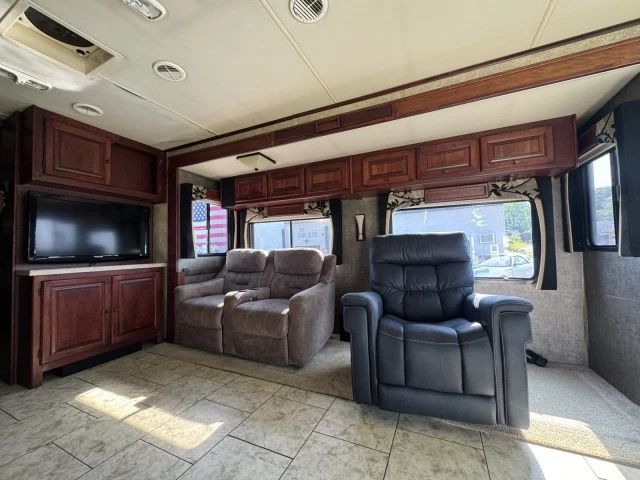
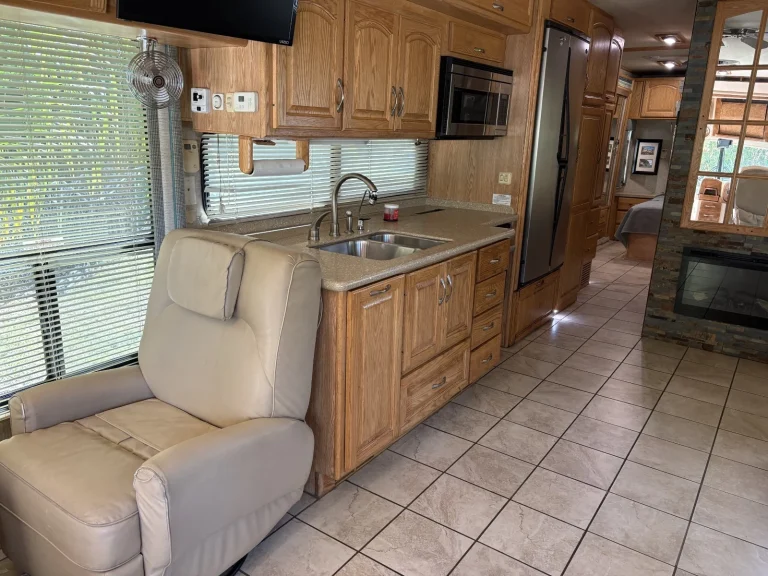
You may find a sleeping area, kitchen, bathroom, storage, dining space, and other useful features.
The trade-off is that older RVs often require more careful inspection and maintenance.
That does not automatically make them a bad purchase.
In fact, a well-maintained older RV can be an excellent option.
The important thing is to understand exactly what you are buying.
What Can You Expect at This Price?
Buyers searching for RVs under $20,000 should have realistic expectations.
At this budget, condition is likely to vary considerably.
You may encounter older motorhomes, compact RVs, travel trailers, fifth wheels, camper vans, and other used recreational vehicles.
Some may be ready for immediate travel.
Others may need repairs or cosmetic improvements.
That is why price alone should never determine your decision.
A $12,000 RV that needs $10,000 of repairs is not necessarily cheaper than a $19,000 RV that has been maintained carefully.
When comparing RVs under $20,000, always consider the total ownership cost.
Start With Your Travel Plans
Before browsing listings, decide how you intend to use the RV.
Will you take weekend trips?
Will you travel during the summer?
Are you planning extended road trips?
Will you travel alone?
Will you bring a partner, children, or pets?
Do you prefer established campgrounds?
Do you want to explore areas away from traditional RV parks?
These questions will help narrow your search.
A couple who mainly takes weekend trips may have very different needs from a family planning a month-long road adventure.
When searching for RVs that cost under $20,000, focus on your lifestyle first.
Features should come second.
Decide Between a Motorhome and Towable RV
One of the biggest decisions is whether you want a motorized RV or a towable model.
Motorhomes have an engine and driving area built into the RV.
Travel trailers and fifth wheels require a separate tow vehicle.
Each option has advantages.
A motorhome can be convenient because your living space and vehicle are combined.
A towable RV can offer flexibility because you can disconnect the trailer and use your tow vehicle separately.
When comparing RVs under $20,000, consider whether you already own a suitable truck or SUV.
If you do not, the cost of buying a tow vehicle can change the entire budget.
Think About RV Size
Bigger is not always better.
Large RVs under $20,000 can provide more sleeping space, storage, and living room.
But they can also be harder to drive, tow, park, and maintain.
Smaller RVs are often easier to maneuver.
They may also be more practical for couples or solo travelers.
When comparing RVs under $20,000, think about where you plan to travel.
If you enjoy small campgrounds and narrow roads, a compact RV may actually be more useful.
If you have a large family, additional space may be worth the inconvenience.
Set a Realistic Budget
The $20,000 purchase limit should not necessarily be your entire RV budget.
When looking at RVs below $20,000, leave room for expenses after the purchase.
You may need money for:
- Registration
- Insurance
- Tires
- Batteries
- Maintenance
- Repairs
- Cleaning
- Camping equipment
- Hitch equipment
- Storage
- Generator service
- Appliance repairs
An RV is a vehicle and a living space.
That means there are multiple systems that can require maintenance.
A smart buyer keeps an emergency reserve.
Why the Condition Matters More Than the Age
Some buyers automatically reject older RVs under $20,000.
That can be a mistake.
Age matters, but maintenance matters too.
An older RV that has been stored properly and maintained regularly can be more attractive than a newer RV that has been neglected.
When inspecting an RV, look for evidence of care.
Ask for service records.
Ask about repairs.
Ask how often it was used.
Ask where it was stored.
Ask whether it experienced water leaks.
The answers can tell you more than the model year alone.
Inspect the Roof First
Water damage is one of the biggest concerns when buying a used RV.
That makes the roof one of the first areas you should inspect.
When viewing RVs under $20,000, look for cracked or deteriorated sealant.
Check around vents.
Inspect skylights.
Look around roof-mounted equipment.
Look for obvious patches.
Inside the RV, check the ceiling and upper cabinets.
Water stains should not be ignored.
A small roof repair may be manageable.
Extensive hidden water damage can become very expensive.
If you are uncertain, hire an RV inspector.
Walk Across the Floor
The floor should feel solid.
When inspecting RVs that cost under $20,000, walk through every part of the interior.
Pay particular attention to areas near:
- Bathrooms
- Kitchens
- Exterior doors
- Windows
- Water systems
Soft spots may indicate moisture damage.
Do not assume an older RV is supposed to have a soft floor.
Investigate unusual areas.
When comparing RVs under $20,000, structural condition should carry much more weight than cosmetic appearance.
Inspect the Exterior
Walk around the entire RV.
Look at the body panels.
Check windows.
Inspect doors.
Look at storage compartments.
Check exterior lights.
Inspect the awning.
Look underneath if possible.
When evaluating RVs under $20,000, look for evidence of accidents, poor repairs, corrosion, or neglected maintenance.
A few scratches are normal on many used RVs.
Major structural damage deserves much more attention.
Ask the seller about anything that looks unusual.
Check the Tires
Tires deserve special attention.
When looking at RVs under $20,000, check tread condition and sidewalls.
Look for cracking.
Check for uneven wear.
Ask about tire age.
A vehicle can have relatively low mileage and still have aging tires.
Replacing a full set of RV tires can be expensive, so include the potential cost in your budget.
When comparing RVs below $20,000, old tires can also be an important negotiation point.
Inspect the Engine on Motorhomes
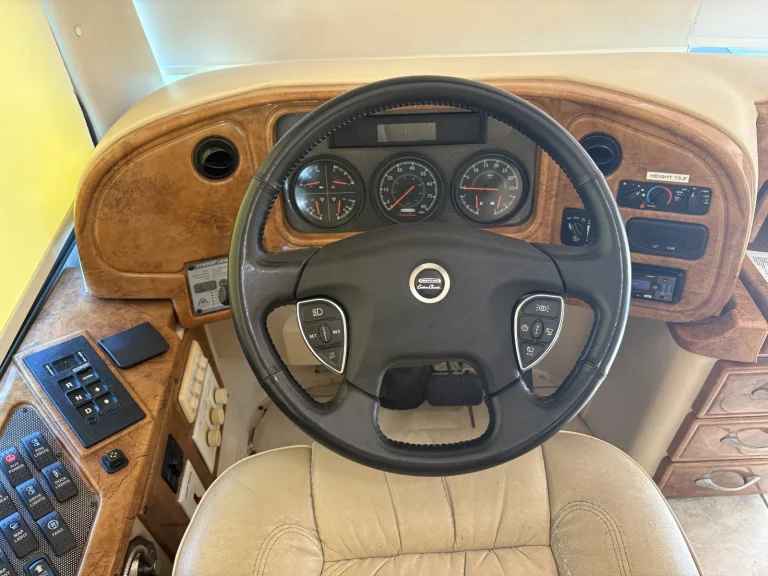
If you are considering motorized RVs under $20,000, inspect the engine carefully.
Start the vehicle if possible from cold.
Listen for unusual noises.
Watch for warning lights.
Check fluid levels.
Pay attention to smoke or unusual exhaust.
During the test drive, notice acceleration, braking, steering, and transmission behavior.
If you do not know much about vehicles, get a mechanic involved.
A professional inspection can reveal problems that are easy to miss during a short test drive.
Check the Transmission
The transmission deserves its own inspection.
When evaluating RVs under $20,000, notice whether shifting is smooth.
Look for hesitation.
Pay attention to unusual noises.
Check for leaks.
Ask about previous transmission service.
A transmission repair can be costly, so do not dismiss unusual behavior simply because the RV is inexpensive.
Inspect the Brakes
RVs are heavy.
That makes braking performance extremely important.
When viewing RVs that cost under $20,000, test the brakes carefully during a controlled test drive.
Pay attention to pulling, vibration, unusual noises, or a soft pedal.
Towable RVs also need properly maintained braking systems where applicable.
When comparing RVs under $20,000, safety-related components should always receive priority.
Test the Electrical System
RV electrical systems can be surprisingly complicated.
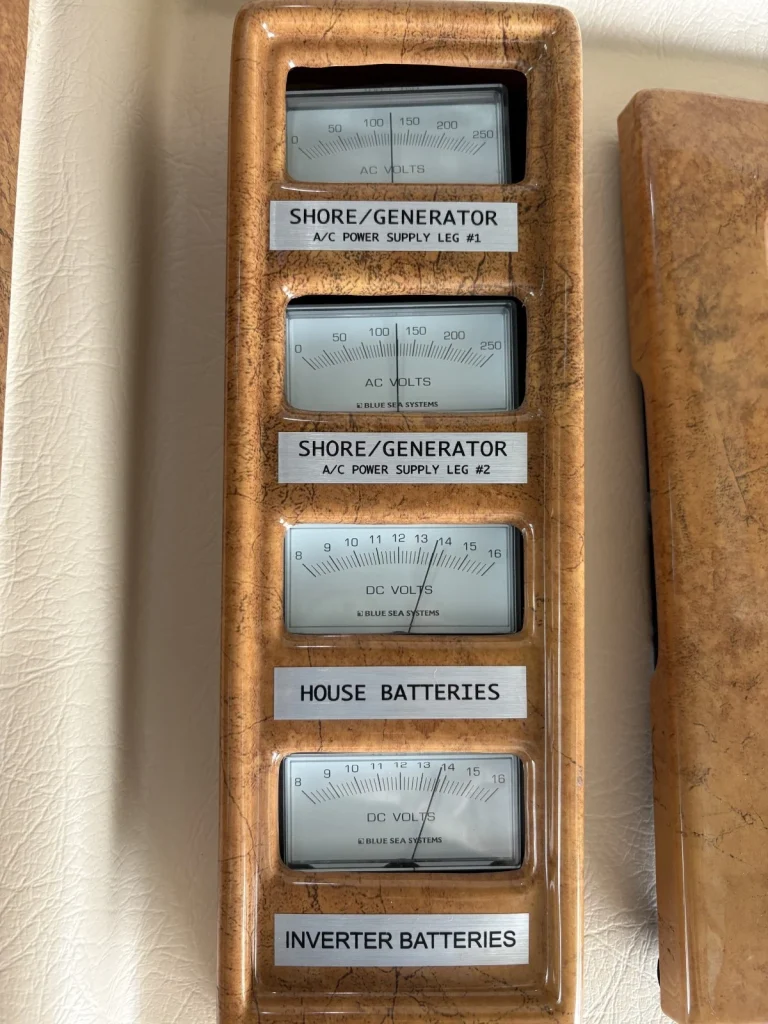
When inspecting RVs under $20,000, test the lights, outlets, switches, control panels, and other electrical equipment.
Check the batteries.
Ask when they were replaced.
If the RV has solar panels, an inverter, or upgraded electrical equipment, ask how everything works.
Do not assume a complicated system is automatically better.
Reliability matters more than the number of features.
Test the Plumbing
Turn on the faucets.
Check the shower.
Flush the toilet.
Run the water pump.
Inspect visible plumbing connections.
Look underneath sinks and cabinets.
When considering RVs under $20,000, check for leaks and unusual odors.
Water problems can cause serious damage if they are left unresolved.
Test the Water Heater
Ask the seller to demonstrate the water heater.
When inspecting RVs below $20,000, check whether it operates properly.
Look for signs of corrosion or leaks.
Ask about previous service.
Hot water is easy to take for granted until you are camping without it.
Check the Refrigerator
RV refrigerators can be expensive to replace.
When viewing RVs under $20,000, test the refrigerator if possible.
Ask how it operates.
Check whether it cools correctly.
Look for visible damage.
Ask about maintenance history.
If it is not working, determine the likely repair or replacement cost before making an offer.
Test the Stove and Oven
Turn on the burners.
Check the oven.
Inspect the ventilation.
When comparing RVs under $20,000, consider whether the kitchen matches your cooking habits.
If you mainly eat outside or prepare simple meals, you may not need a large kitchen.
If you travel for long periods, additional counter space and storage can become much more valuable.
Test the Air Conditioning
Summer camping can be uncomfortable without working air conditioning.
When viewing RVs under $20,000, turn the system on.
Listen for unusual noises.
Check airflow.
Allow it enough time to operate.
A unit that switches on but does not cool properly may need service.
Check the Heating System
Do not forget heating.
When inspecting RVs that cost under $20,000, test the heater when appropriate.
Check controls.
Listen for unusual sounds.
Make sure warm air reaches the expected areas.
Climate control can make a significant difference in comfort.
Inspect the Bathroom
The bathroom should be tested rather than admired.
When evaluating RVs under $20,000, run the sink.
Test the shower.
Flush the toilet.
Check ventilation.
Look underneath cabinets.
Inspect visible plumbing.
Think about whether the bathroom layout is practical for the number of people who will use it.
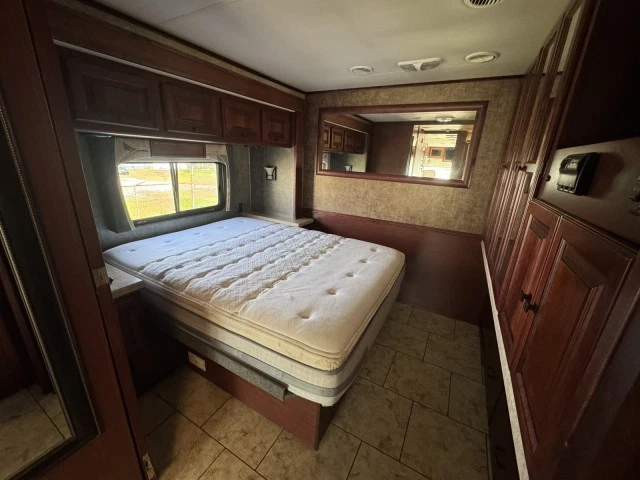
Check the Sleeping Arrangements
Sleeping capacity can be misleading.
An RV might advertise space for several people but feel cramped in practice.
When comparing RVs under $20,000, look at actual bed dimensions.
Consider bunk beds.
Check privacy.
Think about whether beds need to be converted every night.
For families, dedicated sleeping areas can be especially useful.
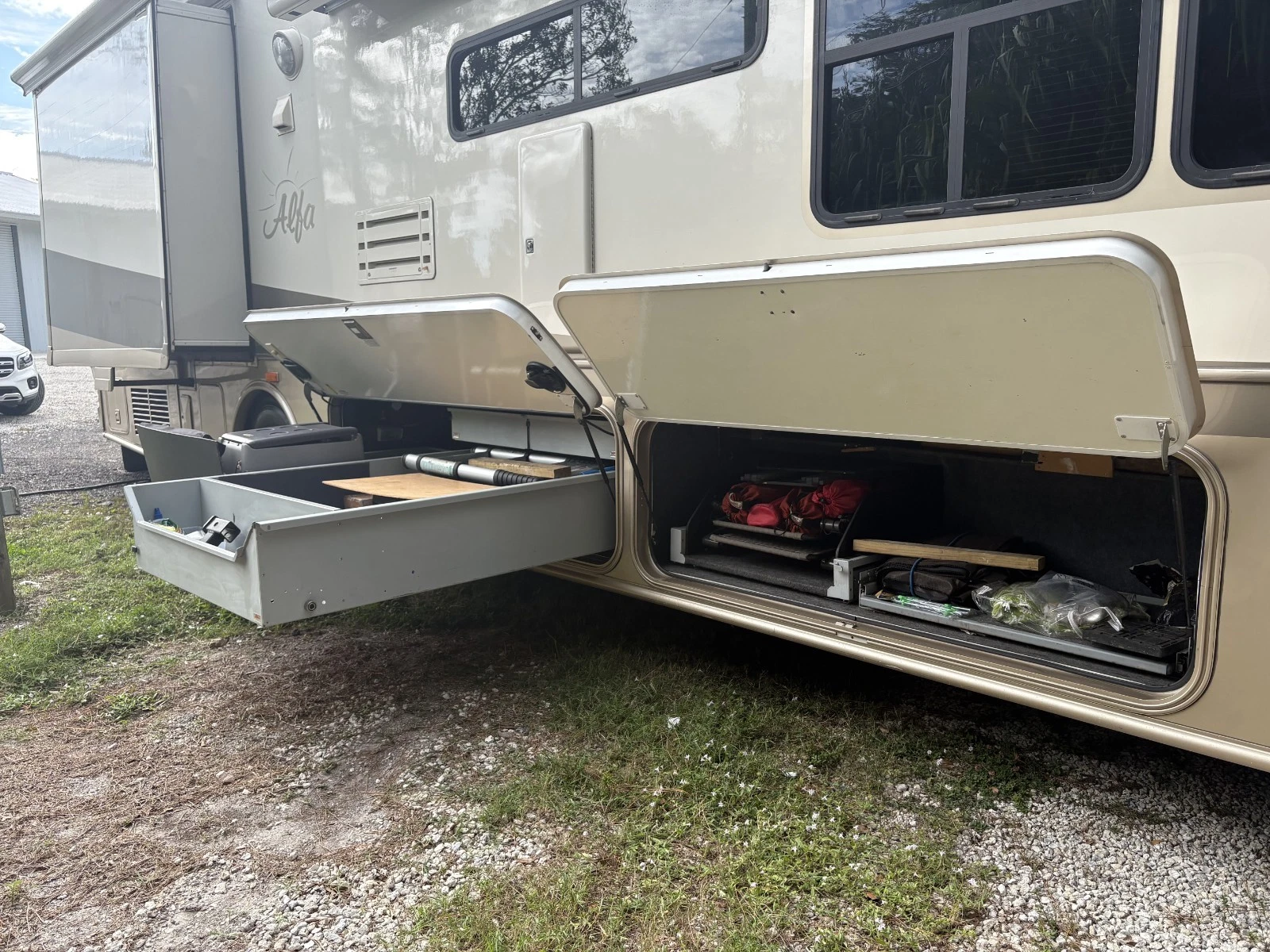
Open Every Storage Area
Storage is one of those things you do not fully appreciate until you run out of it.
When inspecting RVs below $20,000, open cabinets, drawers, closets, and exterior compartments.
Imagine where you will store:
- Clothing
- Food
- Bedding
- Camping chairs
- Tools
- Cooking equipment
- Outdoor gear
Smart storage can make a smaller RV feel much more comfortable.
Inspect the Awning
The awning can become an important part of your outdoor living area.
When viewing RVs under $20,000, extend it if possible.
Look for tears.
Check the arms.
Inspect the mechanism.
Make sure it operates smoothly.
If it needs replacement, factor that expense into the purchase decision.
Ask About Maintenance Records
Maintenance records are extremely valuable.
When considering RVs under $20,000, ask about:
- Engine service
- Transmission service
- Brake work
- Tire replacement
- Battery replacement
- Roof maintenance
- Appliance repairs
- Plumbing repairs
- Generator service
- Water leaks
Records do not guarantee a perfect RV.
But they can help you understand its history.
Ask Why the Owner Is Selling
This question costs nothing.
Ask the seller why they are selling.
Maybe they are upgrading.
Maybe their family has changed.
Maybe they no longer travel.
Maybe they simply want something different.
When looking at RVs under $20,000, listen to the answer.
Ask follow-up questions.
A straightforward seller who openly explains the RV’s history can make the buying process easier.
Consider a Professional Inspection
If you are spending thousands of dollars, an inspection can be money well spent.
A qualified RV inspector may identify:
- Water damage
- Electrical problems
- Plumbing issues
- Roof problems
- Appliance failures
- Structural concerns
- Safety issues
When purchasing RVs that cost under $20,000, a professional inspection may save you from buying an RV that requires major repairs.
Compare Multiple RVs
Do not buy the first RV you see.
When researching RVs under $20,000, create a shortlist.
Compare:
- Price
- Age
- Mileage
- Layout
- Condition
- Maintenance
- Sleeping capacity
- Storage
- Mechanical condition
- Features
After viewing several options, you will have a better understanding of what represents good value.
How to Negotiate
Negotiation works best when it is based on facts.
When considering RVs under $20,000, research similar listings.
Then inspect the RV.
Make a list of problems.
Maybe the tires are old.
Maybe the battery needs replacement.
Maybe the roof needs resealing.
Maybe an appliance is not working.
These are real expenses.
Use them when discussing the price.
Do not simply tell the seller that the RV is “too expensive.”
Explain why.
Do Not Spend the Entire $20,000
This is one of the most important pieces of advice.
Even if you find an RV advertised at exactly $20,000, you should think carefully before spending every dollar.
When shopping for RVs below $20,000, keep money available for immediate repairs and routine maintenance.
You may discover that the RV needs new batteries, tires, fluids, filters, or other items.
You will also need camping equipment.
A financial cushion gives you peace of mind.
Consider Storage Costs
Where will the RV stay?
Will it fit at home?
Do local rules allow it?
Will you need paid storage?
When comparing RVs under $20,000, remember that storage can become a recurring expense.
Think about this before buying.
A smaller RV may be easier and cheaper to store.
Think About Fuel Costs
Fuel can become one of the largest ongoing RV expenses.
When evaluating RVs under $20,000, consider how far you plan to travel.
A large motorhome may offer more space but can consume considerably more fuel than a compact RV.
If you plan frequent long-distance travel, fuel economy deserves serious attention.
Consider Insurance
Insurance costs vary by RV type, age, location, usage, and coverage.
Before buying RVs under $20,000, contact an insurance provider and ask for an estimate.
This helps you understand the true cost of ownership.
Watch Out for “Too Good to Be True” Deals
A very low price can be tempting.
But when looking at RVs that cost under $20,000, unusually cheap listings deserve extra attention.
Ask why the price is so low.
Inspect the RV carefully.
Verify ownership documents.
Be cautious if the seller refuses an inspection.
Be cautious if important information is missing.
A great deal should still make sense after inspection.
Private Seller or Dealer?
Both can work.
A dealer may offer financing, service, warranty options, or trade-ins.
A private seller may provide a lower price and personal knowledge of the RV.
When comparing RVs under $20,000, focus on the actual vehicle and documentation rather than assuming one seller type is always better.
Common Mistakes to Avoid
Buying Only Because the RV Is Cheap
Price is important, but condition matters more.
Ignoring Water Damage
Water intrusion can become expensive.
Skipping the Mechanical Inspection
An inexpensive RV with a serious mechanical problem may not be a bargain.
Forgetting Tire Age
Old tires can require immediate replacement.
Testing Only the Lights
Check every major system you can.
Spending Every Dollar
Keep an emergency repair fund.
Ignoring the Floor Plan
A poor layout can make an otherwise good RV frustrating to use.
Rushing the Purchase
There will always be more listings.
When shopping for RVs under $20,000, patience can be one of your best tools.
A Simple Buying Checklist
Before purchasing RVs below $20,000, run through this checklist.
Step 1: Define Your Needs
Decide how many people will travel and how you intend to use the RV.
Step 2: Set Your Total Budget
Include repairs, insurance, registration, storage, and maintenance.
Step 3: Choose the RV Type
Decide between motorhomes, travel trailers, fifth wheels, camper vans, and other options.
Step 4: Check the Tow Vehicle
If buying a towable RV, verify towing capacity.
Step 5: Inspect the Exterior
Look for damage, rust, leaks, and poor repairs.
Step 6: Inspect the Roof
Look carefully for water intrusion.
Step 7: Check the Interior
Inspect floors, ceilings, cabinets, furniture, and walls.
Step 8: Test the Systems
Check plumbing, electricity, heating, cooling, and appliances.
Step 9: Inspect the Tires
Check condition and age.
Step 10: Test Drive the Vehicle
Pay attention to braking, steering, transmission, and unusual noises.
Step 11: Review Documentation
Verify ownership and maintenance records.
Step 12: Get an Inspection
Consider hiring a qualified professional.
Step 13: Compare Similar RVs
Look at several options before deciding.
Step 14: Negotiate
Use actual repair needs and comparable prices.
Step 15: Keep an Emergency Fund
Do not spend your entire budget on the purchase.
This process makes searching for RVs under $20,000 much more manageable.
Frequently Asked Questions
Can I really find a good RV for under $20,000?
Yes. The selection will generally consist of used RVs, and condition varies widely. Careful inspection is essential.
Are older RVs worth buying?
They can be. Maintenance history and condition are often more important than age alone.
What is the biggest concern when buying a used RV?
Water damage is one of the most important issues to investigate, along with major mechanical and structural problems.
Should I buy a motorhome or travel trailer?
It depends on your situation. Consider whether you already own a suitable tow vehicle and how you plan to travel.
Should I spend the full $20,000?
Not necessarily. Keeping money available for repairs, maintenance, insurance, and equipment is a smarter approach.
Can I negotiate the price?
Yes, depending on the seller and listing. Documented issues and comparable prices can give you stronger negotiating power.
Should I get an RV inspection?
For a significant purchase, a professional inspection can be extremely valuable.
What should I test before buying?
Test the engine and driving systems on motorhomes, plus plumbing, electrical systems, appliances, heating, air conditioning, water systems, and other major features.
Is mileage important?
Yes, but it should be considered alongside maintenance history and overall condition.
What should I do if the seller refuses an inspection?
Treat that as a warning sign and consider looking at other RVs under $20,000.
Final Thoughts
Finding an affordable RV is possible.
The trick is understanding that the cheapest RV is not necessarily the best deal.
When searching for RVs under $20,000, look beyond the sticker price.
Look at the roof.
Look underneath.
Check the tires.
Test the appliances.
Run the water.
Check the electrical system.
Start the engine.
Take a test drive.
Ask for maintenance records.
Ask questions about the RV’s history.
And if you are unsure, bring in a professional.
A good used RV does not have to be perfect.
It simply needs to be a sensible purchase for your needs and budget.
Maybe you find an older motorhome with a well-maintained engine.
Maybe you find a compact travel trailer that is ideal for weekend trips.
Maybe you discover a camper van with a simple but clever interior.
Maybe a previous owner has already invested in useful upgrades.
There are many possibilities when shopping for RVs that cost under $20,000.
The key is knowing how to separate value from problems.
Remember that the purchase price is only the beginning.
You will need to maintain the vehicle.
You may need new tires.
You may eventually replace batteries.
Appliances can fail.
Roof seals need attention.
Insurance and storage cost money.
Planning for these expenses makes RV ownership much more enjoyable.
When you find one that fits your budget and passes a thorough inspection, you can start focusing on the part that matters most.
Travel.
An RV can turn an ordinary weekend into a road trip.
It can give you a comfortable place to sleep after a long day outside.
It can make family vacations more flexible.
It can let you change your plans when you discover a place you want to explore.
That freedom is why so many people continue looking for RVs under $20,000.
You do not necessarily need the newest model.
You do not need the biggest floor plan.
You do not need every luxury feature.
You need an RV that works.
One that is safe.
One that fits your travel style.
One you can afford to maintain.
One that gives you confidence when you turn the key or connect the trailer to your vehicle.
So take your time.
Compare listings.
Inspect carefully.
Ask questions.
Negotiate based on facts.
Keep money in reserve.
And do not be afraid to walk away when something does not look right.
There will always be other RVs under $20,000.
The right purchase is worth waiting for.
When you finally find the right one, the search becomes worthwhile.
You can load your gear.
Plan your route.
Invite your family or friends.
Pick a destination.
And start driving.
That is the real value of finding RVs under $20,000.
You are not simply buying a used recreational vehicle.
You are buying another way to experience the road.
Related guides
- Used RVs for Sale by Owner: How to Find a Great RV Without Overpaying
- How to Finance RVs For Sale with Bad or Good Credit
- RVs Ready for Camping: 25 Practical Ways to Find an RV You Can Take on the Road
- Off Grid RVs for Sale: 11 Things Smart Buyers Check Before They Pay
Browse more in RVs for Sale or see all buying guides.