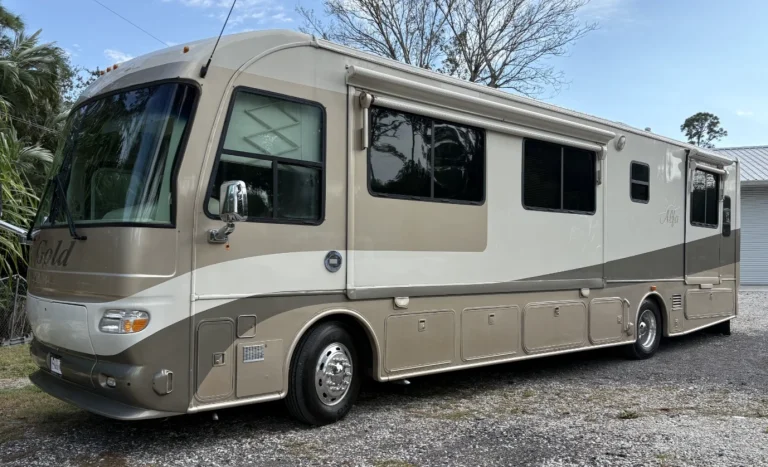
Campers Ready for Camping: 27 Smart Ways to Find the Right RV for Your Next Adventure
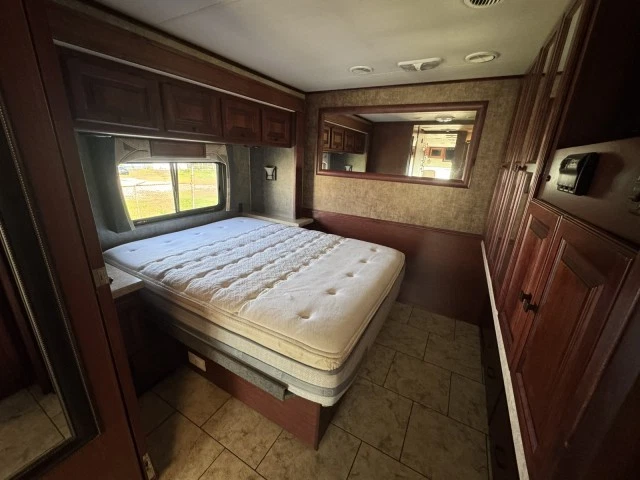
There is something special about finding an RV that feels ready to go.
You walk through the door, look around the living space, check the kitchen, imagine your gear in the storage compartments, and suddenly you can picture yourself leaving town on Friday afternoon.
That is the appeal of campers ready for camping.
You are not simply buying a vehicle.
You are buying convenience, freedom, flexibility, and the possibility of turning an ordinary weekend into a memorable trip.
But there is an important difference between a camper that looks ready and one that is genuinely ready.
A clean interior does not tell you whether the plumbing works.
A shiny exterior does not tell you whether the roof has been maintained.
A comfortable bed does not tell you whether the tires are safe.
When shopping for campers ready for camping, you need to look beyond appearances.
The good news is that the process does not have to be complicated.
With the right checklist and a little patience, you can quickly separate attractive advertisements from campers that are genuinely worth considering.
What Makes Campers Ready for Camping?
A camper that is ready for camping should be more than clean.
It should be functional.
The essential systems should work, the interior should be usable, the exterior should be in reasonable condition, and there should be no obvious problems that could turn your first trip into a repair project.
When looking at camping-ready campers, think about three things:
Condition.
Functionality.
Convenience.
If all three line up, you may have found a strong option.
A camper should fit your actual plans
Before searching for campers that are ready to camp, decide how you intend to use the camper.
Will you take short weekend trips?
Will you travel with children?
Will you spend several weeks on the road?
Will you visit campgrounds with hookups?
Will you spend time boondocking?
Your answers affect which camper makes sense.
1. Start With Your Camping Style
Not every camper is designed for the same type of adventure.
Some buyers want something compact and easy to tow.
Others want a larger RV with multiple sleeping areas, a full kitchen, a bathroom, and plenty of storage.
The best camping-ready campers are the ones that match your lifestyle.
Think about where you want to go before thinking about what you want to buy.
A camper that is perfect for highway trips may not be ideal for remote camping.
Likewise, a large RV may provide incredible comfort but be inconvenient if your favorite destinations have narrow roads or small campsites.
2. Decide How Many People Will Travel
Sleeping capacity matters.
A camper advertised as sleeping six people may technically have six sleeping spaces, but that does not mean six adults will find it comfortable.
When comparing campers ready for camping, consider how much personal space everyone needs.
Families should think about bedtime routines.
Couples may prefer a dedicated bedroom.
Friends traveling together may value separate sleeping areas.
The number on the specification sheet is only part of the answer.
3. Look at the Floor Plan
A good floor plan can make a camper feel much larger than it actually is.
Walk through the camper.
Open doors.
Sit at the dining table.
Stand in the kitchen.
Lie down on the bed.
When viewing campers that are ready to camp, imagine yourself using the camper on a rainy day.
That is a useful test.
You want a layout that still feels comfortable when everyone is inside.
4. Check the Sleeping Areas
Camping is supposed to be enjoyable.
Poor sleep can ruin that quickly.
Check mattress condition.
Look at bed dimensions.
Check whether sleeping areas are easy to access.
If traveling with children, consider whether their sleeping area provides enough separation.
The best camping-ready campers make sleeping arrangements feel simple rather than awkward.
5. Test the Kitchen
The kitchen may become one of the busiest areas in your camper.
Check the refrigerator.
Inspect the cooking area.
Test the lights.
Look at storage.
Check the sink and faucet.
When inspecting campers ready for camping, make sure the kitchen fits the way you actually cook.
If you plan to prepare simple breakfasts and outdoor dinners, you may not need a huge kitchen.
If you expect to cook regularly, additional counter space and storage can make a major difference.
6. Test the Plumbing
Never assume the water system works simply because the camper looks clean.
Turn on faucets.
Check water pressure.
Inspect underneath sinks.
Look around plumbing connections.
Look for leaks or unusual smells.
A camper can appear ready for camping while having plumbing problems that become obvious only after you arrive at a campsite.
That is why testing the water system is essential when inspecting campers that are ready to camp.
7. Inspect the Bathroom
If the camper has a bathroom, test what you can.
Check the toilet.
Run the sink.
Test the shower.
Inspect seals and surrounding areas.
Look for signs of water damage.
Bathrooms receive considerable moisture, so condition matters.
For buyers comparing camping-ready campers, a functional bathroom can be a major convenience on longer trips.
8. Test the Electrical System
Turn on interior lights.
Test outlets.
Check switches.
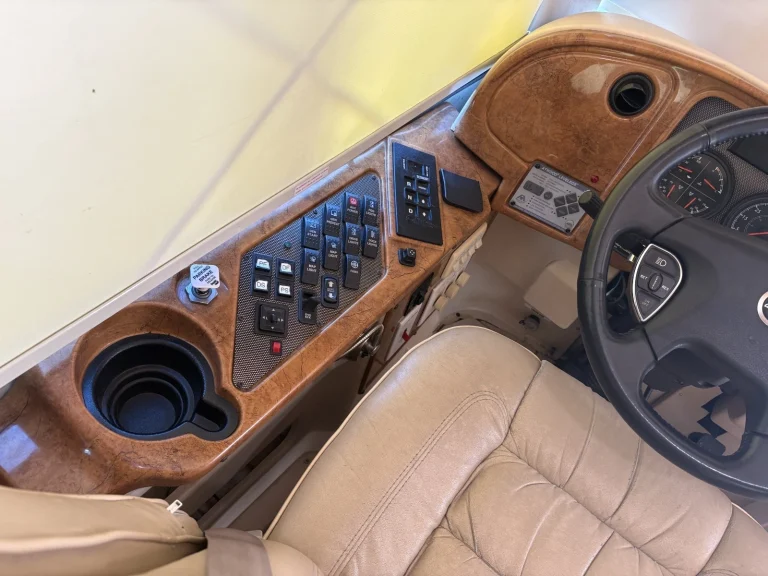
Inspect the control panel.
If the camper has an inverter or other electrical equipment, verify its operation where appropriate.
Electrical problems can be frustrating during a trip.
The goal of buying campers ready for camping is to spend your time enjoying the destination rather than troubleshooting basic systems.
9. Check the Air Conditioning and Heating
Temperature control matters more than many first-time buyers realize.
A hot afternoon can become uncomfortable inside a camper without functioning air conditioning.
A cold night can be equally unpleasant without reliable heating.
When viewing campers that are ready to camp, test climate-control systems where possible.
Listen for unusual noises.
Check airflow.
Allow the system enough time to operate.
10. Inspect the Roof
The roof deserves special attention.
Look for cracked sealant.
Check around vents.
Inspect skylights.
Look around air-conditioning units.
Look for areas that appear soft or damaged.
Water intrusion can become one of the most expensive RV problems.
That is why a careful roof inspection should be part of every search for camping-ready campers.
11. Look for Water Damage
Water leaves clues.
You may notice stains.
You may see bubbling materials.
You may smell mustiness.
You may find soft flooring.
Check cabinets and corners.
Inspect ceiling areas.
Look around windows.
When evaluating campers that are ready to camp, moisture should always be on your checklist.
A camper that has been carefully maintained will generally give you fewer reasons for concern.
12. Check the Exterior
Walk around the entire camper.
Look at the siding.
Inspect doors.
Check windows.
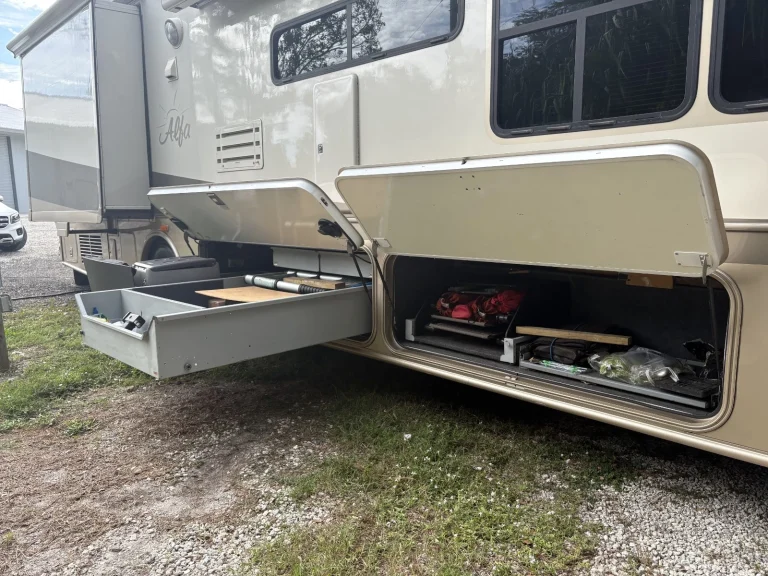
Examine storage compartments.
Look underneath.
Pay attention to damage that may not be obvious from photographs.
Photos can make a camper look better than it does in person.
That is why buyers searching for campers ready for camping should always inspect the actual vehicle whenever possible.
13. Inspect the Tires
Tires deserve more attention than they usually receive.
Check tread.
Look for cracking.
Inspect sidewalls.
Look for uneven wear.
Check tire age where appropriate.
Remember that a camper can have very little mileage and still have aging tires.
When choosing camping-ready campers, tire condition should be part of the overall budget calculation.
14. Check the Brakes and Hitch
For towable campers, the connection between the camper and tow vehicle is critical.
Inspect the hitch.
Check safety chains.
Review electrical connections.
Confirm brake-system operation.
Make sure the setup is compatible with your tow vehicle.
A beautiful camper is not a good purchase if your current vehicle cannot safely tow it.
Before buying campers that are ready to camp, verify towing requirements carefully.
15. Know Your Tow Vehicle
This is where many first-time buyers make an expensive mistake.
They fall in love with a camper before checking whether their vehicle can tow it.
Do the process in the opposite order.
Start with your vehicle.
Check its rated towing capacity.
Consider payload.
Account for passengers, luggage, equipment, and hitch weight.
Then search for campers ready for camping that fit within those limits.
A smaller camper that you can tow comfortably is often more useful than a larger camper that pushes your vehicle beyond its practical limits.
16. Think About Storage
Storage is one of those features you appreciate more after your first trip.
Camping gear adds up quickly.
You may need chairs, cooking equipment, clothes, bedding, outdoor equipment, tools, food, and personal items.
Look inside every cabinet.
Open storage compartments.
Think about where your belongings will go.
When comparing camping-ready campers, imagine packing for a full trip rather than simply viewing the camper empty.
17. Check the Appliances
Appliances can make camping significantly more comfortable.
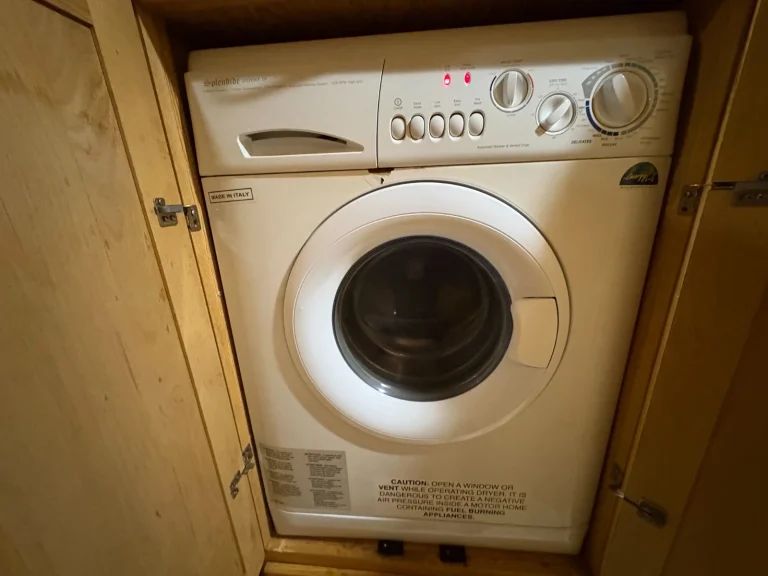
Depending on the camper, you may have a refrigerator, microwave, stove, oven, water heater, air conditioner, heater, or other equipment.
Test as many systems as possible.
Ask whether anything has recently been repaired.
Find out whether replacement parts are readily available.
A camper with working appliances can save you time and money after purchase.
That is one reason properly maintained campers that are ready to camp can be attractive to buyers.
18. Ask About Maintenance
Ask the seller for details.
When was the camper last serviced?
Were the roof seals maintained?
When were the tires replaced?
Has the plumbing been winterized?
Have the appliances been serviced?
Has the camper ever had water damage?
These questions help you understand what you are actually buying.
When considering campers ready for camping, maintenance history can be just as important as appearance.
19. Find Out How the Camper Was Stored
Storage conditions tell you something about the camper’s history.
A covered camper may have experienced less exposure to weather.
A camper stored outdoors may need closer inspection.
Ask whether it was covered.
Ask where it was parked.
Ask whether it was winterized when necessary.
When evaluating camping-ready campers, storage history provides useful context.
20. Check the Documentation
Paperwork should never be an afterthought.
Verify the vehicle identification information.
Review ownership documentation.
Check service records.
Make sure the seller’s information matches the paperwork.
A smooth purchase starts with clear documentation.
Before committing to campers that are ready to camp, make sure everything is properly documented.
21. Compare Prices Before Making an Offer
Never assume an asking price represents the actual market value.
Research comparable campers.
Compare age.
Compare condition.
Compare features.
Compare mileage where applicable.
Compare maintenance history.
Comparing several camping-ready campers can give you a much clearer idea of what your money should buy.
This also gives you stronger information when negotiating.
22. Look Beyond the Sticker Price
The purchase price is only one part of the cost.
You may need new tires.
You may need batteries.
You may need maintenance.
You may need accessories.
You may need insurance and registration.
You may need storage.
When buying campers ready for camping, create a realistic first-year ownership budget.
This prevents an affordable-looking camper from becoming an unexpectedly expensive purchase.
23. Bring a Camping Checklist
A checklist keeps you focused.
Write down every system you want to test.
Include:
- Roof
- Windows
- Doors
- Tires
- Hitch
- Brakes
- Plumbing
- Electrical system
- Refrigerator
- Stove
- Heating
- Air conditioning
- Bathroom
- Water heater
- Interior
- Exterior
- Storage
- Documentation
Use the same checklist for every camper.
That makes comparing campers that are ready to camp much easier.
24. Imagine Your First Weekend
Here is a fun way to evaluate a camper.
Imagine that you bought it yesterday.
It is Friday afternoon.
You load your food.
You pack your clothes.
You connect the camper.
You drive to your campsite.
Then ask yourself:
What would be difficult?
Where would everything go?
Is the bed comfortable?
Is there enough storage?
Can everyone move around?
Does the kitchen work for you?
The best camping-ready campers should make this imaginary weekend feel exciting rather than stressful.
25. Do Not Let a Great Interior Distract You
Interior design sells campers.
A beautiful sofa, modern cabinets, attractive flooring, and clean upholstery can make you want to buy immediately.
But remember what is underneath.
Check the structure.
Check the roof.
Check mechanical systems.
Check plumbing.
Check electrical components.
When shopping for campers ready for camping, appearance should support your decision, not make the decision for you.
26. Consider Professional Inspection
If you are spending significant money, consider hiring a qualified RV inspector.
An experienced inspector may identify issues that are easy to miss.
That can include hidden moisture, structural concerns, electrical issues, plumbing problems, or other defects.
Professional inspection can be especially valuable when comparing higher-priced campers that are ready to camp.
The inspection fee may seem inconvenient.
A major repair bill is much less convenient.
27. Choose Readiness Over Hype
A seller can describe a camper as “perfect,” “like new,” or “ready for anything.”
Treat those phrases as marketing until you verify them.
Your own inspection matters more.
Test systems.
Check documentation.
Look at the condition.
Ask questions.
Compare prices.
The best camping-ready campers do not need exaggerated claims.
Their condition speaks for itself.
What Should You Bring When Viewing a Camper?
You do not need a giant toolbox.
A few simple items can help.
Bring a flashlight.
Bring a notebook.
Bring your phone for photographs and notes.
Bring your checklist.
If appropriate, bring basic inspection tools that you are comfortable using.
Most importantly, bring enough time.
Rushing through a camper inspection makes it easier to overlook something important.
Take your time when viewing campers ready for camping.
What Features Are Worth Paying More For?
Not every expensive feature is worth the extra money.
Focus on features that you will actually use.
For some buyers, a comfortable bed is essential.
For others, a large refrigerator matters more.
Some buyers prioritize a bathroom.
Others want extra storage.
Families may value multiple sleeping areas.
When comparing campers that are ready to camp, spend money on features that improve your actual camping experience.
New vs. Used Campers
New campers have obvious advantages.
You may get the latest designs, modern features, and manufacturer warranties.
But used campers can offer another benefit: value.
A used camper may give you more features for your budget.
That is why buyers searching for camping-ready campers should compare both new and used options rather than automatically choosing one category.
Condition is the key.
A well-maintained used camper can be a very practical choice.
How to Make Your Camper Purchase More Affordable
Start with a realistic budget.
Then leave room for unexpected expenses.
Do not spend every dollar on the purchase itself.
Keep money available for maintenance, accessories, registration, insurance, and repairs.
When searching for campers that are ready to camp, compare total ownership costs instead of focusing only on monthly payments or advertised prices.
Negotiate With Facts
Negotiation does not need to be confrontational.
Be respectful.
Do your research.
Point out legitimate issues.
Use comparable listings.
If the camper needs tires, batteries, seals, or other work, factor those costs into your offer.
When negotiating for campers ready for camping, evidence is more persuasive than simply saying, “That is too expensive.”
How to Prepare Your Camper Before the First Trip
Even when a camper appears ready, give yourself time for preparation.
Clean the interior.
Check tire pressure.
Inspect the hitch.
Test the electrical system.
Test the plumbing.
Check propane systems where applicable and follow all safety instructions.
Pack basic tools.
Bring spare supplies.
Make a short local trip before planning a long-distance adventure.
This lets you discover small problems while you are still close to home.
That is one of the smartest things you can do after purchasing camping-ready campers.
Why Convenience Matters So Much
The entire point of an RV is convenience.
You want to arrive at your destination and enjoy yourself.
You do not want to spend the first evening repairing a leaking faucet.
You do not want to discover a dead battery at midnight.
You do not want to find out that an appliance does not work after reaching your campsite.
That is why campers that are ready to camp can be so appealing.
A well-prepared camper removes some of the friction between buying the RV and actually enjoying it.
The Best Camper Is the One You Will Actually Use
This sounds obvious.
It is not.
People sometimes buy campers based on features they think they should want.
Then they discover that the camper is too large, too difficult to tow, too expensive to store, or simply inconvenient.
Do not make that mistake.
Choose based on your real lifestyle.
A practical camper that gets used regularly is usually more valuable to you than an impressive camper that stays parked.
When looking at campers ready for camping, ask yourself one final question:
“Will I actually take this camper camping?”
If the answer is yes, you may be on the right track.
Final Thoughts
Finding the right camper does not have to be overwhelming.
Start with your camping plans.
Set a realistic budget.
Choose a suitable floor plan.
Verify towing requirements.
Inspect the roof.
Check for water damage.
Test the plumbing.
Test the electrical system.
Inspect the tires.
Review maintenance records.
Check the paperwork.
Compare prices.
And do not rush.
The most appealing camping-ready campers are not necessarily the biggest or newest models.
They are the campers that fit your lifestyle, work properly, have been cared for, and make it easy for you to start enjoying the road.
That is what really matters.
You are not buying four walls and four wheels.
You are buying the opportunity to wake up somewhere different.
You are buying flexibility.
You are buying weekends that can become stories.
You are buying a reason to pack the cooler, load the chairs, invite your family or friends, and head somewhere new.
Choose carefully, prepare properly, and your camper can become one of the most useful purchases you make for your adventures.
Frequently Asked Questions
What are campers ready for camping?
The phrase generally refers to campers that are in usable condition and prepared for normal camping activities, with important systems functioning properly and no major unresolved issues.
How can I tell if a camper is truly ready?
Inspect the roof, tires, plumbing, electrical system, appliances, interior, exterior, and documentation. Testing the major systems is essential when evaluating campers that are ready to camp.
Should I inspect a used camper before buying?
Yes. A professional inspection can uncover problems that may not be visible during a basic walk-through. This is especially useful for buyers considering higher-value campers ready for camping.
What is the most important thing to check?
There is no single answer, but water intrusion deserves serious attention. Roofs, ceiling areas, walls, cabinets, and flooring should be checked carefully.
Are used campers a good investment?
A well-maintained used camper can provide strong value, but buyers should evaluate condition, maintenance history, age, features, and total ownership costs.
Can I tow any camper with my vehicle?
No. Always check your vehicle’s towing and payload specifications before purchasing. The camper’s weight and hitch requirements need to be compatible with your vehicle.
Should I test the appliances?
Absolutely. Test refrigerators, stoves, air conditioning, heating, water heaters, lights, outlets, and other major systems whenever possible.
Do campers need maintenance even when they are rarely used?
Yes. Tires, seals, batteries, plumbing components, and other systems can age even when a camper is not frequently driven.
How much should I budget for repairs?
There is no universal amount. Set aside an emergency reserve in addition to your purchase budget. The condition and age of the camper will strongly influence potential costs.
What makes campers ready for camping a good purchase?
A good camper combines reasonable pricing with suitable size, sound condition, functioning systems, proper documentation, and a layout that matches your camping lifestyle.
Related guides
- RVs for family camping: 54 Real-World Ways to Choose an RV Your Whole Family Will Love
- Affordable RVs for Sale: A Smart Buyer’s Guide to Finding Your Perfect RV
- Used & Affordable RVs: The Smarter Way to Find Your Next RV
- Cheap RVs For Sale: Can You Find a Reliable Camper on a Budget?
Browse more in RVs for Sale or see all buying guides.