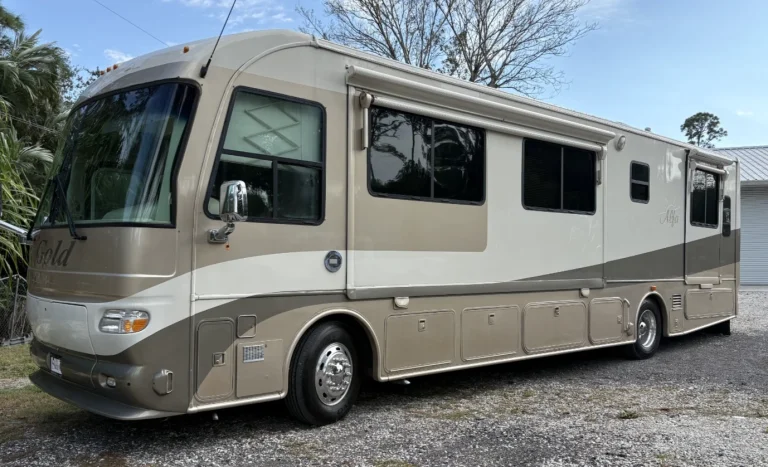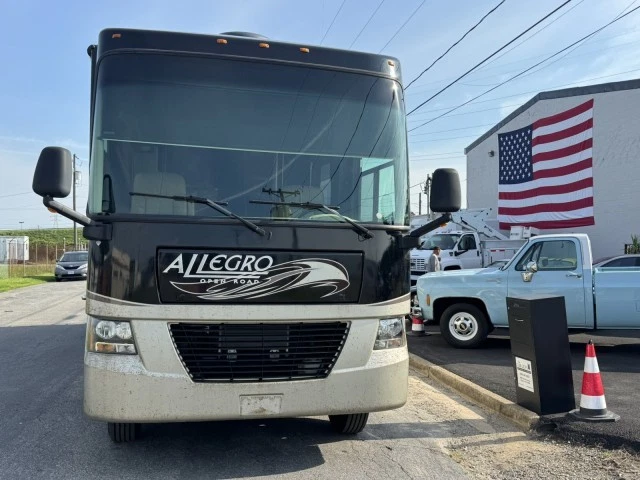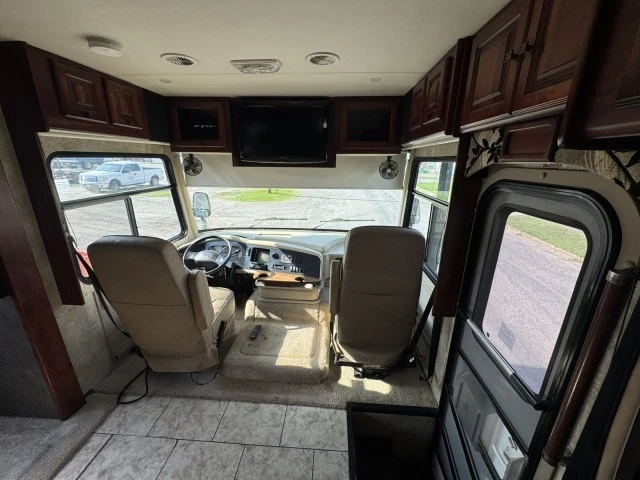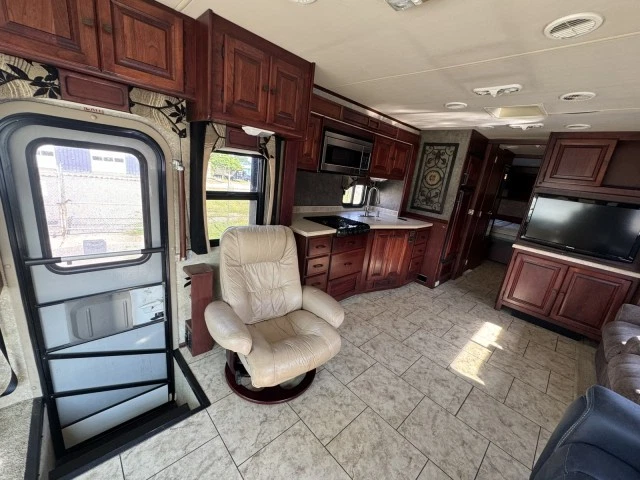
Pre Owned Campers for Sale: 17 Real-World Tips for Finding a Camper You’ll Actually Love
Imagine this.
You find a camper online that looks almost perfect.
The pictures are clean.
The interior looks comfortable.
The price seems reasonable.
You start imagining your first weekend away before you have even contacted the seller.
Then you arrive to see it in person.
Suddenly, things look different.
There is a strange smell near the bathroom.
One cabinet does not close properly.
The floor feels soft near the entrance.
The tires look older than expected.
And the seller casually mentions that the roof was “repaired a while back.”
This is exactly why shopping for pre owned campers for sale requires more than scrolling through attractive photographs.
The good news is that buying a used camper does not have to be stressful.
With the right approach, you can find an excellent camper without paying new-camper prices.
The trick is knowing what deserves your attention.
This guide takes you through the process in a practical way.
No complicated jargon.
No unnecessary fluff.
Just the things that can help you make a smarter decision when comparing pre owned campers for sale.
Start With the Adventure, Not the Camper
Before looking at pre owned campers, think about the trips you actually want to take.
This sounds simple.
It is surprisingly important.
A camper for occasional weekend trips does not need to meet the same requirements as one intended for months of travel.
Ask yourself what your typical trip will look like.
Will you travel alone?
With a partner?
With children?
Will you stay at established campgrounds?
Will you spend nights away from hookups?
Will you tow the camper frequently?
These answers should influence your search.
When browsing pre owned campers on the market, it is easy to become attracted to features you may never use.
A huge kitchen might look impressive.
A massive entertainment system might look exciting.
Extra sleeping capacity may seem useful.
But every additional feature can also mean additional weight, maintenance, and complexity.
Choose the camper around your lifestyle.
Not the other way around.
1. Decide What Size Actually Makes Sense
One of the first decisions when reviewing pre owned campers is camper size.
Bigger is not automatically better.
A large camper provides more living space.
But it can also be harder to tow, store, maneuver, and maintain.
A smaller camper can be easier to handle.
It may also fit into more campsites and require less storage space.
Think about where you intend to travel.
If your favorite destinations have narrow roads or smaller campsites, an enormous camper may become inconvenient.
On the other hand, families may appreciate additional sleeping areas and storage.
When comparing pre owned campers for sale, think beyond the driveway.
Imagine actually towing the camper.
Imagine backing it into a campsite.
Imagine parking it at home.
Imagine preparing it for a trip.
That mental exercise can reveal which size makes the most sense.
Small Campers
Small campers are often attractive to first-time buyers.
They can be easier to tow and maneuver.
They may also cost less to maintain.
If you are looking at pre owned campers on the market for short trips, a compact model may provide everything you need.
Do not underestimate a smaller camper.
A well-designed floor plan can make a compact space feel surprisingly comfortable.
The key is to understand its limitations before buying.
Mid-Size Campers
Mid-size campers often provide a useful compromise.
You may get more storage, a better kitchen, additional sleeping space, and a more comfortable bathroom.
For many buyers, this category makes comparing pre owned campers particularly interesting.
You can gain comfort without moving into the largest and most expensive options.
Still, check towing requirements carefully.
Larger Campers
Large campers can be excellent for families and extended travel.
The extra space can make a big difference.
However, buyers should consider towing capacity, storage, campsite restrictions, and fuel costs.
Before choosing among pre owned campers on the market, make sure your tow vehicle can safely handle the camper’s actual weight.
Do not rely on assumptions.
Check the manufacturer’s specifications and your vehicle’s ratings.
2. Your Budget Should Include More Than the Purchase
A camper purchase is only one part of the cost.
When comparing pre owned campers for sale, create a realistic ownership budget.
Think about registration.
Insurance.
Maintenance.
Storage.
Tires.
Batteries.
Repairs.
Camping equipment.
Potential upgrades.
Even a camper that looks ready to travel may need a few things before its first trip.
That is normal.
The mistake is spending your entire budget on the purchase price.
Leave room for the unexpected.
For example, if your maximum budget is $25,000, you may not want to spend every dollar on the camper itself.
Keeping a reserve gives you breathing room.
The best pre owned campers are the ones you can comfortably afford to own, not simply the ones you can technically afford to buy.
3. Do Not Fall in Love With the Photos
Beautiful photos sell campers.
That is their job.
But photographs cannot tell you everything.
When searching pre owned campers on the market, treat online photos as the beginning of your research.
Look closely at the images.
Do you see stains?
Bubbling?
Cracks?
Damaged flooring?
Missing trim?
Discolored ceilings?
Poor repairs?
Sometimes the smallest details reveal the most.
Ask for additional pictures if important areas are not shown.
A seller who is willing to provide detailed photographs can make the process easier.
When evaluating pre owned campers for sale, you want information, not just attractive images.
4. The Roof Is Your First Serious Inspection
If you remember only one inspection tip, remember this one.
Check the roof.
Water intrusion can cause major damage to a camper.
The roof itself may look acceptable while seals around vents, windows, and other openings have deteriorated.
When inspecting pre owned campers, look for cracked sealant, gaps, damaged roofing material, patches, and areas that appear unusual.
Never climb onto a camper roof if it is unsafe to do so.
Instead, have the roof inspected professionally.
A small inspection expense can potentially protect you from a very expensive mistake.
For buyers comparing pre owned campers on the market, roof condition should be one of the highest priorities.
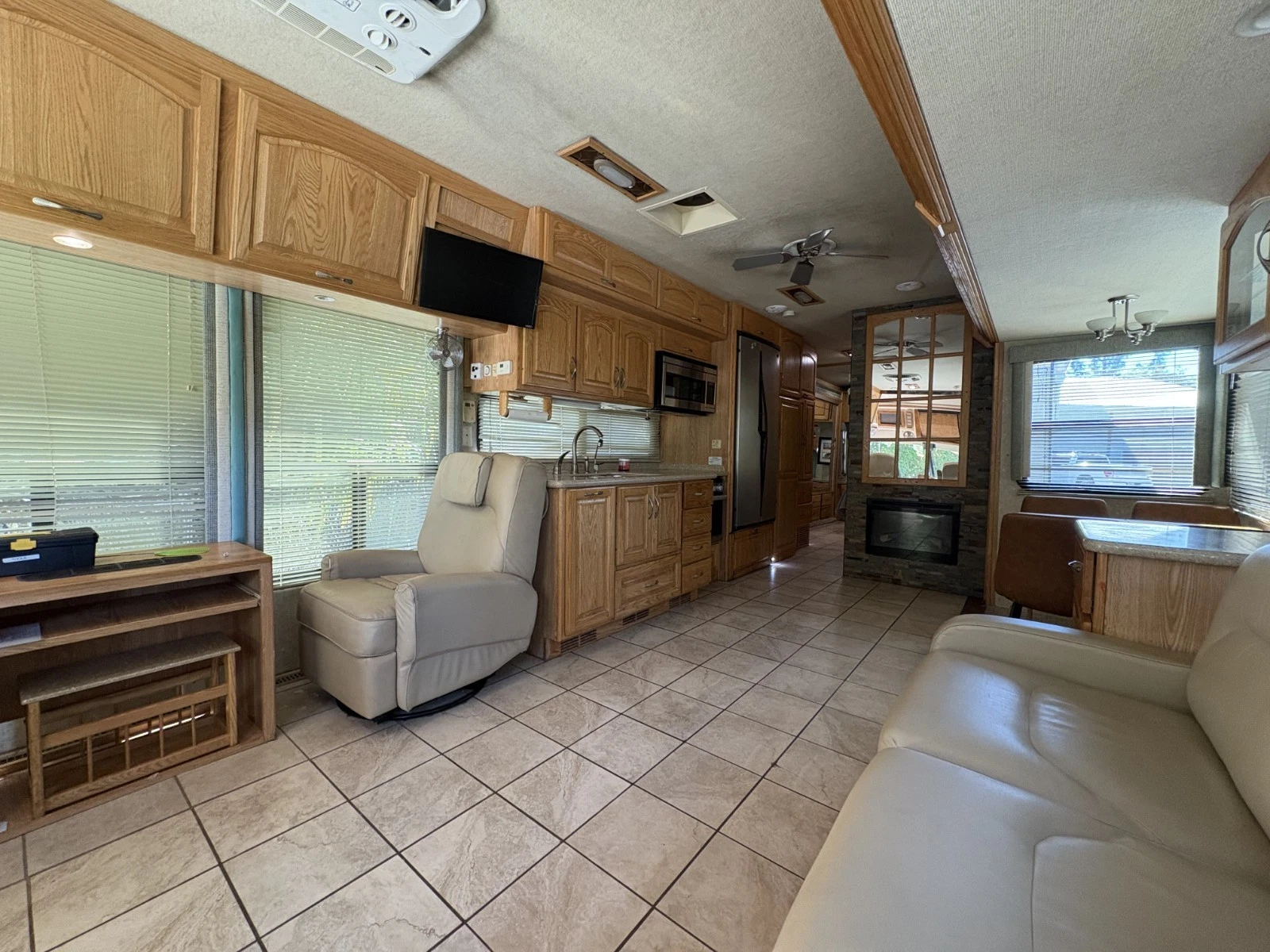
5. Walk Inside and Trust Your Senses
Your eyes are not the only inspection tools.
Use your nose.
Use your hands.
Use your ears.
When entering pre owned campers, notice the smell immediately.
A strong musty odor can deserve further investigation.
Then look around.
Check ceilings.
Look inside cabinets.
Examine corners.
Inspect around windows.
Feel the flooring carefully.
A camper should not feel damp or unusually soft.
These checks do not prove that a camper has a problem.
They simply tell you where to investigate further.
The smartest buyers of pre owned campers for sale are curious.
They do not automatically assume everything is fine.
6. Pay Attention to the Floor
A floor can reveal problems that photographs will never show.
Walk slowly through the camper.
Stand near the entrance.
Walk around the bathroom.
Check the kitchen.
Move around the sleeping areas.
When inspecting pre owned campers on the market, watch for soft, spongy, uneven, or unusually flexible areas.
Sometimes a flooring problem is minor.
Sometimes it is connected to moisture damage.
The important thing is to identify the cause.
Do not simply negotiate a lower price because the floor feels strange.
Find out what is happening first.
That principle applies throughout your search for pre owned campers.
Know the problem before deciding what it is worth.
7. Open Every Cabinet
This sounds almost too simple.
Do it anyway.
Open every cabinet.
Open drawers.
Check hinges.
Look underneath sinks.
Inspect storage compartments.
When viewing pre owned campers on the market, hidden areas can reveal things that the main living area does not.
Look for water stains.
Check for damaged wood.
Look for unusual repairs.
Inspect the corners.
Cabinet condition can also tell you how the camper has been treated over time.
A camper that has clearly been cared for often shows that care in small details.
When comparing pre owned campers for sale, these little observations can help separate a genuinely well-kept camper from one that has simply been cleaned for sale.
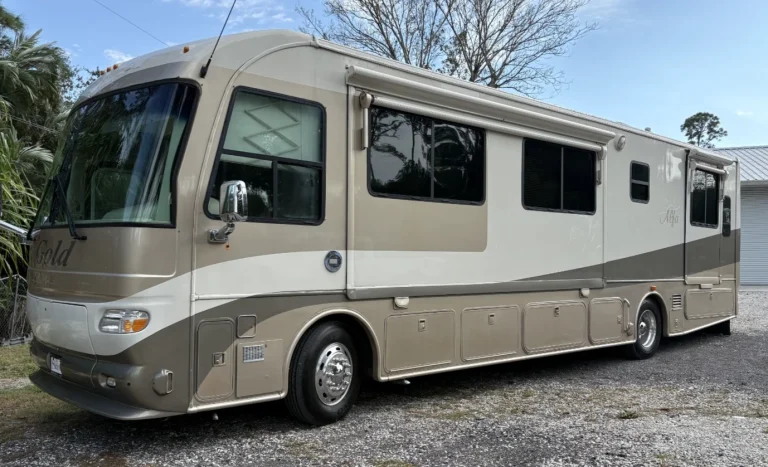
8. Inspect the Exterior Like You Mean It
Walk around the entire camper.
Do not rush.
Look at body panels.
Check seams.
Inspect windows.
Look around doors.
Examine storage doors.
Look at the awning.
Check exterior lights.
When reviewing pre owned campers, pay attention to anything that looks out of place.
Different shades of paint may suggest previous repairs.
Cracks can deserve investigation.
Loose trim may allow water intrusion.
Damaged storage doors may indicate previous impact.
Not every cosmetic issue is serious.
That is an important distinction.
You are not searching for perfection.
You are searching for a camper whose condition makes sense for its price.
That is the goal when comparing pre owned campers on the market.
9. Never Ignore the Tires
A camper can have low mileage and still have old tires.
That is because tires age even when the camper is sitting still.
When inspecting pre owned campers for sale, look carefully at the tires.
Check for visible cracking.
Look for uneven wear.
Check the overall condition.
Ask when they were installed.
If replacement is approaching, include that expense in your budget.
A buyer who ignores tires may discover an unexpected expense shortly after purchase.
A buyer who checks them beforehand can make a more informed decision.
That is why tire condition matters when comparing pre owned campers.
10. Test the Electrical System
Never assume the electrical system works because the lights are on.
Test things.
Switch on interior lights.
Check outlets.
Test appliances.
Inspect visible wiring.
Check the battery system where appropriate.
When evaluating pre owned campers on the market, ask how the electrical system has been maintained.
If something does not work, find out why.
It might be a simple switch.
It could be something more significant.
If you are not comfortable evaluating electrical systems yourself, bring in a qualified professional.
Electrical issues are not something to guess about.
The same principle applies to every one of the pre owned campers you inspect.
11. Test the Plumbing
Turn on the faucets.
Run the shower.
Flush the toilet.
Check underneath sinks.
Look at visible connections.
When inspecting pre owned campers for sale, look for leaks or signs of previous leaks.
Check water pressure.
Pay attention to unusual smells.
Ask about tank maintenance.
If the camper has been stored for a long period, ask how the plumbing was prepared for storage.
Plumbing problems can sometimes be simple.
But hidden water leaks can create much bigger problems.
That is why plumbing deserves careful attention when viewing pre owned campers on the market.
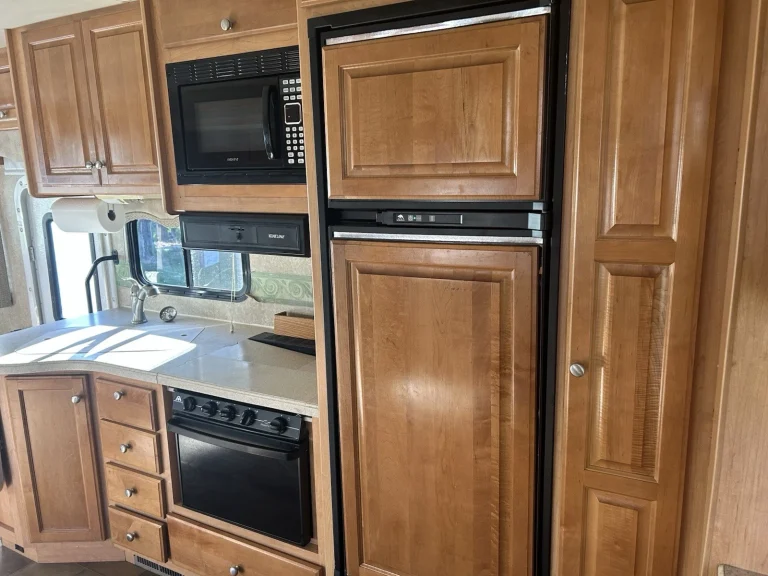
12. Test Every Major Appliance
A refrigerator is not just a refrigerator when it is inside an RV.
It is part of your travel experience.
The same applies to the stove, oven, microwave, air conditioner, furnace, water heater, and other systems.
When looking at pre owned campers, ask to test the major appliances.
Do not settle for “it worked the last time we used it.”
Whenever possible, verify it yourself.
If a system cannot be tested, understand why.
Then consider having a professional inspect it.
Appliances can become expensive replacement items, so they should be part of your decision.
The more thoroughly you evaluate pre owned campers on the market, the fewer surprises you are likely to encounter.
13. Ask for Maintenance Records
Paperwork may not be exciting.
It can be incredibly valuable.
Ask the seller about maintenance.
Ask for receipts.
Ask about repairs.
Ask about tire replacement.
Ask about roof maintenance.
Ask about batteries.
Ask about appliances.
When comparing pre owned campers for sale, a detailed maintenance history can increase your confidence.
It gives you clues about how the camper has been treated.
No records do not automatically mean a camper is bad.
Some owners simply do not keep paperwork.
But missing records should encourage you to inspect more carefully.
Documentation is particularly valuable when comparing several pre owned campers.
14. Ask the Question Sellers Expect
Ask this:
“Why are you selling the camper?”
Then listen.
Maybe the family is moving.
Maybe the owner is upgrading.
Maybe they no longer travel.
Maybe their circumstances changed.
There are many perfectly reasonable answers.
The important part is understanding the story.
When looking through pre owned campers on the market, you are trying to build a picture of the camper’s history.
How was it used?
Where was it stored?
How often did it travel?
What repairs were performed?
Why is it being sold?
Those answers can help you decide whether a particular camper deserves further attention.
15. Compare Condition Before Comparing Price
This is where many buyers go wrong.
They see two campers.
One costs $18,000.
The other costs $23,000.
The first looks cheaper.
But what if it needs new tires, batteries, roof work, appliance repairs, and flooring?
The $23,000 camper might actually be the better deal.
When comparing pre owned campers for sale, compare condition first.
Then compare total cost.
Then compare features.
Then compare price.
This order gives you a much clearer picture.
A cheap camper is not necessarily a good deal.
A fairly priced camper in excellent condition can be much better value.
That is especially important when evaluating pre owned campers.
16. Know What Is Cosmetic and What Is Serious
Not every flaw should scare you.
A scratched cabinet is not the same as structural damage.
A faded decal is not the same as a leaking roof.
A worn cushion is not the same as water-damaged flooring.
When examining pre owned campers on the market, learn to separate cosmetic imperfections from serious problems.
Cosmetic issues may actually create negotiation opportunities.
Serious problems require much more investigation.
Do not automatically reject a camper because it is not perfect.
Instead, ask what the problem means.
Then determine what fixing it will cost.
That approach helps you evaluate pre owned campers based on reality rather than emotion.
17. Negotiate With Facts
Negotiation does not have to be uncomfortable.
You do not need to insult the seller.
You do not need to make an absurd offer.
Simply use what you discovered.
If the tires need replacement, mention it.
If an appliance is not working, mention it.
If maintenance records are incomplete, consider that in your offer.
When negotiating for pre owned campers for sale, facts are more powerful than guesses.
You can say that you have calculated the likely repair expenses.
You can explain that comparable campers are priced differently.
You can make a reasonable offer based on condition.
That is a much stronger approach than simply saying, “Will you take less?”
What Does a Good Camper Deal Look Like?
A good deal has balance.
The price should make sense.
The condition should make sense.
The layout should fit your lifestyle.
The maintenance history should provide reasonable confidence.
The required repairs should be manageable.
When evaluating pre owned campers on the market, do not chase the lowest possible number.
Chase the best overall value.
The right camper should make sense both financially and practically.
If you have to spend thousands immediately just to make the camper usable, the original price may not matter much.
That is why serious buyers of pre owned campers calculate the full ownership picture.
Private Seller vs. Dealer
There is no universal winner.
Private sellers can sometimes provide attractive prices.
Dealers may offer additional services or warranty options depending on the business.
When comparing pre owned campers on the market, look at what is actually included.
Ask about inspections.
Ask about paperwork.
Ask about warranty coverage if offered.
Ask about preparation.
Ask about financing if needed.
Then compare the complete deal.
Do not assume a dealer is automatically expensive or a private seller is automatically cheaper.
Every transaction is different.
The goal is to find the best combination of price, condition, transparency, and confidence among the pre owned campers for sale available to you.
What to Bring to a Camper Inspection
You do not need a garage full of tools.
A flashlight can help.
A notepad can help.
A phone camera can help.
A tire-pressure gauge can be useful.
A checklist is even more valuable.
When inspecting pre owned campers, write down every issue you discover.
Do not trust your memory.
After viewing several campers, details can blur together.
You might remember that one had a beautiful kitchen but forget that its air conditioner did not work.
Notes prevent that.
Photos can also help you compare campers later.
This makes your search for pre owned campers on the market much more organized.
When a Professional Inspection Is Worth It
If you are a first-time camper buyer, professional inspection can be a smart investment.
A qualified RV inspector can evaluate systems and areas that may be difficult for an inexperienced buyer to assess.
This can be particularly helpful with older pre owned campers for sale.
You may already have an idea of what you like.
The inspector can help identify what you might have missed.
Think of an inspection as buying information.
You are spending a relatively small amount to learn more before making a much larger purchase.
That can be money well spent.
The Storage Question Nobody Should Forget
Where will you keep your camper?
At home?
In a storage facility?
At a seasonal campsite?
Before purchasing pre owned campers, answer this question.
Check local restrictions.
Measure available space.
Consider access.
Think about security.
Think about weather protection.
Storage can become an ongoing expense, so include it in your budget.
A camper that is difficult to access may also get used less frequently.
And the whole point of owning a camper is to enjoy it.
That is another reason storage should be considered when choosing between pre owned campers on the market.
Think About Towing Before You Buy
This is particularly important for towable campers.
Do not simply ask whether your vehicle can pull it.
Understand the numbers.
Consider the camper’s loaded weight rather than relying only on an empty specification.
Think about passengers, equipment, water, food, and other cargo.
When comparing pre owned campers, check the towing specifications carefully.
If you are uncertain, consult the vehicle and camper manufacturers’ documentation or a qualified professional.
A camper that looks perfect but exceeds your vehicle’s safe capabilities is not the right camper.
There will be other pre owned campers for sale to consider.
Don’t Forget Your First-Year Expenses
Your first year of camper ownership can teach you a lot.
You may discover that you need better storage containers.
You may want an upgraded battery.
You may purchase outdoor furniture.
You may replace small items.
You may make improvements to the interior.
These expenses add up.
When shopping for pre owned campers on the market, keep some money available for practical upgrades.
You do not need to buy everything immediately.
Start with what improves safety, reliability, and comfort.
Then add extras gradually.
This approach keeps your budget under control while allowing you to personalize the camper.
Signs You Should Slow Down
Sometimes a listing creates pressure.
“Someone else is coming tonight.”
“Another buyer is ready to pay.”
“This price is only available today.”
Maybe those statements are true.
Maybe they are not.
Either way, do not allow pressure to replace due diligence.
When considering pre owned campers, you should have enough time to ask questions and inspect the vehicle.
If the seller refuses reasonable inspection requests, take that seriously.
If the paperwork is unclear, slow down.
If the history does not make sense, investigate.
If the numbers do not work, walk away.
There will always be more pre owned campers on the market.
A rushed purchase can stay with you for years.
How to Make the Final Choice
Eventually, you will probably narrow your search down to two or three campers.
This is where emotion becomes tempting.
Instead, compare them objectively.
Create a simple list.
Purchase price.
Condition.
Age.
Maintenance.
Tires.
Roof.
Interior.
Appliances.
Floor plan.
Storage.
Towing requirements.
Estimated repairs.
Then ask yourself which camper gives you the best combination.
When comparing pre owned campers for sale, you are not looking for perfection.
You are looking for the strongest overall fit.
A camper can have cosmetic flaws and still be a fantastic choice.
Another can look beautiful and hide expensive problems.
Your checklist helps you see the difference.
A Quick Buyer Checklist
Before buying pre owned campers, ask:
Condition
- Is the roof in good condition?
- Are the seals intact?
- Is there evidence of water intrusion?
- Does the floor feel solid?
- Are the walls and ceilings free from suspicious stains?
- Are the windows and doors functioning?
Mechanical and Electrical
- Do the lights work?
- Do the outlets work?
- Does the air conditioner operate?
- Does the furnace operate?
- Does the refrigerator work?
- Does the water heater work?
Plumbing
- Do the faucets work?
- Does the toilet operate correctly?
- Does the shower drain properly?
- Are there visible leaks?
Exterior
- Are the tires in good condition?
- Is the awning functional?
- Are storage doors secure?
- Are exterior lights working?
- Is there evidence of previous impact?
Documentation
- Is the title available?
- Are maintenance records available?
- Are repair receipts available?
- Are manuals included?
- Is any warranty transferable?
This checklist can make comparing pre owned campers on the market far easier.
The Biggest Mistakes to Avoid
The first mistake is buying too quickly.
The second is choosing based entirely on appearance.
The third is ignoring water damage.
The fourth is forgetting tire age.
The fifth is failing to test appliances.
The sixth is spending every dollar on the purchase.
The seventh is ignoring towing capacity.
The eighth is skipping an inspection.
The ninth is believing that newer automatically means better.
The tenth is buying a camper that does not match your actual lifestyle.
Avoiding these mistakes can make your search for pre owned campers for sale much more successful.
Why Patience Pays Off
You might inspect one camper and find nothing wrong.
Then you might inspect another.
And another.
That is normal.
Do not become discouraged.
The goal is not to buy the first camper that looks acceptable.
The goal is to find the camper that makes sense.
When you patiently compare pre owned campers, you give yourself the opportunity to notice differences.
One might have a better floor plan.
Another may have better maintenance records.
Another may have newer tires.
Another may simply be priced more fairly.
The longer you stay patient, the easier it becomes to recognize genuine value.
Your Camper Should Fit Your Life
The perfect camper is different for everyone.
For one buyer, it might be a compact trailer that makes weekend travel easy.
For another, it might be a spacious family camper.
Someone else may want a simple setup with fewer systems and less maintenance.
That is why there is no universal winner among pre owned campers on the market.
Your needs determine the right choice.
Think about where you travel.
Who travels with you.
How often you travel.
What you enjoy doing at campgrounds.
How much maintenance you are comfortable handling.
Then choose accordingly.
The best pre owned campers are the ones that make your adventures easier rather than creating unnecessary complications.
Final Thoughts
Buying a camper should be exciting.
It should not feel like gambling.
You can dramatically improve your chances of making a smart purchase by slowing down and inspecting carefully.
Look beyond photographs.
Check the roof.
Look for water damage.
Walk the floors.
Open the cabinets.
Test the appliances.
Inspect the tires.
Review the maintenance records.
Ask questions.
Calculate the full cost.
And never be afraid to walk away.
The market for pre owned campers for sale can provide excellent opportunities for buyers who know how to shop carefully.
You do not need the newest camper.
You do not need the biggest camper.
You do not necessarily need the cheapest camper.
You need the right camper.
When you find one that fits your budget, lifestyle, tow vehicle, and travel plans, the purchase becomes much easier to justify.
Take your time.
Compare your options.
Trust evidence more than excitement.
And remember that the goal is not simply to own a camper.
The goal is to use it.
Take the trips.
See new places.
Spend time outdoors.
Create memories.
That is what makes the search for pre owned campers on the market worthwhile in the first place.
Frequently Asked Questions
Are pre-owned campers worth buying?
Yes. Pre owned campers can offer excellent value when the camper has been properly maintained and thoroughly inspected.
What should I check first?
Start with the roof and look for signs of water intrusion. Then inspect the flooring, walls, windows, tires, plumbing, electrical systems, and appliances.
Are older campers reliable?
They can be. Age alone does not determine condition. A well-maintained older camper can sometimes be a better purchase than a newer camper that has been neglected.
Should I buy from a dealer?
A dealer may provide additional services or warranty options, depending on the business. Compare the entire deal rather than focusing only on price.
Can I negotiate the price?
Yes. Use actual issues discovered during your inspection to support your offer. Repair estimates and comparable listings can also help.
What is the biggest problem to look for?
Water intrusion deserves serious attention because it can affect multiple parts of a camper. Any suspicious moisture should be investigated before purchasing.
Should I hire an inspector?
If you are unfamiliar with RV systems, a professional inspection can be a smart investment, especially when considering expensive or older pre owned campers for sale.
How much should I budget for repairs?
There is no universal amount because every camper is different. It is wise to maintain a separate reserve rather than spending your entire budget on the purchase.
What makes a good used camper?
A good camper combines suitable size, reasonable price, solid condition, useful features, reliable systems, and a history of proper maintenance.
How do I compare different campers?
Create a checklist covering price, age, condition, roof, tires, appliances, plumbing, electrical systems, maintenance history, floor plan, towing requirements, and expected repairs.
Related guides
- Best Camper for Road Trips: 19 Things to Know Before You Hit the Highway
- Luxury Campers for Sale: How to Choose a High-End Camper Worth the Investment
- Used Campers for Sale: A Practical Guide to Finding the Right Camper at the Right Price
- Cheap Campers Near Me: A Smart Buyer’s Guide to Finding an Affordable Camper
Browse more in Campers for Sale or see all buying guides.