RVs Ready for Camping: 25 Practical Ways to Find an RV You Can Take on the Road
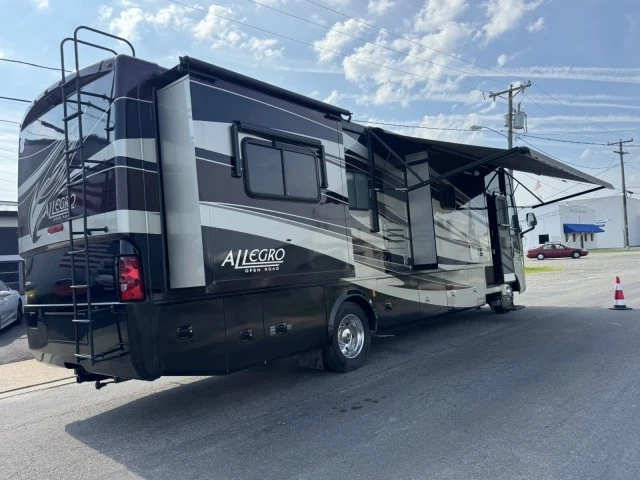
There is a big difference between owning an RV and actually being ready to use one.
An RV can sit beautifully in a driveway for months.
It can have a spotless interior, polished exterior, comfortable furniture, and all the features that caught your attention in the advertisement.
But when Friday afternoon arrives and you want to leave town, the real question becomes simple:
Is it actually ready to go?
That is where RVs ready for camping become especially appealing.
Instead of buying something that needs weeks of preparation, repairs, or upgrades before your first trip, you can look for an RV that is already in usable condition.
For many buyers, that can save time, reduce stress, and make the transition from purchase to adventure much easier.
But there is a catch.
The words “ready for camping” can mean different things to different sellers.
A camper may look ready without every system being operational.
Another RV may have been maintained carefully and genuinely be prepared for its next journey.
So how do you tell the difference?
You inspect it.
You ask questions.
You test the important systems.
And you think about how you will actually use the RV.
This guide takes you through the process in a practical, straightforward way.
What Are RVs Ready for Camping?
At its simplest, the term describes an RV that is prepared for normal camping use.
That means the major living systems should function properly.
The vehicle or trailer should be in reasonable condition.
The interior should be usable.
The essential equipment should work.
And there should not be obvious unresolved problems that could turn your first weekend away into a repair project.
When looking at RVs ready for camping, however, do not rely entirely on an advertisement.
Treat “ready” as something to verify.
The best RV purchase is one where the seller’s description matches what you discover during your inspection.
Ready does not mean perfect
This is worth remembering.
No used RV is necessarily perfect.
Even well-maintained camping-ready RVs may have normal signs of use.
There could be cosmetic scratches.
Furniture may show some wear.
An older appliance may eventually need replacement.
What matters is understanding the RV’s condition before you buy it.
1. Start With the Way You Plan to Camp
Before looking at RVs that are ready to camp, think about your own camping habits.
This sounds simple, but it can completely change your search.
Do you want short weekend escapes?
Are you planning long road trips?
Will you travel with children?
Do you prefer established campgrounds?
Are you interested in off-grid camping?
Your answers will determine what type of RV works best.
There is no universal “best RV.”
There is only the RV that makes sense for you.
2. Choose the Right RV Type
Motorhomes, travel trailers, fifth wheels, camper vans, and other RV styles each have different advantages.
A motorhome gives you an integrated driving and living space.
A travel trailer can provide flexibility if you already have a suitable tow vehicle.
A camper van can be easier to maneuver.
A larger fifth wheel can provide considerable living space.
When comparing camping-ready RVs, focus on how each type fits your plans.
Do not choose based solely on appearance.
Choose based on usability.
3. Set Your Budget Before You Shop
A clear budget makes shopping easier.
Decide how much you are comfortable spending.
Then leave room for additional ownership costs.
You may need insurance.
You may need registration.
You may need storage.
You may need maintenance.
You may want camping accessories.
When shopping for RVs ready for camping, remember that the purchase price is only one part of the financial picture.
A slightly cheaper RV that needs immediate repairs may cost more than a better-maintained option.
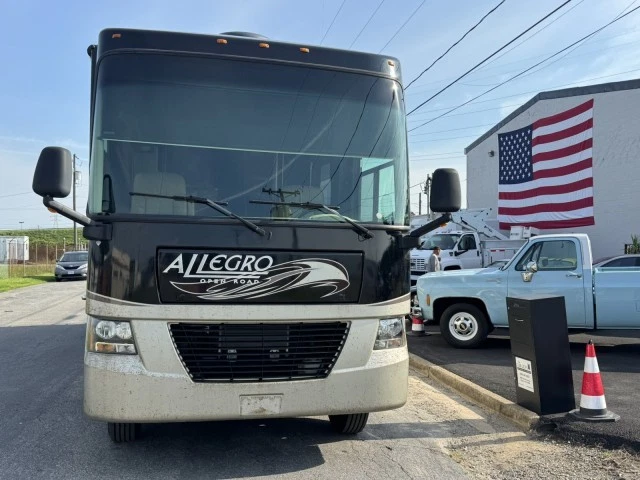
4. Look Closely at the Exterior
Take a slow walk around the RV.
Do not rush.
Look at the body panels.
Inspect windows.
Check doors.
Examine storage compartments.
Look for cracks, dents, gaps, or signs of previous repairs.
When evaluating RVs that are ready to camp, exterior condition can reveal clues about how the RV has been treated.
Cosmetic imperfections are not necessarily deal breakers.
Structural or water-related concerns deserve much more attention.
5. Give the Roof Extra Attention
The roof is one of the first places you should inspect.
Look around vents.
Check sealant.
Inspect skylights.
Examine air-conditioning units.
Look for cracks or areas that appear damaged.
Water intrusion can cause expensive problems inside an RV.
That is why buyers considering camping-ready RVs should never skip a roof inspection.
If you are uncomfortable inspecting the roof yourself, consider hiring a qualified professional.
6. Search for Signs of Water Damage
Water can be an RV owner’s worst enemy.
Look inside cabinets.
Check ceiling corners.
Inspect walls.
Look at flooring.
Pay attention to unusual smells.
Check around windows.
Stains, bubbling surfaces, soft areas, or musty odors may deserve further investigation.
When viewing RVs ready for camping, never let an attractive interior stop you from checking for moisture problems.
A clean sofa does not tell you what is happening behind the wall.
7. Test the Plumbing
Turn on the faucets.
Check the water pressure.
Inspect under the sinks.
Run the shower.
Check the toilet if the RV has one.
Look for leaks.
Plumbing is easy to ignore during a quick viewing, but you will notice it very quickly when camping.
For RVs that are ready to camp, functional water systems are a major part of convenience.
8. Test the Electrical System
Turn on the lights.
Test outlets.
Check switches.
Inspect the control panel.
Verify that the systems you expect to use actually work.
If the RV has batteries or an inverter system, ask questions about their age and maintenance.
A working electrical system makes camping much easier.
That is why electrical testing belongs on your checklist when viewing camping-ready RVs.
9. Check the Heating and Cooling
Temperature can change quickly during a camping trip.
You want an RV that can handle those changes comfortably.
Test the air conditioning.
Check the heater.
Listen for strange sounds.
Make sure air is circulating properly.
For buyers comparing RVs ready for camping, climate control can make a huge difference in how comfortable the RV feels.
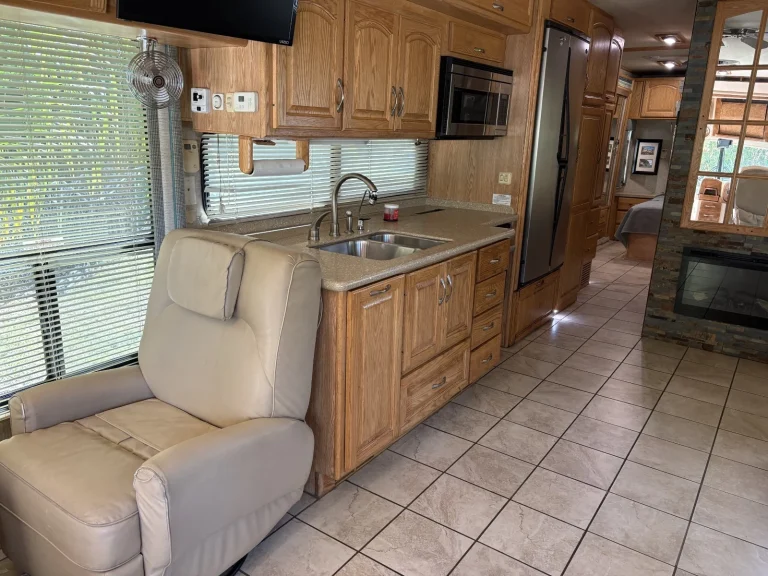
10. Inspect the Kitchen
The kitchen does not need to be huge.
It needs to work for you.
Check the refrigerator.
Inspect the stove.
Test the microwave if included.
Run the sink.
Open cabinets.
Look at countertop space.
When checking RVs that are ready to camp, imagine preparing a real meal rather than simply admiring the kitchen.
If you enjoy cooking while traveling, storage and counter space may matter more than decorative finishes.
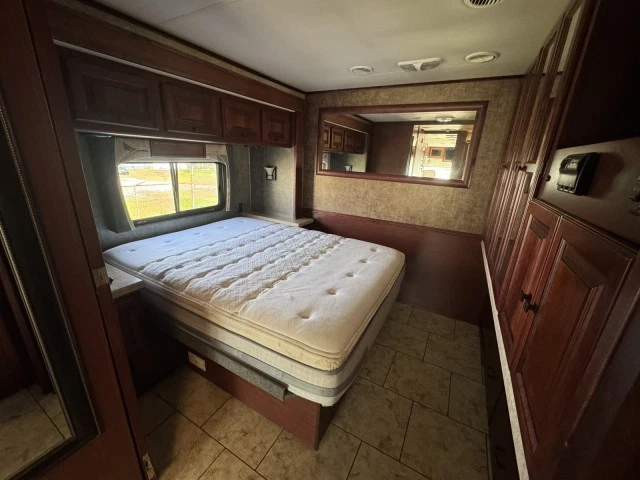
11. Examine the Sleeping Arrangements
A camper can look spacious during the day and feel surprisingly cramped at bedtime.
Test the sleeping areas.
Check mattress condition.
Look at bed dimensions.
Consider how easily people can move around.
If children will travel with you, make sure their sleeping arrangements are practical.
Among camping-ready RVs, the best choice is one where everyone can sleep comfortably.
12. Think About Storage
Camping equipment takes up space.
Clothing.
Food.
Cooking supplies.
Chairs.
Outdoor equipment.
Tools.
Bedding.
You may be surprised by how quickly storage disappears.
Open the cabinets.
Check exterior compartments.
Imagine packing for a week.
When evaluating RVs ready for camping, storage should be considered from a practical perspective.
A camper with plenty of storage can make travel considerably easier.
13. Check the Tires
Do not judge tires by tread alone.
Look for cracking.
Check sidewalls.
Inspect for uneven wear.
Consider tire age.
An RV that has not traveled much may still have old tires.
This is especially important when buying used RVs that are ready to camp.
If replacement is necessary, factor the cost into your budget before making an offer.
14. Check the Brakes and Running Gear
For towable RVs, inspect the hitch, safety chains, electrical connection, and braking equipment.
For motorhomes, pay attention to braking performance and other vehicle systems.
If you are not mechanically experienced, professional inspection is a smart option.
You want camping-ready RVs that are not only comfortable when parked but also appropriate for safe travel.
15. Verify Your Towing Capacity
This is one of the most important steps for trailer buyers.
Do not choose a trailer first and figure out towing later.
Check your vehicle’s specifications.
Consider trailer weight.
Consider cargo.
Consider passengers.
Consider hitch weight and payload requirements.
When searching for RVs ready for camping, make sure your tow vehicle can handle the setup comfortably and within its rated limits.
16. Ask About Maintenance
A well-maintained RV usually tells a better story.
Ask the seller when routine maintenance was completed.
Ask about previous repairs.
Ask about tires.
Ask about batteries.
Ask about roof maintenance.
Ask whether the plumbing was winterized where necessary.
When evaluating RVs that are ready to camp, maintenance records can provide valuable confidence.
Paperwork is evidence.
17. Find Out How the RV Was Stored
Storage affects condition.
An RV kept under cover may have had less exposure to weather.
One left outside for years may require more careful inspection.
Ask where it was normally parked.
Ask whether it was covered.
Ask how the owner protected it during periods of non-use.
These details can help you understand the history of camping-ready RVs.
18. Test Every Appliance You Can
Do not assume appliances work because they look clean.
Turn them on.
Test them.
Ask questions about their history.
Check refrigerators.
Check stoves.
Check ovens.
Check microwaves.
Check water heaters.
Check air conditioning.
Check heating.
When shopping for RVs ready for camping, functional equipment can save you from expensive surprises after purchase.
19. Look at the Interior With Fresh Eyes
It is easy to become emotionally attached to an RV.
You see the dining area.
You imagine family dinners.
You picture yourself sitting outside with a cup of coffee.
That is part of the fun.
But take a step back.
Inspect the flooring.
Look inside cabinets.
Check upholstery.
Examine ceilings.
Open drawers.
When assessing RVs that are ready to camp, combine excitement with objectivity.
20. Review the RV’s History
Ask how long the current owner has had it.
Find out how it was used.
Was it a family RV?
Was it used occasionally?
Was it a full-time residence?
Was it rented?
Was it stored for long periods?
The answers can provide important context.
When comparing camping-ready RVs, history can help explain both condition and price.
21. Take a Proper Test Drive
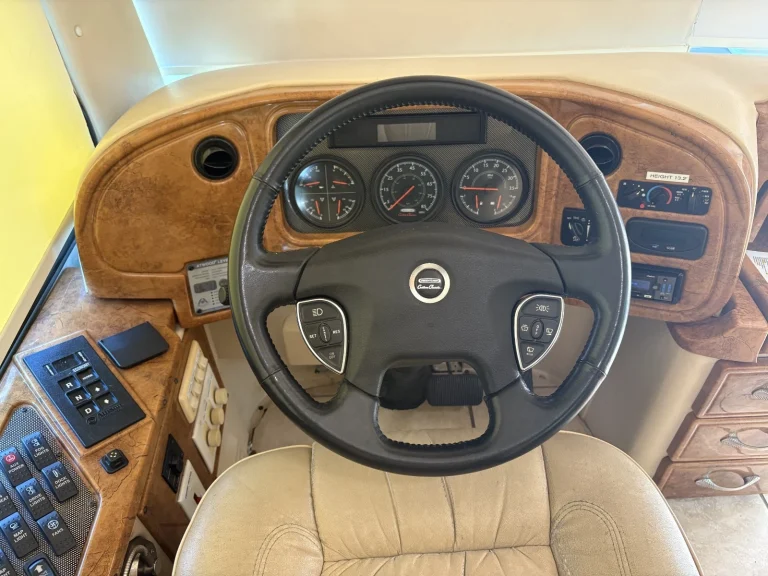
If you are buying a motorized RV, take a test drive.
Pay attention to steering.
Listen for unusual sounds.
Check braking.
Watch warning lights.
Notice vibrations.
For a towable RV, inspect the towing setup and ensure that the equipment is appropriate.
A camper may feel perfect while parked.
You also need confidence when traveling.
That is why testing the road-going side of RVs that are ready to camp matters.
22. Compare Similar RVs
Do not buy the first RV that looks appealing.
Compare several options.
Look at similar years.
Compare floor plans.
Compare features.
Compare condition.
Compare prices.
Compare maintenance history.
Shopping around helps you understand the market.
It also makes it easier to recognize genuinely valuable RVs ready for camping.
You may discover that another RV offers more useful features for similar money.
23. Negotiate Based on Condition
Good negotiation starts with research.
Do not simply ask the seller to lower the price without a reason.
Point out legitimate maintenance needs.
Use comparable listings.
Consider inspection findings.
Calculate replacement costs.
If the RV needs new tires or batteries, those expenses can become part of your negotiation.
When negotiating for camping-ready RVs, facts make your position stronger.
24. Think About Your First Camping Trip
Imagine the first weekend after your purchase.
Where will you go?
What will you pack?
How many people will travel?
Where will everyone sleep?
What will you cook?
Will you need campground hookups?
Will you spend time outside?
This mental exercise can reveal whether the RV really fits your lifestyle.
The best RVs that are ready to camp should make you feel prepared rather than overwhelmed.
25. Do a Pre-Trip Check
Even an RV advertised as ready should receive a final check before a major trip.
Inspect tire pressure.
Check fluid levels where applicable.
Test lights.
Check the hitch.
Verify electrical connections.
Test water systems.
Confirm that doors and storage compartments are secure.
Make sure you have the necessary equipment.
This small routine can prevent avoidable problems.
It is one of the simplest ways to keep RVs ready for camping actually ready.
What Should a Camping-Ready RV Include?
There is no universal equipment list.
Your needs depend on the type of camping you enjoy.
However, useful features may include:
- Comfortable sleeping space
- Functional kitchen
- Reliable water system
- Working bathroom
- Heating and cooling
- Adequate storage
- Functional electrical system
- Safe tires
- Proper towing equipment where applicable
- Working appliances
- Secure doors and windows
- Useful exterior storage
The more closely these features match your needs, the more useful the RV will be.
When comparing camping-ready RVs, prioritize practical features over flashy extras.
Are Older RVs Still Worth Considering?
Absolutely.
Age alone should not eliminate an RV from your search.
An older RV that has been maintained properly can still provide many enjoyable camping trips.
However, older vehicles may have components that require replacement because of age.
Tires, batteries, seals, appliances, hoses, and other parts can deteriorate over time.
When considering older RVs that are ready to camp, pay particular attention to maintenance history.
Should You Buy a Used RV?
Used RVs can offer an attractive combination of price and features.
A used model may allow you to purchase a larger RV without spending as much as you would on a comparable new model.
But condition matters.
Always inspect before purchasing.
The goal is not simply to find cheap RVs ready for camping.
The goal is to find good value.
How to Avoid a Bad RV Purchase
The best way to avoid a bad purchase is to slow down.
Do not let a seller’s urgency become your urgency.
Do not skip an inspection because you are afraid someone else will buy the RV.
Do not send money before verifying the transaction.
Do not ignore warning signs.
And never assume that a low price automatically means a bargain.
A good deal should still make sense after you inspect the RV.
When buying camping-ready RVs, patience can save you money.
Why Condition Matters More Than Appearance
A polished RV photographs beautifully.
That does not mean it is mechanically sound.
Likewise, an older RV with a few cosmetic imperfections may be mechanically excellent.
Learn to separate appearance from condition.
Look underneath.
Look inside cabinets.
Check the roof.
Test systems.
Review records.
This approach will help you identify RVs that are ready to camp based on reality rather than advertising.
Build a Simple Buyer Scorecard
If you are comparing several RVs, create a simple scorecard.
Give each RV a rating for:
Condition
Price
Layout
Maintenance
Features
Storage
Towing or driving suitability
Overall value
This makes your decision less emotional.
It also gives you something concrete to discuss with family members who may be joining the trip.
A scorecard can be especially helpful when several RVs ready for camping seem attractive.
Think About Long-Term Value
A good RV should not only work for your first trip.
Think about the next few years.
Will your family grow?
Will your camping style change?
Will you travel farther?
Will you need more sleeping space?
Will you want additional storage?
Considering these questions can help you choose camping-ready RVs that remain useful as your plans change.
The Difference Between Ready and Nearly Ready
This distinction can save you money.
A truly ready RV should allow you to begin using it without major immediate repairs.
A nearly ready RV might need new tires.
It might need batteries.
It might need seal work.
It might need appliances repaired.
None of those problems necessarily make an RV a bad purchase.
But they should influence the price.
When comparing RVs that are ready to camp, identify what you can use immediately and what needs attention first.
What to Do After Buying Your RV
Once you have completed the purchase, resist the temptation to immediately plan a thousand-mile journey.
Start small.
Take a short local trip.
Stay somewhere relatively close to home.
Test the RV under real camping conditions.
You may discover small things you want to change.
Perhaps you need additional storage containers.
Maybe you need better outdoor lighting.
Maybe you need different bedding.
Maybe you simply need to learn where everything belongs.
That first short trip is a valuable learning experience.
It can turn RVs ready for camping into RVs that are truly personalized for your adventures.
Make Your RV Feel Like Home
The best part of RV ownership is making the space yours.
Add practical touches.
Organize the kitchen.
Create a dedicated place for camping equipment.
Keep basic tools available.
Choose comfortable bedding.
Organize outdoor gear.
Do not fill every compartment immediately.
Leave room to learn what you actually need.
Over time, your camping-ready RVs can become more than transportation.
They can become your favorite place to escape.
Final Thoughts
Finding the right RV is about more than checking boxes on an advertisement.
It is about imagining real life on the road.
Where will you sleep?
Where will you cook?
Where will you store your gear?
How will the RV handle your favorite destinations?
What will maintenance look like?
Can you afford the overall ownership cost?
And most importantly, will you actually enjoy using it?
The best RVs that are ready to camp combine practicality, comfort, reliability, and value.
Take your time.
Inspect carefully.
Ask questions.
Test the important systems.
Review the paperwork.
Compare multiple options.
And do not be afraid to walk away from an RV that does not feel right.
There will always be another opportunity.
Your goal is not simply to buy an RV.
Your goal is to find a vehicle or trailer that makes camping easier and more enjoyable.
When you find RVs ready for camping that fit your budget, lifestyle, towing or driving needs, and expectations, you are much closer to making a purchase you can feel good about.
Then comes the fun part.
Load the cooler.
Pack your bags.
Check the tires.
Close the storage compartments.
Start the engine or connect the trailer.
And head toward somewhere you have never been before.
That is what RV ownership is really about.
Frequently Asked Questions
What does “RVs ready for camping” mean?
It generally describes RVs that are prepared for normal camping use, with important systems functioning and the vehicle or trailer in usable condition. Buyers should still verify the seller’s claims.
How do I know if an RV is actually ready?
Inspect the roof, tires, plumbing, electrical system, appliances, interior, exterior, and mechanical components. Testing the major systems is essential when evaluating camping-ready RVs.
Should I inspect a used RV before buying?
Yes. A professional RV inspection can identify problems that may not be obvious during a casual walk-through. It can be especially valuable for buyers considering expensive RVs that are ready to camp.
What should I check first?
Start with overall condition, then pay close attention to the roof, signs of water damage, tires, mechanical systems, plumbing, electrical components, and documentation.
Are RVs ready for camping expensive?
They can vary widely in price. Age, size, brand, condition, features, mileage, location, and maintenance history can all affect the price.
Can I tow any RV with my vehicle?
No. Always verify towing capacity, payload requirements, hitch weight, and other specifications before purchasing a towable RV.
Should I test all appliances?
Yes. Test refrigerators, stoves, microwaves, heating, air conditioning, water heaters, lights, outlets, and other important equipment where possible.
Are older RVs worth buying?
They can be. A well-maintained older RV may provide excellent value, but age-related components should be inspected carefully.
What is the biggest mistake RV buyers make?
One common mistake is focusing too heavily on appearance or advertised features while overlooking maintenance, water damage, tires, mechanical condition, and ownership costs.
Can I negotiate the price of an RV?
Yes. Research comparable RVs and use legitimate condition issues or upcoming maintenance costs to support your offer. Buyers considering RVs ready for camping should negotiate based on evidence rather than emotion.
Should I take a short trip before a long RV vacation?
Yes. A short local trip lets you discover small problems before traveling far from home. It is a practical way to confirm that your RV is truly ready.
Related guides
- Off Grid RVs for Sale: 11 Things Smart Buyers Check Before They Pay
- RVs for Sale Near Me: A Local Buyer’s Guide to Finding the Right RV
- Used RV for Sale: How to Find the Right RV at the Right Price
- Best RVs For Sale for Full-Time Living
Browse more in RVs for Sale or see all buying guides.