Campers for Full Time Living: 17 Things to Know Before Choosing Your Home on Wheels
Choosing an RV for a weekend trip is one thing. Choosing an RV that becomes your home is completely different.
When you’re looking at campers for full time living, you’re not simply shopping for a vehicle or a trailer. You’re choosing where you’ll sleep, cook, relax, work, store your belongings, and spend ordinary Tuesday mornings.
That changes the entire buying decision.
The best campers for full time living aren’t necessarily the biggest, newest, or most expensive models. The right choice depends on your routine, budget, travel plans, climate, storage needs, and how comfortable you want everyday life to be.
If you’re researching campers for full-time life, take your time. Walk through different layouts. Open every cabinet. Sit on the furniture. Imagine spending three rainy days inside.
Those little details matter.
This guide takes a practical look at campers you can live in full time, including the features worth paying attention to, common mistakes buyers make, and ways to make your money go further.
1. Start by Imagining an Ordinary Day
People often shop for RVs by imagining the exciting moments.
They picture mountain views, campfires, beaches, road trips, and quiet mornings beside a lake.
Those experiences are great. But when comparing campers for full-time life, ordinary days deserve just as much attention.
Think about where you’ll make breakfast.
Where will you work?
Where will your clothes go?
Where will dirty shoes be stored?
Where will you sit when it rains all afternoon?
The strongest campers you can live in full time make everyday routines feel simple instead of forcing you to constantly rearrange your space.
Before buying, imagine waking up in the RV for the hundredth time.
That is a much better test than imagining your first camping trip.
When comparing campers for full-time life, consider whether the floor plan works for your actual lifestyle.
A beautiful kitchen is less useful if there is nowhere to store groceries.
A huge bedroom sounds impressive until you realize the living area is cramped.
The best campers for full time living usually have a sensible balance between sleeping space, living space, storage, and usable floor area.
That’s why shopping for campers you can live in full time should start with your lifestyle rather than a manufacturer’s feature list.
2. Bigger Does Not Always Mean Better
There is an easy trap in the RV market.
You walk into a larger model and immediately notice how spacious it feels.
Everything looks impressive.
But when considering campers for full-time life, size comes with tradeoffs.
A larger camper can require a larger tow vehicle.
It can cost more to maintain.
Fuel expenses may increase.
Finding suitable campsites can become harder.
Parking can also become a serious consideration.
That doesn’t mean you should automatically choose a small RV.
Some people genuinely need the extra room.
Families may appreciate separate sleeping areas.
Remote workers may need a dedicated workspace.
Couples may simply prefer more living space.
When comparing campers you can live in full time, the goal isn’t maximum size.
The goal is maximum usefulness.
A well-designed smaller camper can sometimes feel better than a poorly designed large one.
If you’re searching for campers for full-time life, pay attention to how much of the interior is genuinely usable.
Don’t count decorative space as living space.
Measure the storage.
Measure the bed.
Measure the dining area.
Look at how doors open.
Good campers you can live in full time use available space intelligently.
3. The Floor Plan Can Make or Break the Experience
Two RVs can have almost identical exterior dimensions but feel completely different inside.
That’s because layout matters.
When shopping for campers for full time living, walk through the floor plan slowly.
Don’t rush because you’re excited about the RV.
Stand in the kitchen.
Open the refrigerator.
Walk from the bathroom to the bedroom.
Imagine another person moving around you.
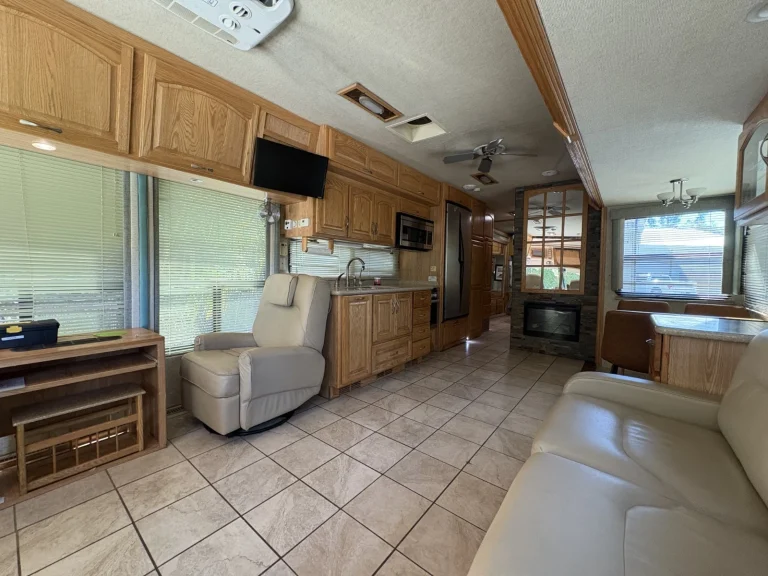
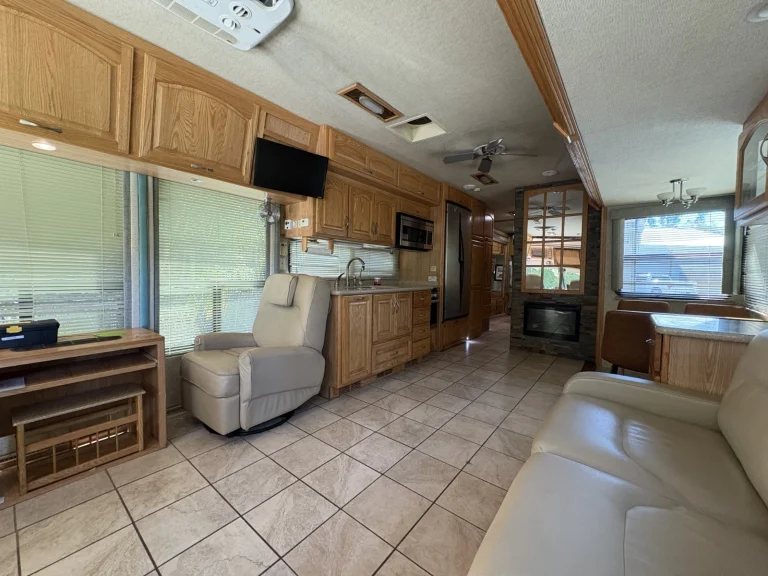
Think about campers for full-time life as small homes rather than recreational vehicles.
That mindset changes what you notice.
A kitchen island may look fantastic, but does it leave enough room to move?
A sofa may look comfortable, but can you stretch your legs?
A bathroom may look attractive, but is there enough storage?
Good campers you can live in full time should feel practical when several daily activities happen at once.
This becomes especially important for couples.
You may be cooking while your partner is working.
One person may be watching television while the other is preparing food.
In campers for full-time life, small design choices can have a surprisingly large impact on comfort.
If you’re comparing campers you can live in full time, spend more time inside each model than you spend looking at the exterior.
Your future self will appreciate it.
4. Storage Is More Important Than It Looks
Storage is one of those things buyers often underestimate.
During a short camping trip, you can live with limited storage.
Full-time living is different.
You need clothing.
Food.
Cleaning supplies.
Tools.
Outdoor equipment.
Documents.
Electronics.
Kitchen equipment.
Personal belongings.
That is why storage deserves serious attention when evaluating campers for full-time life.
Look beyond the obvious cabinets.
Check under the bed.
Look inside overhead compartments.
Open exterior storage areas.
Check pantry depth.
Think about where larger items will go.
The best campers for full time living give you enough storage without making the interior feel cluttered.
But there is another important lesson.
You probably don’t need to bring everything you own.
Many people who move into campers you can live in full time discover that they naturally become better at choosing what matters.
A camper encourages simpler living.
Still, having smart storage makes that transition easier.
When inspecting campers for full-time life, don’t just ask how many cabinets exist.
Ask whether those cabinets are actually useful.
That’s the difference between storage on paper and storage you can live with.
5. Sleeping Comfort Matters Every Night
A mattress might not be the first thing you notice when looking at an RV.
It should be.
With campers you can live in full time, you’re using the bed every night.
That’s very different from sleeping in an RV a few weekends each year.
Try lying down.
Check the mattress dimensions.
Look at the headroom.
Check whether both people can get out of bed without disturbing each other.
The best campers for full-time life make sleeping arrangements feel like part of a home rather than an afterthought.
Also consider ventilation.
Good airflow can make a major difference.
Windows near the sleeping area can help.
Fans can help even more.
When researching campers you can live in full time, pay attention to where vents and windows are positioned.
A comfortable bed is great.
A comfortable bed with good ventilation is better.
For couples choosing campers for full time living, bedroom access is worth considering too.
If one person wakes up earlier, climbing over another person every morning can become annoying surprisingly quickly.
Think about these details before purchasing campers for full-time life.
Small annoyances become bigger when repeated every day.
6. Think Seriously About the Kitchen
Cooking inside an RV can be one of the best parts of full-time travel.
You save money compared with constantly eating out.
You can prepare familiar meals.
You can enjoy breakfast without leaving your home.
But kitchen design varies dramatically among campers you can live in full time.
Some have generous counter space.
Others have tiny preparation areas.
Some offer large refrigerators.
Others prioritize compactness.
If cooking matters to you, don’t compromise too quickly.
When viewing campers for full-time life, imagine preparing an actual meal.
Where would you put a cutting board?
Where would the dirty dishes go?
Can two people comfortably use the kitchen?
Is there enough pantry space?
Good campers you can live in full time should support the way you actually cook.
You don’t need a restaurant kitchen.
You do need enough room to avoid frustration.
For people researching campers for full-time life, kitchen functionality can be more important than flashy entertainment equipment.
A large television is nice.
A practical kitchen gets used every day.
7. Bathroom Design Deserves a Closer Look
Bathroom space is another feature that looks different in photographs.
Pictures can make an RV bathroom appear spacious.
Reality tells the truth.
When comparing campers for full time living, step inside the bathroom.
Close the door.
Stand in the shower.
Check the sink.
Look at storage.
Think about ventilation.
You don’t want to discover six months later that the bathroom is constantly inconvenient.
Different campers you can live in full time offer different bathroom arrangements.
Some have larger showers.
Others use wet-bath designs to save space.
Some separate the toilet and shower.
There isn’t one universally correct option.
The right choice depends on your priorities.
If you’re considering campers for full-time life, think about how frequently you’ll use campground facilities.
If you expect to stay in remote locations, your onboard bathroom becomes much more important.
That makes bathroom capacity and usability especially relevant when choosing campers you can live in full time.
8. Heating and Cooling Are Not Optional Luxuries
Temperature can change your entire experience.
An RV that feels comfortable during mild weather may become difficult during extreme heat or cold.
That’s why climate control matters when choosing campers for full-time life.
Look at the heating system.
Check the air conditioning.
Consider insulation.
Look at window design.
Think about where you’ll spend most of your time.
The best campers you can live in full time are designed around year-round comfort rather than occasional summer camping.
If you’re traveling across different regions, weather conditions can change quickly.
One month might be hot.
The next could be cold.
When shopping for campers for full time living, don’t focus only on the interior appearance.
Ask how the RV handles real-world weather.
Insulation becomes especially important.
Good campers for full-time life can feel much more comfortable when the walls, windows, roof, and floor are properly suited to the conditions.
For anyone planning extended travel, climate control should be part of the buying checklist for campers you can live in full time.
9. Power Is a Daily-Life Issue
Electricity is easy to take for granted at home.
In an RV, you think about it differently.
Lights need power.
Refrigerators need power.
Phones need charging.
Computers need charging.
Fans and air conditioners use electricity.
That makes power systems important when choosing campers for full-time life.
Consider battery capacity.
Look at the electrical system.
Think about whether solar power would be useful for your plans.
If you expect to stay at established campgrounds, your needs may be different from someone who prefers remote locations.
For campers you can live in full time, flexibility is valuable.
A strong setup can give you more freedom.
When comparing campers for full-time life, think about how much electricity you actually consume.
A person working remotely from an RV may have very different requirements from someone who spends most days outdoors.
Don’t pay for systems you won’t use.
But don’t underestimate your needs either.
Smart buyers choose campers for full time living based on real habits rather than assumptions.
10. Water and Waste Systems Matter
Water isn’t exciting to shop for.
It is extremely important to live with.
Freshwater capacity affects how long you can stay away from hookups.
Waste tanks affect how often you need to visit a dump station.
Gray water capacity matters too.
When comparing campers you can live in full time, understand the capacities and systems before buying.
Think about how long you want to stay between service stops.
Consider where you’ll travel.
Consider whether you’ll normally stay in full-hookup campgrounds.
The right campers for full-time life depend partly on how independent you want to be.
Someone who moves between RV parks may prioritize different features than someone who enjoys boondocking.
Research tank sizes carefully.
Ask questions.
Inspect the plumbing.
Look for signs of leaks.
For campers you can live in full time, water management isn’t something to think about after purchase.
It should be part of the decision.
When viewing campers for full-time life, remember that comfortable living depends on many systems working together.
11. New Isn’t Automatically Better
There is nothing wrong with buying new.
You get modern designs, updated features, and the appeal of being the first owner.
But used RVs deserve serious consideration.
Some excellent campers you can live in full time are available on the used market.
A previously owned camper can offer better value if it has been maintained properly.
The important word is properly.
Don’t buy based solely on price.
Inspect the roof.
Check seals.
Look for water damage.
Review maintenance records.
Test appliances.
Check tires.
Examine the brakes and other important systems.
A well-maintained used RV can be a smart choice among campers for full time living.
A neglected RV can become expensive quickly.
When comparing campers for full-time life, condition matters more than the number on the odometer alone.
Ask questions.
Request documentation.
Take your time.
If you’re considering used campers you can live in full time, an independent inspection can provide additional confidence before making a major purchase.
12. Your Budget Should Include More Than the Purchase Price
The purchase price is only the beginning.
You also need to think about insurance, maintenance, fuel, campground fees, repairs, registration, upgrades, and everyday living costs.
That matters when calculating the real cost of campers for full-time life.
A cheaper RV isn’t always cheaper to own.
Likewise, an expensive RV isn’t automatically the most economical choice.
Look at the entire ownership picture.
When comparing campers you can live in full time, create a realistic monthly budget.
Include the unexpected.
Things break.
Tires wear out.
Appliances sometimes fail.
Maintenance happens.
The strongest campers for full-time life are the ones that fit comfortably within your financial plans.
Don’t stretch your budget simply because you fall in love with a particular floor plan.
There will always be another RV.
For buyers researching campers for full time living, financial breathing room can be more valuable than luxury.
A camper should give you freedom.
It shouldn’t leave you worried about every repair bill.
13. Think About Where You Will Travel
Your travel plans should influence the RV you choose.
If you’re mainly staying in developed campgrounds, your needs may be straightforward.
If you’re planning remote travel, you may need different equipment.
If you’re crossing long distances regularly, towing and fuel economy become important.
When selecting campers you can live in full time, think beyond where you are today.
Where might you be six months from now?
What about next year?
The most suitable campers for full-time life give you enough flexibility to adapt.
Maybe you’ll discover that you love national parks.
Maybe you’ll prefer beaches.
Maybe you’ll spend winter somewhere warm.
Your RV should support those possibilities.
For people choosing campers you can live in full time, travel style is one of the most important questions to answer before shopping.
Don’t choose an RV only because it looks impressive in a parking lot.
Choose based on where you genuinely want to take it.
14. Working From an RV Requires Planning
Remote work has changed the way many people think about full-time RV living.
But working from a camper isn’t always as simple as opening a laptop.
You need a comfortable chair.
You need reliable internet.
You need a suitable workspace.
You need enough electrical capacity.
For remote workers, campers for full-time life should provide a realistic place to work.
A dining table can work.
A dedicated desk can be even better.
Think about background noise too.
If two people live together, one person may need to work while the other is relaxing.
The better campers you can live in full time make it easier to separate work and personal time.
If you’re shopping for campers for full time living because you work online, test the workspace before purchasing.
Sit there for several minutes.
Imagine doing a full workday.
Comfort matters.
A camper that looks perfect but leaves you with back pain after two hours isn’t the right fit.
15. Couples and Families Have Different Needs
One person can adapt to almost any RV.
Two people need cooperation.
A family needs even more planning.
That’s why campers for full-time life should be selected around the number of people who will actually live in them.
Couples may prioritize privacy, storage, and a comfortable bedroom.
Families may need bunk beds.
Children need their own storage.
Everyone needs enough room to move around.
When choosing campers you can live in full time, think about personal space.
Nobody needs a mansion.
But everyone needs somewhere to put their things and somewhere to retreat.
The best campers for full-time life create a sense of personal space even within a relatively compact interior.
If you’re traveling with children, examine sleeping arrangements carefully.
For families comparing campers you can live in full time, storage and durability may matter more than premium finishes.
Real life is messy.
Your RV needs to handle it.
16. Don’t Forget the Tow Vehicle
This point can save buyers from a very expensive mistake.
If you’re buying a travel trailer, the tow vehicle matters just as much as the trailer.
Before choosing campers for full-time life, understand your vehicle’s towing capacity.
Don’t rely on guesses.
Check the manufacturer’s specifications.
Pay attention to loaded weight rather than simply looking at the dry weight of a trailer.
You’ll add water, food, clothing, equipment, batteries, and other belongings.
For campers for full time living, weight management becomes even more important because you’re carrying your household.
A trailer that seems manageable when empty can feel very different when fully loaded.
If you’re unsure, speak with a qualified RV professional or towing specialist.
Choosing campers you can live in full time should include safety and handling, not just interior comfort.
The right combination will make travel much less stressful.
17. Buy for the Life You Want to Live
This might be the most important advice in the entire article.
Don’t buy an RV simply because someone online says it’s the best.
Don’t buy because a salesperson tells you it has every feature.
Don’t buy because another RVer loves the same floor plan.
Your life is different.
The right campers for full-time life are the ones that fit your routine.
Maybe you want minimalism.
Maybe you want luxury.
Maybe you want to work remotely.
Maybe you want to travel slowly.
Maybe you want to move every few weeks.
There is no single perfect RV for everyone.
When comparing campers you can live in full time, ask yourself what you actually want your days to look like.
Then shop accordingly.
The best campers for full-time life are not necessarily the ones with the longest feature list.
They’re the ones you can imagine living in comfortably.
That’s a much more useful standard.
Travel Trailer, Motorhome, or Camper Van?
There are several ways to approach full-time RV living.
Travel trailers can provide excellent living space while allowing you to separate your tow vehicle from your home when parked.
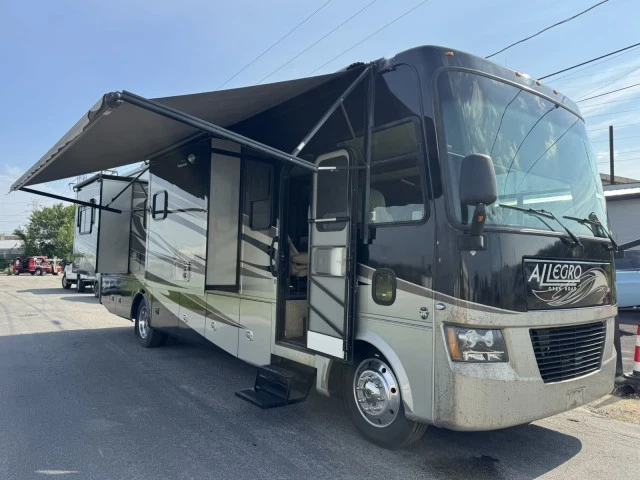
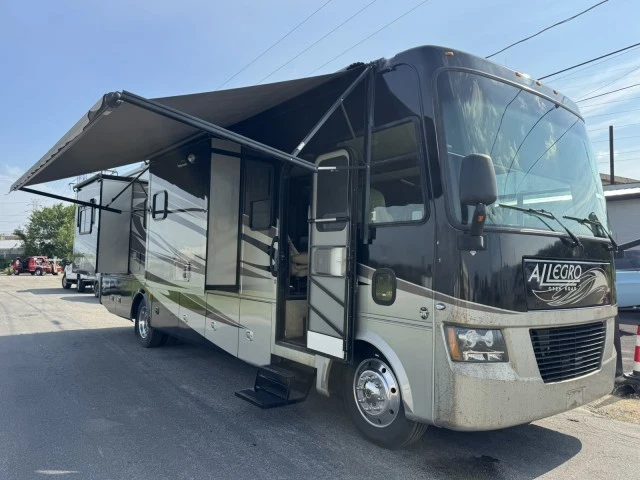
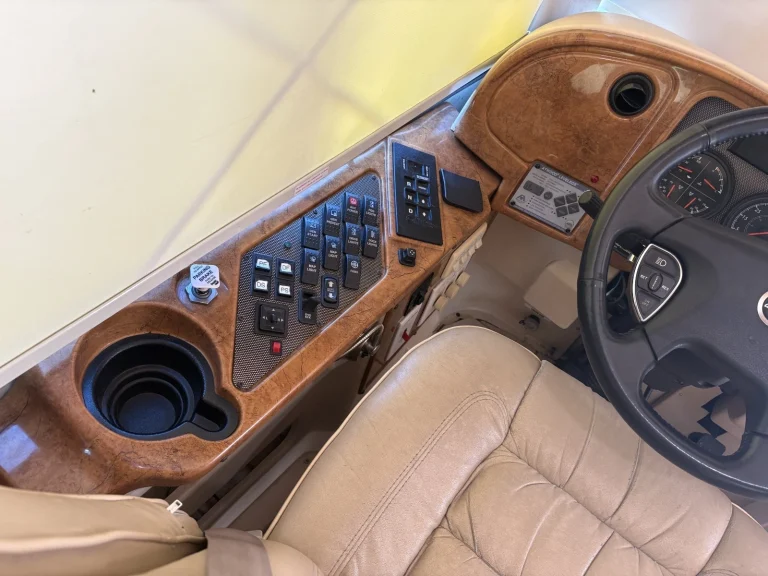
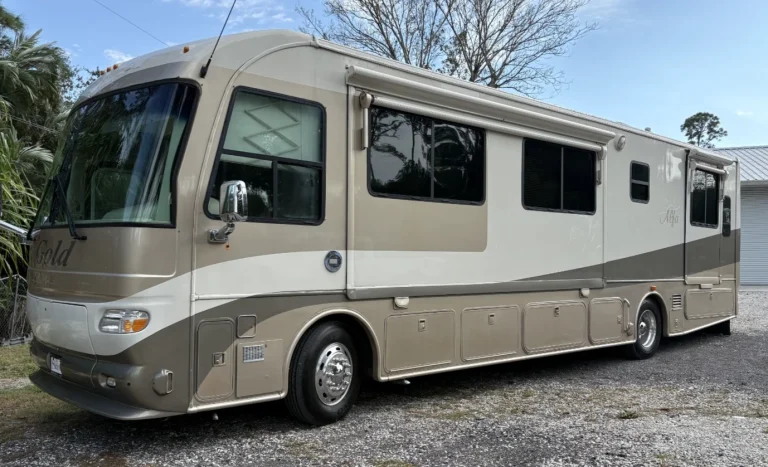
Motorhomes combine transportation and living quarters.
Camper vans offer compactness and easier maneuverability.
When comparing campers you can live in full time, each category has advantages.
Travel trailers may appeal to people who want more interior room.
Motorhomes can make frequent travel convenient.
Camper vans can be attractive for people who value mobility and simplicity.
Your choice depends on how you travel.
For some buyers, campers for full time living need to feel like a traditional home.
For others, the whole point is to keep things small and flexible.
There is no wrong answer.
There is only the option that works best for you.
How to Inspect an RV Before Buying
Never let excitement replace inspection.
Walk around the outside.
Check the roof.
Look at seams and seals.
Inspect the tires.
Open storage compartments.
Test doors and windows.
Inside, turn on appliances.
Run faucets.
Check lights.
Test heating and cooling where possible.
With used campers for full-time life, look carefully for signs of moisture.
Water damage can create serious problems.
Don’t be embarrassed to ask questions.
If the seller cannot explain maintenance history, that’s useful information.
A professional inspection may also be worth the cost.
When you’re spending significant money on campers you can live in full time, a careful inspection can protect your investment.
Take photographs during the inspection if appropriate.
Make notes.
Compare multiple RVs.
Don’t feel pressured to make a decision immediately.
The right campers for full-time life will still make sense after you’ve had time to think.
What Should You Bring Into Your RV?
One of the biggest adjustments to full-time RV life is learning how to live with less.
Start with essentials.
Clothing.
Kitchen basics.
Important documents.
Personal items.
Tools.
Cleaning supplies.
Technology.
Outdoor equipment.
When moving into campers you can live in full time, avoid filling every cabinet on day one.
Travel first.
Then notice what you’re missing.
Buy those things later.
This approach keeps the RV lighter and less cluttered.
It also makes it easier to move between locations.
For people living in campers for full-time life, organization is not just about appearance.
It saves time.
Everything should have a place.
When everything has a place, daily life becomes easier.
That’s one of the simplest ways to enjoy campers for full time living without feeling overwhelmed by a small space.
How to Make Small Spaces Feel Bigger
You don’t need a huge RV to feel comfortable.
Good organization makes a tremendous difference.
Use collapsible kitchen items.
Choose multi-purpose furniture.
Store rarely used items in less accessible areas.
Keep countertops clear.
Use vertical storage where appropriate.
When setting up campers you can live in full time, avoid unnecessary clutter.
A clean floor can make a small RV feel dramatically larger.
Natural light helps too.
Open windows when weather permits.
Keep frequently used items within easy reach.
The smartest campers for full-time life are supported by smart organization.
You can also create routines.
Clean as you cook.
Put things away immediately.
Do a quick reset each evening.
These habits make campers you can live in full time feel much more like a comfortable home.
Where Should You Shop?
Once you understand what you need, the actual shopping process becomes easier.
Start by comparing several layouts.
Don’t limit yourself to one manufacturer.
Look at new and used inventory.
Compare prices.
Review specifications.
Pay attention to condition.
If you’re browsing campers for full-time life, focus on practical value rather than flashy marketing language.
A camper should make sense for your budget and lifestyle.
Take your time comparing campers you can live in full time before committing.
If you’re shopping online, carefully review photographs, specifications, dimensions, and available information.
If possible, inspect the RV in person before buying.
For buyers searching for campers for full time living, a good seller should be willing to answer reasonable questions about the vehicle.
That transparency matters.
Common Mistakes Buyers Make
One common mistake is buying too much RV.
Another is buying too little.
Some buyers ignore storage.
Others forget towing requirements.
Some focus entirely on appearance.
Others underestimate maintenance.
These mistakes can be avoided.
Before buying campers for full-time life, make a checklist.
Write down your must-have features.
Then list the features you would simply enjoy having.
Don’t confuse the two.
The right campers you can live in full time should satisfy your important requirements without unnecessarily increasing the price.
Another mistake is rushing.
RV purchases can be emotional.
You may see a beautiful interior and immediately imagine yourself living there.
Pause.
Think.
Inspect.
Compare.
That’s how you find campers for full-time life that work in real life rather than only in your imagination.
The Freedom of Full-Time RV Living
There is something special about waking up and knowing your home can move.
You can change scenery.
You can explore new places.
You can spend more time outdoors.
You can simplify your belongings.
You can create a lifestyle that doesn’t look like the traditional version of homeownership.
That’s the appeal behind campers you can live in full time.
But full-time RV living isn’t a permanent vacation.
There are chores.
Maintenance.
Weather.
Driving days.
Laundry.
Shopping.
Unexpected repairs.
That honesty matters.
The people who enjoy campers for full-time life tend to understand that freedom comes with responsibility.
You have to manage your space.
You have to plan.
You have to maintain your equipment.
But for many people, the tradeoff is worth it.
The right campers for full time living can turn an ordinary vehicle into a comfortable base for an extraordinary lifestyle.
FAQs About Campers for Full Time Living
Are campers suitable for full-time living?
Yes, many RVs are designed or well-suited for extended and full-time occupancy. The important thing is matching the layout, systems, storage, and amenities to your lifestyle. Campers you can live in full time can work especially well when buyers choose based on everyday needs rather than occasional trips.
What size camper is best for full-time living?
There is no universal answer. Couples may be comfortable in smaller models, while families often need additional sleeping and storage space. The best campers for full-time life provide enough usable space without becoming unnecessarily difficult or expensive to operate.
Can you live in a camper year-round?
Many people do. However, climate, insulation, heating, cooling, water systems, campground availability, and local regulations can affect the experience. Good campers you can live in full time should be selected according to the environments where you expect to spend most of your time.
Are used campers good for full-time living?
A well-maintained used RV can be an excellent option. Condition and maintenance history are extremely important. Before purchasing used campers for full-time life, inspect the roof, seals, appliances, plumbing, electrical systems, tires, and other major components.
What should I look for in a full-time camper?
Start with floor plan, sleeping arrangements, storage, kitchen space, bathroom design, climate control, electrical capacity, water systems, and overall condition. When comparing campers you can live in full time, also consider towing requirements, maintenance costs, and your intended travel style.
Are camper vans good for full-time living?
Camper vans can work very well for people who value mobility and simplicity. They’re generally more compact than larger RVs, which can make them easier to drive and park. However, buyers considering campers for full time living should make sure the smaller space works with their daily routine.
How much does full-time RV living cost?
Costs vary widely. Your budget may include the RV payment or purchase price, insurance, fuel, campground fees, food, maintenance, repairs, registration, and other living expenses. Before buying campers for full-time life, calculate your expected monthly costs realistically.
Should I buy a new or used camper?
Both can make sense. New RVs may provide newer designs and features, while used RVs can offer attractive value. The most important factor is whether the vehicle meets your needs and is in suitable condition. Compare campers you can live in full time based on total value rather than age alone.
Can I work remotely from a camper?
Yes, many people work remotely while traveling. You’ll need a suitable workspace, reliable connectivity, comfortable seating, and enough electrical capacity for your equipment. When choosing campers for full-time life, remote workers should test the workspace before making a purchase.
Final Thoughts: Choose a Camper You Can Actually Live In
Buying an RV for full-time living is a major decision.
You’re not just choosing an engine, trailer, floor plan, or collection of features.
You’re choosing your everyday environment.
That’s why the best campers you can live in full time are the ones that make ordinary life easier.
Look beyond the photographs.
Look beyond the glossy brochure.
Open the cabinets.
Test the bathroom.
Sit on the bed.
Imagine cooking dinner.
Imagine working on a rainy afternoon.
Imagine storing everything you need.
Then ask yourself one simple question:
Could I genuinely feel at home here?
If the answer is yes, you’re getting close.
The right campers for full-time life can provide comfort, flexibility, and the freedom to take your home wherever the road leads.
Take your time.
Compare your options.
Check the condition.
Understand the costs.
And choose a camper that fits the life you actually want—not someone else’s version of it.
For anyone searching for campers for full time living, the journey starts with finding the right match between space, budget, comfort, mobility, and personal priorities.
Once you find that balance, full-time RV living can become much more than a way to travel.
It can become home.
Related guides
- Lightweight Campers for Sale: The Field Guide to Choosing the Right Camper for Your Vehicle and Lifestyle
- Campers for Sale Near Me: A Practical Local Guide to Finding the Right Camper
- Camper Dealers Near Me: A Smart Buyer’s Guide to Finding the Right Camper
- Budget Campers for Sale: How to Find an Affordable Camper That Is Actually Worth Buying
Browse more in Campers for Sale or see all buying guides.