RVs for Weekend Camping: 15 Smart Ways to Pick the Right RV
Not every vacation needs a week-long itinerary.
Sometimes you just need Friday afternoon to arrive.
You leave work, load the cooler, grab a few bags, and point the vehicle toward somewhere quieter.
Maybe that means a lake.
Maybe it is a forest campground.
Maybe it is a beach a few hours away.
Maybe it is simply a peaceful place where you can sit outside without hearing traffic.
That is where RVs for weekend camping really make sense.
You get a comfortable place to sleep without booking a hotel.
You have somewhere to cook.
You can bring more gear.
And, best of all, you can change your surroundings without giving up the basic comforts of home.
But there is a mistake many first-time buyers make.
They shop for the RV they imagine owning instead of the RV they will actually use.
A huge motorhome may look amazing.
A luxury interior may catch your eye.
A long list of features may sound impressive.
But if you only have two days available, what really matters?
Easy setup.
Comfortable sleeping.
Reliable equipment.
Enough storage.
A practical kitchen.
And a vehicle that does not turn every short getaway into a complicated operation.
If you are looking at RVs for weekend camping, this guide will help you narrow down your options and make a purchase that fits your real weekends.
Why Weekend RV Camping Is So Popular
There is something refreshing about knowing you can leave without planning an enormous vacation.
You do not have to wait for annual leave.
You do not have to spend hours researching hotels.
You do not have to pack your entire life into a suitcase.
With the right RV, your weekend can be surprisingly simple.
Friday evening can be the beginning of the adventure.
Saturday becomes your main day outdoors.
Sunday gives you enough time to enjoy breakfast, take one last walk, and head home.
That is why weekend RVs appeal to couples, families, retirees, outdoor enthusiasts, and people who simply want a change of scenery.
The RV becomes part of the freedom.
1. Decide What Your Weekends Actually Look Like
Before comparing RVs for weekend camping, think about your typical trip.
Are you driving three hours to a campground?
Are you traveling to hiking trails?
Do you spend most of your time outside?
Are you bringing children?
Do you like cooking at the campsite?
Do you need a private bathroom?
Do you prefer remote camping?
The answers matter.
An RV designed for a family of six may be unnecessary for a couple.
A small camper may be perfect for two people but frustrating for a family.
Someone who spends all day hiking may care more about a comfortable bed than a giant kitchen.
Someone who enjoys relaxing inside during rainy weather may want more living space.
Start with your lifestyle.
Then look at RVs.
2. Don’t Automatically Buy the Biggest RV
It is easy to fall into the “bigger is better” trap.
Walk into a large RV and the extra space feels fantastic.
There is a big sofa.
A spacious kitchen.
A large bathroom.
Multiple beds.
Plenty of storage.
It looks like the ultimate camping experience.
Then reality arrives.
Larger RVs can cost more to operate.
They may require more fuel.
They can be harder to maneuver.
They need more storage space.
Some campsites cannot accommodate them.
That does not mean large RVs are bad.
It means you should choose size intentionally.
For many buyers, smaller RVs for weekend camping offer an excellent balance between comfort and convenience.
3. Think About Your Tow Vehicle
If you are considering a travel trailer or another towable RV, start with the vehicle you already own.
Find out its actual towing capacity.
Then look at the RV’s loaded weight.
Do not compare your vehicle’s maximum towing number with the RV’s empty or dry weight and assume everything will be fine.
Real camping adds weight.
Water.
Food.
Clothes.
Batteries.
Camping equipment.
Tools.
Passengers.
Outdoor gear.
All of it counts.
A properly matched combination makes driving easier and reduces unnecessary stress.
When comparing RVs for weekend trips, towing compatibility should be one of your first filters, not something you investigate after finding your dream floor plan.
4. Think About Setup Time
Weekend camping is different from extended RV travel.
You have limited time.
If you arrive Friday night and spend an hour wrestling with complicated equipment, you have already lost a significant portion of your weekend.
That makes setup time surprisingly important.
Look for practical systems.
Easy leveling.
Accessible storage.
Simple hookups.
Straightforward awnings.
Convenient lighting.
Easy-to-convert beds.
The best RVs for weekend camping should help you start enjoying the campsite quickly.
You should not need an engineering degree every time you arrive.
5. Sleeping Comfort Matters
Here is something buyers sometimes overlook.
You can tolerate a small kitchen.
You can tolerate a modest bathroom.
You can survive without a giant television.
But sleeping badly can ruin an otherwise excellent weekend.
When viewing RVs for weekend camping, inspect the beds carefully.
Check mattress size.
Check headroom.
Look at the sleeping position.
If the bed converts from a dining area, try the conversion process.
Imagine doing it when you are tired.
If children are coming along, make sure their sleeping spaces are genuinely practical.
Do not rely entirely on the advertised sleeping capacity.
“Sleeps six” does not necessarily mean six adults will be comfortable.
6. Kitchen Size Should Match Your Cooking Style
Do you actually plan to cook inside?
Or will you mostly use a grill outside?
Your answer can save you money and space.
If you rarely cook indoors, you may not need a large kitchen.
If breakfast, lunch, and dinner will all happen inside the RV, counter space and storage become more important.
When comparing RVs for weekend camping, inspect the refrigerator.
Look at cabinet space.
Check the cooking surface.
See where dishes and utensils will go.
Think about the meals you normally make.
A kitchen should work for your habits.
Not someone else’s.
7. Storage Becomes Important Very Quickly
At home, you may not realize how much stuff you take camping.
Then you start packing.
Clothing.
Shoes.
Food.
Coolers.
Camping chairs.
Cooking equipment.
Hiking gear.
Fishing equipment.
Games.
Tools.
Blankets.
Chargers.
Emergency supplies.
Suddenly, the RV does not seem quite so spacious.
That is why storage should be high on your list when reviewing weekend RVs.
Open the cabinets.
Check underneath the bed.
Look inside exterior compartments.
See whether storage spaces are actually usable.
A huge cabinet with an awkward opening may be less useful than a smaller, well-designed compartment.
8. Do You Need a Bathroom?
There is no universal answer.
Some campers would never buy an RV without a private bathroom.
Others are perfectly happy using campground facilities.
Think about where you plan to stay.
Developed campgrounds usually have bathrooms.
Remote camping is a different story.
If you frequently camp away from facilities, having a toilet onboard can become extremely valuable.
A bathroom also adds convenience when children are traveling.
On the other hand, removing a bathroom can free up valuable interior space.
This is one area where your personal camping style should make the decision.
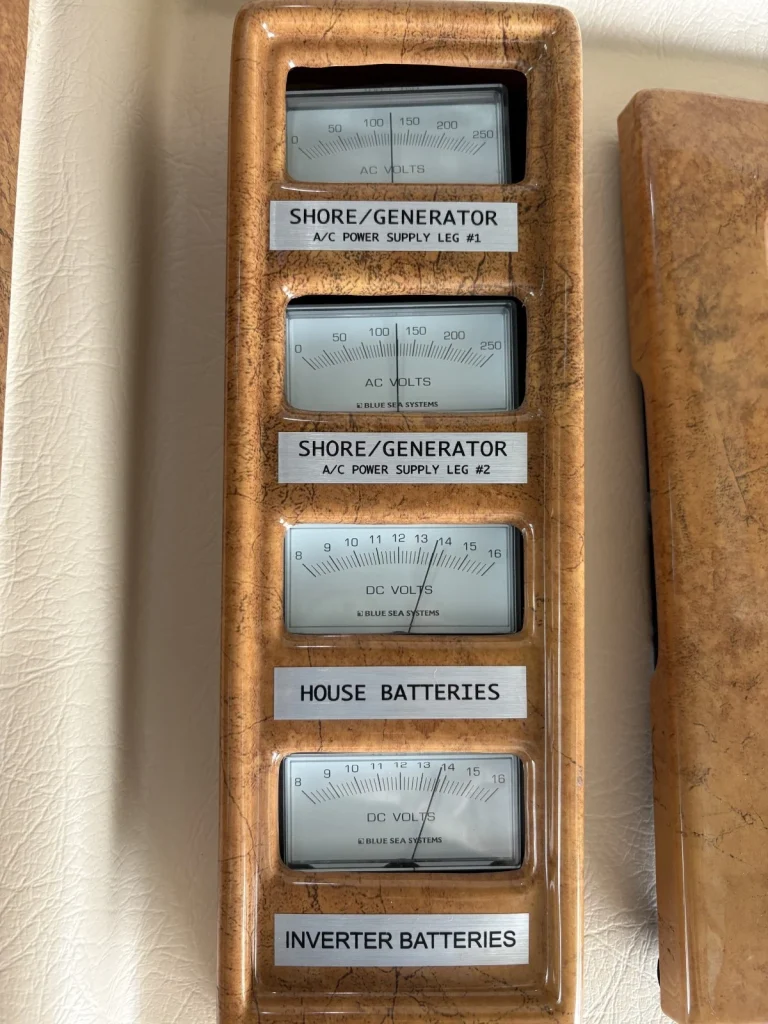
9. Consider Solar and Battery Power
Not every weekend requires campground electricity.
You may occasionally find yourself at a site without hookups.
That is when a good electrical system becomes useful.
When examining RVs for weekend camping, ask about solar capacity and battery storage.
Solar panels generate electricity.
Batteries store it.
An inverter can provide AC power for compatible equipment.
But remember that having solar does not mean you can run every appliance indefinitely.
Air conditioning, microwaves, coffee makers, electric heaters, and other high-demand appliances can consume substantial power.
Think about what you actually need.
If you mainly want lights, phone charging, a refrigerator, and basic electronics, your requirements may be modest.
10. Don’t Forget Freshwater
A weekend sounds short.
Water can disappear faster than expected.
Drinking.
Cooking.
Washing dishes.
Brushing teeth.
Showering.
Cleaning.
All of these activities add up.
When comparing RVs for weekend camping, check freshwater tank capacity.
But do not simply choose the largest tank.
Remember the weight.
Water is heavy.
A larger tank gives you more independence but adds to your total vehicle weight.
For many weekend campers, the goal is finding a sensible balance.
11. Check the Weather Protection
A sunny forecast is not a guarantee.
Weather can change.
A storm can roll in unexpectedly.
A cold night can make a poorly insulated RV uncomfortable.
When inspecting RVs for weekend camping, check windows, doors, seals, roof condition, ventilation, and insulation.
Look for signs of previous leaks.
Check ceiling corners.
Inspect around windows.
Pay attention to unusual smells.
Water damage is one of the problems you do not want to discover after buying a used RV.
12. Look at the RV’s Tires and Mechanical Systems
A beautiful interior can distract you from what is happening underneath.
Do not let it.
If you are considering used RVs for weekend trips, inspect the tires carefully.
Check their condition and age.
Look at the wheels.
Inspect suspension components.
Check brakes where applicable.
Look underneath for obvious damage or corrosion.
For motorhomes, review the engine and transmission history as well.
Ask about servicing.
Ask about repairs.
Ask for maintenance records when available.
A well-maintained RV is usually a much safer purchase than one that has simply been cleaned up for sale.
13. Pay Attention to Maintenance History
An RV that has been cared for properly can provide years of enjoyable weekend trips.
An RV that has been neglected can quickly become expensive.
Ask when the roof was last inspected.
Ask about resealing.
Ask when the tires were replaced.
Ask about batteries.
Ask whether appliances have been serviced.
Ask whether the plumbing has experienced leaks.
Ask whether the RV has been stored indoors or outdoors.
Good records can tell you a lot.
They also give you a clearer idea of upcoming maintenance.
14. Choose Features You Will Actually Use
Modern RVs can come with an incredible number of features.
Large televisions.
Multiple entertainment systems.
Luxury showers.
Fancy kitchen appliances.
Electric recliners.
Advanced climate systems.
Smart controls.
Some buyers love those things.
Others barely use them.
When comparing RVs for weekend camping, ask yourself whether a feature improves your trips or simply makes the brochure more impressive.
For short trips, practical features often provide more value.
Good storage.
Comfortable beds.
Reliable heating.
Useful lighting.
Easy setup.
A functional kitchen.
Those are the things you are likely to appreciate repeatedly.
15. Think About Where You Will Store the RV
You found the perfect RV.
There is just one problem.
Where are you going to put it?
Before purchasing RVs for weekend camping, consider storage.
Can it fit in your driveway?
Is the driveway wide enough?
Are there height restrictions?
Will local regulations allow RV storage at home?
If not, how much will commercial storage cost?
Storage is an ongoing ownership expense.
It should be part of your budget from day one.
Travel Trailer vs. Motorhome for Weekend Trips
This is one of the biggest decisions buyers face.
A travel trailer can be particularly convenient if you already own a capable tow vehicle.
Once you arrive, you can disconnect the trailer and use the vehicle for exploring.
That can be extremely useful.
You can drive into town for groceries.
Visit a nearby trail.
Explore local attractions.
Then return to your campsite.
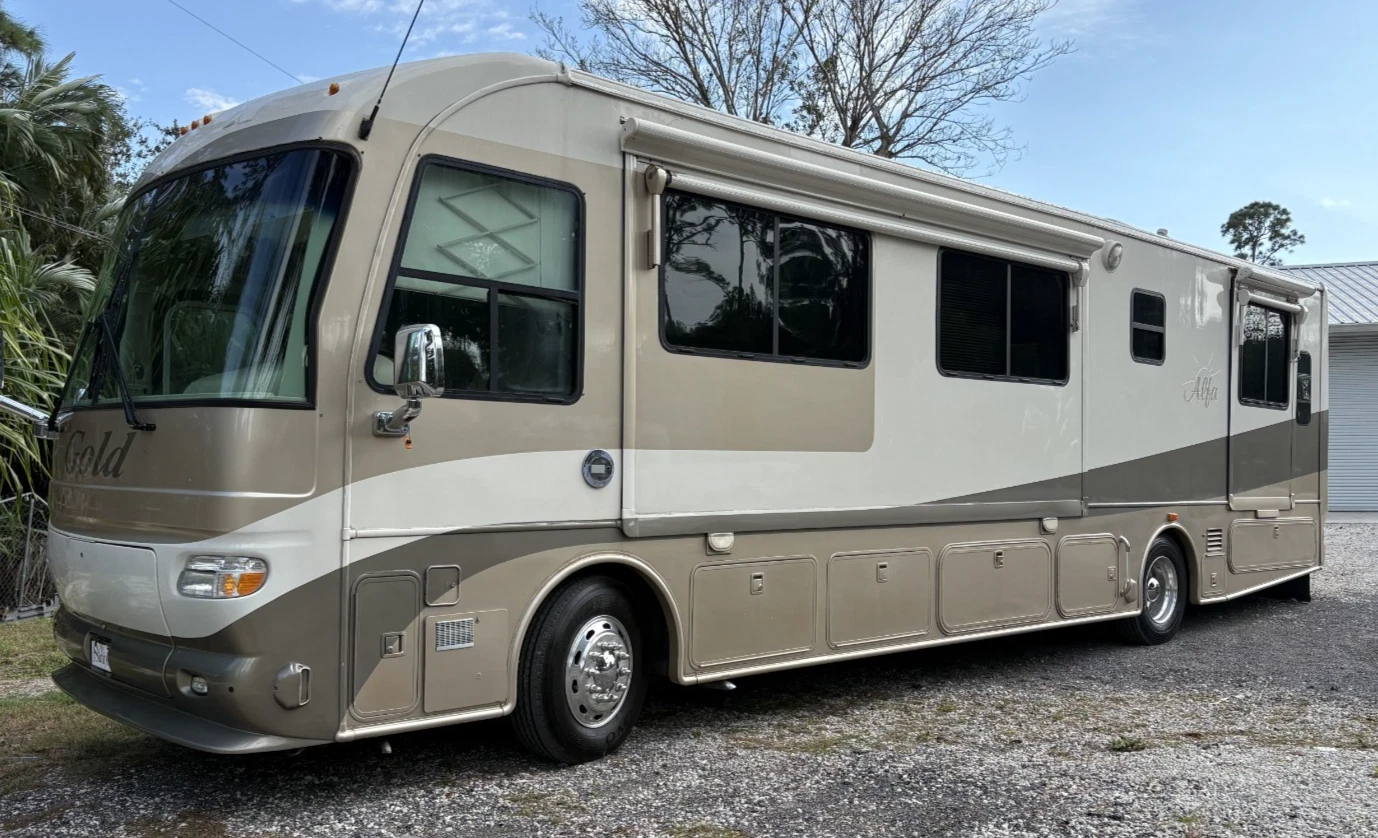
A motorhome provides a different experience.
Your living space and vehicle are combined.
That can make travel convenient, especially for people who prefer an all-in-one setup.
However, motorhomes have their own maintenance requirements because you are maintaining both the living structure and the vehicle.
When comparing RVs for weekend camping, consider which arrangement feels more natural to you.
Class B RVs for Short Getaways
Class B motorhomes are often attractive to weekend travelers because of their compact size.
They can be easier to drive through towns.
They can fit into smaller spaces.
They are often suitable for couples or solo travelers.
The trade-off is interior space.
You will not get the same amount of room as a large Class A.
For someone who spends most of the weekend outdoors, that may not matter.
In fact, it may be exactly what they want.
Class C RVs for Families
Class C motorhomes can offer a useful middle ground.
They generally provide more living space than many compact RVs while remaining easier to handle than some larger motorhomes.
Families may appreciate the additional sleeping arrangements.
Storage can also be useful.
However, always consider fuel consumption, parking, and maintenance before purchasing.
The ideal choice depends on how frequently you travel and how many people join you.
Pop-Up Campers for Simple Weekends
Sometimes you do not need a complicated RV.
A pop-up camper can provide a straightforward way to enjoy the outdoors while keeping towing and storage requirements manageable.
They can be particularly appealing for occasional campers.
However, setup is part of the experience.
Before buying, practice opening and closing the camper.
Inspect the canvas.
Check zippers.
Look for mildew.
Check for leaks.
Used pop-ups deserve the same careful inspection as any other recreational vehicle.
How Much Should You Spend?
There is no universal budget for weekend RVs.
You can find simple used units at relatively affordable prices.
You can also spend a substantial amount on a new luxury RV.
The important thing is not to spend every dollar on the purchase itself.
Leave room for ownership costs.
Think about:
- Insurance
- Registration
- Maintenance
- Tires
- Repairs
- Storage
- Hitch equipment
- Camping accessories
- Solar upgrades
- Bedding
- Kitchen equipment
- Emergency supplies
The purchase price is only the beginning.
New vs. Used RVs
New RVs can provide modern interiors, newer technology, updated layouts, and manufacturer support.
But new does not automatically mean problem-free.
A proper inspection still makes sense.
Used RVs can provide excellent value.
A previous owner may already have installed solar panels, upgraded batteries, better tires, additional storage, or other useful equipment.
That means you can sometimes get a better-equipped RV for your money.
The key is condition.
Do not buy a used RV simply because the price is attractive.
Look at the history.
Inspect the systems.
Understand the upgrades.
And, when possible, have the RV professionally inspected.
How to Compare Different RVs
Imagine you have narrowed your search down to three RVs for weekend camping.
They all look good.
They all fit your budget.
How do you choose?
Create a simple comparison.
Size
Which one provides enough room without unnecessary bulk?
Weight
Which one works with your tow vehicle or driving preferences?
Sleeping
Which one gives everyone a comfortable place to sleep?
Storage
Which one can hold your normal camping equipment?
Power
Which one meets your electricity needs?
Water
Which one offers enough capacity for your trips?
Condition
Which one has the strongest maintenance history?
Cost
Which one gives you the best overall value?
Do not automatically choose the newest.
Choose the one that best fits your life.
Weekend Camping Doesn’t Need to Be Complicated
One of the best things about RVs for weekend camping is that they can simplify the process.
Your bedding can stay inside.
Your cooking equipment can stay packed.
Your chairs can remain in storage.
You can keep basic supplies ready.
Then Friday comes.
Load the food.
Grab your clothes.
Hook up.
Go.
That is the real advantage of owning an RV for short trips.
The less preparation required, the more likely you are to actually use it.
How to Make Your RV Weekend More Comfortable
Small improvements can make a huge difference.
Keep a permanent set of kitchen utensils inside.
Have dedicated camping bedding.
Store basic tools onboard.
Keep a first-aid kit available.
Create a checklist before every trip.
Charge batteries before leaving.
Check tire pressure.
Fill the water tank according to your travel needs.
Check the weather.
And leave some room for spontaneity.
Not every weekend needs an itinerary.
Sometimes the best memories happen when you turn down a road simply because it looks interesting.
What to Pack
Your exact list depends on the trip, but most weekend campers should consider:
- Clothes
- Food
- Drinking water
- Cooking supplies
- Bedding
- Toiletries
- Flashlights
- Phone chargers
- Basic tools
- First-aid supplies
- Outdoor chairs
- Weather gear
- Personal medications
- Emergency supplies
Keep your packing list simple.
After a few trips, you will discover which items you actually use.
Mistakes to Avoid When Buying
Buying for Your Fantasy Lifestyle
Maybe you imagine taking month-long road trips every year.
But if your schedule realistically allows four weekends, buy for those four weekends.
Ignoring Towing
A camper is not a good deal if your vehicle cannot comfortably tow it.
Overlooking Storage
A camper can feel enormous until you start packing.
Skipping the Inspection
Especially with used RVs, inspection is essential.
Spending Too Much on Unnecessary Features
Luxury is nice.
Practicality is better when you only have two days.
Forgetting Storage Costs
Know where the RV will live when you are not traveling.
How to Choose an RV for a Couple
Couples often have more flexibility when choosing RVs for weekend camping.
You may not need multiple bedrooms.
You may not need a huge dining area.
A compact layout can work beautifully.
Prioritize a comfortable bed.
Choose a kitchen you will actually use.
Make sure there is enough storage.
Consider a bathroom if you enjoy remote camping.
Most importantly, make sure both people agree on the layout.
A camper that feels perfect to one person can feel cramped to another.
How to Choose an RV for a Family
Families should think about space differently.
Children need room for clothes, toys, shoes, and outdoor equipment.
Sleeping arrangements matter.
Bathroom access can be important.
Storage becomes even more valuable.
When viewing RVs for weekend trips, imagine everyone inside during bad weather.
Could everyone sit comfortably?
Could everyone sleep?
Could you prepare a meal without getting in each other’s way?
If the answer is yes, you may have found a strong candidate.
The Best RV Is the One You Will Actually Use
This is probably the most important advice in the entire article.
Do not buy an RV that spends most of its life parked because it is too difficult to use.
An enormous RV might be incredible on a month-long trip.
But if you dread preparing it for a two-night getaway, it may not be right for you.
A smaller RV that gets used every other weekend can provide far more value.
That is the beauty of RVs for weekend camping.
The experience does not have to be complicated.
FAQs About RVs for Weekend Camping
What type of RV is best for weekend camping?
The best RV depends on your group size, budget, travel distance, and preferred camping locations. Small travel trailers, Class B motorhomes, Class C RVs, and pop-up campers can all work well for weekend trips.
Are small RVs good for weekend camping?
Yes. Smaller RVs can be easier to drive, tow, park, store, and set up. They are particularly attractive to couples and solo travelers.
Should I buy a travel trailer or motorhome?
If you already own a capable tow vehicle, a travel trailer can be practical. A motorhome may be more convenient if you prefer an all-in-one vehicle.
Do I need solar for weekend camping?
Not necessarily. Solar is most useful when you camp without electrical hookups. If you usually stay at powered campsites, it may be less important.
How much does an RV cost?
Prices vary dramatically based on size, age, condition, brand, and equipment. Used RVs can be considerably less expensive than new models, while luxury RVs can cost substantially more.
Is buying a used RV worth it?
Yes, when the RV has been properly maintained. Used RVs can offer excellent value, especially when they already include upgrades.
What should I inspect before buying a used RV?
Check the roof, seals, floors, walls, tires, plumbing, electrical system, appliances, batteries, suspension, and maintenance history. Water damage deserves particular attention.
How many people can sleep in an RV?
The advertised sleeping capacity varies by model. Always inspect the actual sleeping spaces and consider whether the layout will remain comfortable for your group.
Are RVs difficult to drive?
Driving difficulty depends on the RV’s size and your experience. Smaller RVs are generally easier to maneuver, while larger models require more attention to turning, parking, height, and clearance.
Can I use an RV for only weekend trips?
Absolutely. In fact, short trips are one of the best reasons to own an RV. Keeping basic equipment inside can make spontaneous weekend travel much easier.
Final Thoughts
You do not need a long vacation to feel like you have escaped.
Sometimes a Saturday morning beside a lake is enough.
Sometimes it is a campfire after a long hike.
Sometimes it is waking up somewhere quiet, making coffee, and realizing you have nowhere to be for the next few hours.
That is what makes RVs for weekend camping so appealing.
They turn ordinary weekends into opportunities.
But the RV itself should not become a burden.
Choose something you can comfortably drive or tow.
Choose a layout that works for the people traveling with you.
Choose enough storage for your gear.
Choose the features you will actually use.
Inspect used RVs carefully.
Understand the ongoing costs.
And think about where you will store the RV when the weekend is over.
Most importantly, buy for your real life.
If you only have two days, you need an RV that makes those two days count.
The perfect RV is not necessarily the largest one sitting on a dealership lot.
It may be the compact trailer that you can hitch up on Friday evening.
It may be the small motorhome that fits easily into your favorite campground.
It may be the used RV with a few practical upgrades that gives you everything you need without stretching your budget.
When you find the right match, something wonderful happens.
Going camping becomes easier.
You stop waiting for the perfect vacation.
You start looking at ordinary weekends differently.
Friday becomes an opportunity.
Saturday becomes an adventure.
Sunday becomes one last cup of coffee before heading home.
And then, a few days later, you start wondering where you should go next.
That is the real value of RVs for weekend camping.
Not the number of features.
Not the size of the television.
Not how impressive the RV looks parked in the driveway.
It is the freedom to say, “Let’s go,” and actually mean it.
Related guides
- RVs Under $20,000: A Smart Buyer’s Guide to Finding an Affordable RV
- Used RVs for Sale by Owner: How to Find a Great RV Without Overpaying
- How to Finance RVs For Sale with Bad or Good Credit
- RVs Ready for Camping: 25 Practical Ways to Find an RV You Can Take on the Road
Browse more in RVs for Sale or see all buying guides.