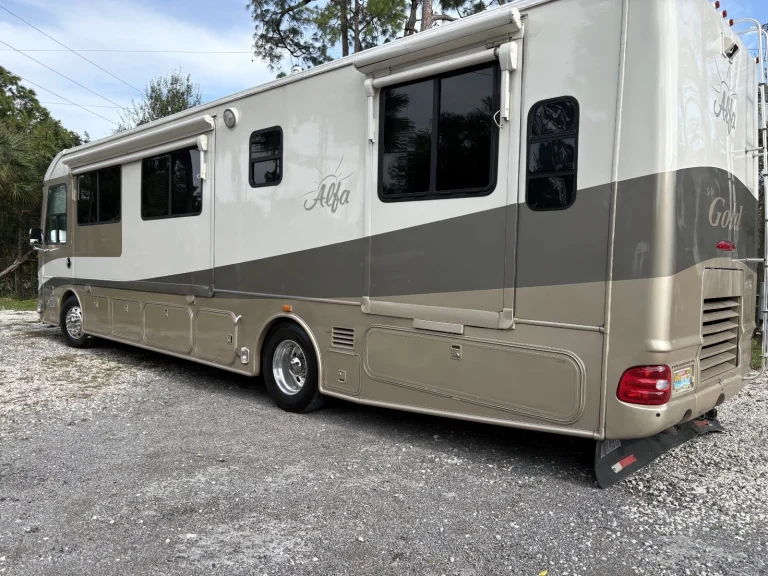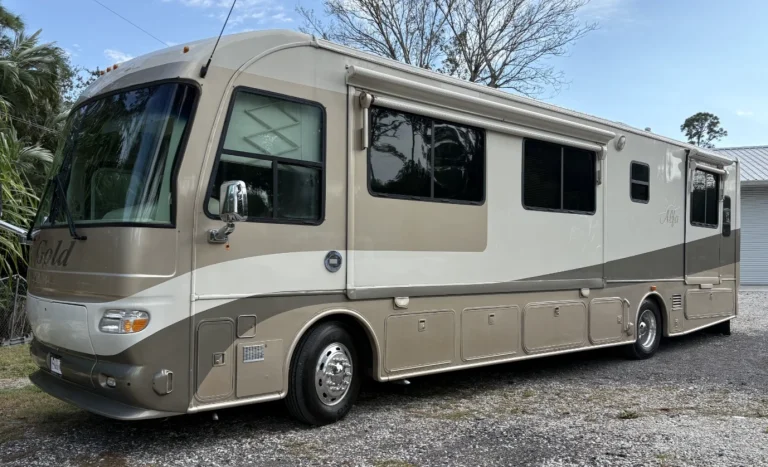
Used RVs for Sale: The Smart Buyer’s Guide to Finding a Great RV Without Overspending
Buying an RV can feel like a big decision.
You are not just buying another vehicle.
You are buying a place where you can sleep after a long drive, prepare breakfast beside a lake, relax after a day on the road, and create memories with the people who matter to you.
That is exactly why shopping for used RVs for sale deserves some thought.
A used RV can offer something that a brand-new model often cannot: value.
Someone else may have already absorbed the biggest part of the initial depreciation.
The RV may already have useful upgrades.
It may come with accessories that would cost hundreds or thousands to add yourself.
But there is another side to buying used.
You need to know what you are looking at.
A clean interior does not necessarily mean the RV has been well maintained.
A low odometer reading does not automatically mean the vehicle is mechanically excellent.
And a cheap asking price is not always a bargain.
The smartest buyers take their time.
They compare different used RVs for sale, inspect carefully, ask uncomfortable questions, and calculate what ownership will really cost.
This guide takes a practical approach to the entire process.
Why Buying Used Can Make Sense
There is a simple reason many travelers search for used RVs instead of buying new.
Price.
New RVs can be expensive, particularly when they include upgraded appliances, luxury interiors, advanced technology, and larger floor plans.
A used RV may provide many of those same features for considerably less money.
That can leave more of your budget available for travel.
Instead of spending every dollar on the RV itself, you may have money left for fuel, camping fees, maintenance, upgrades, and future adventures.
That is one of the biggest advantages of looking at used RVs on the market.
You can potentially get more RV for your money.
But value depends heavily on condition.
A well-maintained older RV can be a great purchase.
A neglected RV can become a money pit.
The difference is often found during the inspection.
Start With Your Travel Plans
Before browsing used RVs for sale, decide what kind of traveler you are.
This sounds obvious.
It is also one of the most important steps.
Think about where you want to go.
Think about how many people will travel with you.
Think about whether you prefer short weekend trips or long journeys.
Do you need a full bathroom?
Would you like a large kitchen?
Do you need multiple beds?
Will you bring children?
Will you bring pets?
Will you work remotely?
Your answers should influence the RV you choose.
A couple who mostly takes weekend trips may be perfectly happy with a compact model.
A family may need more sleeping space and storage.
Someone planning extended travel may prioritize a comfortable living area, reliable appliances, and plenty of storage.
When comparing used RVs, your lifestyle should come before the shopping list.
Know the Main Types of RVs
The term “RV” covers a lot of different vehicles and trailers.
Understanding the basic categories makes shopping easier.
Class A RVs
Class A models are generally large motorhomes.
They often provide spacious interiors, full kitchens, bathrooms, bedrooms, and substantial storage.
They can be excellent for long-distance travel and extended stays.
However, their size can make them more difficult to drive and store.
When looking through used RVs for sale, consider whether you genuinely need that much space.
Class B RVs
Class B motorhomes are generally built on van platforms.
They are smaller and often easier to maneuver.
They can be attractive for couples and travelers who want mobility.
Class C RVs
Class C motorhomes are recognizable by their cab-over sleeping area.
They can offer a useful combination of living space and drivability.
Families often appreciate their practical layouts.
Travel Trailers
Travel trailers are towable RVs.
They come in many sizes and floor plans.
Their major advantage is that the tow vehicle can be disconnected when you arrive at a campsite.
Fifth Wheels
Fifth wheels use a special hitch mounted in the bed of a pickup truck.
They often provide impressive interior space.
When browsing used RVs on the market, understanding these categories helps you narrow your search quickly.
Decide on a Realistic Budget
Do not begin with the question, “What is the cheapest RV I can find?”
Start with:
“What can I comfortably afford to own?”
That is a much better question.
When comparing used RVs for sale, remember that the purchase price is only one expense.
You may also have to pay for:
- Insurance
- Registration
- Fuel
- Maintenance
- Repairs
- Tires
- Batteries
- Storage
- Hitch equipment
- Generator service
- Camping fees
You should ideally have money left after purchasing the RV.
An emergency repair should not completely destroy your budget.
Consider the Total Cost of Ownership
A low purchase price can be attractive.
But imagine buying an inexpensive RV and immediately discovering that it needs tires, batteries, brakes, roof work, and appliance repairs.
The “cheap” RV may no longer be cheap.
When comparing used RVs, estimate the likely cost of getting each one ready for the road.
This gives you a more realistic comparison.
Sometimes paying more for a well-maintained RV is actually the less expensive choice.
Decide Whether You Want Motorized or Towable
This is another major decision.
A motorized RV gives you the convenience of having your living space and engine in one unit.
A towable RV requires a suitable truck or SUV.
Each approach has advantages.
With towables, you can disconnect the trailer at camp and use the tow vehicle for local trips.
With motorhomes, you have everything together.
Think about your normal travel routine.
When comparing used RVs on the market, choose the format that fits your driving and camping habits.
If You Tow, Check Your Vehicle
This is especially important for used travel trailers and fifth wheels.
Do not guess about towing capacity.
Check your vehicle’s specifications.
Look at:
- Maximum towing capacity
- Payload capacity
- Gross vehicle weight rating
- Hitch requirements
- Axle ratings
Remember that a trailer becomes heavier once loaded.
Water, food, luggage, batteries, propane, tools, and camping equipment all contribute to the final weight.
The safest setup is one where the tow vehicle and RV are properly matched.
Ask About the RV’s History
When looking at used RVs for sale, ask questions.
Lots of questions.
How long has the seller owned it?
Why are they selling?
How often was it used?
Where was it stored?
Was it stored outside?
Has it ever leaked?
Has it been involved in an accident?
Have major appliances been replaced?
Have there been electrical problems?
Has the roof been resealed?
The answers can reveal important information.
Maintenance Records Matter
A folder full of maintenance records can be reassuring.
When evaluating used RVs, ask for documentation whenever possible.
Look for records involving:
- Engine service
- Oil changes
- Transmission maintenance
- Brake work
- Tire replacement
- Roof maintenance
- Generator service
- Appliance repairs
- Battery replacement
- Plumbing repairs
Records do not guarantee perfection.
They do, however, show how the RV has been treated.
Inspect the Roof First
The roof is one of the most important areas to inspect.
When viewing used RVs for sale, examine the roof carefully if it is safe to do so.
Look around vents.
Check skylights.
Inspect air-conditioning units.
Look at antennas.
Examine seams and edges.
Search for cracked or deteriorated sealant.
Then inspect the interior ceiling underneath those areas.
Look for:
- Stains
- Discoloration
- Bubbling
- Soft areas
- Musty smells
Water intrusion can create expensive structural problems.
Do not ignore it because the interior looks beautiful.
Check the Walls
Walk slowly through the RV.
When inspecting used RVs on the market, look around windows, doors, slide-outs, roof openings, and plumbing areas.
Look for unusual softness.
Check for bubbling.
Look for discoloration.
Pay attention to unusual smells.
A small cosmetic mark is not necessarily a serious concern.
Repeated signs of moisture deserve much more attention.
Walk Every Inch of the Floor
The floor should feel solid.
When examining used RVs for sale, walk through the entire living space.
Check near the kitchen.
Check the bathroom.
Check around doors.
Look beneath cabinets where practical.
A soft or spongy floor can indicate moisture damage or structural problems.
If something feels wrong, investigate it.
Inspect Slide-Outs
Slide-outs add valuable living space.
They also have seals and mechanical components that require maintenance.
When viewing used RVs, operate every slide-out if possible.
Listen for unusual noises.
Watch how it moves.
Check the seals.
Inspect the floor around the slide.
Look for signs of water intrusion.
A slide that does not operate correctly should be professionally evaluated.
Examine the Exterior
Walk around the entire RV.
When comparing used RVs on the market, inspect body panels, windows, doors, lights, storage compartments, and trim.
Look for:
- Dents
- Cracks
- Corrosion
- Mismatched paint
- Poor repairs
- Broken lights
- Damaged compartments
Some cosmetic wear is normal.
You are looking for evidence of more serious problems.
Check the Tires
Tires are easy to overlook.
They should not be.
When inspecting used RVs for sale, check the tread and sidewalls.
Look for cracking.
Ask how old the tires are.
A vehicle can have low mileage and still need new tires because rubber ages with time.
If replacement is necessary, factor the expense into your offer.
Check the Engine on Motorized RVs
If you are buying a motorhome, the engine deserves serious attention.
When evaluating used RVs, inspect the engine compartment.
Look for leaks.
Check fluid levels.
Look for obvious corrosion or damaged components.
Start the engine when possible.
Listen for unusual sounds.
Watch the dashboard for warning lights.
If you are not mechanically experienced, bring a qualified mechanic.
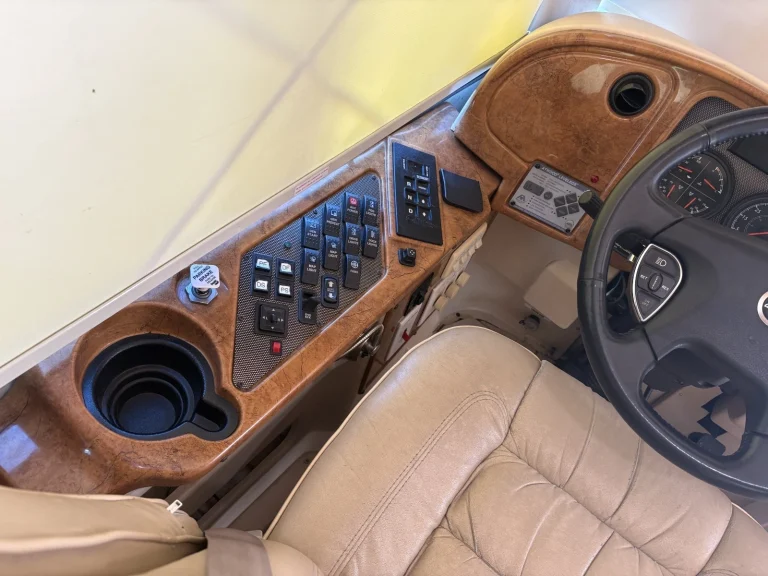
Take a Proper Test Drive
Do not judge a motorhome from the passenger seat.
When viewing motorized used RVs for sale, take a proper test drive.
Pay attention to:
- Steering
- Braking
- Acceleration
- Transmission
- Suspension
- Vibration
- Road noise
The RV should feel manageable to you.
If you are uncomfortable during a short drive, imagine how you would feel after several hours on the highway.
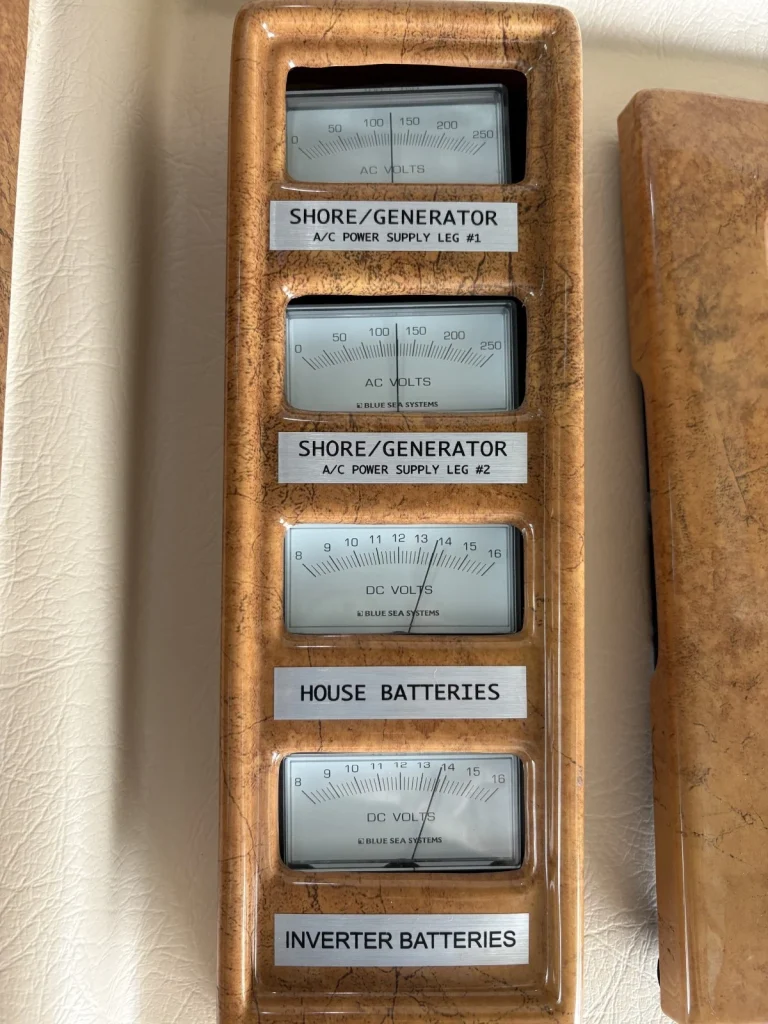
Test the Electrical System
An RV can contain many electrical components.
When inspecting used RVs on the market, test:
- Interior lights
- Exterior lights
- Outlets
- Batteries
- Control panels
- Inverters
- Solar equipment
- Appliances
Do not assume everything works because the RV has power.
Actually test the systems.
Check the Batteries
Ask about battery age.
When comparing used RVs for sale, determine whether the batteries are original or have been replaced.
If the RV has solar panels, ask about the system.
Find out what equipment is installed and how it is used.
Old batteries can create problems even when other electrical components are working correctly.
Test the Plumbing
Turn on every faucet.
Run the shower.
Flush the toilet.
Turn on the water pump.
When inspecting used RVs, look underneath sinks and cabinets.
Check for leaks.
Look for water stains.
Inspect the water heater.
Plumbing problems are easier to deal with when discovered before the purchase.
Test the Refrigerator
Do not assume the refrigerator works.
When viewing used RVs on the market, ask the seller to demonstrate it.
Check whether it cools properly.
Look for damage.
Ask whether it has been serviced.
A replacement can be costly depending on the unit.
Test the Stove and Oven
Turn on each burner.
Test the oven.
Check the ventilation.
Inspect the surrounding cabinets.
When comparing used RVs for sale, think about how much cooking you will do.
If you plan long trips, a practical kitchen may be more valuable than a flashy entertainment system.
Test the Air Conditioning
Air conditioning becomes extremely important during hot-weather travel.
When examining used RVs, turn the system on.
Check airflow.
Listen for strange noises.
Give it enough time to operate.
If it runs but does not cool properly, investigate before purchasing.
Test the Heating System
If you plan to travel in cooler weather, test the heater.
When viewing used RVs for sale, check the thermostat.
Listen for unusual sounds.
Make sure warm air reaches the expected areas.
A heating problem can be inconvenient and expensive.
Inspect the Bathroom
A bathroom can reveal a lot about an RV’s condition.
When inspecting used RVs on the market, run the sink and shower.
Flush the toilet.
Check ventilation.
Look underneath cabinets.
Inspect the flooring.
Look for signs of previous leaks.
Think About the Sleeping Areas
Advertised sleeping capacity can sometimes be misleading.
When comparing used RVs for sale, look at the actual bed sizes.
Check whether beds are permanent.
See how difficult convertible beds are to set up.
If children will travel with you, consider privacy and accessibility.
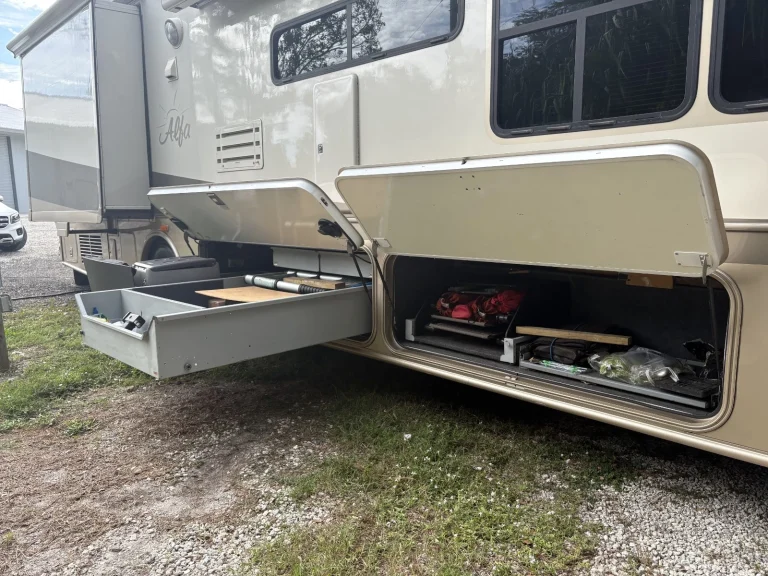
Check the Storage
Storage becomes incredibly important during longer trips.
When viewing used RVs, open every cabinet and drawer.
Look at closets.
Check exterior storage compartments.
Imagine where you will keep:
- Clothes
- Food
- Tools
- Bedding
- Camping chairs
- Outdoor equipment
- Cooking supplies
A smart layout can make a smaller RV much more comfortable.
Test the Awning
The awning can become one of your favorite features.
When inspecting used RVs on the market, extend it if possible.
Look for tears.
Check the arms.
Test the mechanism.
Look for water or sun damage.
Include repairs in your budget if necessary.
Check the Generator
If the RV has a generator, test it.
When considering used RVs for sale, ask when it was last serviced.
Listen for unusual sounds.
Check whether it powers the expected appliances.
Ask how often it was used.
A generator that has been neglected may require service.
Consider Solar Equipment
Solar power can be useful for off-grid camping.
When comparing used RVs, ask about the complete system.
Look at:
- Solar panels
- Batteries
- Inverter
- Charge controller
A large solar panel does not automatically mean the RV has a complete or effective off-grid system.
Think About Your Camping Style
If you mostly stay at full-service campgrounds, you may not need extensive off-grid equipment.
If you prefer remote camping, battery capacity, water storage, solar power, and generator capability may become much more important.
When choosing used RVs for sale, pay for features you will actually use.
Think About RV Storage
Before buying, decide where the RV will live when you are not traveling.
When comparing used RVs on the market, consider:
- Length
- Height
- Width
- Parking restrictions
- Storage costs
Make sure you have a realistic storage plan.
Dealer or Private Seller?
There are benefits to both.
Dealers may offer financing, service departments, warranties, and trade-in opportunities.
Private sellers may offer competitive pricing and firsthand knowledge.
When evaluating used RVs for sale, focus on the individual RV rather than assuming one seller type is automatically better.
Ask Why the RV Is Being Sold
This simple question can be surprisingly useful.
When viewing used RVs, ask why the seller is letting it go.
Maybe they are upgrading.
Maybe they no longer travel.
Maybe they bought a different type of RV.
Maybe their circumstances changed.
There is no single correct answer.
Listen for consistency between the explanation and the RV’s actual condition.
Get a Professional Inspection
If you are spending significant money, consider hiring an RV inspector.
When purchasing used RVs on the market, an inspection may uncover:
- Water damage
- Structural problems
- Electrical issues
- Plumbing leaks
- Appliance problems
- Roof problems
- Safety concerns
You are not paying someone to tell you what you want to hear.
You are paying for information.
That information can save you from making a very expensive mistake.
Compare Similar RVs
Never evaluate one listing in isolation.
When researching used RVs for sale, compare several similar units.
Look at:
- Year
- Mileage
- Condition
- Floor plan
- Features
- Maintenance
- Tire condition
- Location
- Asking price
This gives you a much better idea of what constitutes fair value.
How to Negotiate the Price
Good negotiation starts with preparation.
When considering used RVs, document the issues you discover.
Maybe the tires are old.
Maybe the awning needs repair.
Maybe the batteries are weak.
Maybe an appliance does not work.
Maybe the roof needs attention.
These are real expenses.
Use them when making a reasonable offer.
Avoid simply saying, “Can you lower the price?”
Instead, explain why your offer makes sense.
Beware of Unrealistic Bargains
A very low price can be tempting.
But when browsing used RVs for sale, an unusually cheap listing deserves careful investigation.
Ask why it is priced so low.
Verify the paperwork.
Inspect the structure.
Check for water damage.
Make sure the seller has clear ownership.
A bargain is only a bargain if the RV is worth owning.
Common Mistakes Buyers Make
Buying Based on Photos
Photos can hide a lot.
Always inspect in person when possible.
Ignoring Water Damage
Moisture problems can become extremely expensive.
Focusing Only on Mileage
Low mileage does not guarantee proper maintenance.
Forgetting Tire Age
Old tires can need replacement even with good tread.
Testing Only the Lights
Every major system should be tested.
Buying More RV Than You Need
A huge RV can create unnecessary fuel, storage, and maintenance costs.
Buying Too Small
A cramped RV can quickly become frustrating.
Spending the Entire Budget
Always leave room for unexpected costs.
Rushing
Patience is one of the buyer’s strongest advantages.
A Practical Used RV Inspection Checklist
Before buying one of the used RVs on the market, work through this checklist.
1. Define Your Travel Needs
Know how and where you plan to travel.
2. Set Your Budget
Include ownership costs.
3. Choose Your RV Type
Compare motorhomes, travel trailers, fifth wheels, and other options.
4. Check Towing Requirements
If applicable, make sure your tow vehicle is appropriate.
5. Inspect the Roof
Look for leaks and damaged sealant.
6. Check Walls and Ceiling
Look for moisture damage.
7. Walk the Floor
Watch for soft areas.
8. Test Slide-Outs
Operate every slide.
9. Check Tires
Look at condition and age.
10. Test Electrical Systems
Check outlets, lights, batteries, and controls.
11. Test Plumbing
Run every fixture.
12. Test Appliances
Check refrigeration, cooking, heating, and cooling.
13. Test the Generator
Confirm operation.
14. Check the Awning
Inspect fabric and mechanism.
15. Review Maintenance Records
Look for evidence of regular care.
16. Verify Ownership
Review the relevant documents.
17. Compare Prices
Research similar RVs.
18. Get an Inspection
Use professional help when appropriate.
How to Make Your Used RV Purchase More Comfortable
Buying the RV is only the beginning.
After purchasing used RVs for sale, many owners discover that a few simple upgrades can make their RV much more enjoyable.
Consider practical additions rather than buying everything at once.
Useful improvements might include:
- Better storage organizers
- New bedding
- Exterior lighting
- Improved battery capacity
- Solar equipment
- Kitchen organizers
- Outdoor chairs
- Safety equipment
- Updated technology
Start with things that solve actual problems.
Do not spend money simply because an accessory looks impressive.
Think About Maintenance From Day One
A used RV needs attention.
When you buy one of the used RVs, create a maintenance schedule.
Keep records of:
- Oil changes
- Tire inspections
- Roof inspections
- Battery maintenance
- Generator service
- Appliance repairs
- Plumbing work
- Brake service
Small maintenance tasks can prevent larger problems.
Protect the Roof
The roof deserves regular attention.
Inspect sealants periodically.
Look for cracks.
Check around vents and other openings.
Remove debris.
Address problems before water has a chance to enter.
This is especially important because roof maintenance can prevent far more expensive repairs later.
Take Care of the Tires
Inspect tires regularly.
Look for cracking, uneven wear, and damage.
Maintain proper inflation.
Do not assume low mileage means the tires are safe indefinitely.
When owning used RVs on the market, remember that time affects tires as much as mileage does.
Keep the RV Dry
Moisture is one of the biggest enemies of an RV.
When storing your RV, make sure it is protected as much as practical.
Check for leaks after heavy rain.
Open cabinets periodically.
Look for musty odors.
Pay attention to condensation.
Early detection is much easier than repairing extensive water damage.
Frequently Asked Questions
Are used RVs worth buying?
Yes. Well-maintained used RVs can provide excellent value and may allow buyers to access features and floor plans at lower prices than comparable new models.
What should I inspect first?
Start with the roof, ceiling, walls, floors, and evidence of water intrusion. Then move on to mechanical and living systems.
Is low mileage important?
Mileage matters for motorized RVs, but maintenance history and overall condition are equally important.
Should I buy a motorhome or travel trailer?
That depends on your travel style, towing vehicle, driving preferences, storage situation, and budget.
Can I negotiate the price?
Often, yes. Comparable listings and documented repairs provide useful negotiating points.
How important are maintenance records?
Very important. Records can provide evidence of regular care and help you understand the RV’s history.
What is the biggest red flag?
Serious water intrusion deserves immediate attention. Structural problems, major mechanical faults, and questionable paperwork are also significant warning signs.
Should I get an RV inspection?
For a significant purchase, professional inspection can be an excellent investment.
How much should I spend?
Choose a budget that leaves enough money for insurance, maintenance, repairs, storage, fuel, and unexpected expenses.
Is an older RV automatically a bad choice?
No. Age alone does not determine quality. A carefully maintained older RV may be an excellent purchase.
Final Thoughts
Searching through used RVs for sale can feel overwhelming at first.
There are so many layouts.
So many sizes.
So many price points.
So many features.
But the process becomes much easier when you stop trying to find the “perfect RV” and instead focus on finding the right RV for your life.
Start with your travel plans.
Then establish your budget.
Choose the type of RV that fits those plans.
After that, inspect individual vehicles carefully.
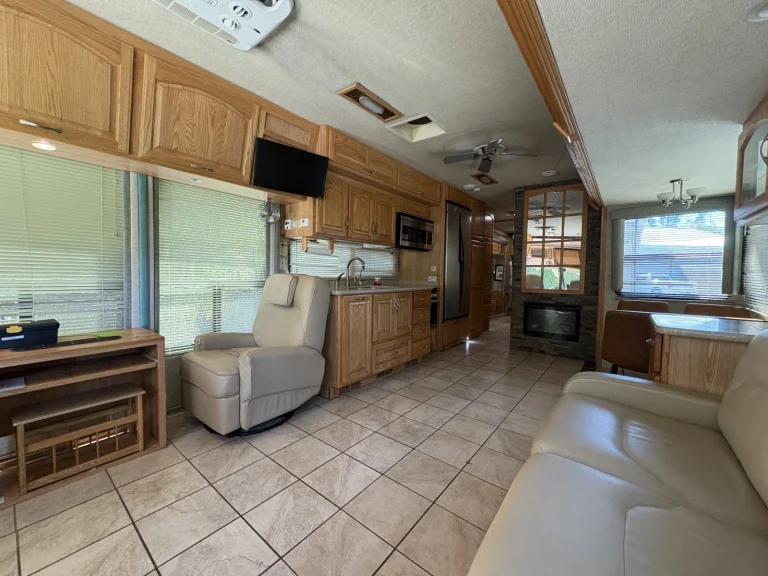
Do not be impressed only by shiny cabinets and large televisions.
Look at the roof.
Check the floors.
Inspect the walls.
Look underneath sinks.
Test the appliances.
Check the tires.
Start the engine if it is motorized.
Take a test drive.
Test the generator.
Operate the slide-outs.
Check the awning.
Review the maintenance records.
And verify the paperwork.
When comparing used RVs, remember that cosmetic imperfections are not always serious.
A small scratch can be harmless.
A worn sofa can be replaced.
An outdated television is rarely a major concern.
Water damage, structural problems, unsafe tires, serious mechanical issues, and electrical faults are different.
Learn to separate cosmetic issues from expensive problems.
That knowledge can save you a great deal of money.
Do not forget about the tow vehicle if you are considering a trailer.
The RV and tow vehicle need to work together.
Check the specifications rather than relying on assumptions.
A properly matched setup is more comfortable and safer.
Your budget should also include more than the purchase price.
Fuel costs money.
Insurance costs money.
Storage costs money.
Tires eventually need replacement.
Batteries age.
Appliances can fail.
Even the best-maintained RV needs attention.
That is why the cheapest used RVs for sale are not automatically the best deals.
Sometimes a slightly more expensive RV with excellent records, newer tires, a healthy roof, and properly functioning systems represents much better value.
Think beyond today’s price.
Think about the next several years.
Ask yourself whether you can comfortably maintain the RV.
Ask whether you will actually use the features you are paying for.
Ask whether the layout works for the people traveling with you.
And ask whether you can imagine spending several days inside the RV.
That last question is important.
An RV can look fantastic when you walk through it for ten minutes.
Living in it for a week is different.
Sit on the sofa.
Stand in the kitchen.
Use the bathroom.
Lie on the bed.
Imagine rainy weather.
Imagine everyone being inside at the same time.
That is when you discover whether the floor plan truly works.
The best used RVs on the market are not necessarily the largest or most luxurious.
They are the ones that combine condition, practicality, price, and suitability.
And do not rush.
A seller may tell you that another buyer is interested.
A listing may look like an incredible bargain.
You may feel like you have to make a decision immediately.
Take a breath.
Inspect the RV.
Ask questions.
Review the numbers.
If the seller refuses a reasonable inspection, walk away.
If the paperwork does not make sense, investigate.
If something feels wrong, trust that feeling enough to slow down.
There will be other used RVs for sale.
Your goal is not simply to buy an RV.
Your goal is to buy one that you can enjoy.
Once you find the right one, the reason for all this research becomes obvious.
You get to leave the driveway with your own bed behind you.
You can stop beside a lake.
You can explore a new town.
You can cook your own meals.
You can sit outside in the evening.
You can wake up somewhere different without packing a suitcase.
That freedom is the real value of RV ownership.
A carefully selected RV can become the starting point for weekend escapes, family vacations, long-distance road trips, outdoor adventures, seasonal travel, and spontaneous getaways.
So take your time.
Compare used RVs carefully.
Inspect before you buy.
Keep your budget realistic.
Understand the vehicle’s history.
Get professional help when needed.
And remember that walking away from a bad RV is not missing an opportunity.
It is protecting the opportunity to find a better one.
The right RV will make sense when you look at the entire picture.
The price will be reasonable.
The condition will match the asking price.
The layout will fit your lifestyle.
The mechanical systems will give you confidence.
The paperwork will be clear.
And, most importantly, you will be able to imagine actually using it.
That is the kind of purchase worth making.
Because at the end of the day, used RVs for sale are not really about vehicles sitting in driveways or dealerships.
They are about what happens after you buy one.
They are about the road ahead.
The places you have not seen yet.
The mornings you have not experienced.
The campsites you have not discovered.
The people you will travel with.
And the stories you will eventually tell.
Choose carefully, maintain your RV properly, and give yourself the chance to enjoy the journey.
The best RV purchase is not the one that looks impressive online.
It is the one that still feels like a great decision after the excitement of buying has passed.
Related guides
- Low Price RVs: How to Find a Great RV Deal Without Buying Someone Else’s Problems
- Pre Owned RVs for Sale: 21 Smart Ways to Find the Right RV at the Right Price
- Best Cheap RVs for Sale: 39 Smart Ways to Find a Great Camper on a Budget
- RVs for Road Trips: 15 Things That Can Make Your Next Journey Better
Browse more in RVs for Sale or see all buying guides.