Class A RVs for Sale: 35 Smart Ways to Find the Right Motorhome for Your Next Adventure
You know that feeling when you start looking at RVs “just to see what’s available” and suddenly you’ve spent two hours comparing floor plans?
It happens.
One RV has a huge kitchen.
Another has a beautiful bedroom.
A third has a giant windshield and enough storage to make you wonder whether you could move into it permanently.
That’s the fun part of searching for Class A RVs for sale.
But there is another side to the process.
The more RVs you look at, the easier it becomes to get distracted by shiny interiors, impressive features, and attractive prices.
That’s where smart shopping becomes important.
Finding Class A RVs for sale isn’t really about finding the biggest motorhome or the one with the longest list of features.
It’s about finding an RV that fits your lifestyle, your travel plans, your driving comfort, and your budget.
A motorhome can look fantastic in photographs and still be the wrong choice for you.
Another RV might have a few cosmetic imperfections but be mechanically sound, well maintained, and much better suited to the way you travel.
So let’s approach the search differently.
Instead of simply asking, “Which RV looks best?”
Let’s ask, “Which RV will still make me happy after six months of ownership?”
The Search Starts With One Simple Question
Before opening another listing for Class A RVs, ask yourself something surprisingly basic:
What do I actually want to do with this RV?
Not what you think you should do.
Not what looks impressive online.
What will you really do?
Weekend trips?
Family vacations?
Cross-country travel?
Seasonal camping?
Extended stays?
Maybe you want a comfortable place to stay while visiting different states.
Maybe you’re planning to spend months traveling.
Your answer affects everything.
Weekend Travelers
If you’re mostly taking short trips, you may prioritize easy setup, comfortable sleeping, practical storage, and a layout that doesn’t feel complicated.
There is no reason to buy an enormous motorhome if you’re going to spend most of your time outside.
When comparing Class A RVs on the market, think about how much interior space you actually need.
Full-Time Travelers
Full-time RV living is a different game.
Suddenly, the kitchen matters more.
Storage matters more.
Bathroom space matters.
Seating becomes important.
A comfortable bed isn’t a luxury when you’re sleeping in it every night.
For extended travelers looking at Class A RVs, the smallest details can have a surprisingly large impact.
Don’t Buy the First RV You Love
This is probably one of the hardest rules to follow.
You walk into an RV.
The interior is beautiful.
The kitchen looks perfect.
The bedroom feels enormous.
You start imagining yourself driving down the highway.
That’s when you need to slow down.
There are plenty of Class A RVs for sale.
You don’t have to make a decision because one happens to make your heart beat faster.
Take pictures.
Take notes.
Write down what you like.
Then compare it with the next one.
The goal is not to stop yourself from getting excited.
The goal is to make sure excitement doesn’t make the decision for you.
Understand What Class A Means for Your Lifestyle
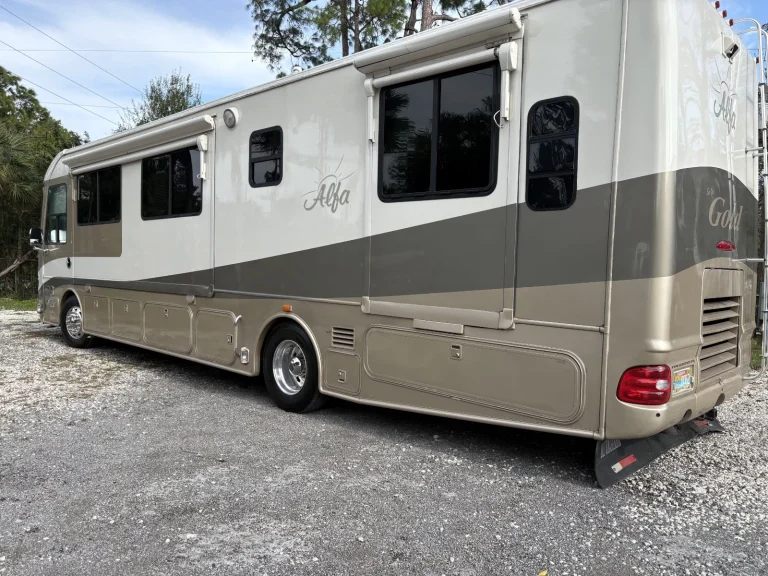
Class A motorhomes are generally built with a bus-like profile and a large living area.
They can offer impressive interior space.
That’s one of the reasons shoppers search for Class A RVs on the market in the first place.
You can have a kitchen, lounge, bedroom, bathroom, storage, and entertainment area under one roof.
But bigger isn’t automatically better.
A larger RV can mean more fuel consumption, more space required for parking, more systems to maintain, and potentially more challenging driving.
Think about the trade-off.
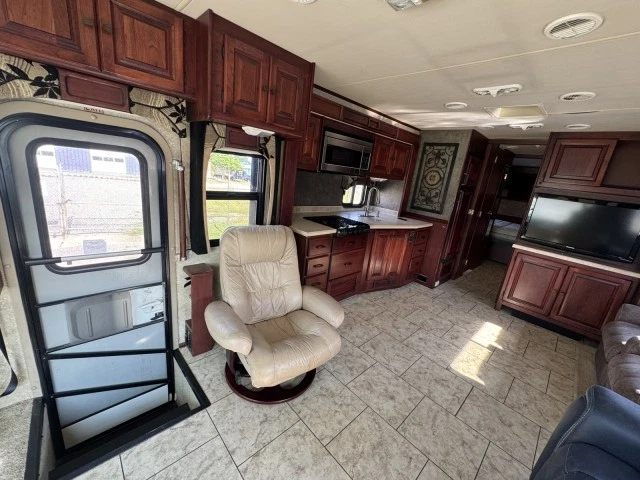
Look at the Floor Plan Before the Decorations
When browsing Class A RVs, ignore the curtains for a moment.
Ignore the television.
Ignore the countertop.
Look at the floor plan.
Where does everyone sit?
Where do people walk?
Where is the bathroom?
Can someone use the kitchen while another person is watching television?
Does the bedroom feel private?
Can you access important areas when slide-outs are closed?
These questions tell you much more than decorative features.
Try the “Rainy Day Test”
Here’s a simple trick.
Imagine you’re stuck inside for an entire day because of rain.
Everyone is awake.
Nobody can go outside.
Where does everybody sit?
Can you cook?
Can you move around?
Is there enough room?
If the layout still feels comfortable under those circumstances, you’ve probably found something promising.
Look at the Kitchen Like Someone Who Actually Cooks
A kitchen can look gorgeous and still be awkward.
When inspecting Class A RVs on the market, open the refrigerator.
Open the cabinet doors.
Look at countertop space.
Check the sink.
Look at the stove.
Then imagine preparing an actual meal.
Where would you put the ingredients?
Where would dirty dishes go?
Can two people work in the kitchen?
Does opening the refrigerator block the walkway?
These aren’t glamorous questions.
They’re useful questions.
Storage Is Never Just Storage
RV owners learn this quickly.
Storage disappears.
You start with plenty of space.
Then you add clothes.
Food.
Tools.
Outdoor equipment.
Cleaning supplies.
Camping chairs.
Hoses.
Electrical cables.
And somehow you’re out of room.
That’s why storage deserves serious attention when comparing Class A RVs for sale.
Open everything.
Don’t just look at the number of cabinets.
Look at the size and shape of the storage spaces.
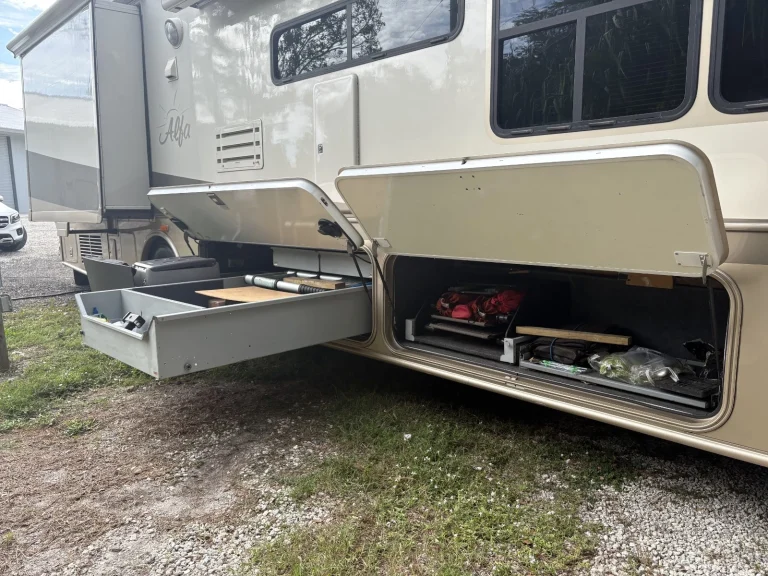
Check Exterior Compartments
Exterior storage can be incredibly useful.
Look underneath.
Open the doors.
Check for water intrusion.
Look for rust or corrosion.
Check hinges and locks.
Imagine placing your actual camping equipment inside.
A compartment isn’t useful simply because it exists.
It needs to be accessible and large enough for what you carry.
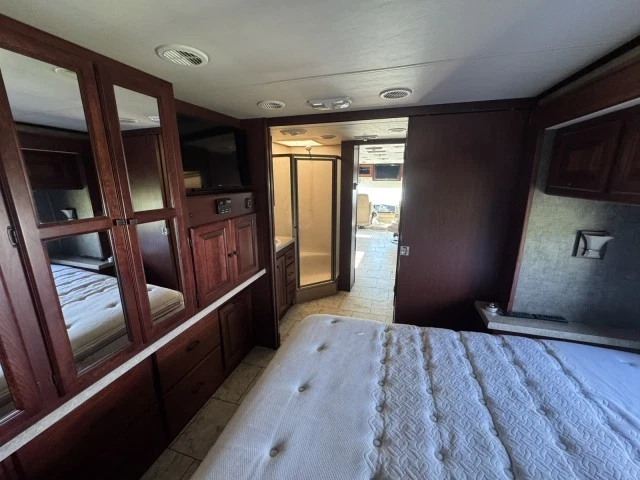
Don’t Forget the Bedroom
You might spend hours looking at the living room and only five minutes in the bedroom.
Reverse that habit.
When viewing Class A RVs, lie down on the bed if the seller allows it.
Check length.
Check width.
Look at storage.
Check walking space.
Open wardrobes.
Imagine getting dressed on a normal morning.
If the bedroom doesn’t feel comfortable now, it probably won’t become more comfortable after you’ve owned the RV for a year.
The Bathroom Deserves a Real Test
RV bathrooms vary dramatically.
Some feel surprisingly spacious.
Others are functional but tight.
Stand inside.
Close the door.
Move around.
Check the shower.
Look at storage.
Check ventilation.
When comparing Class A RVs on the market, think about whether the bathroom works for everyone who will regularly use it.
Don’t Ignore Ventilation
A bathroom needs airflow.
So does the rest of the motorhome.
Look at fans, vents, windows, and other ventilation features.
Good airflow can make a noticeable difference during hot or humid trips.
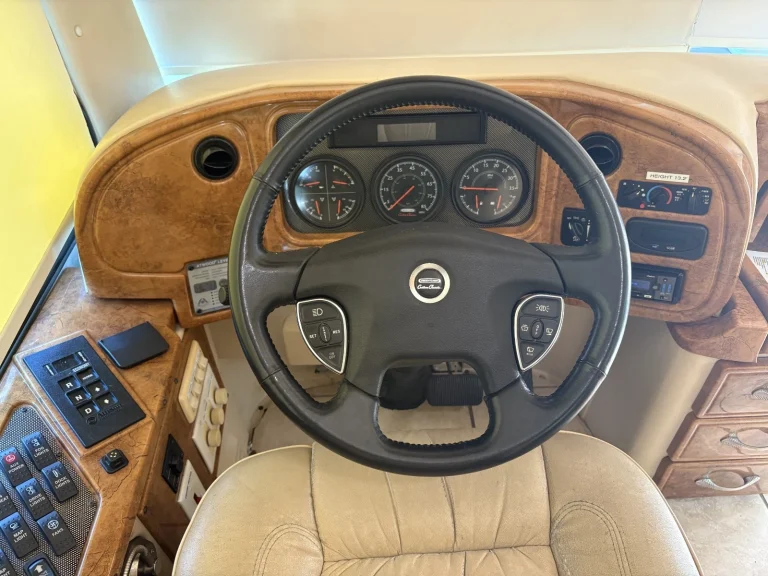
Take the Driver’s Seat
Eventually, somebody has to drive the thing.
Sit behind the wheel.
Adjust the seat.
Check mirrors.
Look through the windshield.
Think about visibility.
Then ask yourself a brutally honest question:
“Would I feel comfortable driving this?”
When shopping for Class A RVs for sale, driving confidence matters.
A motorhome can have the perfect interior and still be wrong for you if you’re uncomfortable behind the wheel.
Take a Real Test Drive
Don’t settle for a five-minute loop.
If possible, drive on different roads.
Try turns.
Test braking.
Pay attention to acceleration.
Listen for unusual noises.
Watch the gauges.
Look for warning lights.
When evaluating Class A RVs, the test drive is one of your best opportunities to discover how the motorhome actually behaves.
Pay Attention to Size
Large motorhomes require awareness.
Think about height.
Length.
Width.
Turning radius.
Parking.
Low-clearance areas.
Before buying Class A RVs on the market, know the exact dimensions of the RV you’re considering.
Write the height down.
You’ll thank yourself later.
Measure Your Parking Space
This sounds obvious.
People still forget.
Measure your driveway.
Measure the entrance.
Check for trees.
Look for low roofs.
Consider turning space.
A motorhome that fits beautifully into a campground may be impossible to store at home.
When searching for Class A RVs, make sure the RV works with your actual home situation.
Inspect the Roof
The roof doesn’t get nearly enough attention.
It should.
Water intrusion can create expensive problems.
When examining Class A RVs for sale, inspect roof seams, vents, air-conditioning units, skylights, and other openings.
Look for cracks.
Look for damaged sealant.
Look for soft areas.
Check the ceiling inside for stains.
If you’re not comfortable climbing onto the roof, have someone qualified inspect it.
Check for Water Damage Inside
Water doesn’t always announce itself loudly.
Sometimes it leaves a small stain.
Sometimes there’s a musty smell.
Sometimes flooring feels different.
When viewing Class A RVs on the market, inspect corners, cabinets, ceilings, walls, windows, and flooring.
Pay attention to anything that looks recently repaired.
A repair isn’t automatically a problem.
An unexplained repair deserves questions.
Look Under the Motorhome
The living area may look perfect.
The underside tells another story.
When checking Class A RVs, look underneath for obvious leaks, corrosion, damaged components, and signs of previous repairs.
You don’t need to crawl underneath if it’s unsafe.
A qualified mechanic can do this properly.
Check the Engine
If you’re buying a motorhome, you’re buying a vehicle.
That means the engine deserves serious attention.
Ask about maintenance.
Ask for service records.
Find out whether major work has been performed.
Ask whether the engine has experienced overheating or other significant problems.
When comparing Class A RVs for sale, documentation can be incredibly valuable.
Don’t Forget the Transmission
A transmission problem can be expensive.
During the test drive, pay attention to shifting.
Look for hesitation.
Listen for unusual noises.
Notice whether shifts feel unusually harsh.
If something doesn’t feel normal, have a professional inspect it.
A seller may honestly not know about an issue.
That’s exactly why independent inspection matters.
Mileage Is Not the Whole Story
It is tempting to sort Class A RVs on the market by mileage.
But mileage alone doesn’t determine condition.
A motorhome that traveled regularly and received proper maintenance may be healthier than one that barely moved.
Why?
Because time affects components too.
Seals age.
Batteries deteriorate.
Tires age.
Appliances can fail.
Rubber components can deteriorate.
Ask about the vehicle’s history instead of focusing exclusively on the odometer.
Inspect the Tires
Tires are one of the easiest things to overlook.
They’re also important.
Check tread.
Check tire age.
Look for cracking.
Look for uneven wear.
Inspect for visible damage.
When comparing Class A RVs, remember that replacing multiple large motorhome tires can be a significant expense.
If they’re approaching the end of their useful life, include that cost in your calculations.
Test the Generator
If the motorhome has a generator, start it.
Let it run.
Test appropriate electrical loads.
Listen carefully.
Look for excessive smoke or unusual behavior.
Ask about service history.
A generator that has been ignored can become a headache.
When evaluating Class A RVs on the market, generator condition should be part of the inspection.
Test the Electrical System
Turn things on.
Check lights.
Test outlets.
Run appliances.
Check entertainment equipment.
Test climate controls.
When looking at Class A RVs for sale, don’t assume everything works because the seller says it does.
Testing is better than guessing.
Examine the House Batteries
The living area has its own electrical needs.
Ask how old the house batteries are.
Find out whether they have been replaced.
Check charging systems.
If solar equipment is installed, ask how it works.
For buyers comparing Class A RVs, understanding the electrical setup can prevent unpleasant surprises later.
Test the Plumbing
Turn on faucets.
Run the shower.
Flush the toilet.
Check the water pump.
Look underneath sinks.
Inspect visible connections.
When examining Class A RVs on the market, look for leaks and water stains.
Small plumbing problems can sometimes point toward larger maintenance issues.
Test Every Appliance
Don’t assume the refrigerator works.
Don’t assume the microwave works.
Don’t assume the stove works.
Test them.
When inspecting Class A RVs, make a checklist of every major appliance.
Check heating.
Check air conditioning.
Check the refrigerator.
Check the stove and oven.
Check the microwave.
Check fans.
Check televisions and entertainment equipment.
The more you test, the fewer surprises you’ll have.
Check the Air Conditioning
A motorhome can become uncomfortable quickly when temperatures rise.
Before purchasing Class A RVs for sale, run the air-conditioning system.
Give it enough time to demonstrate that it actually cools the interior.
Listen for strange sounds.
Check airflow.
Look for leaks.
If there are multiple units, test each one.
Check the Heating System
Don’t forget the opposite situation.
If you’re traveling during cooler months, reliable heating matters.
Test the system.
Listen for unusual noises.
Make sure controls operate correctly.
A motorhome should be comfortable in more than one season.
Operate Every Slide-Out
Slide-outs can completely change the feeling of Class A RVs on the market.
A compact interior can become remarkably spacious once the slides are extended.
But slide-outs also contain moving parts.
Operate each one.
Watch for uneven movement.
Listen for grinding.
Inspect seals.
Look for water intrusion around the edges.
If something doesn’t seem right, investigate it.
Open Every Door and Drawer
This is a simple inspection trick.
Open everything.
Cabinet.
Drawer.
Wardrobe.
Exterior compartment.
Bathroom door.
Refrigerator.
When looking at Class A RVs, small hardware problems can tell you how the RV has been used and maintained.
A loose hinge isn’t necessarily serious.
But dozens of neglected little problems may indicate a larger pattern.
Check the Windows
Windows affect ventilation, comfort, noise, and water resistance.
Open them.
Close them.
Check locks.
Inspect seals.
Look for fogging or damage.
When examining Class A RVs for sale, don’t skip areas that seem boring.
Boring details often become important after purchase.
Inspect the Awning
The awning may look perfect while rolled up.
Open it.
Inspect the fabric.
Check the arms.
Look for tears.
Operate the mechanism if possible.
An awning repair isn’t necessarily a deal breaker.
But it is still part of the vehicle’s condition.
Ask Where the RV Was Stored
Storage history can provide useful context.
Was the motorhome kept outdoors?
Under cover?
In a garage?
Near the coast?
In an area with harsh winters?
When comparing Class A RVs on the market, ask these questions.
Storage conditions can influence exterior materials, seals, tires, and other components.
Ask Why the Owner Is Selling
This question costs nothing.
Ask it.
Maybe the owner is upgrading.
Maybe their travel plans changed.
Maybe they don’t use the motorhome anymore.
Maybe they want something smaller.
The answer doesn’t prove whether the RV is good or bad.
But it gives you another piece of the story.
When considering Class A RVs, listen carefully to what the owner says.
Review Maintenance Records
Records can make a used RV much easier to understand.
Look for oil changes.
Brake work.
Tire replacement.
Generator maintenance.
Roof work.
Appliance repairs.
Battery replacement.
When evaluating Class A RVs on the market, a consistent maintenance history can increase your confidence in the purchase.
Perfect records aren’t always realistic.
Useful records are still valuable.
Consider Newer Versus Older
Newer isn’t automatically better.
Older isn’t automatically bad.
This is especially important when comparing Class A RVs for sale.
A well-maintained older motorhome can provide excellent value.
A newer motorhome with neglected maintenance can create expensive problems.
Focus on condition.
Look at records.
Inspect the systems.
Consider how the RV fits your needs.
Think About Depreciation
One reason buyers explore Class A RVs is the opportunity to avoid some of the initial depreciation associated with buying new.
A used RV may offer access to desirable features at a lower purchase price.
But depreciation varies by model, condition, age, demand, and other factors.
Don’t assume every used motorhome is automatically a bargain.
Research comparable examples.
Build a Complete Budget
The purchase price isn’t your entire budget.
When shopping for Class A RVs on the market, think about the first year of ownership.
Include:
- Insurance
- Registration
- Fuel
- Maintenance
- Tires
- Repairs
- Storage
- Campground fees
- Generator service
- Batteries
- Accessories
Leave room for surprises.
Because there will probably be one or two.
That’s normal with vehicles and RVs.
Don’t Confuse Cheap With Affordable
This distinction matters.
A cheap motorhome isn’t necessarily affordable.
Suppose you find one priced significantly below comparable Class A RVs for sale.
Then you discover it needs tires, batteries, roof work, appliance repairs, and mechanical maintenance.
The purchase price suddenly looks very different.
A slightly more expensive motorhome in excellent condition may be the more affordable choice over the long term.
Compare at Least Three Options
Don’t compare one RV with itself.
Find several.
Look at different Class A RVs with similar ages, layouts, and equipment.
Write down the differences.
Compare prices.
Compare maintenance.
Compare condition.
Compare mileage.
This makes it much easier to recognize a genuinely good deal.
Don’t Let Upgrades Fool You
A seller may install new flooring, curtains, furniture, televisions, or other cosmetic improvements.
Those upgrades can be nice.
But they don’t automatically make the motorhome mechanically healthy.
When browsing Class A RVs on the market, separate cosmetic condition from mechanical condition.
You want both.
But mechanical reliability should never be hidden behind attractive décor.
Ask What Comes With the RV
Some sellers include useful accessories.
You might get hoses.
Electrical cords.
Camping chairs.
Leveling equipment.
Kitchen equipment.
Outdoor accessories.
These items can be convenient.
But don’t allow a pile of extras to distract you from the condition of the actual vehicle.
When comparing Class A RVs, value the motorhome first.
Check the Paperwork
Before committing, verify the vehicle identification information and ownership documents.
Review maintenance records.
Understand the purchase agreement.
Confirm exactly what is included.
If something important was promised verbally, make sure the final paperwork reflects it.
When buying Class A RVs for sale, documentation is part of the purchase—not an afterthought.
Consider a Professional Inspection
This might be the best money you spend before buying.
A qualified RV inspector can evaluate systems you may not know how to test.
A mechanic can inspect the vehicle itself.
When purchasing Class A RVs on the market, professional inspection can reveal problems that a casual walkthrough misses.
Think of it as buying information before making a much larger purchase.
How to Negotiate Without Making Things Awkward
Negotiation doesn’t have to feel like a battle.
If the RV needs tires, batteries, repairs, or maintenance, document those issues.
Research comparable Class A RVs.
Then make a reasonable offer.
Explain your reasoning.
Be respectful.
You don’t have to criticize the motorhome to negotiate.
You’re simply accounting for the condition and costs involved.
Know When to Walk Away
Sometimes the best deal is the deal you don’t make.
If you find major water damage, severe mechanical issues, questionable documentation, or a seller who refuses reasonable inspection requests, take a step back.
There are plenty of Class A RVs on the market.
You don’t need to rescue one.
You need to find one that makes sense.
Think About Your Future Travel
Your needs can change.
Maybe you’re traveling as a couple today.
Maybe your family will grow.
Maybe you’re planning longer trips next year.
When comparing Class A RVs for sale, consider how your travel habits could change.
Buying with tomorrow in mind can prevent another expensive purchase later.
Consider Resale Value
You may not plan to sell.
That’s fine.
Still, a motorhome with good records, desirable features, and strong maintenance can be easier to sell later.
When researching Class A RVs, consider whether the layout and features have broad appeal.
Keep your records.
Maintain the roof.
Take care of the interior.
Fix small problems.
Good ownership habits can protect your investment.
Make a Shortlist
After browsing dozens of Class A RVs on the market, stop.
Make a shortlist.
Choose perhaps three to five serious candidates.
Then inspect them more carefully.
This is better than endlessly scrolling through listings.
At some point, you need to move from browsing to comparing.
Use a Simple Scoring System
You don’t need complicated software.
Give each RV a score for:
- Mechanical condition
- Interior condition
- Floor plan
- Storage
- Maintenance history
- Features
- Price
- Driving comfort
- Repair needs
When comparing Class A RVs for sale, a simple scorecard can stop one flashy feature from dominating your decision.
The Five-Minute Reality Check
Before making an offer, sit quietly inside the RV.
No sales pitch.
No scrolling.
No excitement.
Just sit.
Imagine waking up there.
Imagine cooking breakfast.
Imagine driving it.
Imagine packing for a week.
Imagine cleaning it.
Imagine maintaining it.
If the motorhome still feels right after that little reality check, you’re probably looking at it more objectively.
What Makes a Great Class A RV?
The best Class A RVs aren’t necessarily the largest.
They’re the ones that strike the right balance.
Enough space.
Comfortable sleeping.
Practical storage.
A useful kitchen.
A bathroom that works.
Reliable mechanical systems.
Good maintenance.
A price that fits your finances.
And, perhaps most importantly, a layout you genuinely enjoy.
A Quick Buying Checklist
Before purchasing Class A RVs on the market, check these areas.
Exterior
- Roof
- Seals
- Windows
- Body panels
- Tires
- Awning
- Exterior storage
- Undercarriage
Mechanical
- Engine
- Transmission
- Brakes
- Steering
- Suspension
- Cooling system
- Maintenance records
Interior
- Flooring
- Ceiling
- Walls
- Cabinets
- Furniture
- Beds
- Bathroom
- Kitchen
RV Systems
- Generator
- Batteries
- Electrical outlets
- Plumbing
- Refrigerator
- Stove
- Microwave
- Heating
- Air conditioning
- Slide-outs
Documents
- Ownership paperwork
- Vehicle identification
- Service records
- Purchase agreement
- Included equipment
Frequently Asked Questions About Class A RVs for Sale
Are Class A RVs worth buying?
For many travelers, yes. Class A RVs can provide substantial living space, comfortable accommodations, large storage areas, and useful amenities for road travel. The right choice depends on your budget and lifestyle.
Are used Class A RVs a good option?
They can be. Used examples may offer attractive value, especially when they have been properly maintained. Always inspect the specific RV rather than judging it by age alone.
What should I inspect first?
Start with the roof, water intrusion, tires, engine, transmission, brakes, generator, electrical system, plumbing, and maintenance records.
Should I worry about high mileage?
Not automatically. Mileage should be considered alongside maintenance history, age, storage conditions, and overall mechanical condition.
How important is the floor plan?
Extremely important. A floor plan determines how comfortably you’ll cook, sleep, relax, move around, and store your belongings.
Should I test every appliance?
Yes. When viewing Class A RVs for sale, test as many major systems and appliances as possible before purchasing.
Are older Class A motorhomes worth considering?
Absolutely. A well-maintained older motorhome can provide excellent value. Condition and maintenance history are more important than model year alone.
Should I get a professional inspection?
If you’re not experienced with RV systems, a professional inspection is highly recommended. It can reveal problems that aren’t obvious during a casual walkthrough.
How much should I budget for maintenance?
There isn’t one universal amount because maintenance varies by RV age, condition, systems, usage, and other factors. Always keep a reserve beyond the purchase price.
Can I negotiate the price?
Yes. Comparable listings and documented repair or maintenance needs can provide a reasonable basis for negotiation.
Is the cheapest Class A RV the best deal?
No. The lowest purchase price can hide significant future expenses. Compare the total cost of ownership rather than the sticker price alone.
What makes a Class A RV comfortable?
A good floor plan, comfortable sleeping arrangements, practical kitchen space, usable bathroom facilities, adequate storage, reliable climate control, and enough living space for the people traveling inside.
Should I compare multiple RVs?
Definitely. Looking at several Class A RVs on the market helps you understand pricing, features, layouts, and condition differences.
What is the biggest mistake buyers make?
Getting emotionally attached before completing a proper inspection. Enjoy the search, but make the final decision based on evidence.
How do I know when to walk away?
Walk away when major problems cannot be reasonably explained or priced into the deal, paperwork is questionable, or the seller won’t allow appropriate inspection.
Final Thoughts
Searching through Class A RVs can be a lot of fun.
You get to imagine destinations before you’ve even chosen the vehicle.
Maybe that’s why people spend so much time looking.
But the best purchase usually isn’t the one that creates the biggest first impression.
It’s the one that keeps making sense after the excitement wears off.
Look at the floor plan.
Check the roof.
Inspect the tires.
Drive the motorhome.
Test the appliances.
Review the records.
Ask difficult questions.
Think about ownership costs.
And give yourself permission to walk away when something doesn’t feel right.
There are always more Class A RVs for sale.
You don’t need to buy the first one that catches your eye.
The goal is to find an RV that fits your life—not someone else’s idea of what RV travel should look like.
If you find that combination of comfort, condition, practicality, and price, you’ve done more than find a motorhome.
You’ve found a vehicle that can turn ordinary weekends into memorable trips.
And that’s really what makes the search worthwhile.
Related guides
- Motorhomes Under $30000: 29 Smart Buying Lessons That Can Save You Thousands
- Used Motorhomes for Sale: A Real-World Guide to Buying the Right Motorhome
- Buy Motorhome Online: A Practical Guide to Finding the Right Motorhome Without the Pressure
- Affordable Motorhomes: A Real-World Guide to Finding the Right Motorhome Without Overspending
Browse more in Motorhomes for Sale or see all buying guides.