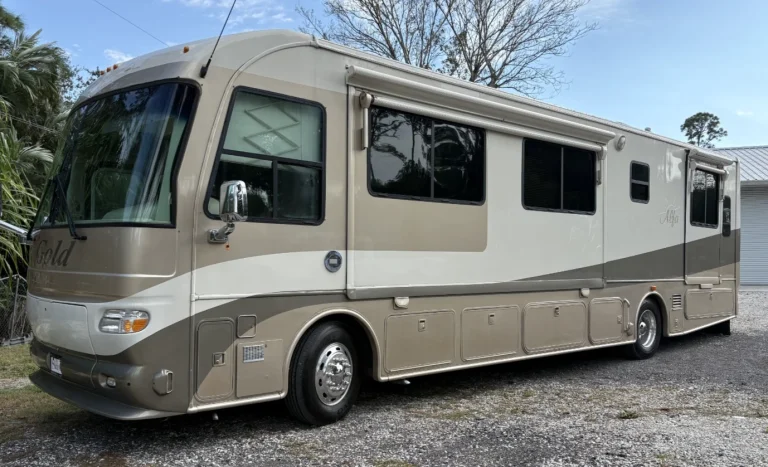
RV Camping Vehicles: 17 Things to Know Before Choosing Your Next Camping Vehicle
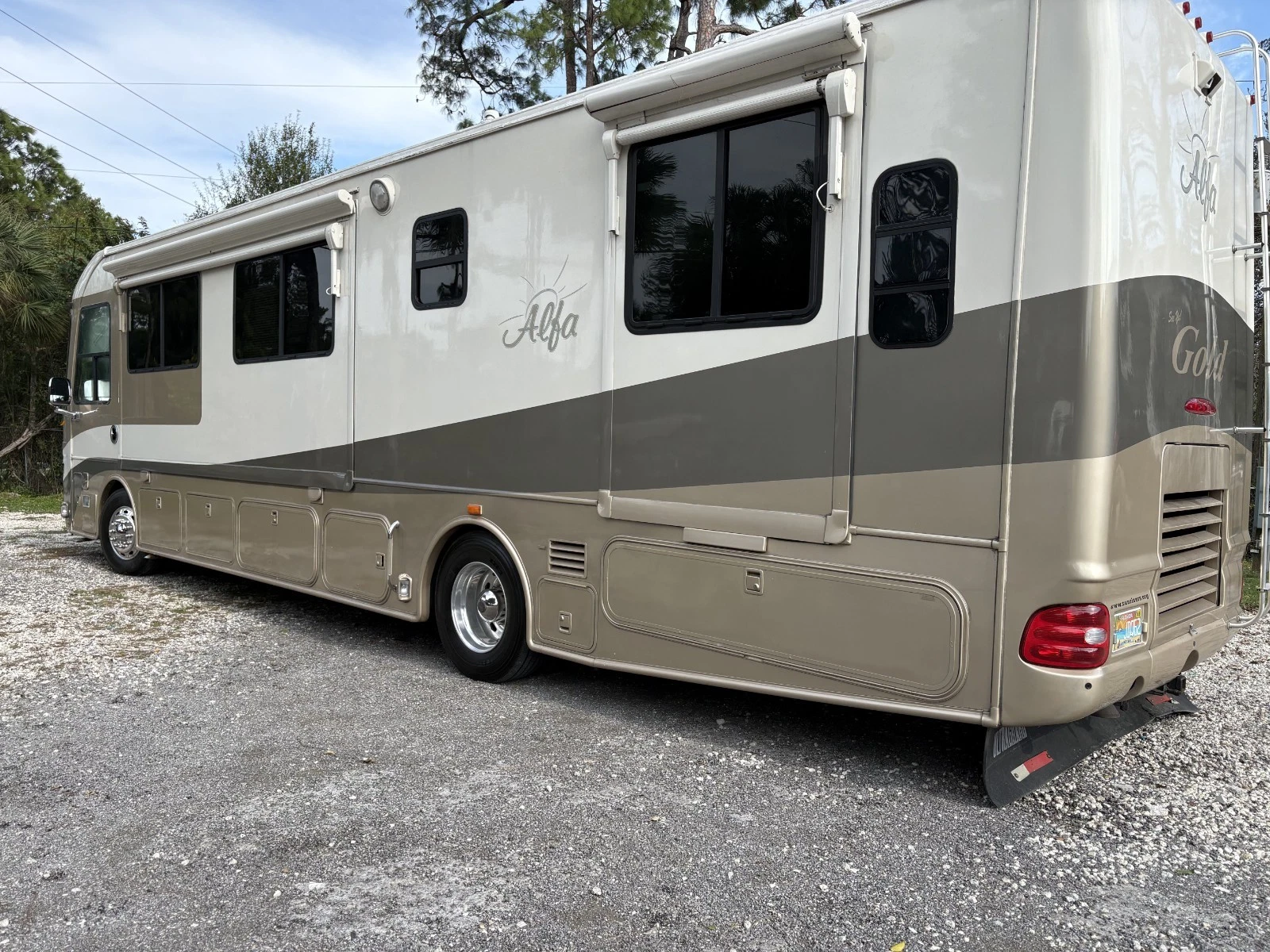
There is a funny thing about buying an RV.
At first, almost every model looks exciting.
You walk inside and start imagining yourself beside a lake.
You picture coffee in the morning.
You imagine pulling into a quiet campground after a long day on the road.
Then reality starts asking questions.
Where will everyone sleep?
Where will the food go?
Can the vehicle handle the roads you want to travel?
What happens when it rains?
How much will fuel cost?
How much storage do you really need?
Those questions are exactly why choosing RV camping vehicles should not be based on appearance alone.
The right vehicle can make camping feel wonderfully simple.
The wrong one can turn a relaxing weekend into a collection of small frustrations.
There is no single RV that is perfect for everyone.
A couple traveling on weekends may want something completely different from a family planning a month-long adventure.
Someone who loves remote camping may have very different priorities from someone who prefers developed campgrounds with full hookups.
That is what makes the search interesting.
There are plenty of RV camping vehicles available in different sizes, layouts, price ranges, and configurations.
The trick is finding the one that matches the way you actually plan to use it.
1. Start With the Camping You Actually Do
Before looking at shiny interiors, think about your camping habits.
This sounds simple, but it can save you from an expensive mistake.
Do you normally take weekend trips?
Do you travel for weeks?
Do you stay in established campgrounds?
Do you prefer quiet places away from crowds?
Do you travel with children?
Do you bring pets?
Do you enjoy cooking?
Do you need a bathroom?
Your answers will immediately narrow the field.
The best camping vehicles are not necessarily the biggest ones.
They are the ones that suit your trips.
If you mostly take short weekend adventures, a compact vehicle may give you everything you need.
There is little reason to haul around a huge living space if you rarely use it.
On the other hand, someone spending several weeks on the road may appreciate every extra inch.
Think About Your Favorite Destination
Picture your favorite type of campsite.
Maybe it is a forest campground.
Maybe it is a beach.
Maybe it is a national park.
Maybe it is a large commercial campground with electricity and water.
Different destinations can influence your choice of RV camping vehicles.
A large RV can be wonderful at a spacious campground.
It can be less convenient on narrow roads or small campsites.
A compact RV may be easier to maneuver but offer less interior living space.
Neither is automatically better.
2. Size Is a Practical Decision
RV size is one of those subjects people tend to simplify.
“Bigger is better” sounds logical.
Until you have to park it.
Then you discover that bigger means wider turns, more attention in tight spaces, more fuel, and potentially more complicated campsite selection.
When comparing RVs for camping, think about the balance between living space and mobility.
How confident are you driving a larger vehicle?
Where will you store it?
What kind of roads will you use?
How often will you move from one campsite to another?
These questions matter.
Small Does Not Mean Uncomfortable
Modern compact RV camping vehicles can be surprisingly practical.
A well-designed smaller RV may include a comfortable bed, kitchenette, storage, seating, and useful technology.
The key is layout.
A poorly designed large RV can feel cramped.
A cleverly designed small RV can feel surprisingly roomy.
That is why walking through different models is so useful.
3. Choose the Floor Plan Before the Fancy Features
A refrigerator can look impressive.
So can a huge television.
But neither will fix a floor plan that does not work for you.
The layout determines how you move through the vehicle every day.
When looking at camping vehicles, imagine ordinary moments.
Imagine waking up.
Imagine making breakfast.
Imagine getting dressed.
Imagine somebody using the bathroom while another person is cooking.
Imagine everyone sitting inside because it is raining.
Does the space still work?
If the answer is yes, pay attention.
The Morning Test
One of my favorite ways to judge RV camping vehicles is to imagine a normal campsite morning.
Nobody is rushing.
The coffee is brewing.
Someone is looking for socks.
Someone else wants breakfast.
A child is moving around.
If everyone can move without constantly bumping into each other, the floor plan has probably been designed well.
If one person blocks the kitchen every time they open a cabinet, you will notice that very quickly.
4. Sleeping Arrangements Deserve Serious Attention
Sleeping arrangements can make or break an RV.
That is especially true for families.
A listing may say the vehicle sleeps four, six, or eight people.
Do not stop there.
Find out where those people actually sleep.
Some RVs for camping use fixed beds.
Others use dinettes or sofas that convert at night.
Some have bunk beds.
Some have overhead sleeping areas.
Each arrangement has advantages.
A fixed bed is convenient because it does not need to be rebuilt every evening.
A convertible bed saves space during the day.
Bunk beds can be excellent for children.
A private bedroom can give parents a little peace and quiet.
Think About Future Needs
Children grow.
That matters.
A sleeping arrangement that works beautifully for young children may feel very different when those children become teenagers.
When comparing RV camping vehicles, think about how you expect to use the RV two or three years from now.
Buying with the future in mind can be surprisingly valuable.
5. Storage Is Never Quite Enough
Every experienced camper eventually learns this lesson.
You need more storage than you think.
Camping chairs.
Clothes.
Shoes.
Food.
Towels.
Tools.
Outdoor equipment.
Cleaning supplies.
Cooking equipment.
Bedding.
Then there are the things you did not plan to bring but somehow brought anyway.
That is why storage deserves attention when reviewing camping vehicles.
Open cabinets.
Look underneath beds.
Check exterior compartments.
Look at pantry space.
Examine overhead storage.
Ask yourself where everyday items will go.
Good Storage Is About Access
A giant storage compartment is useful.
But so is a small cabinet in exactly the right place.
You want frequently used items somewhere easy to reach.
If you have to empty half the RV to find a flashlight, the storage design is not doing you much good.
The most practical RV camping vehicles use available space intelligently.
6. Think About the Kitchen
You do not need a professional kitchen.
You do need a kitchen that matches your habits.
Some campers are perfectly happy making sandwiches and heating simple meals.
Others enjoy cooking full dinners.
Your needs should influence your choice.
When comparing RVs for camping, check the counter space.
Look at the refrigerator.
Open the cabinets.
Check the cooking area.
Think about where plates and pans will go.
If you travel with several people, think about whether one person can cook while another moves through the living area.
Camping Food Changes Everything
A good RV kitchen can make travel easier.
You can make breakfast before leaving.
You can prepare lunch before a hike.
You can cook dinner after arriving at camp.
You are not completely dependent on restaurants.
That can save money and make family travel more flexible.
7. Do You Need a Bathroom?
This is a personal decision.
Some campers are perfectly comfortable using campground facilities.
Others strongly prefer having a private bathroom.
If you are traveling with children, the convenience can become even more valuable.
When comparing RV camping vehicles, look at the bathroom size and layout.
Do not judge it from photographs.
Stand inside.
Move around.
Check the shower.
Look at ventilation.
Look at storage.
A bathroom that works for one person may feel different when four people are using it.
Small Bathrooms Can Still Work
A compact bathroom is not automatically a problem.
Good design can make a small bathroom surprisingly useful.
What matters is whether the space meets your needs.
The best RV camping vehicles are designed around real use rather than impressive measurements.
8. Driving Comfort Matters
You will spend more time behind the wheel than you expect.
That makes driving comfort important.
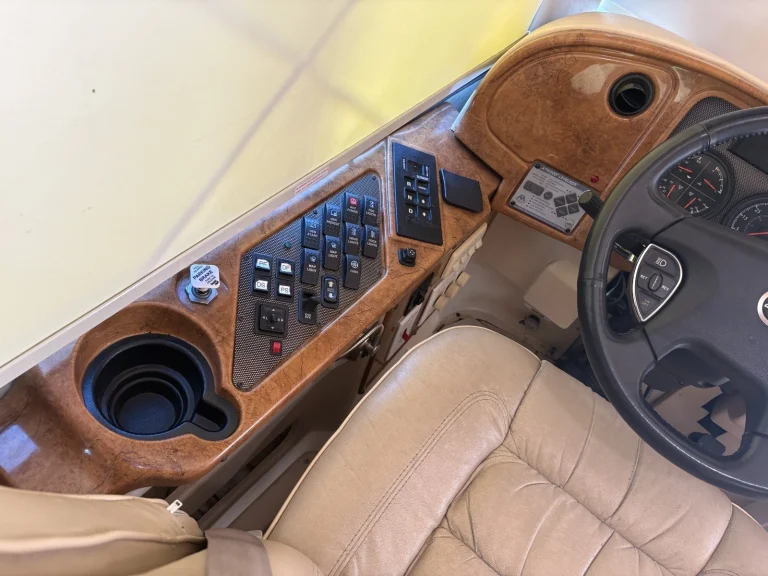
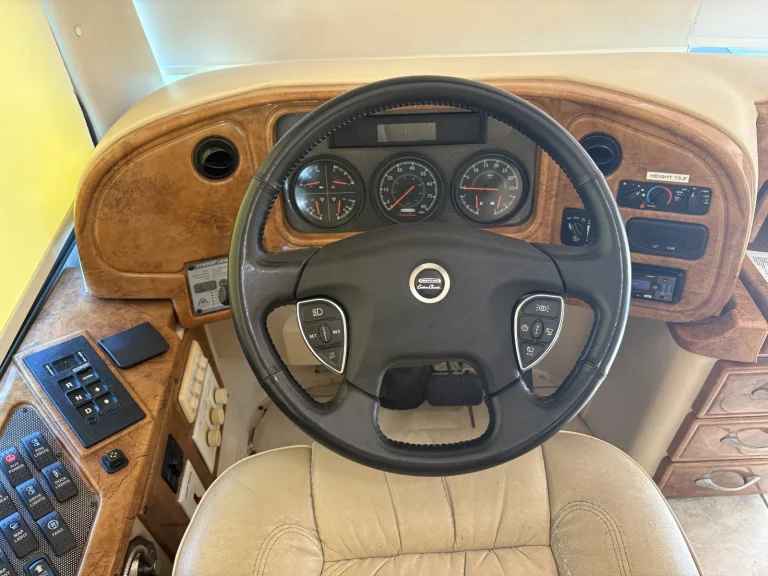
Check the seating position.
Look at visibility.
Pay attention to mirrors.
Consider how easy it is to maneuver.
If possible, test drive the vehicle.
A beautiful RV is not much fun if the driver feels stressed every time it leaves the driveway.
When comparing camping vehicles, remember that your comfort behind the wheel affects everyone traveling with you.
Do Not Forget Parking
Driving is only half the challenge.
You also have to park.
Think about grocery-store parking lots.
Fuel stations.
Campground entrances.
Small roads.
Tight turns.
If you plan to explore towns during trips, vehicle size becomes even more relevant.
9. Travel Trailers Offer Flexibility
Travel trailers are popular because they separate the living space from the tow vehicle.
Once you arrive at camp, you can potentially leave the trailer parked and use the tow vehicle for errands or sightseeing.
That can be extremely convenient.
But there is an important requirement.
Your tow vehicle must be appropriate for the trailer.
When evaluating trailer-style RV camping vehicles, always check the manufacturer’s towing specifications and the capabilities of your tow vehicle.
Look at Loaded Weight
Do not think only about the empty trailer.
Food weighs something.
Water weighs something.
Camping equipment weighs something.
Clothes weigh something.
All those little items add up.
Make your towing decision using accurate weight information.
10. Camper Vans Are About Mobility
Camper vans appeal to people who do not want a large vehicle.
They can be easier to maneuver.
They can fit into more parking spaces.
They can work well for spontaneous travel.
For couples and smaller groups, some RVs for camping in van form offer an attractive combination of sleeping space and everyday drivability.
The compromise is interior room.
You generally give up some space in exchange for mobility.
For the right traveler, that is a very good trade.
11. Class C RVs Can Be a Useful Middle Ground
Class C motorhomes are popular because they can provide a comfortable combination of driving convenience and living space.
Many feature an over-cab sleeping area.
That space can be particularly useful for families.
When comparing RV camping vehicles, Class C models are worth considering if you want something larger than a camper van without necessarily moving into the biggest motorhome category.
They can provide beds, kitchens, bathrooms, storage, and living areas in one vehicle.
Think About Your Driving Experience
Even a moderate-sized motorhome can feel different from a normal car.
Give yourself time to learn its dimensions.
Practice turning.
Practice parking.
Learn how the mirrors work.
Confidence comes with experience.
12. Class A RVs Prioritize Living Space
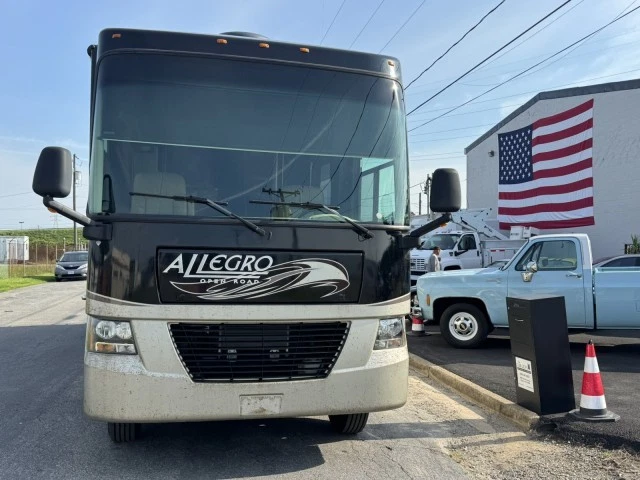
Class A motorhomes can provide substantial interior room.
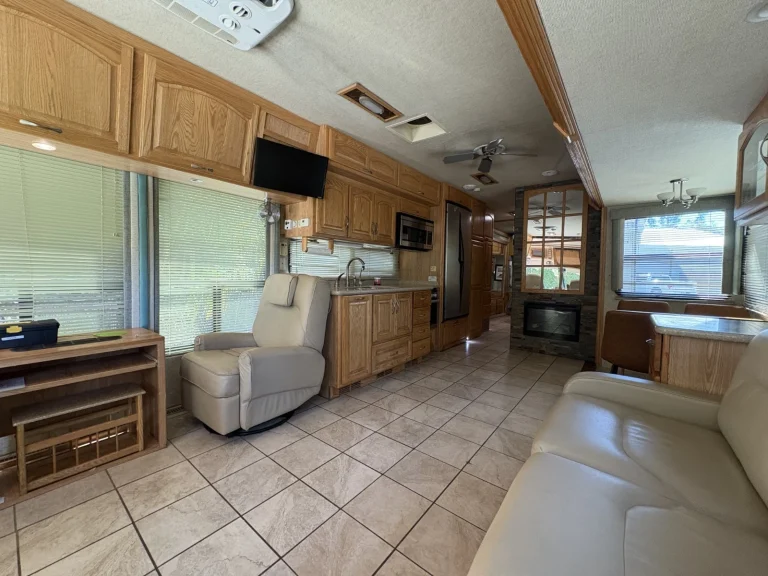
They may include residential-style kitchens, larger bathrooms, generous bedrooms, and comfortable lounges.
For long-distance travelers, that space can be attractive.
However, size brings responsibilities.
When evaluating larger camping vehicles, consider fuel use, maintenance, parking, storage, and driving comfort.
A larger RV should solve a genuine need.
Do not buy additional size simply because it looks impressive.
13. Fifth Wheels Can Be Excellent for Extended Camping
Fifth wheels are another option for people who want significant living space.
They connect to a compatible pickup truck using a specialized hitch arrangement.
Many have separate sleeping areas, larger kitchens, and substantial storage.
For extended camping, some RV camping vehicles in this category can feel more like a small apartment than a traditional camper.
But again, the tow vehicle matters.
You need a properly matched setup.
Never assume that a truck can tow a particular fifth wheel simply because the truck looks large.
14. Weather Should Influence Your Decision
Sunny weekends are wonderful.
But camping does not guarantee sunshine.
Rain happens.
Wind happens.
Cold mornings happen.
Very hot afternoons happen.
That means you should imagine using your RV in unpleasant weather.
When comparing RVs for camping, ask whether there is enough comfortable indoor space.
Can everyone sit down?
Is there enough ventilation?
Does the heating system suit your travel plans?
Does the cooling system work properly?
Weather can turn a beautiful campsite into an indoor day.
Your RV should still feel usable.
Rainy Days Are the Real Test
A rainy afternoon is when you discover whether you actually like the layout.
If everyone has somewhere to sit, something to do, and enough personal space, the RV feels comfortable.
If everyone is standing in the kitchen because there is nowhere else to go, the floor plan becomes a problem.
15. Electricity and Water Are Part of Camping
Modern camping often involves technology.
Phones.
Cameras.
Laptops.
Lights.
Kitchen appliances.
Entertainment.
Some campers want to stay connected.
Others prefer a quieter experience.
Either way, understand the electrical system before buying.
The same applies to water.
When reviewing RV camping vehicles, learn about fresh-water capacity, wastewater systems, electrical options, and how the vehicle is intended to be used.
If you enjoy remote camping, these features can become particularly important.
16. Think About Off-Grid Camping
Some travelers want a campground with hookups.
Others want to wake up somewhere far from the crowds.
If you fall into the second group, your priorities may be different.
You may care more about battery capacity, solar options, water storage, ground clearance, and overall independence.
Not every RV is designed for extended off-grid use.
When looking through camping vehicles, ask what the vehicle can realistically support away from campground hookups.
Do Not Overestimate Your Independence
Off-grid camping is appealing.
But it requires planning.
Water runs out.
Batteries need charging.
Food needs to be stored properly.
Waste needs to be managed.
The right equipment can make remote camping much easier.
17. New Versus Used RV Camping Vehicles
There is no rule saying you have to buy new.
Used RVs can provide excellent value when they have been properly maintained.
In some cases, buying used allows you to get a better layout or more equipment without paying the price of a new vehicle.
However, condition matters.
When inspecting used RV camping vehicles, check for water damage.
Look at the roof.
Inspect seals.
Check flooring.
Test appliances.
Examine tires.
Review maintenance records.
Look at the electrical system.
Check the plumbing.
A Clean Interior Is Not Enough
A used RV can look beautiful and still have hidden problems.
Do not let fresh upholstery or polished cabinets distract you from the mechanical side.
If you are unsure what to inspect, consider paying for a professional RV inspection.
That expense can be small compared with discovering a major problem after the purchase.
What Should You Bring to an RV Viewing?
A little preparation helps.
Bring a notebook.
Bring your phone.
Take photographs.
Measure spaces if necessary.
Open cabinets.
Sit on the beds.
Stand in the shower.
Check exterior compartments.
Look underneath sinks.
If you are comparing multiple RV camping vehicles, write down what you like and dislike about each one.
After viewing several RVs, they can start to blur together.
Your notes will not.
Build a Realistic RV Budget
The purchase price is only one part of ownership.
Think about insurance.
Fuel.
Maintenance.
Registration.
Storage.
Camping fees.
Repairs.
Accessories.
You may also want leveling equipment, hoses, cookware, bedding, outdoor furniture, tools, and other supplies.
When comparing RVs for camping, leave some money available after the purchase.
An RV that consumes your entire budget may leave you unable to enjoy it.
The Cheapest Option Is Not Always the Best Value
Price matters.
But value matters more.
A slightly more expensive RV with a better maintenance history and layout may be a smarter purchase than a cheaper vehicle requiring immediate repairs.
Look at the whole picture.
Make a Simple Comparison Chart
If you have three RV camping vehicles you like, compare them side by side.
Score each one for:
- Price
- Sleeping space
- Storage
- Kitchen
- Bathroom
- Driving comfort
- Fuel requirements
- Maintenance
- Interior layout
- Towing requirements
- Condition
- Camping style
- Long-term usefulness
You do not need complicated mathematics.
A simple scorecard can make the decision much clearer.
Sometimes the RV you initially liked least ends up being the most practical.
Think About Your Camping Personality
This may sound strange, but it matters.
Some people want to arrive at a campground and stay for a week.
Others want to move every morning.
Some want a large kitchen.
Others would rather have outdoor equipment.
Some people love watching movies inside.
Others use the RV mainly for sleeping.
Your camping personality should influence your purchase.
Among camping vehicles, there are enough styles to match very different travel habits.
Do not buy someone else’s dream RV.
Buy the RV that makes sense for you.
Make Your First Trip Short
After buying an RV, it can be tempting to plan an enormous adventure immediately.
I would resist that temptation.
Take a short trip first.
Stay somewhere relatively close.
Learn the vehicle.
Test the appliances.
Practice parking.
Try setting everything up.
Figure out where your belongings belong.
Learn what you forgot.
Then go farther.
That first weekend can teach you more about your RV camping vehicles than hours of online research.
Pack Less Than You Think
One of the easiest ways to make an RV uncomfortable is to fill every cabinet.
You do not need your entire house.
Bring useful things.
Bring clothing appropriate for the weather.
Bring basic cooking supplies.
Bring necessary safety and maintenance equipment.
Bring food you know you will actually eat.
Leave some empty space.
When your RVs for camping are organized rather than overloaded, everyday life inside them becomes easier.
Keep Frequently Used Items Accessible
Think about what you reach for every day.
Drinking water.
Coffee.
Snacks.
Towels.
Toiletries.
Charging cables.
Shoes.
These items should not be buried under everything else.
Good organization is one of the simplest ways to improve the camping experience.
It also helps you make better use of smaller RV camping vehicles.
Families Should Think About Personal Space
Family travel can be wonderful.
It can also involve moments when everyone needs a little room.
Children may want to read.
Parents may want coffee.
Someone may need to work.
Someone may simply want quiet.
When comparing camping vehicles, consider whether the floor plan offers enough separation.
Privacy does not necessarily mean separate rooms.
Sometimes a clever sleeping arrangement or seating area is enough.
Couples Have Different Priorities
A couple may prefer mobility.
They may not need several beds.
They might prioritize a larger kitchen, comfortable lounge, or better outdoor setup.
For couples, some compact RV camping vehicles can be especially appealing.
They provide the essentials without requiring the size of a family motorhome.
The important thing is matching the vehicle to the number of people actually traveling.
Pets Change the Equation
Traveling with pets introduces another set of considerations.
You need somewhere for food.
You need somewhere for leashes and supplies.
You need safe temperature management.
You also need a layout that gives the animal enough room.
If you regularly travel with a dog or another pet, consider this before choosing among RVs for camping.
A layout that feels spacious for two adults may feel very different once a pet joins the trip.
Long Trips Require More Comfort
A weekend trip can make almost any reasonable sleeping arrangement seem acceptable.
Several weeks can expose every weakness.
That is why long-distance travelers should pay close attention to beds, seating, storage, bathroom facilities, kitchen design, and climate control.
When choosing RV camping vehicles for extended travel, comfort should be treated as a practical requirement.
Not a luxury.
What Makes a Good RV Camping Vehicle?
There is no magic specification.
A good vehicle should match its owner’s needs.
It should be comfortable enough.
Reliable enough.
Practical enough.
Affordable enough to operate.
And suitable for the places you intend to visit.
The best RV camping vehicles make travel easier instead of creating new problems.
That is the real goal.
Questions to Ask Before Buying
Before committing to one of the camping vehicles you have shortlisted, ask yourself:
Where will I use it?
How many people will travel?
How long will trips normally last?
Do I need a bathroom?
Do I need a large kitchen?
How much storage do I need?
Will I camp off-grid?
Can I comfortably drive it?
If it is a trailer, can my tow vehicle handle it?
What will ownership cost beyond the purchase price?
If you can answer those questions clearly, you are already much closer to making a smart decision.
Frequently Asked Questions About RV Camping Vehicles
What are RV camping vehicles?
RV camping vehicles are recreational vehicles designed to provide transportation and camping or living accommodations. They can include motorhomes, travel trailers, fifth wheels, camper vans, and other recreational configurations.
Which RV is best for family camping?
It depends on the family’s size and travel habits.
Families may prefer models with bunk beds, multiple sleeping areas, larger kitchens, bathrooms, and generous storage.
Compare different RVs for camping based on your actual family requirements.
Are smaller RVs easier to drive?
Generally, smaller vehicles can be easier to maneuver and park, although driving comfort depends on the specific model and the driver’s experience.
Compact RV camping vehicles can be attractive for travelers who frequently move between destinations.
Are used RVs worth buying?
A properly maintained used RV can offer strong value.
However, inspect it carefully for water damage, mechanical issues, tire condition, appliance problems, and maintenance history before purchasing used camping vehicles.
What should I check when buying an RV?
Check the exterior, roof, seals, tires, plumbing, electrical systems, appliances, interior, storage, sleeping areas, and maintenance records.
A professional inspection can also be useful.
Are travel trailers good for camping?
Yes.
Travel trailers can provide comfortable living space while allowing the tow vehicle to be used separately after the trailer is parked.
They are one of the most flexible categories of RV camping vehicles.
Are camper vans good for long trips?
They can be.
Camper vans prioritize mobility and can provide sleeping and basic living facilities in a compact package.
Whether they are suitable for long trips depends on how much space and comfort you require.
What is the biggest mistake when buying an RV?
One of the biggest mistakes is choosing based solely on appearance or size.
The right RVs for camping should fit your travel style, budget, driving ability, sleeping requirements, and camping destinations.
Should I buy a new or used RV?
Both can make sense.
New models may offer newer features and warranties, while used models can offer value.
Condition, maintenance, price, and suitability should guide the decision.
How much storage does an RV need?
There is no universal number.
Families generally need more storage than couples, while long-term travelers need more than weekend campers.
Choose RV camping vehicles with storage that matches the amount of equipment and personal belongings you expect to carry.
Can RVs be used for off-grid camping?
Some can.
However, capabilities vary significantly.
If remote camping is important, examine battery systems, solar options, water capacity, waste systems, and other relevant equipment before buying camping vehicles.
Final Thoughts
Choosing an RV is not really about finding the most impressive vehicle.
It is about finding the vehicle that fits your life.
That distinction matters.
The perfect RV on paper may be completely wrong for your family.
A smaller vehicle may be ideal for someone who loves spontaneous weekend trips.
A larger motorhome may be better for someone spending months on the road.
A travel trailer may suit someone who wants a separate tow vehicle.
A camper van may be perfect for someone who values mobility.
There are plenty of RV camping vehicles to choose from, which is both the good news and the challenging part.
Take your time.
Walk through different layouts.
Ask questions.
Inspect used models carefully.
Check towing requirements.
Think about storage.
Test the sleeping arrangements.
Sit behind the wheel.
Imagine the vehicle on a rainy afternoon.
Imagine it on a long highway.
Imagine breakfast at a campsite.
Imagine packing it before leaving home.
If the vehicle still makes sense after all those scenarios, you may be looking at the right one.
Most importantly, do not buy an RV simply because someone else says it is the “best.”
Your camping style is your own.
Your budget is your own.
Your family is your own.
Your adventures will be your own.
The right RV camping vehicles should fit those realities.
Once you find that match, the purchase becomes more than buying a vehicle.
It becomes buying a little freedom.
It becomes having your own bed wherever the road takes you.
It becomes making breakfast beside a lake instead of searching for a restaurant.
It becomes pulling over because the view is too good to ignore.
And sometimes, it becomes the reason everyone in the family starts asking one simple question:
“Where are we going next?”
Related guides
- New RVs for Sale: How to Choose the Right RV for Your Next Adventure
- Budget RVs for Sale: A Smart Buyer’s Guide to Finding an Affordable RV
- RVs for Sale by Owner: 25 Smart Ways to Find a Better Deal and Avoid Expensive Mistakes
- Best Affordable Campers for Sale: 37 Smart Ways to Find More RV for Your Money
Browse more in RVs for Sale or see all buying guides.